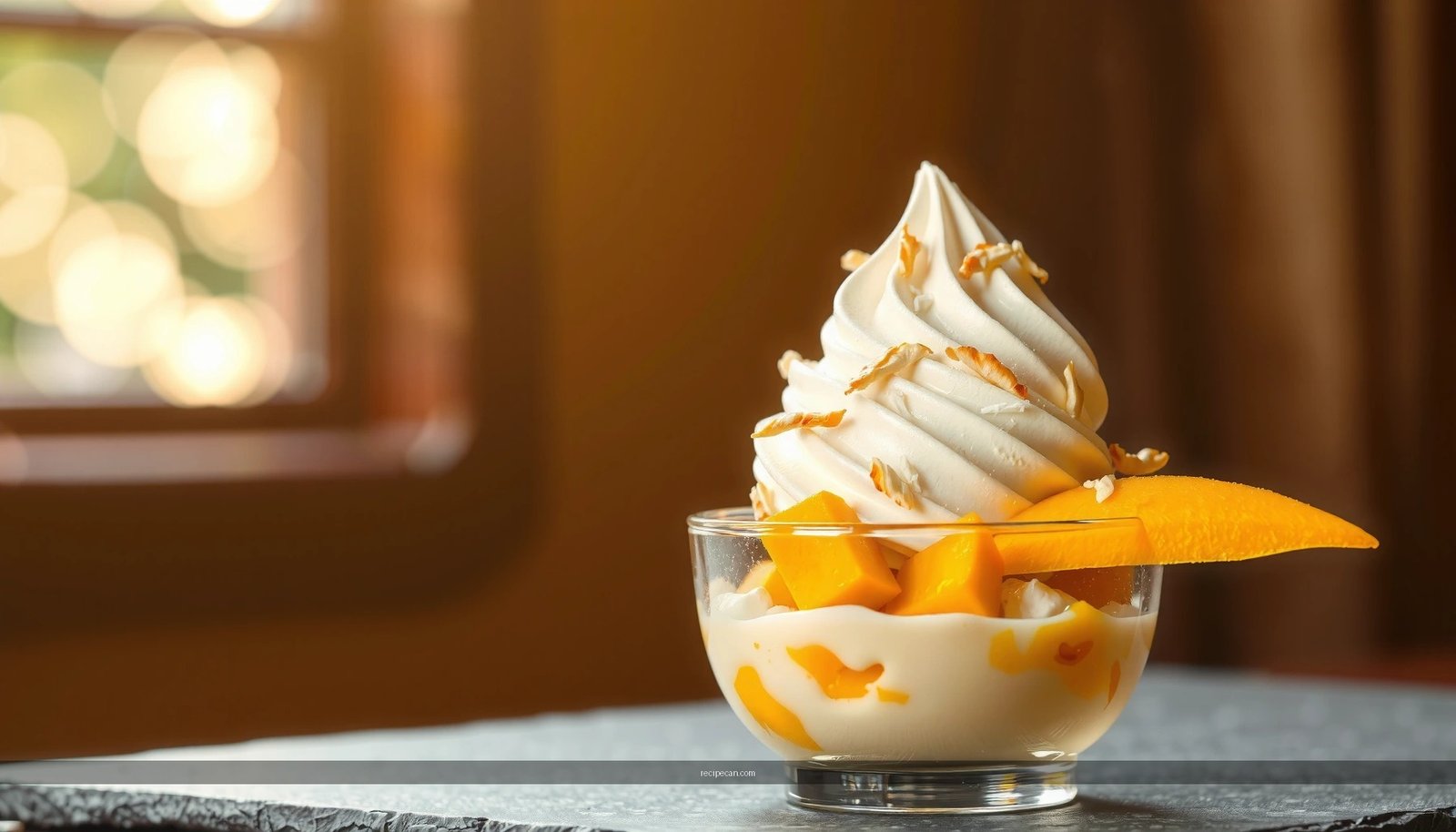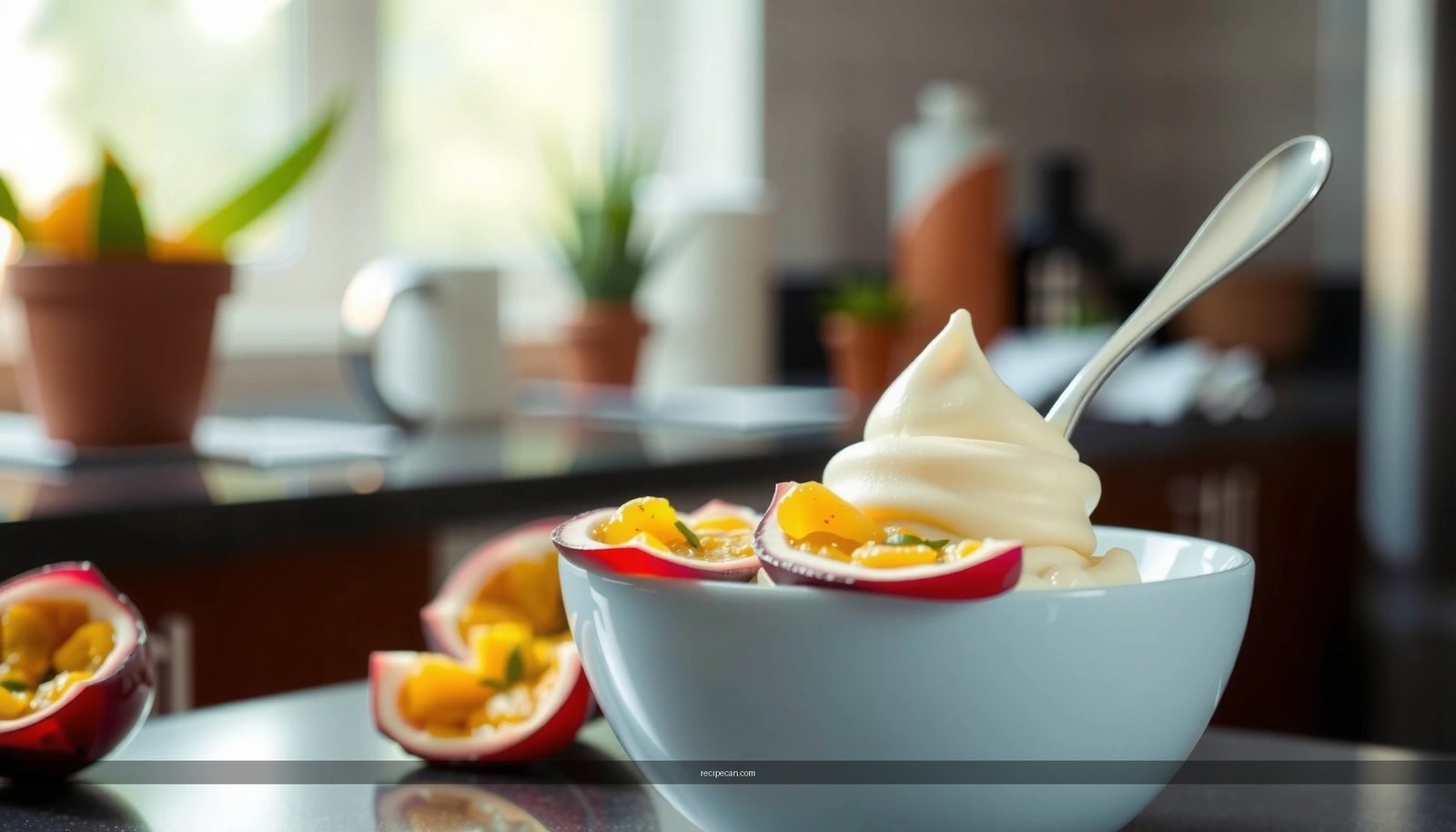
Want the best lilikoi ice cream recipe for truly creamy homemade results? This recipe delivers a tangy, fragrant lilikoi custard that churns smoothly into scoopable ice cream with a bright flavor that doesn’t freeze hard. If you want an unmistakably tart lilikoi finish with a rich, velvety texture, follow these steps for a dependable batch every time.
Make creamy lilikoi ice cream at home by balancing tangy passion fruit (lilikoi) with a properly chilled cream base and churning it just until thick like soft-serve; then freeze until scoopable. This recipe guides you through prepping lilikoi (fresh or jarred), mixing a smooth custard-style base, churning for the right texture, and finishing with a freeze that preserves that signature tart, tropical flavor.
Gather Ingredients for Lilikoi Ice Cream
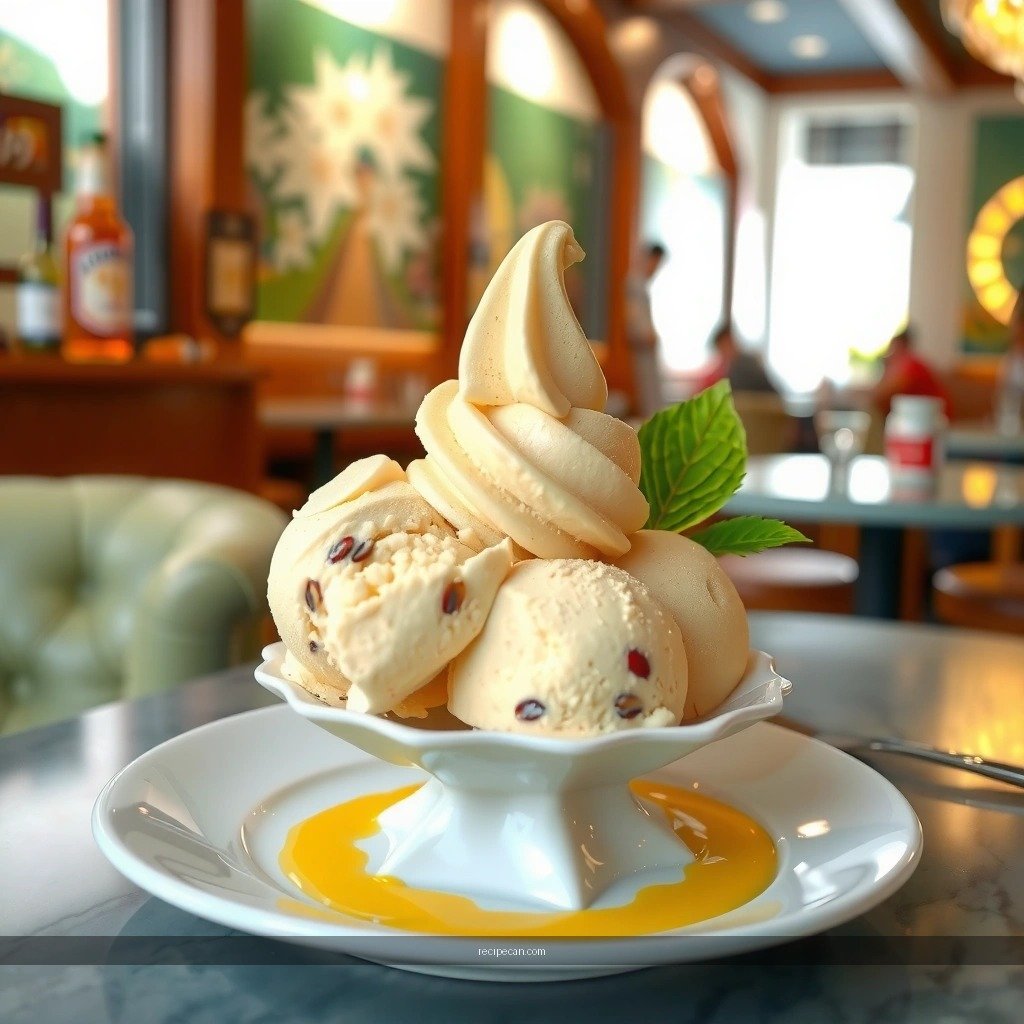
A high-quality lilikoi ice cream recipe starts with ingredients that support three goals: (1) strong passion fruit flavor, (2) a stable dairy base that creams smoothly, and (3) sweetness that rounds off the natural acidity of lilikoi. Whether you’re using fresh fruit or jarred lilikoi pulp, the method remains the same—your ingredient choices determine how bold (and how creamy) the final scoop tastes.
– Fresh lilikoi (passion fruit) or high-quality lilikoi pulp for bold flavor
– Heavy cream (for richness and a stable churn)
– Milk (to balance fat content and improve scoopability)
– Sweetener: either granulated sugar or sweetened condensed milk
– Optional lemon juice (to sharpen aromatics and help brighten flavor)
Practical notes for ingredient success
– Flavor-to-dairy ratio: Lilikoi is naturally tart; if you underdose the fruit or under-sweeten, the ice cream can taste sharp rather than “tangy and creamy.”
– Choose your sweetener strategically:
– Sugar gives a classic taste and lets you control sweetness precisely.
– Sweetened condensed milk adds sweetness *and* extra body from milk solids, often resulting in a silkier mouthfeel with less work.
– Salt matters: A small pinch of salt helps amplify fruit notes and balances sweetness without making the dessert taste savory.
Lilikoi (Passion Fruit) Sweetness Balance Guide for Ice Cream
| # | Batch Type | Lilikoi Pulp (cups) | Sweetener (condensed milk or sugar) | Resulting Balance |
|---|---|---|---|---|
| 1 | Fresh Lilikoi, very tart | 1.0 | 3/4 cup sugar | ★ ★ ★ ★ ★ |
| 2 | Jarred pulp, medium tart | 3/4 | 1/2 cup sugar | ★ ★ ★ ★ ☆ |
| 3 | Jarred pulp, sweetened | 3/4 | 1/2 cup condensed milk | ★ ★ ★ ★ ★ |
| 4 | Mixed tartness (seasonal variability) | 3/4 | 1/3 cup sugar + 1/3 cup condensed milk | ★ ★ ★ ★ ☆ |
| 5 | Dessert-forward (milder tart) | 1/2 | 1/2 cup condensed milk + 2 tbsp sugar | ★ ★ ★ ★ ★ |
| 6 | Fruit-heavy (for “punchy” flavor) | 1.0 | 1 cup sugar | ★ ★ ★ ★ ★ |
| 7 | Under-sweetened (common mistake) | 1.0 | 1/3 cup sugar | ★ ★ ☆ ☆ ☆ |
Prepare the Lilikoi Mixture
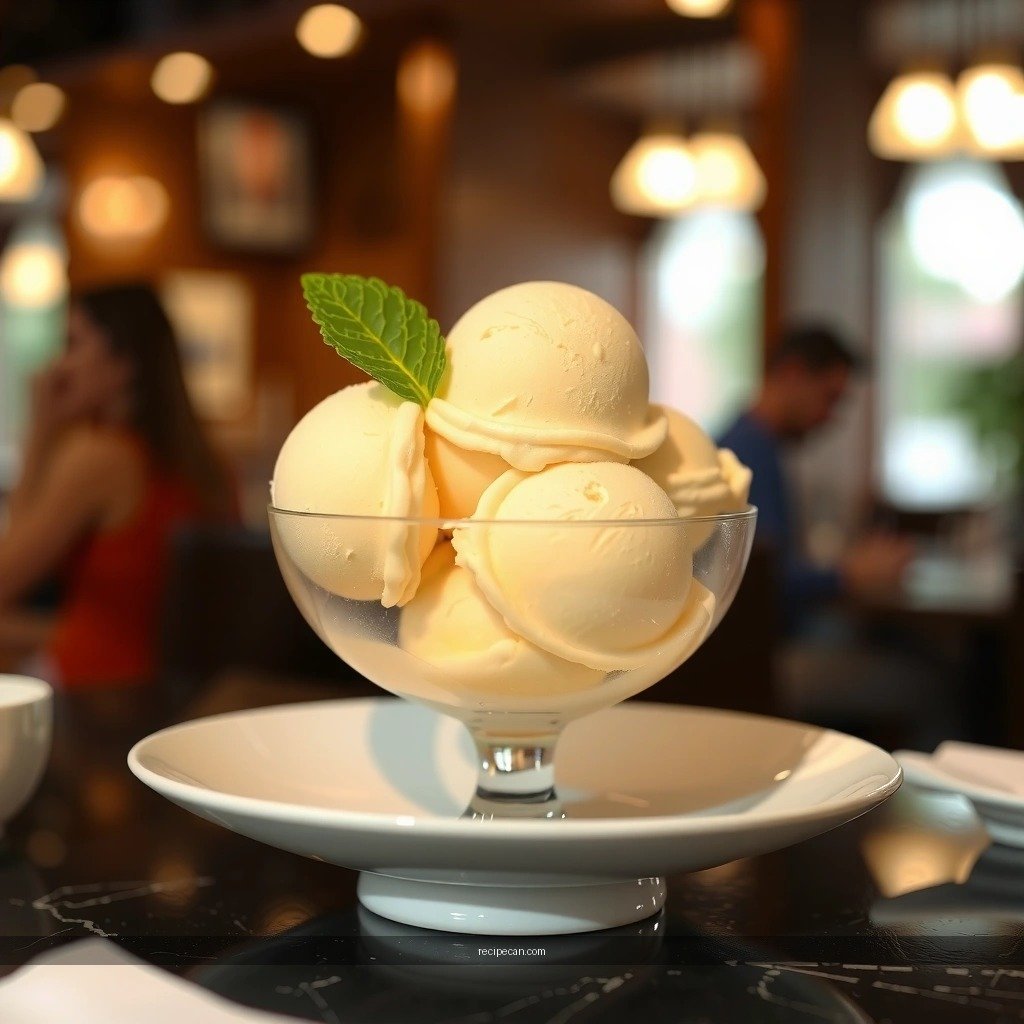
Preparing lilikoi correctly is what turns a “tasty” batch into a refined, scoop-friendly ice cream. The main decision here is whether you want seeds for texture or strained pulp for a smoother finish. Both approaches are valid—choose based on your target mouthfeel.
– Strain pulp to remove seeds if you prefer a smoother texture
Lilikoi seeds are edible, but they can create an icy, crunchy contrast in cold ice cream. Straining is especially useful if you’re serving a premium product or want a restaurant-style texture.
– Simmer or mix with sweetener to balance the tartness
A gentle warm-up helps dissolve sugar and harmonize flavor. If using sweetened condensed milk, mix it in after warming (so it doesn’t curdle and so the base stays stable).
Recommended preparation method (simple and consistent)
1. If using fresh lilikoi: Scoop pulp, then strain through a fine mesh if you want seed-free ice cream.
2. If using jarred pulp: Stir well first; adjust sweetness because jarred brands vary widely in how tart they are.
3. Warm the lilikoi with part of the sweetener (about 2–3 minutes over low heat) until fully dissolved.
Quality check: The lilikoi mixture should taste slightly sweeter than you want the finished ice cream, because freezing reduces perceived sweetness.
Make the Ice Cream Base
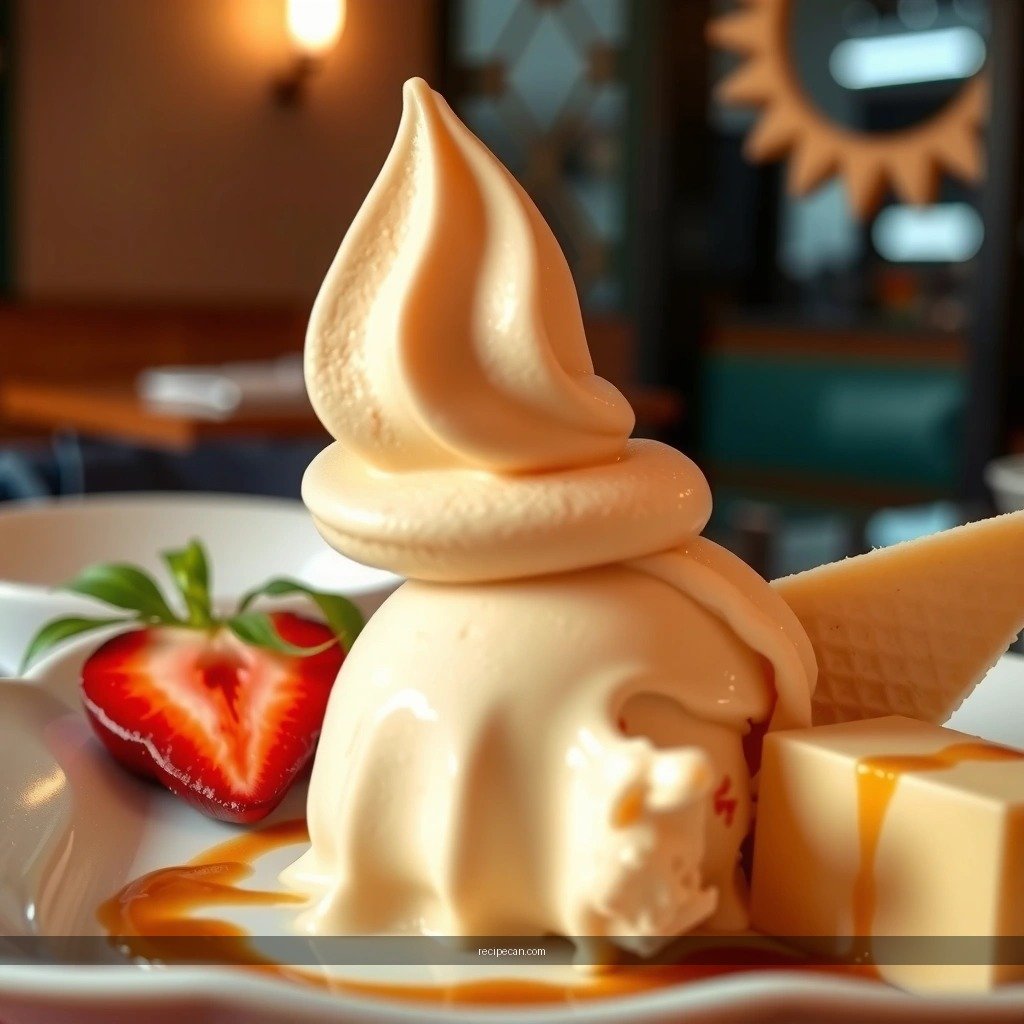
The base is where creaminess is engineered. In professional terms, you’re creating a stable emulsion and ensuring enough dissolved sugar (or milk solids) to control freezing point—both are critical to achieving a smooth scoop without icy edges.
– Whisk or blend milk, cream, and sweetened lilikoi until fully combined
– Chill the base thoroughly for best texture before churning
Why chilling is non-negotiable
Even a great lilikoi base will churn poorly if it’s warm. Chilling:
– improves emulsion stability,
– prevents premature fat splitting,
– enables the ice cream maker to build body faster and more evenly.
Analytical base-building tips
– Use a thermometer if possible: Aim to fully dissolve sweetener and heat gently (roughly 170–180°F / 77–82°C if you heat the base), but don’t boil aggressively.
– Avoid curdling: If you’re using eggs (optional variation), temper carefully. In this streamlined recipe, eggs are not required—your cream-and-milk base can still be excellent if you chill properly.
– Blend thoroughly: Incorporate lilikoi pulp evenly to avoid “fruit pockets” and streaking.
Target texture before churning: The base should look cohesive and smooth, not separated, and it should be cold enough that it feels like you could store it immediately.
Churn the Ice Cream to Smooth and Creamy
Churning is the transformation step: you turn a liquid dairy-fruit base into a foam of tiny ice crystals plus suspended fat—this is what creates that dense, creamy texture.
– Use an ice cream maker and churn until thickened like soft-serve
– Optionally add a splash of vanilla or salt to enhance flavor
Churning guidance (so you don’t over- or under-churn)
– Start churning with a very cold base.
– Expect the mixture to thicken gradually from pourable to soft-serve-like.
– Stop once it resembles thick frozen yogurt or soft-serve—not once it becomes rock solid.
Flavor enhancements that work with lilikoi
– Vanilla (optional): Rounds the aromatic edge of passion fruit.
– Salt (optional but recommended): A small pinch sharpens flavor and counterbalances sweetness.
– Alcohol (optional professional trick): Avoid unless you’re experienced; a tiny amount can improve scoopability, but it can also destabilize flavor if mismeasured.
Practical serving-level check
When you lift the dasher, the ice cream should fall in thick ribbons. If it’s still watery, churn a bit longer; if it’s stiff, you may have over-churned slightly—still fine, but freezing time will be important.
Freeze for Best Scoopable Texture
Freezing is where structure locks in. The right freezing approach prevents large ice crystals, which are the main cause of grainy texture.
– Transfer to a container and freeze until firm
– Let it sit a few minutes before serving for easier scooping
Best practices for a smooth freezer finish
– Use an airtight container and press a piece of parchment or plastic wrap directly onto the surface to reduce ice exposure.
– Freeze long enough: Typically 4–6 hours for a home batch, depending on your freezer.
– Scoop readiness: Let the ice cream sit 3–5 minutes at room temperature before scooping for a cleaner texture.
If you want a more “premium” presentation
Spoon into a chilled container and smooth the top. For businesses or events, consistent portioning (small tubs or portioned scoops) improves perceived quality and reduces refreezing cycles.
Serving Ideas and Storage Tips
Serving is where lilikoi ice cream becomes unmistakably yours—tangy, tropical, and visually vibrant. A well-paired topping can elevate flavor contrast without masking the fruit.
– Serve plain or top with fresh lilikoi pulp, toasted coconut, or whipped cream
– Store airtight in the freezer to reduce ice crystals
High-impact serving options
– Fresh lilikoi pulp (seeded or strained): Best for a bold, juicy top note.
– Toasted coconut: Adds crunch and a warm aroma that complements passion fruit.
– Whipped cream: Softer sweetness and a light texture contrast.
– Optional garnish ideas: Lime zest (sparingly) or a few drops of extra vanilla for aroma.
Storage tips that preserve texture
– Keep container sealed and minimize time with the lid open.
– For best quality, enjoy within 1–2 months (home freezers vary, and fruit-based ice creams can develop ice crystals earlier than chocolate-based ones).
– If it hardens too much, let it soften briefly—don’t attempt to scrape aggressively, which can increase graininess.
Lilikoi ice cream is easy to make once you balance the tangy lilikoi with a properly chilled cream base and churn it until smooth. Follow these steps, taste and adjust sweetness if needed, and then freeze for the perfect scoop—then share your homemade lilikoi treat or try a batch with fresh lilikoi when it’s in season.
—
By focusing on three control points—flavor balance (sweetness vs. tartness), base temperature (thorough chilling), and churn timing (soft-serve thickness)—you’ll consistently produce creamy homemade lilikoi ice cream with a tangy tropical character. Whether you use fresh passion fruit or jarred lilikoi pulp, this method delivers a reliable, scoopable result that’s impressive enough for everyday enjoyment and polished enough for sharing.
Frequently Asked Questions
What ingredients do I need for a lilikoi ice cream recipe?
A classic lilikoi ice cream recipe uses passion fruit (lilikoi) pulp, heavy cream, milk, sugar, egg yolks (for a custard-style base), and a pinch of salt. For extra flavor, you can add vanilla extract and a little lemon juice to balance the tartness. If you prefer a no-egg version, you can use condensed milk or a cornstarch-thickened base, but the result will be slightly different in texture.
How do I make lilikoi ice cream without curdling the custard?
To prevent curdling, warm your milk/cream mixture gradually and temper the egg yolks by slowly whisking in a ladle of hot liquid. Keep the heat on low and stir constantly until the custard thickens enough to coat the back of a spoon, then remove it from the heat immediately. Afterward, chill the custard thoroughly before churning so your lilikoi ice cream sets smoothly and doesn’t turn grainy.
Why is my lilikoi ice cream icy instead of creamy?
Ice crystals usually happen when the base isn’t chilled long enough, the sugar content is too low, or the mixture wasn’t churned consistently. Make sure you strain the lilikoi pulp to remove excess seeds if you want a smoother texture, and chill the custard at least 4 hours (or overnight) before churning. Also, avoid over-freezing immediately—store it in an airtight container and let it soften slightly before serving.
Which churned-method lilikoi ice cream recipe is best for rich flavor?
For the creamiest results, choose a churned custard-style lilikoi ice cream recipe using egg yolks, heavy cream, and enough sugar to stabilize the texture. Custard bases generally produce a smoother, richer mouthfeel than simple no-churn or condensed-milk versions. If you want a brighter punch, add lilikoi pulp near the end of cooking (or after the custard cools) so the flavor stays fresh and vibrant.
Best way to store and serve lilikoi ice cream?
Store your homemade lilikoi ice cream in an airtight container and press a piece of parchment or plastic wrap directly onto the surface to limit ice formation. For best texture, keep it frozen and serve after letting it sit at room temperature for 5–10 minutes to soften. If you’re using fresh lilikoi pulp, use it quickly or freeze portions so your lilikoi ice cream tastes as fragrant and tangy as possible.
References
- Passiflora edulis
https://en.wikipedia.org/wiki/Lilikoi - Passiflora edulis
https://en.wikipedia.org/wiki/Passion_fruit - Ice cream
https://en.wikipedia.org/wiki/Ice_cream - https://www.britannica.com/plant/passion-fruit
https://www.britannica.com/plant/passion-fruit - Ice cream | Definition, History, & Production | Britannica
https://www.britannica.com/topic/ice-cream - https://www.sciencedirect.com/search?qs=passion%20fruit%20ice%20cream
https://www.sciencedirect.com/search?qs=passion%20fruit%20ice%20cream - https://pubmed.ncbi.nlm.nih.gov/?term=passion+fruit+ice+cream
https://pubmed.ncbi.nlm.nih.gov/?term=passion+fruit+ice+cream - Google Scholar Google Scholar
https://scholar.google.com/scholar?q=lilikoi+ice+cream+recipe - Google Scholar Google Scholar
https://scholar.google.com/scholar?q=passion+fruit+ice+cream+recipe - Google Scholar Google Scholar
https://scholar.google.com/scholar?q=passiflora+edulis+frozen+dessert+ice+cream