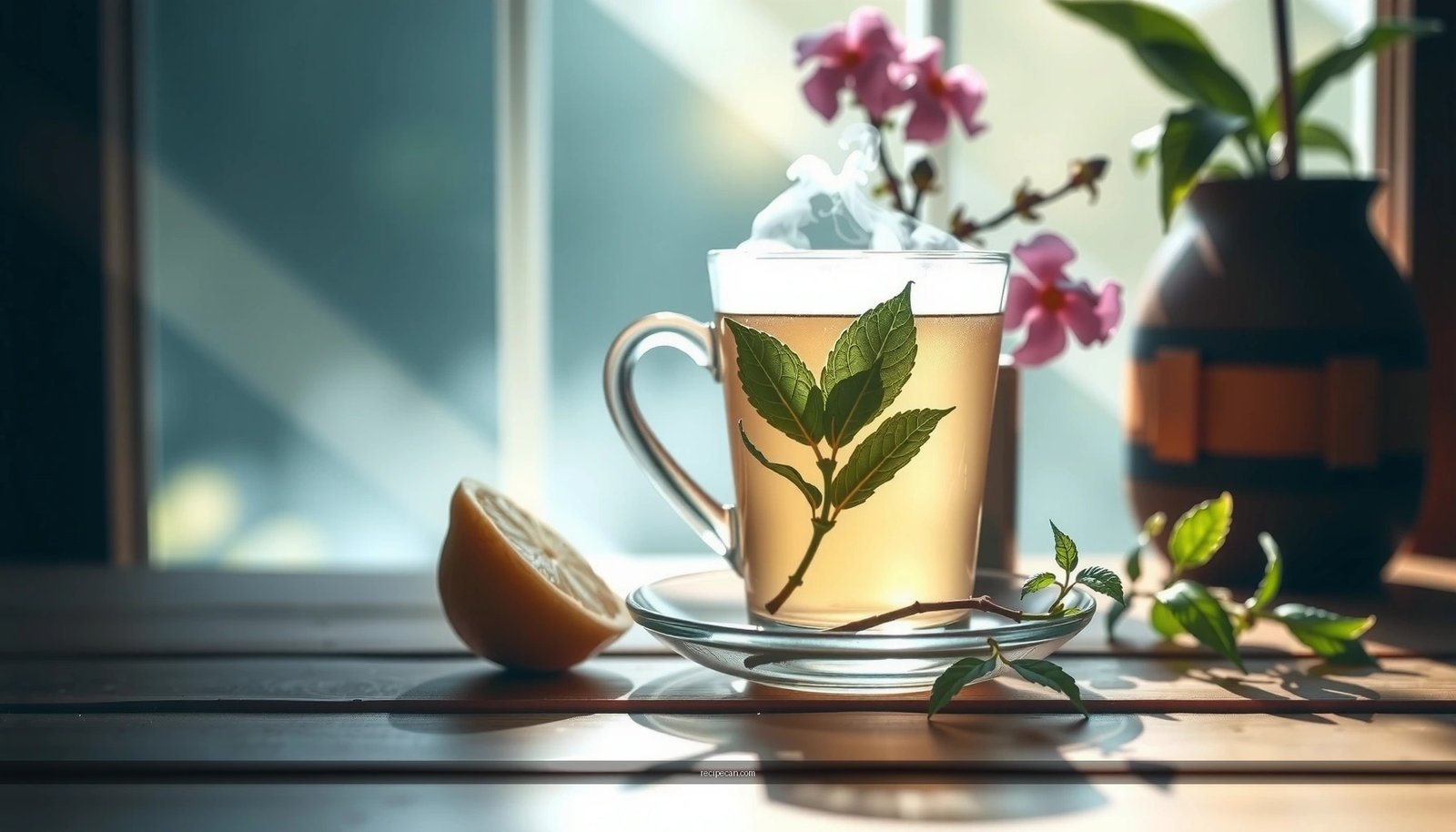
Follow this lemon balm tea recipe for a fresh, calming cup in minutes, with simple steps and exact brewing guidance. You’ll learn how much lemon balm to use, how hot the water should be, and how long to steep for the best flavor. If you want a reliably soothing herbal brew without guesswork, this is the method to use.
You can make lemon balm tea quickly and reliably by using the right leaf-to-water ratio and steeping time (usually 5–10 minutes with near-boiling water). This guide shows how to steep for balanced flavor, customize with citrus and honey, and brew a cup that tastes fresh and calming whether you start with fresh or dried lemon balm leaves.
A lemon balm tea recipe is an easy way to brew a soothing, lightly citrus herbal drink using fresh or dried leaves. In this guide, you’ll learn how to steep it properly, adjust the flavor, and get the best taste every time.
What You Need for Lemon Balm Tea
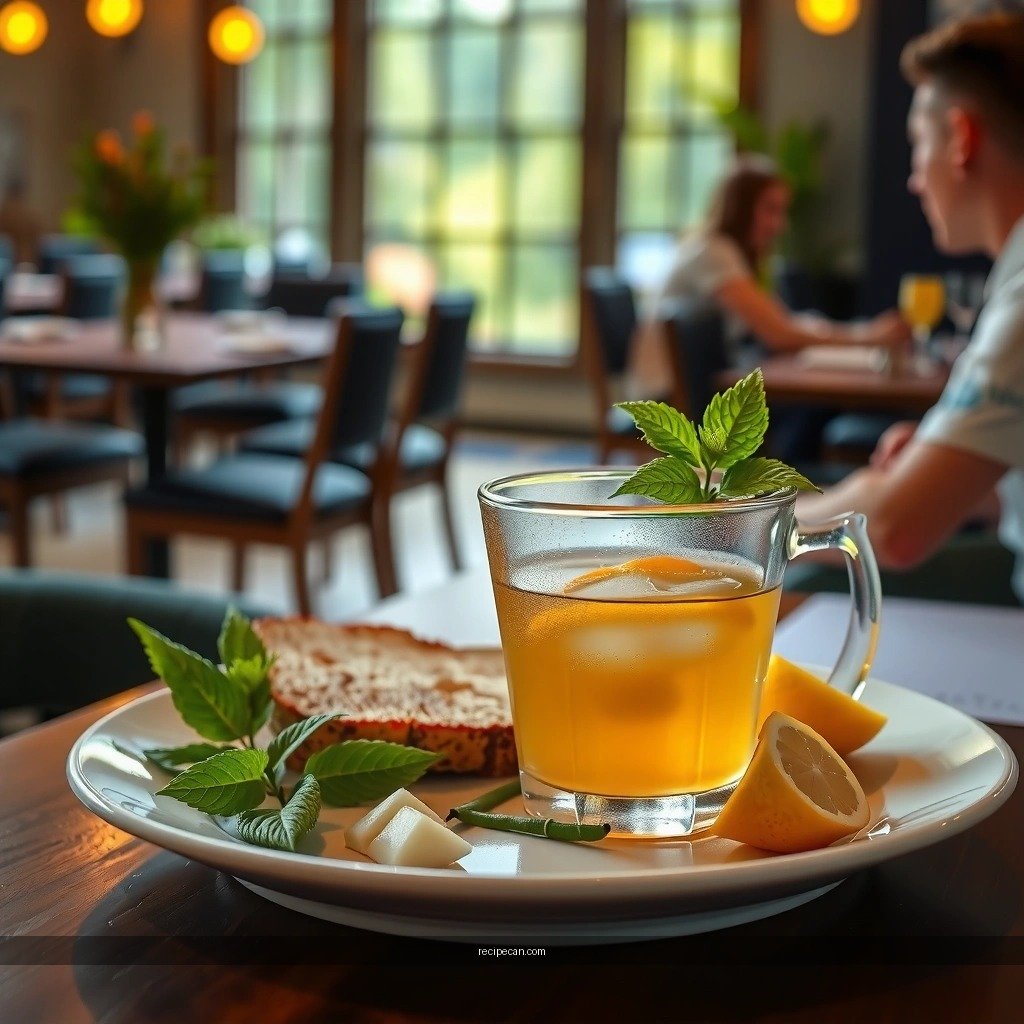
Brewing lemon balm tea is simple, but consistency matters—especially if you want a consistently mild, aromatic cup rather than a bitter one. The key variables are leaf amount, water temperature, and steep duration.
– Fresh or dried lemon balm leaves (about 1–2 teaspoons per cup)
Fresh leaves are often lighter and more delicate; dried leaves are more concentrated, so you can start at the lower end (about 1 teaspoon per cup).
– Hot water (near-simmering for best extraction)
Aim for water just below a rolling boil—hot enough to draw out the herb’s fragrant oils, but not so scorching that it overwhelms the cup.
– Optional add-ins like honey or lemon
Lemon balm naturally has a gentle, lemony profile; adding citrus or honey can make the flavor feel brighter, rounder, or more dessert-like.
Practical ingredient note: If you’re using lemon balm from your garden, rinse fresh leaves well and remove any that look bruised or overly wilted. For dried leaves, store them away from light and heat so the aroma remains strong.
Lemon Balm Tea Brewing Ratios and Expected Taste (1 Cup)
| # | Leaf Type | Amount | Steep Time | Aroma Intensity | Taste Strength |
|---|---|---|---|---|---|
| 1 | Fresh lemon balm | 1 teaspoon (chopped) | 5 min | ★★★☆☆ | Mild |
| 2 | Fresh lemon balm | 1–2 teaspoons | 7 min | ★★★★☆ | Balanced |
| 3 | Fresh lemon balm | 2 teaspoons | 10 min | ★★★★★ | Aromatic |
| 4 | Dried lemon balm | 1/2 teaspoon | 5 min | ★★★☆☆ | Gentle |
| 5 | Dried lemon balm | 1 teaspoon | 7–8 min | ★★★★☆ | Comforting |
| 6 | Dried lemon balm | 1–2 teaspoons | 10 min | ★★★★★ | Potentially strong |
| 7 | Dried lemon balm (high) | 2 teaspoons | 12–15 min | ★★★★★ | Can turn bitter |
How to Make Lemon Balm Tea (Step-by-Step)
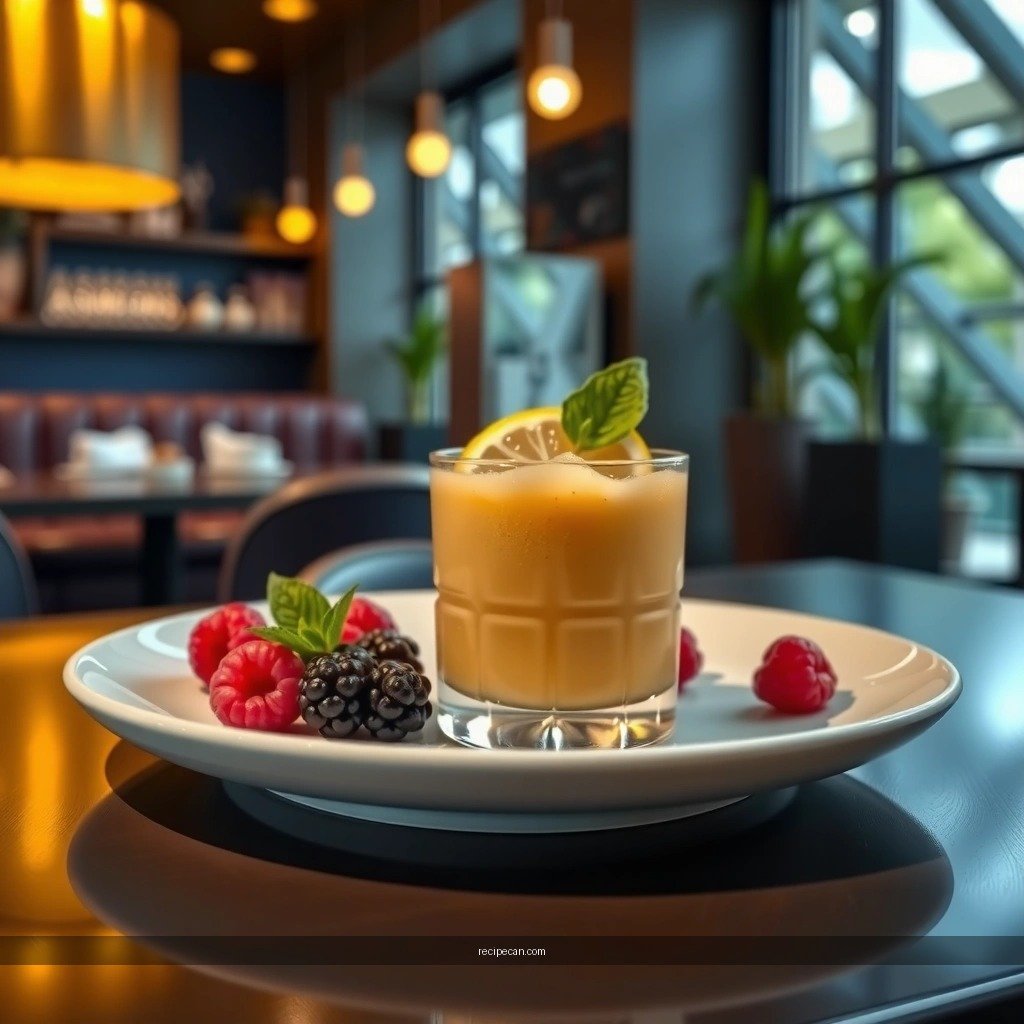
This lemon balm tea recipe is designed to help you nail a clean, aromatic brew without trial-and-error every time. If you follow the sequence below, you’ll avoid the most common pitfalls—oversteeping and underheating.
– Steep lemon balm leaves in hot water for 5–10 minutes
Place leaves in a cup or infuser, then add near-simmering water. Cover the cup if possible; herbs release aroma more efficiently when heat is retained.
– Strain and taste, then adjust steep time for stronger flavor
Tannins and herbal notes can increase with time. If your first cup is too mild, extend steeping by 1–2 minutes next time. If it’s too intense, shorten by a similar amount.
– Serve hot or chilled depending on your preference
For hot tea, steep and pour immediately. For iced lemon balm tea, cool the strained tea quickly (cover and refrigerate or pour over ice) to preserve flavor and prevent any “flat” herbal taste.
Quality control tip: Use filtered water if your tap water has a strong chlorine or mineral taste—it can mask subtle citrus notes in herbal teas.
Best Flavor Variations
One reason lemon balm tea is popular is its versatility. Lemon balm pairs well with sweetness, brightness, and soft florals. These variations are also useful if you want a cup that matches different routines—morning calm, afternoon refresh, or evening wind-down.
– Add a slice of lemon or a few drops of lemon juice
Citrus highlights lemon balm’s naturally zesty character. For a cleaner taste, add lemon after steeping (so acidity doesn’t dull the aroma).
– Sweeten with honey, or keep it naturally herbal
Honey complements lemon balm without overpowering it. Start with 1 teaspoon per cup and increase gradually if needed.
– Try pairing with chamomile for a softer, floral cup
Chamomile can round out lemon balm’s herbal edge and create a more “tea-shop smooth” profile. Use a small chamomile quantity so lemon balm remains the main note.
Business-friendly hosting idea: When serving guests, offer a “tea bar” approach—brew one batch using your standard ratio, then provide small pitchers of lemon juice and honey so people can personalize without changing the base recipe.
Brew Time, Temperature, and Strength
Consistency is the difference between “tastes good” and “tastes reliably great.” Lemon balm herbal tea can range from gently fragrant to noticeably bold, depending on water and steeping. The goal is to find the balance that suits your preference and the leaf form you’re using.
– Short steep (3–5 minutes) for a lighter, milder tea
Ideal if you want a subtle, refreshing cup or you’re new to lemon balm. Short steeping also works well for mornings.
– Longer steep (10–15 minutes) for a more aromatic, stronger brew
Use longer steep times when you want deeper aroma and a more noticeable herbal presence—especially with dried leaves.
– Use near-boiling water, then steep off the heat for balance
Heat the water close to boiling, pour over leaves, and steep without bringing the tea to a vigorous boil. This helps keep the cup smooth and reduces the chance of bitterness.
What “strength” really means:
– Aroma intensity rises quickly, especially with fresh leaves.
– Perceived bitterness can also rise with extended steeping, particularly when dried leaves are steeped too long.
If you want strong aroma without bitterness, keep the steep time moderate and increase leaf amount slightly rather than pushing steep time to the maximum.
How to Store and Reuse Lemon Balm
Storage affects flavor more than many people realize. Lemon balm’s pleasant aroma relies on volatile compounds that fade when leaves are exposed to light, moisture, or heat. The storage guidance below helps you keep your lemon balm tea recipe tasting fresh week after week.
– Store fresh leaves in the fridge and use within a few days
Wrap leaves in a lightly damp paper towel inside an airtight container, then refrigerate. For best flavor, use them quickly—fresh herb aroma can drop noticeably after several days.
– Keep dried leaves in a cool, dark, airtight container
Use a sealed jar and avoid storing near the stove or in bright cabinets. Label the container with the purchase or harvest date.
– Avoid reusing leaves too many times to prevent dull flavor
A second steep can be fine for households experimenting with cost efficiency, but herbal intensity typically drops rapidly. If you reuse, do it cautiously—aim for a shorter second steep and accept that the aroma will be gentler.
Efficiency note: If you brew multiple cups, portion leaves in advance (for example, using small scoop measurements for “1 teaspoon per cup”) so every cup remains consistent.
Safety and When to Sip with Caution
Herbal teas are often considered gentle, but “natural” doesn’t automatically mean risk-free for everyone. Lemon balm tea is generally well-tolerated in typical culinary amounts, yet certain conditions call for caution. If your health situation is complex, consider consulting a clinician.
– Start with a small amount if you’re new to lemon balm
A half cup to one cup with the lower-end leaf amount is a sensible way to gauge how your body responds.
– Check for interactions if you’re pregnant, nursing, or on medications
If you’re pregnant or nursing, or you take medications regularly (especially those affecting the nervous system, thyroid, or sleep), confirm safety with a qualified healthcare professional.
– Discontinue use if you notice irritation or unusual symptoms
Stop and reassess if you experience unexpected GI discomfort, headaches, or other adverse effects.
Professional best practice: Treat lemon balm as an active botanical. Even when used as tea, it’s worth being mindful of overall intake, especially when combined with other calming herbs (like valerian) or sedating products.
Lemon balm tea is quick to make and easy to customize—just steep the leaves properly, choose your flavor add-ins, and adjust strength to your taste. Brew a cup today with fresh or dried lemon balm, and experiment with your favorite variation (lemon, honey, or chamomile) for the perfect soothing herbal tea.
In summary, a successful lemon balm tea recipe comes down to three controllable levers: the correct leaf-to-water ratio, near-simmering water with off-heat steeping, and a steep time that matches your desired strength. Use the step-by-step method to dial in a balanced, aromatic cup, then tailor flavor with lemon, honey, or chamomile—while keeping safety considerations in mind for sensitive situations.
Frequently Asked Questions
What is the best recipe for lemon balm tea?
A popular lemon balm tea recipe uses 1–2 teaspoons dried lemon balm (or 1 tablespoon fresh leaves) steeped in 8–12 ounces of hot water for 5–10 minutes. For extra flavor, add a squeeze of lemon or a teaspoon of honey after steeping. If you want a stronger herbal infusion, increase the leaves slightly and steep a few minutes longer instead of boiling the tea.
How do I make lemon balm tea from fresh leaves versus dried leaves?
With fresh lemon balm, use about 1 tablespoon leaves per cup, gently bruise them with your fingers, and steep in hot water for 5–10 minutes. For dried lemon balm, use about 1–2 teaspoons per cup because dried herbs are more concentrated. Strain and taste, then adjust steep time or leaf amount for the strength you prefer.
Why does lemon balm tea help with relaxation and sleep, and when should I drink it?
Lemon balm (Melissa officinalis) is commonly used as a calming herbal tea because it may support relaxation and reduce feelings of restlessness. Many people drink it in the evening, about 30–60 minutes before bed, to create a soothing bedtime routine. For daytime calm, have it earlier in the afternoon to avoid any bedtime-related disruptions with sleep timing preferences.
Which ingredients pair well with lemon balm tea for better flavor?
Lemon balm tea tastes great with honey, lemon juice, ginger slices, or a few mint leaves for a refreshing profile. If you enjoy a floral sweetness, try adding a small amount of chamomile or vanilla (not both at high amounts) to keep the flavor balanced. Use complementary flavors after steeping—especially honey—so the natural taste of lemon balm stays prominent.
What are the best ways to brew lemon balm tea without making it bitter?
To avoid bitterness, don’t boil lemon balm; instead, use hot (near-boiling) water and steep gently for about 5–10 minutes. Start with 1 teaspoon dried lemon balm per cup, then increase gradually if you want a stronger lemon balm tea. If it tastes too strong, strain sooner next time or dilute with extra hot water.
References
- Google Scholar Google Scholar
https://scholar.google.com/scholar?q=lemon+balm+tea+recipe - Google Scholar Google Scholar
https://scholar.google.com/scholar?q=Melissa+officinalis+infusion+tea+traditional+use - Google Scholar Google Scholar
https://scholar.google.com/scholar?q=Melissa+officinalis+lemon+balm+human+studies+safety - Lemon balm
https://en.wikipedia.org/wiki/Lemon_balm - Lemon balm | Taxonomy, Description, Uses, & Facts | Britannica
https://www.britannica.com/plant/lemon-balm - https://www.nccih.nih.gov/health/lemon-balm-melissa-officinalis
https://www.nccih.nih.gov/health/lemon-balm-melissa-officinalis - https://www.mayoclinic.org/drugs-supplements/lemon-balm/art-20362627
https://www.mayoclinic.org/drugs-supplements/lemon-balm/art-20362627 - https://www.sciencedirect.com/topics/medicine-and-dentistry/melissa-officinalis
https://www.sciencedirect.com/topics/medicine-and-dentistry/melissa-officinalis - https://pubmed.ncbi.nlm.nih.gov/?term=Melissa+officinalis+tea
https://pubmed.ncbi.nlm.nih.gov/?term=Melissa+officinalis+tea - lemon balm tea – Search Results – PMC
https://www.ncbi.nlm.nih.gov/pmc/?term=lemon+balm+tea