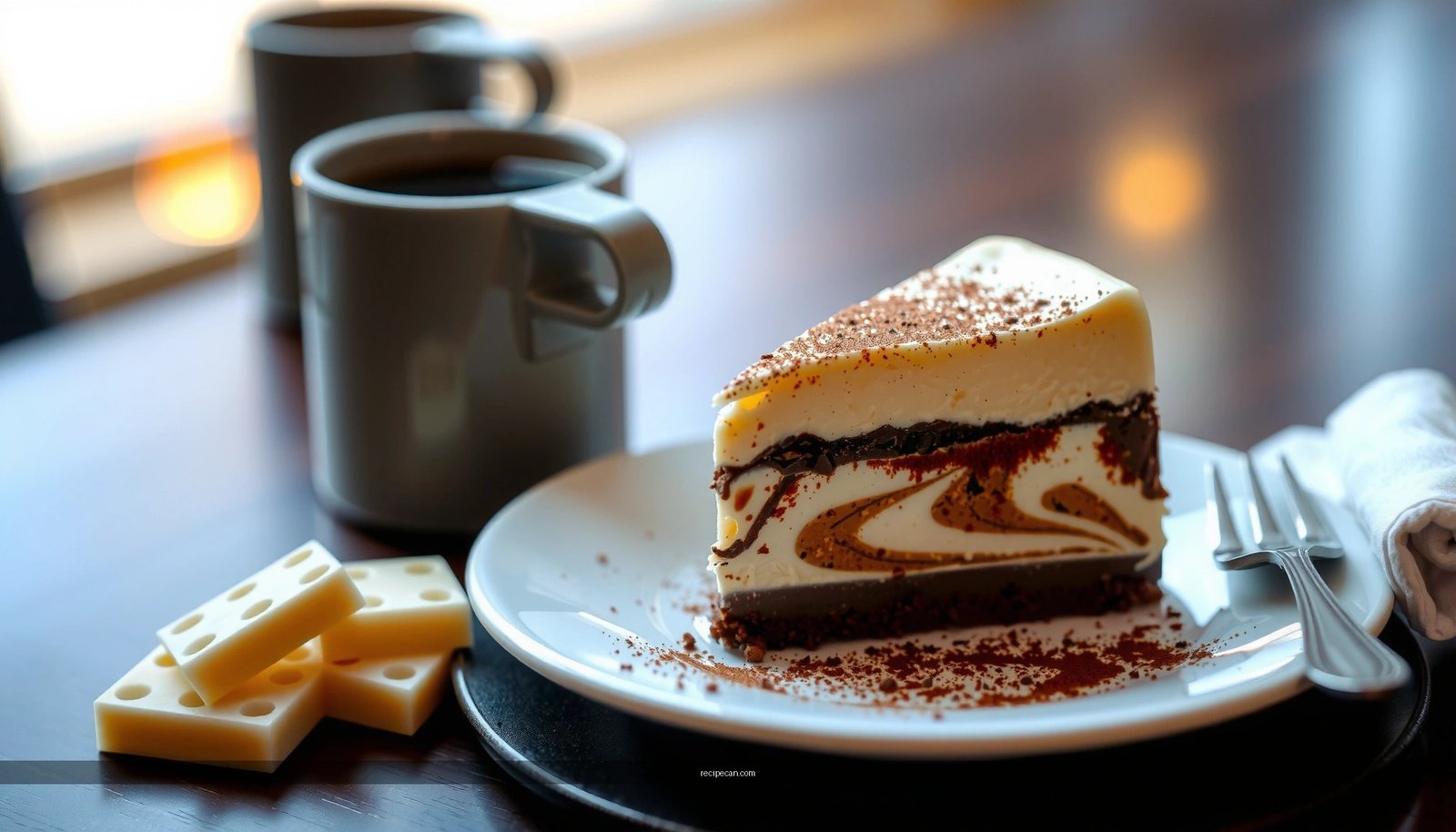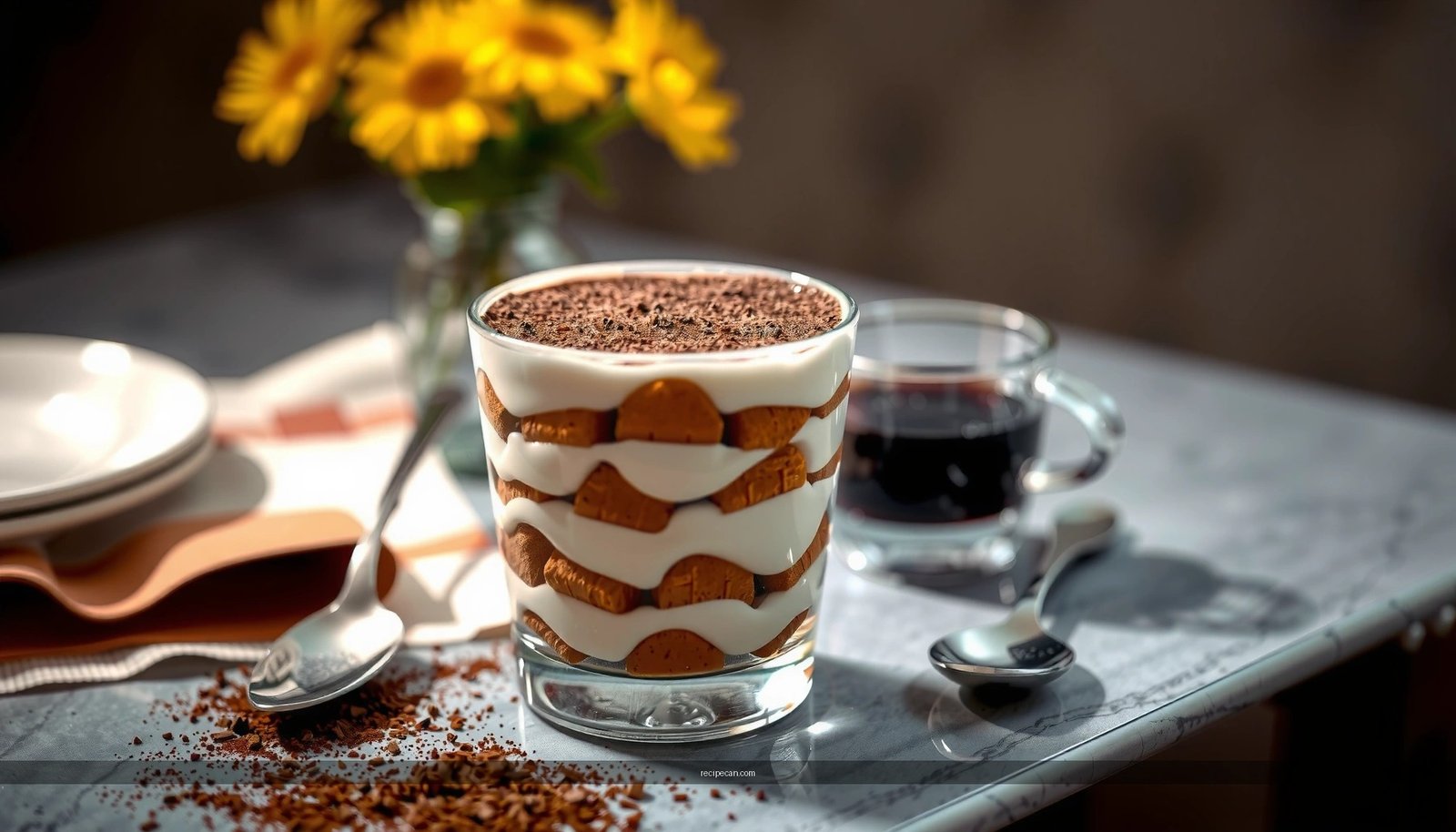
Get the Lady Fingers Recipe Tiramisu you can trust: a classic, foolproof method for layering espresso-soaked lady fingers and mascarpone into a dessert that sets cleanly and tastes like the best Italian version. This guide answers one question—how to make tiramisu with lady fingers that holds its shape, delivers the right coffee–cream balance, and hits the perfect texture every time. Follow these steps and you’ll get a reliable classic result, not a soggy middle or runny cream.
You can make classic tiramisu with lady fingers by briefly dipping them in espresso, then layering them with a properly whipped mascarpone-egg cream and chilling long enough to set. Follow the steps below—especially the “quick dip” and the refrigeration window—to keep the layers tender, sliceable, and balanced in coffee and cocoa.
Gather Ingredients for Lady Fingers Tiramisu

– Use mascarpone, eggs, sugar, espresso, and cocoa powder as the core base
– Have lady fingers on hand (store-bought or homemade) for the layered structure
A reliable lady fingers tiramisu starts with two fundamentals: (1) the right building blocks (mascarpone + stabilized egg mixture) and (2) components that behave predictably at cold temperatures (lady fingers + a concentrated espresso soak). When those are correct, your dessert will hold shape instead of turning into a coffee-flavored cream bowl.
Core ingredients and what they do
– Mascarpone: The signature creamy body. It should be cold from the fridge for easier mixing and less loosening.
– Eggs + sugar: Used to create a thick, silky cream base. The sugar dissolves to reduce graininess and helps stabilize the mixture.
– Espresso (or strong coffee): Provides the “coffee bite.” Use a concentrated brew so the flavor remains after the quick dip.
– Cocoa powder: Adds bitterness and aroma on top. Sift it right before serving to avoid moisture absorption.
Lady fingers: choose for structure
– Store-bought savoiardi (Italian lady fingers) are consistent in thickness, which makes “single-layer spacing” easier.
– If you make homemade, aim for a similar thickness so dipping time translates consistently across batches.
Optional upgrades (use sparingly)
– A small amount of vanilla in the cream or rum in the espresso can deepen flavor, but avoid over-sweetening. Tiramisu is meant to be balanced—coffee, cream, and cocoa should each be clearly present.
Benchmarks you can rely on (for setting and slicing)
Chill Time Benchmarks for Lady-Finger Tiramisu Texture
| # | Chill Time (Refrigerated) | Layer Set | Slice Cleanliness (0–10) | Recommended | Impact on Stability |
|---|---|---|---|---|---|
| 1 | 1 hour | Partial | 2.5 | No | Low |
| 2 | 2 hours | Partial | 4.0 | Not ideal | Moderate-low |
| 3 | 4 hours | Yes | 7.5 | Yes | Good |
| 4 | 6 hours | Well set | 8.5 | Yes | High |
| 5 | 8 hours | Very set | 9.0 | Yes | Very high |
| 6 | 12–16 hours | Optimal (often) | 9.2 | Yes | Peak |
| 7 | >24 hours | May soften | 7.0 | Use quickly | Lower stability |
Brew Espresso and Prep Your Dip
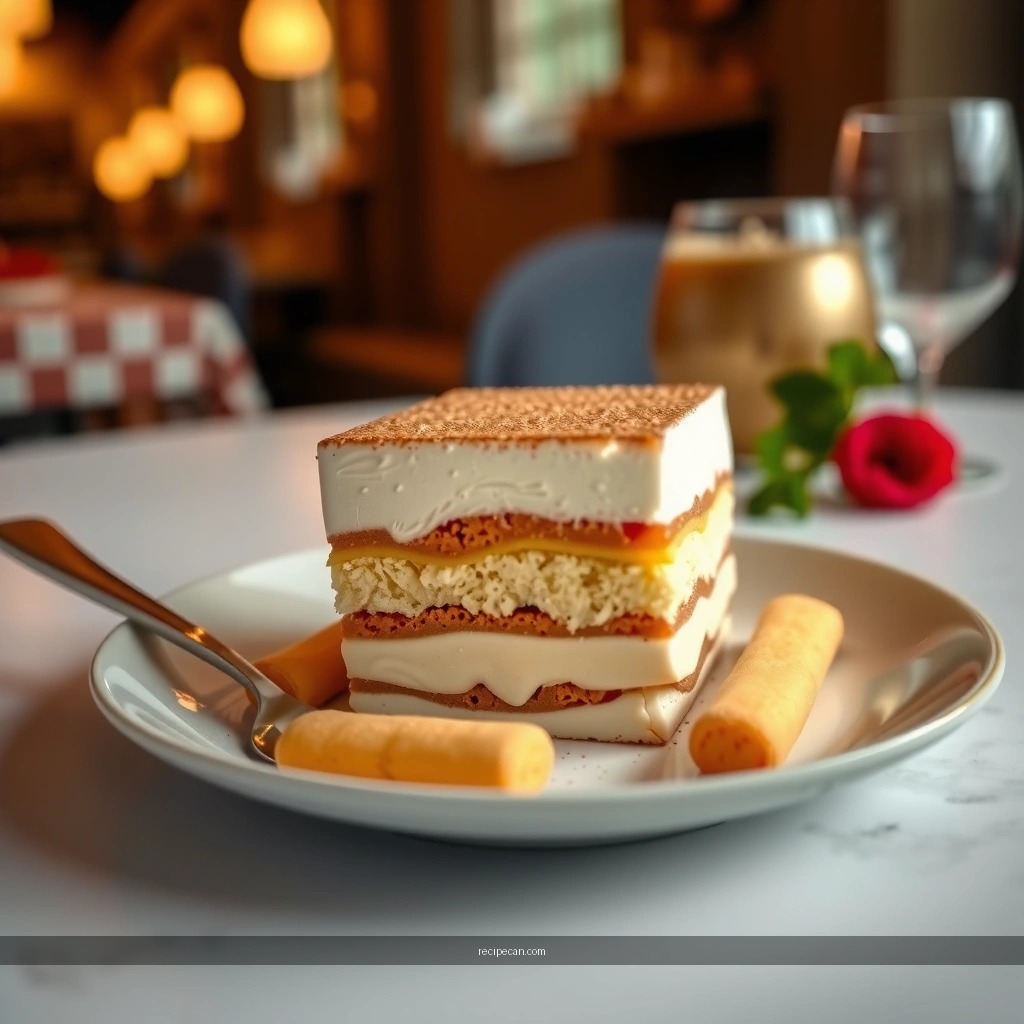
– Brew strong espresso (or coffee) and let it cool slightly
– Optionally add a splash of rum or vanilla for deeper flavor
The espresso stage is where most tiramisu quality is won or lost, because it controls strength and absorption. If the coffee is too weak, your dessert tastes sweet and creamy but underwhelming. If it’s too hot, lady fingers soften too quickly.
How to brew for maximum flavor retention
– Brew strong espresso or a similarly strong coffee (think: smaller, more concentrated extraction).
– Let it cool for a few minutes—cool enough that it won’t immediately steam or melt the lady fingers.
Flavor additions that work (and what to avoid)
– Rum: A small splash adds depth without turning it into a boozy dessert. Keep it subtle so the mascarpone and cocoa remain dominant.
– Vanilla: Adds aromatic warmth and can smooth out sharp coffee notes.
– Avoid heavy syrups or sweetened coffee concentrates unless you’re adjusting sugar elsewhere, because traditional tiramisu already tastes sweetened from the cream and lady fingers.
Operational tip for even dipping
– Pour the espresso into a shallow bowl. A wider surface means you can dip quickly and evenly—critical for tenderness without sogginess.
Mix the Mascarpone Cream

– Whip mascarpone until smooth, then fold in prepared egg mixture gently
– Aim for a thick, creamy texture that can hold layers without running
A thick mascarpone cream is the structural “glue” of lady fingers tiramisu. If your cream is thin, layers slide; if it’s too stiff, it won’t spread evenly. The target texture is spreadable and cohesive—it should level off in the pan without watery seepage.
A practical approach to the egg component
– Whisk eggs with sugar until the mixture lightens and becomes smoother.
– The goal is a cream that, when folded in, creates a stable texture rather than curdling.
– Fold gently: folding preserves air and prevents grainy texture.
Mascarpone handling
– Whip mascarpone just until smooth. Over-whipping can make the mixture look glossy but less stable for layering.
– Combine in stages: mascarpone first, then fold in the egg mixture slowly so the base stays thick.
What “correct thickness” looks like
– When you lift your spatula, the cream should hold a soft ribbon briefly before settling.
– It should spread across lady fingers without thinning to the edges.
Common failure modes
– Cream too runny: often from warm mascarpone, under-processed egg mixture, or aggressive mixing that breaks the emulsion.
– Cream curdled: typically caused by temperature issues. Keep egg mixture controlled and avoid overheating.
Dip Lady Fingers (Don’t Soak Too Long)
– Dip each lady finger quickly into espresso—just enough to moisten
– Arrange into a single layer before adding cream to prevent sogginess
This step is the heart of classic tiramisu technique. Lady fingers are porous; the espresso doesn’t need to penetrate deeply. The best texture comes from surface-moistening and rapid layering, not from bathing.
The “quick dip” standard
– Dip each side quickly—seconds, not immersion.
– Your goal is a tender bite with visible coffee-moistened areas, not collapse.
How to prevent sogginess
– Work in batches. Dip only what you can layer immediately.
– Keep the lady fingers in a single, even layer before topping with cream.
– If you notice pooling espresso at the bottom of your dish, you are soaking too long or dipping too many at once.
A timing workflow that prevents mistakes
1. Dip 6–8 lady fingers (depending on your pan size).
2. Lay them down promptly.
3. Add cream.
4. Repeat.
This cadence keeps the dessert balanced and ensures each layer is moistened consistently.
Layer and Assemble Your Tiramisu
– Repeat layers: moistened lady fingers, then mascarpone cream
– Finish with a dusting of cocoa powder for classic flavor and look
Assembly is where you control both flavor distribution and slice performance. The classic approach typically uses two or three layers, depending on the depth of your dish.
Layering principles
– Alternate: espresso-moistened lady fingers → mascarpone cream.
– Spread cream evenly to the edges so the top layer doesn’t compress unevenly.
– Avoid packing down. Light leveling helps layers stay distinct.
How much cocoa belongs where
– Traditional tiramisu typically gets cocoa on top right before serving.
– Cocoa added too early can absorb moisture and darken into a muddy layer.
Presentation and portioning
– For clean slicing, choose a dish you can refrigerate undisturbed. Rushing assembly or moving the pan constantly increases layer shifting.
Chill and Serve for Best Results
– Refrigerate at least 4 hours (overnight is even better) to set the dessert
– Serve cold and slice cleanly using a sharp knife
Chilling is not just “waiting”—it’s a technical step that lets flavors meld and the cream firm up enough to cut cleanly. Even if your dipping and layering were perfect, poor chilling will cause creamy collapse.
Recommended chilling window
– At minimum, refrigerate 4 hours so the mascarpone cream sets and the lady fingers soften to the intended tenderness.
– For best results, overnight chilling (or 8–16 hours) produces the cleanest slices and the most coherent coffee-cocoa balance.
Slicing like a pro
– Use a sharp knife with a consistent motion. Wipe the blade between cuts for neat portions.
– Serve straight from the fridge. If left warm, the cream softens and layers lose definition.
Food-quality guidance
– Cocoa topping should be fresh. Dust right before serving for a crisp aroma and ideal visual contrast.
– Store covered in the refrigerator. While tiramisu is best fresh after setting, keep an eye on texture if holding beyond a day, as the lady fingers can continue to soften.
Conclusion
Lady fingers recipe tiramisu succeeds when you treat two steps as non-negotiable: quick dipping (to moisten without collapsing) and proper chilling (to set for clean slicing). Build from a smooth mascarpone-egg cream, layer with consistency, finish with fresh cocoa, and then let refrigeration do its technical work—resulting in a tender, balanced, classic dessert every time.
Frequently Asked Questions
What are lady fingers and why are they used in tiramisu?
Lady fingers (also called savoiardi) are light, sponge-like cookies that soak up coffee and mascarpone without becoming heavy. In a lady fingers recipe tiramisu, their texture helps create distinct layers: a creamy center with a soft, coffee-flavored soak. They also hold up well in chilled tiramisu, so the dessert slices cleanly.
How do I soak lady fingers for tiramisu without making them soggy?
For a classic lady fingers tiramisu recipe, quickly dip each side of the lady fingers into espresso for about 1–2 seconds—just enough to wet, not saturate. Use a shallow bowl and work in small batches so the cookies don’t sit too long. If you prefer more control, you can spoon espresso over the top surface rather than dipping fully.
Why does my tiramisu with lady fingers taste bitter or watery, and how can I fix it?
Watery tiramisu usually happens when the espresso is too strong/too hot, or the lady fingers are oversoaked, causing excess liquid release. Bitter flavor can come from overly dark roast espresso or using coffee that’s not cooled before soaking. To fix it, use cooled espresso, dip briefly, and balance sweetness in the mascarpone mixture (or add a touch of sugar/vanilla to mellow bitterness).
What is the best mascarpone and egg mixture for a lady fingers tiramisu?
The best tiramisu filling uses mascarpone beaten until smooth, then combined with sweetened eggs (or an eggless option) for a stable, creamy texture. If you use eggs, whisk yolks with sugar until pale and glossy, then fold into mascarpone gently to avoid deflating. For a no-egg approach, use mascarpone with whipped cream for a rich, spoonable consistency that still layers well with lady fingers.
Which coffee should I use in a lady fingers tiramisu recipe for the right flavor?
Use a strong espresso or espresso-style coffee for a classic tiramisu taste, since it provides bold coffee flavor against the creamy mascarpone. For convenience, you can use brewed strong coffee or instant espresso, but keep it concentrated and let it cool before soaking. If you want a softer flavor, choose a medium roast and slightly sweeten the coffee mixture to complement the dessert.
References
- Tiramisu
https://en.wikipedia.org/wiki/Tiramisu - https://en.wikipedia.org/wiki/Ladyfinger_(biscuit
https://en.wikipedia.org/wiki/Ladyfinger_(biscuit - Ladyfingers (biscuits)
https://en.wikipedia.org/wiki/Savoiardi - Mascarpone
https://en.wikipedia.org/wiki/Mascarpone - Espresso
https://en.wikipedia.org/wiki/Espresso - Marsala
https://en.wikipedia.org/wiki/Marsala - https://www.britannica.com/food/tiramisu
https://www.britannica.com/food/tiramisu - Google Scholar Google Scholar
https://scholar.google.com/scholar?q=tiramisu+recipe - Google Scholar Google Scholar
https://scholar.google.com/scholar?q=ladyfingers+biscuit+recipe - Google Scholar Google Scholar
https://scholar.google.com/scholar?q=savoiardi+ladyfingers+tiramisu