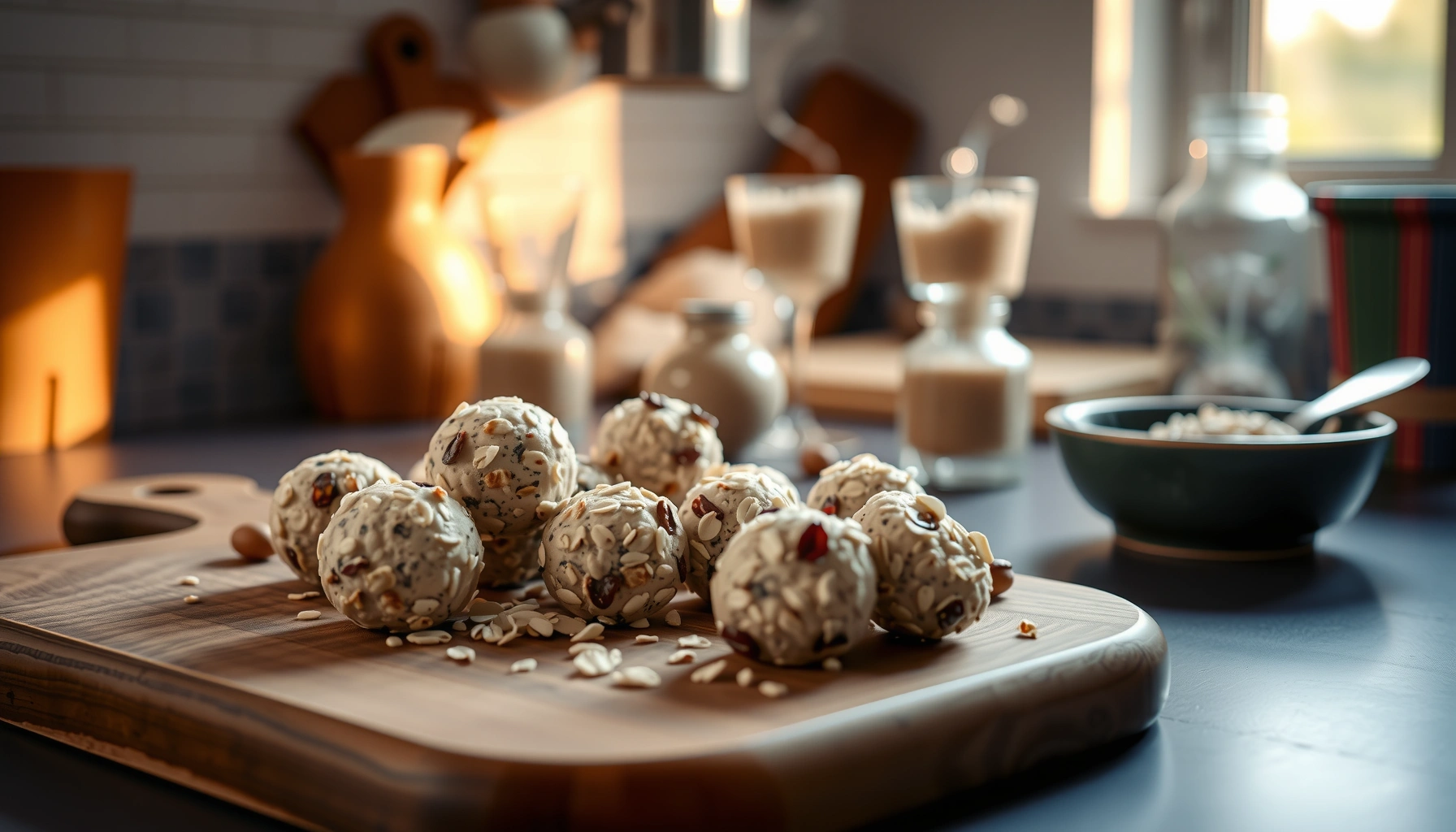
Get an easy lactation ball recipe that actually prioritizes milk-support nutrition, not guesswork. If you’re trying to boost your supply with bite-sized, no-fuss snacks, this winner delivers the exact mix of oats, brewer’s yeast, and other lactation-friendly ingredients in a recipe you can make fast. You’ll know what to include, how to portion, and how to keep the balls consistent from batch to batch.
Lactation balls are a quick, no-bake (or minimal-cook) snack you can prepare in about 15 minutes using oats, flax, nut butter, and a natural sweetener—then store for convenient breastfeeding support. While no food can guarantee milk production, these nutrient-dense bites can help you meet postpartum energy and micronutrient needs, making it easier to stay consistent with meals and hydration during lactation.
Lactation support is often about the basics: adequate calories, steady fluids, and a diet rich in fiber, healthy fats, and key micronutrients. Many nursing parents turn to lactation balls because they’re portionable, portable, and customizable—so you can tailor ingredients to your tolerance postpartum (and still keep your routine simple). Below is a practical base recipe plus the “why” behind each ingredient, thoughtful customization options, and storage guidance so your snack stays fresh and safe.
Common Lactation Ball Ingredients—What They Typically Contribute
| # | Ingredient | Typical Nutrient Emphasis | Best For (Practical Benefit) | Support Fit Rating |
|---|---|---|---|---|
| 1 | Rolled oats | Fiber + complex carbs | Steadier energy between feeds | ★★★★★ |
| 2 | Ground flaxseed | Omega-3 (ALA) + lignans | Adding nutrient density with fiber | ★★★★☆ |
| 3 | Nut or seed butter | Healthy fats + protein | Satiety and calorie support | ★★★★★ |
| 4 | Honey or maple syrup | Quick energy (small amount) | Improving binding and taste | ★★★☆☆ |
| 5 | Chia seeds (optional) | Fiber + omega-3 (ALA) | Thicker texture and added nutrition | ★★★★☆ |
| 6 | Brewer’s yeast (optional) | B vitamins (varies by brand) | Micronutrient “boost” for some people | ★★★☆☆ |
| 7 | Cinnamon + cocoa (optional) | Flavor + antioxidant compounds | Taste improvement without changing macros much | ★★☆☆☆ |
Simple Lactation Ball Recipe (Base Ingredients)

A reliable lactation ball recipe starts with a dependable “binding + nutrition” foundation: oats for texture and fiber, ground flax for added nutrients, nut butter for fat and protein, and honey or maple syrup to bring everything together.
Base ingredients (makes ~18–22 balls):
– 1 ½ cups rolled oats (or oat flour)
– ¼ cup ground flaxseed
– ¾ cup nut butter (peanut, almond, cashew—or choose sunflower seed butter)
– ¼ cup honey or maple syrup
– 1 tsp vanilla extract (optional but improves flavor)
– ¼ tsp salt (optional; helps balance sweetness)
– 2–4 tbsp warm water or milk (dairy or non-dairy) as needed for proper binding
Optional add-ins (choose 1–2):
– 1–2 tbsp brewer’s yeast (adds B-vitamin density; start with 1 tbsp if you’re sensitive)
– 1–2 tbsp chia seeds (thickens the mix; use an extra tbsp of liquid if needed)
– 1 tsp cinnamon (great for flavor and warmth)
– 2–3 tbsp unsweetened cocoa powder (for chocolate-style bites)
– 2 tbsp finely chopped nuts or shredded coconut for texture
Practical portion consistency:
If you want grab-and-go reliability, weigh or standardize scoops. For example, use a tablespoon measure and aim for uniform balls so sweetness and nutrition are similar each time—helpful if you’re tracking how they fit into your daily routine.
Step-by-Step Instructions
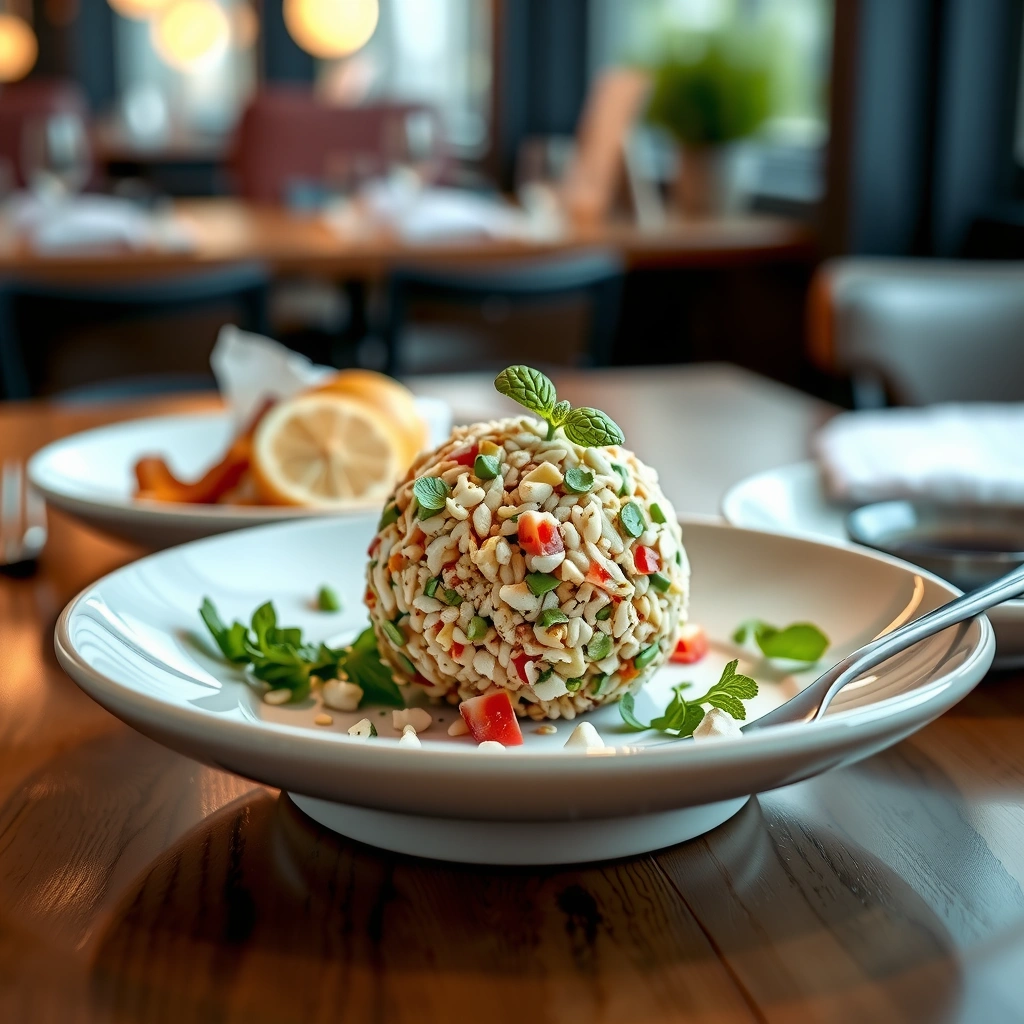
This recipe is designed for consistency: mix, bind, roll, chill, and store.
1. Mix dry ingredients first.
In a bowl, combine rolled oats and ground flaxseed. If using chia, cinnamon, or cocoa powder, mix them in now so the distribution is even.
2. Stir in nut butter and sweetener.
Add nut butter and honey/maple syrup (plus vanilla if using). Stir until the mixture becomes thick and cohesive.
3. Adjust texture to roll.
If the mixture feels too dry and won’t hold together, add warm water or milk one tablespoon at a time (2–4 tbsp total, as needed). If it feels too sticky, add a few tablespoons of oats.
4. Roll into bite-sized balls.
Scoop about 1 tbsp per ball and roll gently between your hands. Lightly wet your hands or use a spoon to prevent sticking.
5. Chill to set.
Refrigerate for at least 30–60 minutes. Chilling helps the flax absorb moisture and firms up the fat from nut butter for a cleaner bite.
6. Taste-test before the full batch (recommended).
If you can, taste the mix before rolling everything. Lactation ball recipes are forgiving—if you want more sweetness, add 1–2 tsp honey/maple syrup; if you want more “bite,” add another tablespoon of oats.
Why chilling matters (real-world science):
Flaxseed (and chia, if included) forms a thicker gel as it hydrates. That gel structure improves binding so the balls don’t crumble in your bag.
Best Ingredients for Lactation Support

While the term “lactation support” is widely used, it’s best to interpret it as nutrient and energy support for breastfeeding parents—not a guarantee that one ingredient will cause a milk supply increase.
That said, many commonly used ingredients show up for clear reasons:
– Oats: a fiber- and carb-rich base that supports steady energy. Postpartum fatigue is real; snacks that help prevent energy dips can make consistent breastfeeding easier.
– Ground flaxseed: provides plant omega-3 (ALA) plus fiber. Many people prefer ground flax because it’s easier to digest than whole seeds.
– Nut/seed butter: contributes healthy fats and some protein—important for satiety and calorie intake.
– Brewer’s yeast (optional): contains B vitamins and amino acids depending on the product. Start small, because yeast-based ingredients can cause bloating or sensitivity in some individuals.
– Chia seeds (optional): adds fiber and can improve the texture of lactation balls, helping them hold their shape.
Choose ingredients you tolerate well postpartum.
Digestive comfort matters because you’ll likely eat these frequently. If oats cause discomfort, consider oat flour or reducing flax slightly. If you’re sensitive to yeast, skip brewer’s yeast and focus on oats, flax, and nut butter as the primary support.
Customization & Flavor Variations
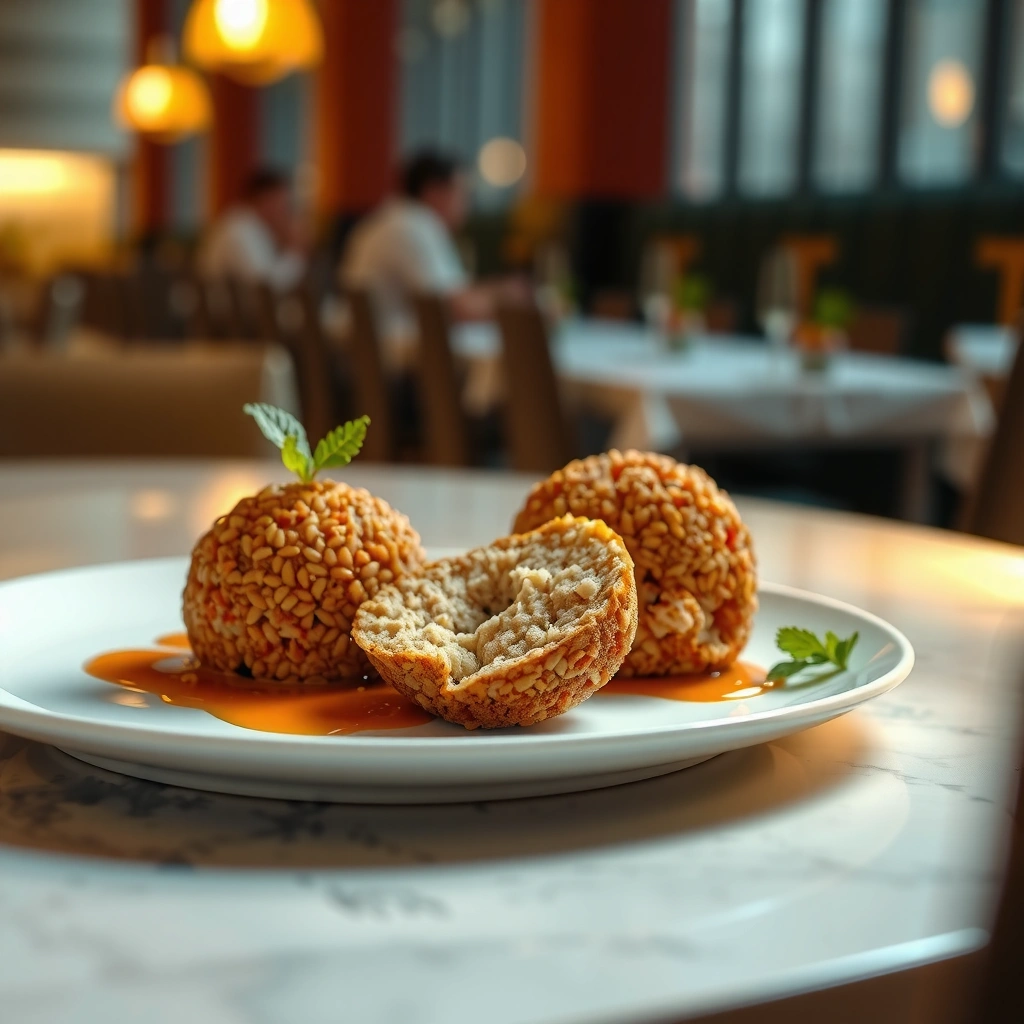
One of the strongest reasons lactation ball recipes work for busy routines is that you can tailor them to your preferences without changing the “core” structure.
Chocolate-style lactation balls
– Replace 2 tbsp of oats with 2 tbsp unsweetened cocoa powder (or add cocoa to taste)
– Add ½ tsp vanilla and a pinch of salt to prevent the mix from tasting flat
– Optional: add 1 tbsp mini chocolate chips (if tolerated) for a more dessert-like experience
Peanut butter and honey (classic)
– Use peanut butter as the nut butter base
– Keep honey at ¼ cup for a balanced sweetness
– Add 1 tbsp chopped peanuts or roasted peanuts for crunch (optional)
Nut-free or allergy-aware substitutions
– Swap nut butter for sunflower seed butter for a similar creamy binding effect
– Use dairy-free milk (or non-dairy) if you’re avoiding lactose, and ensure any add-ins align with your allergy profile
Texture boosters
– Shredded coconut (2–3 tbsp) for a chewy, tropical bite
– Dried fruit (1–3 tbsp, chopped finely) for sweetness and chew—add a splash more liquid if the mix becomes too dry
– Chopped nuts for crunch—mix in last so they’re evenly distributed
Consistency rule:
Whenever you add something dry (extra coconut, dried fruit, additional chia), balance it with a small amount of liquid so the balls roll cleanly.
Safety Tips, Allergies, and Storage
Lactation balls are simple, but safe preparation and sensible storage are essential—especially when you’re eating while caring for a newborn.
Allergies and substitutions
– Nuts: use sunflower seed butter or another seed-based option if needed
– Seeds: flax and chia are seeds—confirm you’re comfortable with them
– Dairy: if using milk, substitute with lactose-free or non-dairy if required
– Yeast: brewer’s yeast can affect some people—skip it if you experience GI discomfort
If you have a known allergy, read labels on packaged products (oats can sometimes contain cross-contact allergens depending on the brand).
Refrigeration and freshness
– Refrigerate in an airtight container.
– Best practice timeframe: consume within 5–7 days for peak taste and freshness.
– For longer storage, freeze balls in a freezer-safe bag or container for up to 2 months. Thaw overnight in the refrigerator or let sit at room temperature for 10–15 minutes.
Discard guidance
– If balls smell “off,” taste unusually bitter beyond the normal cocoa/flax profile, or show signs of mold, discard immediately.
– Texture changes can happen after freezing, but quality should remain—especially if stored airtight.
How to Eat Lactation Balls (Quantity & Timing)
A common mistake with lactation snacks is assuming you need large portions to “work.” In practice, consistency and fit into your day are what matter most.
– Start small: try 1–2 balls per day for the first few days.
– Adjust based on comfort and hunger: postpartum appetite varies widely; increase gradually if you’re still hungry or if you need an easy calorie boost between meals.
– Pair strategically: have them with a glass of water or a balanced snack so you stay hydrated. Hydration supports overall wellness, and a snack paired with fluids helps you feel better faster.
– Best moments for convenience:
– Pre-feeding treat: an energy boost that may help you feel more steady during feeding sessions
– Post-feeding snack: when you need something quick and satisfying
If you’re actively working with a lactation consultant:
Use lactation balls as “supportive nutrition” alongside personalized guidance for latch, milk transfer, and breastfeeding frequency—because those factors typically drive supply outcomes more directly than any single food.
Lactation balls are a simple, customizable snack you can prepare quickly to support your breastfeeding routine. Use the base recipe (oats, flax, nut butter, and honey/maple syrup), choose add-ins that match your tolerance, and follow storage practices so you always have grab-and-go nutrition ready. With consistent portions, mindful ingredient selection, and easy planning, these bites can make your postpartum days a little more manageable—one feeding session at a time.
References
- Google Scholar Google Scholar
https://scholar.google.com/scholar?q=lactation+ball+recipe - Google Scholar Google Scholar
https://scholar.google.com/scholar?q=galactagogue+oats+breastfeeding+study - Google Scholar Google Scholar
https://scholar.google.com/scholar?q=brewer%27s+yeast+lactation+breastfeeding - Galactagogue
https://en.wikipedia.org/wiki/Galactagogue - About Breastfeeding | Breastfeeding | CDC
https://www.cdc.gov/breastfeeding/index.htm - Breastfeeding
https://www.who.int/health-topics/breastfeeding - Breastfeeding | Office on Women’s Health
https://www.womenshealth.gov/breastfeeding - https://www.mayoclinic.org/healthy-lifestyle/infant-and-toddler-health/baby-and-toddler-health/in-depth/breastfeeding/art-20044336
https://www.mayoclinic.org/healthy-lifestyle/infant-and-toddler-health/baby-and-toddler-health/in-depth/breastfeeding/art-20044336 - Breastfeeding | Benefits of Breastfeeding | MedlinePlus
https://medlineplus.gov/breastfeeding.html - https://pubmed.ncbi.nlm.nih.gov/?term=galactagogue+breastfeeding
https://pubmed.ncbi.nlm.nih.gov/?term=galactagogue+breastfeeding