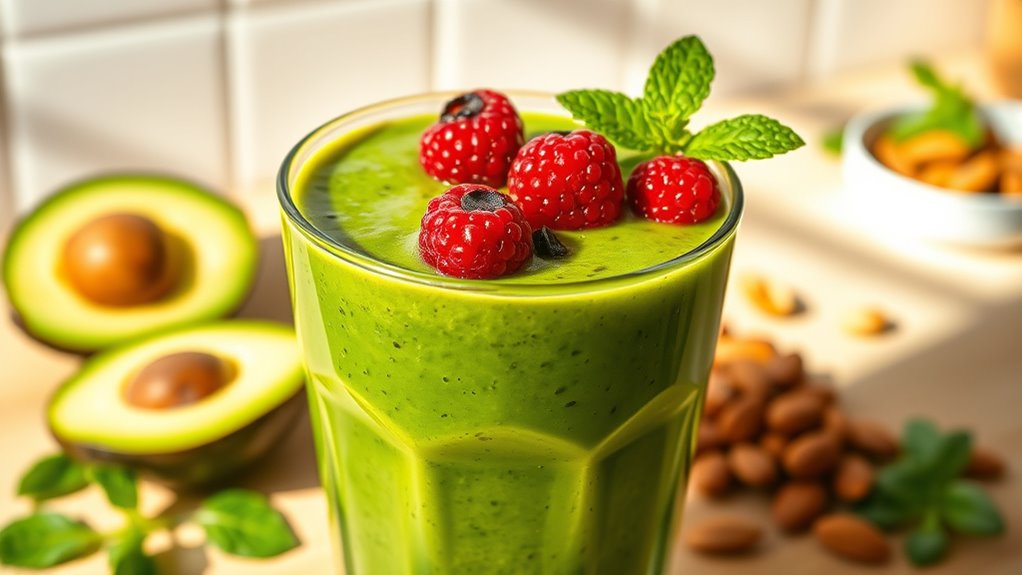
You can enjoy keto smoothie recipes by focusing on low-carb fruits like berries, healthy fats such as avocado or coconut oil, and moderate protein from sources like protein powder. Use unsweetened almond milk as your base, and add leafy greens for fiber. Blend everything until smooth and serve immediately with keto-friendly toppings like chia seeds. By choosing quality, unprocessed ingredients and measuring portions carefully, you’ll maintain ketosis while savoring your smoothie. Keep exploring to discover preparation and serving tips that enhance flavor and nutrition.
Ingredients and Quantity
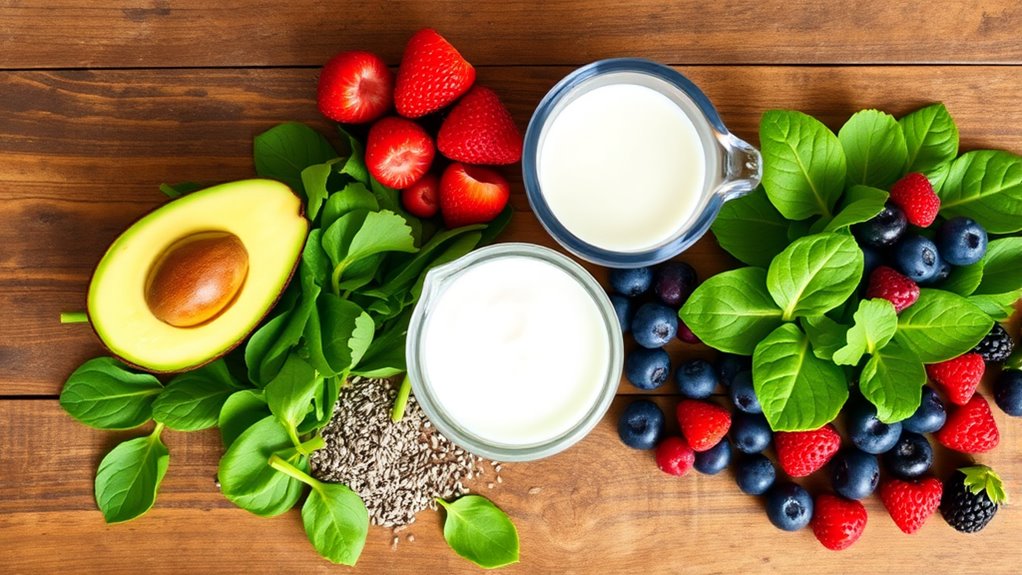
When preparing keto smoothies, you’ll typically need a handful of key ingredients that balance low carbs with healthy fats and moderate protein. Choosing keto friendly fruits like berries and low carb vegetables such as spinach helps keep the carb count minimal. Incorporating sources of fat, like avocado or coconut oil, supports ketosis without sacrificing flavor.
| Ingredient | Quantity | Role |
|---|---|---|
| Berries (e.g., blueberries) | ½ cup | Keto friendly fruits |
| Spinach | 1 cup | Low carb vegetables |
| Avocado | ¼ medium | Healthy fat |
| Unsweetened almond milk | 1 cup | Liquid base |
| Protein powder | 1 scoop | Moderate protein |
This balance empowers you to enjoy nutrient-rich smoothies while maintaining your keto goals.
Preparations
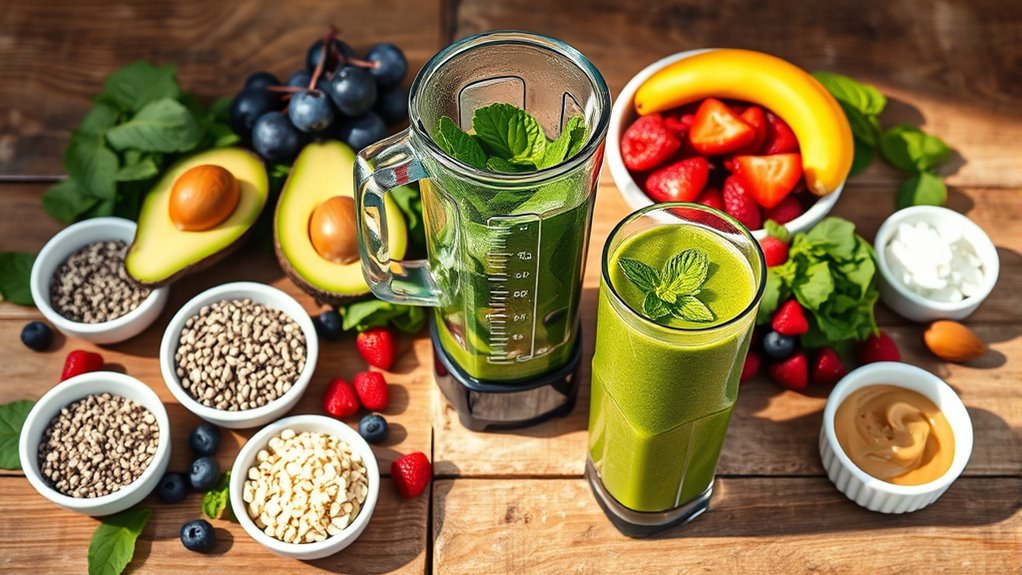
Before blending your keto smoothie, you’ll want to prepare each ingredient properly to maximize flavor and texture. Washing and chopping fresh produce guarantees a smooth blend, while measuring fats like avocado or coconut oil precisely helps maintain ketosis. Freezing berries or greens can add a invigorating chill without diluting nutrients. Understanding smoothie variations allows you to experiment confidently; for example, swapping spinach for kale or almond milk for coconut milk are simple ingredient substitutions that keep your smoothie keto-friendly. Proper preparation also minimizes grit or lumps, improving your drinking experience. By prepping thoughtfully, you give yourself the freedom to customize recipes without compromising quality, assuring each smoothie supports your low-carb lifestyle efficiently and deliciously.
How to Prepare
- Start by selecting ingredients that balance flavor and macronutrients to fit your low-carb goals.
- Choose healthy fats like avocado or coconut oil.
- Include moderate protein sources such as Greek yogurt or collagen peptides.
- Add low-carb vegetables or berries for fiber and micronutrients.
- Experiment with smoothie variations by mixing different fats and proteins to find what satisfies you best.
- Pay attention to flavor combinations—pair tart berries with creamy nuts or rich cocoa powder to enhance taste without adding carbs.
- Use unsweetened almond or coconut milk as your liquid base to keep carbs minimal.
- Blend ingredients until smooth, adjusting thickness with water or ice as needed.
- Focus on these principles to create keto smoothies that support your goals while allowing you to enjoy diverse flavors and textures.
How to Serve
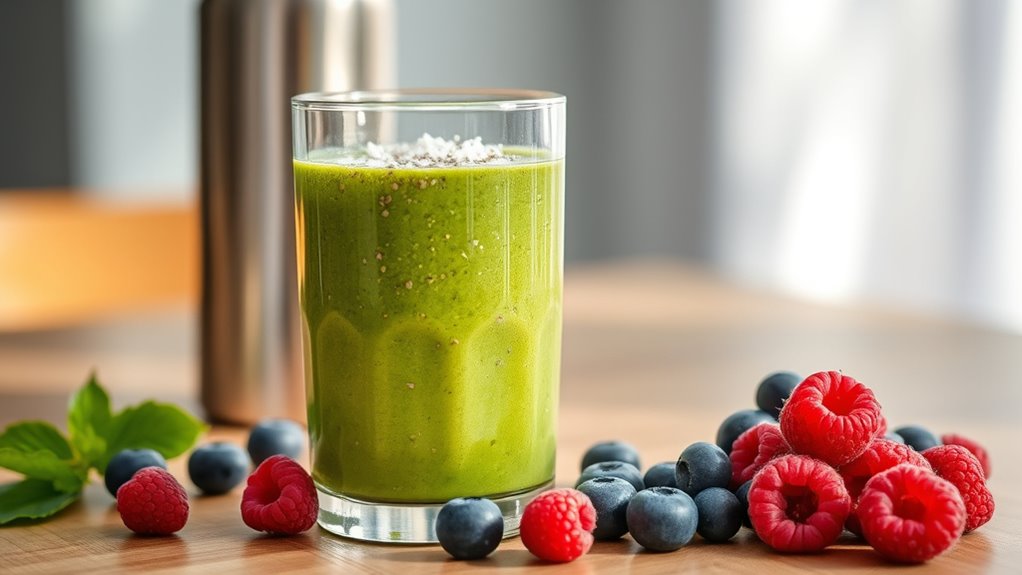
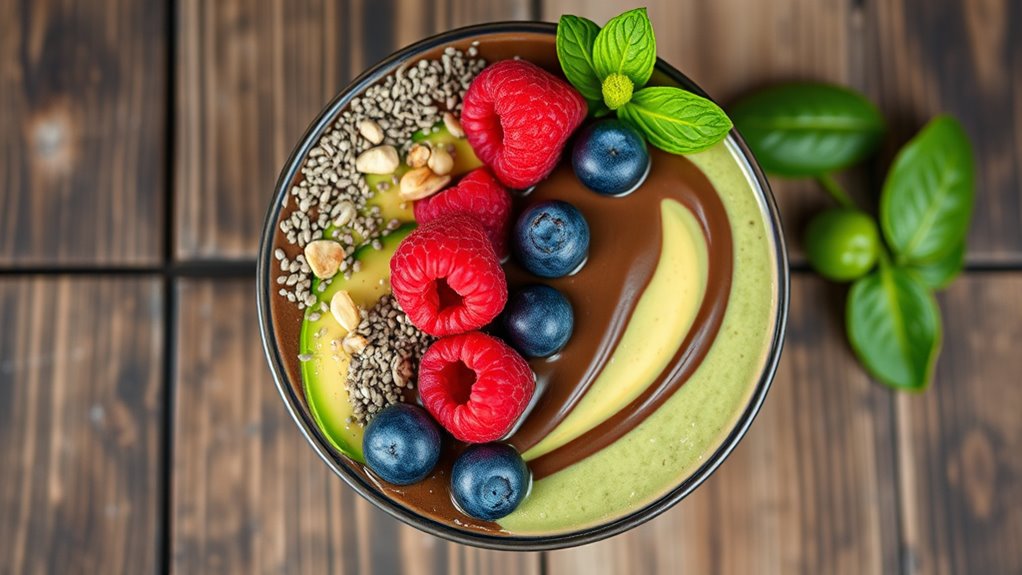
Once you’ve crafted a well-balanced keto smoothie, how you serve it can impact both its enjoyment and nutritional benefits. To maximize freshness and nutrient retention, serve your smoothie immediately after blending. For appealing presentation techniques, consider using clear glassware to showcase the vibrant colors and textures, which can enhance your anticipation and satisfaction. Serving suggestions include garnishing with keto-friendly toppings like chia seeds, unsweetened shredded coconut, or a few fresh berries, adding subtle texture without compromising macros. If you’re on the go, a well-sealed insulated bottle preserves temperature and flavor, supporting convenience without sacrificing quality. By thoughtfully combining serving suggestions and presentation techniques, you create a more enjoyable experience that aligns with your keto lifestyle and desire for freedom in food choices.
Tips
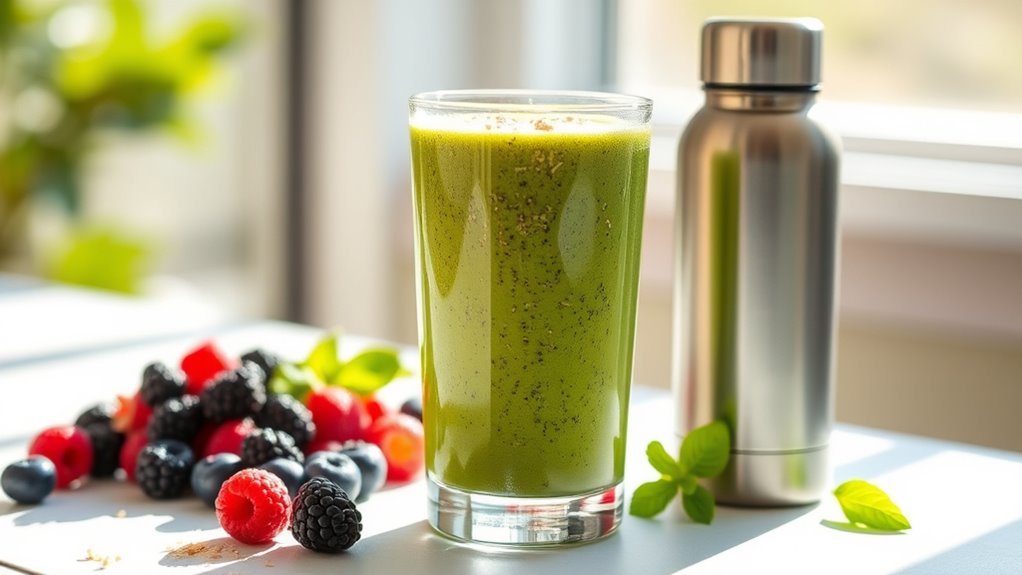
Several key tips can help you perfect your keto smoothie experience, ensuring it’s both delicious and aligned with your dietary goals. First, choose keto friendly sweeteners like stevia or erythritol to maintain low carb content without sacrificing taste. Next, balance your smoothie by adding nutrient rich toppings such as chia seeds, flaxseeds, or unsweetened shredded coconut. These not only enhance texture but provide essential fats and fiber. Also, prioritize whole, unprocessed ingredients to preserve nutrient density and support ketosis. Don’t hesitate to experiment with different low-carb vegetables and healthy fats like avocado or MCT oil to boost satiety. Finally, measure your portions mindfully to keep macros on track, giving you freedom to enjoy your smoothies without compromising your ketogenic lifestyle.
Food Value and Benefit
The prepared keto smoothie is a nutrient-dense dish offering a balanced combination of healthy fats, moderate protein, and minimal carbohydrates. It provides essential vitamins and minerals that contribute to overall wellness and support a ketogenic lifestyle.
Benefits of eating this keto smoothie include:
- Sustained energy and prolonged satiety due to its high content of healthy fats.
- Support for ketosis and stable blood sugar levels through low carbohydrate content.
- Improved digestion and gut health from the fiber-rich greens and seeds.
- Enhanced immune function thanks to antioxidants found in berries and nuts.
- Mental clarity and focus supported by nutrient-rich ingredients.
Vitamins and minerals present in this recipe include:
- Vitamin A and Vitamin C from leafy greens and berries, promoting immune health and skin vitality.
- Vitamin E from nuts, providing antioxidant protection.
- Magnesium from seeds and nuts, supporting muscle and nerve function.
- Potassium from greens and berries, aiding in electrolyte balance.
- Iron from leafy greens, essential for oxygen transport in the blood.
Enjoying this keto smoothie delivers both delicious flavor and meaningful nutritional benefits with every serving.
What are some easy keto smoothie recipes?
There are many delicious and easy keto smoothie recipes you can try. One popular option is the Avocado Keto Smoothie, which includes avocado, unsweetened almond milk, spinach, and a few drops of stevia for sweetness. Another favorite is the Berry Keto Smoothie, made with mixed berries, coconut milk, and chia seeds. Both smoothies are low in carbs and high in healthy fats, making them perfect for a ketogenic diet.
Are smoothies keto-friendly?
Yes, smoothies can be keto-friendly if they are made with low-carb ingredients. To keep your smoothie within keto guidelines, focus on using ingredients like leafy greens, low-sugar fruits (like berries), healthy fats (such as avocado or coconut oil), and unsweetened plant-based milk. Avoid high-sugar fruits like bananas or mangoes, as they can significantly increase the carbohydrate content.
Can I substitute ingredients in keto smoothie recipes?
Absolutely! One of the great things about smoothies is their versatility. You can substitute ingredients based on your taste preferences or dietary needs. For example, if a recipe calls for spinach, you can use kale instead. If you prefer a different type of nut butter, like almond butter instead of peanut butter, feel free to make that change. Just be sure to keep an eye on the carb content of any substitutions you make to stay within your keto goals.
What are some tips for making a keto smoothie?
To make a delicious keto smoothie, start with a base of low-carb liquids like unsweetened almond milk, coconut milk, or water. Add healthy fats such as avocado, nut butters, or coconut oil to increase creaminess and satiety. Incorporate low-sugar fruits like berries and a handful of leafy greens for added nutrition. Use ice for a refreshing texture and sweeteners like stevia or erythritol if you desire extra sweetness. Lastly, blend until smooth for a perfect consistency.
How can I make my keto smoothie more filling?
To make your keto smoothie more filling, focus on adding high-fiber and high-fat ingredients. Consider including ingredients like chia seeds, flaxseeds, or hemp seeds, which can boost fiber content and provide healthy fats. Protein powders, such as whey or plant-based protein, can also enhance satiety. Additionally, using full-fat dairy or nut milks and incorporating avocado can help create a more satisfying smoothie that keeps you full longer.
References
- https://www.health.harvard.edu/staying-healthy/the-ketogenic-diet
- https://www.ncbi.nlm.nih.gov/pmc/articles/PMC6520643/
- https://www.webmd.com/diet/what-is-the-keto-diet
- https://www.mayoclinic.org/healthy-lifestyle/nutrition-and-healthy-eating/expert-answers/keto-diet/faq-20449634
- https://www.cdc.gov/healthyweight/healthy_eating/what_is_a_healthy_diet.html
- https://www.jamanetwork.com/journals/jama/fullarticle/2773278
- https://www.eatright.org/health/wellness/healthy-eating/the-ketogenic-diet-explained
- https://www.frontiersin.org/articles/10.3389/fnut.2020.00020/full
