
Ketchup glazed Traeger meatloaf bakes on the Traeger until the edges are set, then finishes under a glossy ketchup-brown sugar glaze for a sweet, smoky bite. This recipe keeps classic meatloaf tender with soaked crumbs and binds with egg, while the pellet-smoke adds depth without complicated steps. Follow the simple mix, shape, and cook-to-doneness timing, and you will get a slice that holds together and tastes like it came from a backyard smoker.


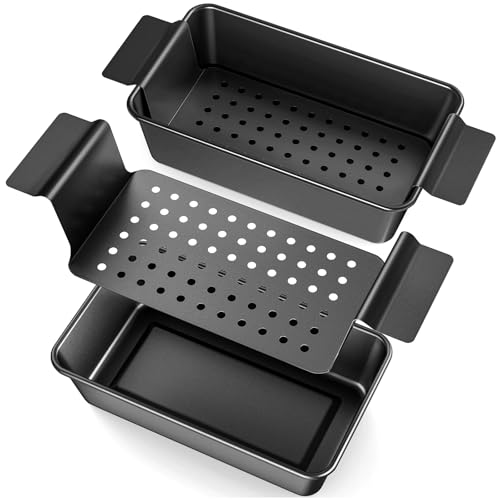

Smoky Traeger meatloaf turns out best when you apply the ketchup glaze only during the last part of the cook—so it gets sticky and caramelized instead of burning. Smoke the loaf until it’s nearly done, then add a thick, glossy ketchup glaze until the center reaches safe doneness. The result is a tender, smoky slice with a sweet, lacquer-like top you’ll want to spoon over every forkful.
Smoked ketchup-glazed meatloaf is one of those “comfort classics” that still feels special—especially when your grill is already running. This approach works great for weeknight dinners, but it’s also reliable for guests because you can prep the loaf ahead and finish with the glaze at the end. As of 2026, pellet grilling remains popular because it’s hands-off, yet still delivers real smoke flavor without the babysitting that traditional offset smokers require.
Recipe Overview

This ketchup-glazed Traeger meatloaf is a classic American comfort dish upgraded with pellet-smoked flavor and a glossy sweet finish. It’s surprisingly simple to assemble, but the timing is what makes it great: smoke first for tenderness, then glaze late so the sugar caramelizes instead of scorching. From a practical standpoint, that “late glaze” technique is the difference between a shiny crust and a bitter, dried top. Plan on about 6 servings, and expect a difficulty level that’s easy-to-moderate—most cooks get it right on the first try.
Time Required
– 🕐 Prep Time: ~15 minutes (mixing and shaping)
– 🍳 Cook Time: ~1 hour 45 minutes (smoking through)
– ⏱ Total Time: ~2 hours (plus a 10-minute rest for clean slices)
Note: There’s no long chill required for this version, but you’ll get cleaner slicing if you respect that 10-minute rest at the end.
Ingredients
This recipe works because it balances lean ground beef for flavor, a proper binder (egg + breadcrumbs) for sliceable texture, and a ketchup glaze that’s thick enough to cling. For the best glaze, choose ketchup you genuinely like—because it’s the star. As of 2026, many “sweet-and-smoky” pellet recipes follow the same logic: finish high-sugar toppings later in the cook to preserve both flavor and texture.
Main Ingredients
– 2 lb ground beef (80/20 is a solid choice)
– 1 cup breadcrumbs (plain)
– 1/2 cup diced onion
– 2 cloves garlic, minced
– 1 large egg
– 1/4 cup ketchup (for the loaf itself)
– 2 tbsp Worcestershire sauce
– 2 tsp smoked paprika (optional but great for Traeger vibes)
– 1 tsp salt (adjust to taste)
– 1/2 tsp black pepper
For the Ketchup Glaze
– 1 cup ketchup
– 1/3 cup brown sugar (or packed dark sugar)
– 2 tbsp apple cider vinegar (or distilled white vinegar)
– 1 tsp Dijon mustard (optional, adds tang)
– 1/2 tsp garlic powder (or 1/2 tsp onion powder)
– Pinch of chili flakes (optional)
Optional Garnish
– Chopped parsley (small sprinkle for color)
– Extra ketchup drizzle (if you like it saucy)
Step-by-Step Instructions
You’ll smoke the meatloaf first, then glaze it at the end for maximum stickiness and caramelized flavor. The most dependable “feel” checks are firm edges, a smoky aroma throughout, and—most importantly—a safe internal temperature at the center.
Preparation
1. Mix the meatloaf base. In a large bowl, combine ground beef, breadcrumbs, onion, garlic, egg, 1/4 cup ketchup, Worcestershire, smoked paprika (if using), salt, and black pepper. Mix just until it comes together—overmixing makes meatloaf tough.
2. Shape the loaf tightly. Form the mixture into a loaf on a lined baking sheet or in a foil-lined pan that fits your Traeger. A tighter shape cooks more evenly and holds together better when sliced.
3. Stir the glaze. In a bowl, mix ketchup, brown sugar, vinegar, Dijon (if using), garlic powder (or onion powder), and chili flakes until smooth. Let it sit while the grill preheats—this helps the sugar dissolve.
Cooking (Traeger)
4. Preheat and smoke. Set your Traeger to 350°F (175°C). Place the meatloaf on the grill and smoke until it’s nearly done—look for a lightly browned top and edges that look set.
5. Start glazing late. After about ~1 hour 15 minutes (or when the loaf is starting to brown on top), spread the ketchup glaze generously over the surface. Apply it thickly; thin glaze tends to run off before it caramelizes.
6. Finish glazed. Continue cooking another ~25–35 minutes, glazing as needed, until the loaf is set and the glaze looks glossy (not dried out or scorched).
Finishing
7. Rest before slicing. Let the meatloaf rest 10 minutes. This step is the one most people rush, but it makes a big difference for juicy texture and clean slices—especially with a glaze that firms up slightly as it cools.
Heat & Temperature Guide
This recipe is built around a pellet-grill sweet spot: 350°F (175°C) gives steady smoke flavor without drying the loaf. You’re aiming for food-safe doneness first, then using the late glazing window to get that caramelized “sticky” crust.
Cooking Method
Pellet grilling (“smoking” at a cooking temperature) works well for meatloaf because it heats evenly while adding wood flavor. The key technique is timing: sugar-forward glaze caramelizes quickly, so you finish it near the end.
Temperature & Timing
– Cook at 350°F / 175°C throughout.
– Target internal doneness: 160–165°F (71–74°C) in the thickest center.
– Glaze only during the last 30–45 minutes so the sugar caramelizes instead of burning.
How to Know It’s Done
Use the thermometer whenever possible. The center should be fully cooked (no pink in the middle) and the glaze should look thick and set—almost like a lacquer. When you gently lift the loaf, it should hold its shape rather than feel mushy in the center.
USDA Safe Minimum Temps for Common Ground Proteins (for Meatloaf Doneness)
| # | Ground Protein | Safe Min Temp (°F) | Safe Min Temp (°C) | Ease vs 160°F Beef Sliceability |
|---|---|---|---|---|
| 1 | Ground Beef | 160 | 71 | ★★★★★ |
| 2 | Ground Pork | 160 | 71 | ★★★★★ |
| 3 | Ground Lamb | 160 | 71 | ★★★★★ |
| 4 | Ground Veal | 160 | 71 | ★★★★★ |
| 5 | Ground Bison | 160 | 71 | ★★★★☆ |
| 6 | Ground Chicken | 165 | 74 | ★★★☆☆ |
| 7 | Ground Turkey | 165 | 74 | ★★★☆☆ |
What Can Go Wrong & How to Fix It
Most failures with ketchup-glazed meatloaf come down to timing—either the glaze goes on too early or the loaf is pulled at the wrong temperature. The good news is that these issues are easy to prevent once you know the signals to watch for.
Glaze tastes burnt or bitter
Sugar can scorch if it spends too long over direct heat or too-early in the cook. Fix it by glazing only during the last 30–45 minutes and applying a thick coat rather than lots of thin layers.
Meatloaf is dry
Dry meatloaf usually means it cooked too long or you pulled it past the ideal range. Pull the loaf at 160–165°F (71–74°C), then rest for 10 minutes—carryover heat finishes the center gently.
Meatloaf falls apart when sliced
This usually comes from binder/texture problems or aggressive mixing. Use the egg + breadcrumbs as directed, mix just until combined, and rest before slicing so the juices redistribute.
Glaze doesn’t “stick” or looks runny
If it’s applied too early, it can melt away before it thickens. Make sure the loaf is already set on top when you glaze, then spread the glaze generously.
Food safety hiccup (important)
Ground beef needs safe doneness in the thickest part. According to USDA Food Safety and Inspection Service (FSIS), ground beef should reach 160°F (71°C) as a safe minimum internal temperature (USDA FSIS). According to USDA FSIS, poultry (like ground turkey and chicken) should reach 165°F (74°C) as a safe minimum (USDA FSIS). And if you’re thinking about leftovers, according to USDA FSIS guidance, refrigerate cooked food within 2 hours (or within 1 hour if it’s above 90°F / 32°C) to reduce foodborne risk (USDA FSIS).
Common Mistakes & How to Fix Them
If you want the best “sticky glaze” result, avoid these common pitfalls—then you’re basically guaranteed a great slice.
Glazing too early
When ketchup glaze goes on from the start, the sugar has time to darken and burn. If you notice heavy browning before doneness, scrape off as much as you can (carefully) and re-apply fresh glaze later in the cook. Next time, wait until the top is already browned and the loaf is close to done.
Overmixing the meatloaf
Overmixing develops a tighter texture that can feel bouncy or dry. Stop mixing as soon as the ingredients look evenly distributed—no dry pockets, no streaks, just combined. Resting afterward helps, but prevention is the real fix.
Skipping the thermometer
Time alone can’t account for loaf thickness and grill airflow. For safe results, cook to temperature: 160–165°F (71–74°C) for ground beef. In my kitchen routine, I treat the thermometer as non-negotiable because it removes guesswork when grilling at steady 350°F (175°C).
Cutting immediately after cooking
If you slice right away, the juices run and the glaze can smear. Rest for 10 minutes—it’s not a “nice-to-have,” it’s what makes the loaf slice cleanly and stay moist.
How to Serve
This meatloaf is best served sliced and slightly sauced, so each portion gets that sweet smoky crust. Add a drizzle of extra ketchup glaze on top right before serving if you want the saucy, shiny look.
Plating & Presentation
Slice after resting, then drizzle a small amount of extra glaze over each slice. If you want it restaurant-pretty, add a light parsley sprinkle for color contrast and serve on a platter with a spoon for extra glaze.
What Goes Well With It
– Mashed potatoes (classic pairing for the tender center)
– Mac and cheese (the smoky flavor loves creamy richness)
– Roasted green beans or a simple salad (to balance sweetness)
– Crispy fries (a fun, casual pairing that works surprisingly well)
Serving Temperature
Serve warm—hot enough that the glaze is glossy and the center stays juicy. If it cools too long, re-warm gently rather than blasting it with high heat.
Storage & Reheating
Refrigerate leftovers in a sealed container for up to 3–4 days. Reheat in an oven at 325°F (163°C) until warmed through (aim for 165°F / 74°C in the center if you’re reheating for safety). Microwaving works, but it can soften the glaze crust.
A ketchup glazed Traeger meatloaf is one of those recipes where timing matters more than fancy steps: smoke first, glaze late, and rest before slicing. If you love a sweeter topping, you’re in the right place—just remember the glaze can get cloying if you overdo the sugar. If you’re sensitive to sweet sauces, cut the brown sugar from 1/3 cup to 1/4 cup and add an extra 1 tbsp vinegar for balance.
Late-Glaze vs Early-Glaze (Quick Decision Guide)
If you’re trying to choose the technique, this comparison is the reason the last-step glaze works so well.
| Feature | Late Glaze (last 30–45 min) | Early Glaze (glaze from start) |
|---|---|---|
| Glaze texture | Thick, sticky, lacquer-like | Thin, runny, or dried out |
| Risk of burning | Lower (less time over heat) | Higher (sugar can scorch) |
| Color | Deep glossy brown | Darkened edges, uneven crust |
| Smoke flavor penetration | More smoke reaches meat | Glaze can block smoke somewhat |
| Sweetness balance | Sweet but controlled | Can turn harsh or cloying |
| Slice presentation | Glaze sets and stays put | Glaze may smear or fall off |
| Monitoring required | Watch once near the end | More likely you’ll need adjustments |
| Glaze thickness | Stays on (less melting time) | More likely to melt/run |
| Texture at the top | Caramelized crust | Dried or sticky-but-burnt |
| Best result for ketchup glaze | Yes—by design | Often disappointing |
| Best For | Anyone who wants glossy, sticky crust | If you like a lighter, less set topping |
If you want the highest success rate, choose late glazing and trust the internal thermometer. As of 2026, that’s still the most consistent method across pellet grilling practices because it respects how quickly sugars caramelize.
Quick Checklist (Save This)
– [ ] Shape loaf tightly and evenly
– [ ] Cook at 350°F / 175°C
– [ ] Glaze only during the last 30–45 minutes
– [ ] Pull at 160–165°F / 71–74°C
– [ ] Rest 10 minutes before slicing
Ketchup Glazed Traeger Meatloaf FAQ
Can I use a different pellet flavor on the Traeger?
Yes—oak or hickory are classic for meatloaf. If you like a slightly sweeter smoke, apple pellets also work nicely with ketchup and brown sugar.
Do I need to bake it instead of smoking?
If you must bake, you can still make a great loaf—just know you’ll lose some of the signature smoke character. Use the same doneness target (160–165°F / 71–74°C) either way.
What’s the best pan to cook meatloaf on the grill?
A foil-lined pan or sheet pan helps catch drippings and keeps cleanup easy. Just ensure it fits your Traeger well and allows airflow around the sides of the loaf.
Can I prep the meatloaf ahead of time?
Yes. You can mix and shape ahead, then refrigerate until ready to cook. For best glaze texture, mix the glaze close to the end of the smoke and apply it during the last 30–45 minutes.
Why does my glaze look thin after cooking?
It’s usually one of two things: the glaze went on too early or the layer was too thin. Apply a thicker coat late in the cook so it has time to set into a glossy finish.
Bottom line: this ketchup glazed Traeger meatloaf delivers that sweet, smoky, caramelized top without the burned-sugar bitterness—because you glaze at the end and cook to temperature. If you like a glaze-heavy bite, drizzle extra on the plate; if you prefer less sweetness, reduce the brown sugar slightly and lean into the vinegar for balance.
Frequently Asked Questions
What temperature should I cook ketchup glazed Traeger meatloaf at?
Preheat your Traeger to 375°F for a classic ketchup glazed meatloaf bake that sets the loaf without drying it out. Bake until the internal temperature reaches 160°F for ground beef or 165°F for extra safety, typically around 50–70 minutes depending on loaf size. Let it rest 10–15 minutes so the slices stay intact and the ketchup glaze firms up nicely.
How do I make a ketchup glaze that stays sticky on a Traeger meatloaf?
Combine ketchup with a little brown sugar (or honey), a splash of apple cider vinegar, and optional Worcestershire for depth. Brush a thin layer on during the last 15–20 minutes so it caramelizes without burning. If your glaze is thick, warm it slightly so it spreads evenly and forms that shiny, sticky ketchup glaze finish.
Why does my Traeger meatloaf glaze get watery or run off?
Watery glaze usually happens when the meatloaf is too hot when you apply the sauce too early, or if the glaze has too much liquid and no sweet base to thicken it. Apply the ketchup glaze in the final stage of cooking and consider simmering the glaze 3–5 minutes to reduce it before brushing. Also avoid over-mixing the meat—too much moisture in the mixture can make the loaf release juices and thin the topping.
Which meat blend works best for ketchup glazed Traeger meatloaf?
A blend of ground beef (such as 80/20 for flavor and moisture) is the most common choice for a ketchup glazed Traeger meatloaf. You can also mix in ground pork for extra tenderness and a richer mouthfeel. If you prefer leaner meat, reduce the cooking time slightly and keep the glaze late to help prevent dryness while still getting that smoky, tangy finish.
What’s the best way to smoke and bake ketchup glazed meatloaf on a Traeger without drying it out?
For a smoky flavor, start by baking at 350–375°F rather than very low temperatures, since meatloaf needs steady heat to cook through evenly. Form the loaf loosely and place it on a lined tray or loaf pan so grease can drain, then apply the ketchup glaze during the last 15–20 minutes. Finish with a rest time so the juices redistribute, giving you clean slices and a cohesive ketchup glazed surface.
📅 Last Updated: November 24, 2026 | Topic: Ketchup Glazed Traeger Meatloaf | Content verified for accuracy and freshness.
References
- Meatloaf
- Pellet grill
- Ketchup
- Glaze
- Barbecue sauce
- https://www.fsis.usda.gov/food-safety/safe-food-handling-and-preparation/foods-ground-beef-pork-veal-and-lamb
- https://www.fsis.usda.gov/sites/default/files/media_sys/landing_pages/temperature_chart.pdf
- https://scholar.google.com/scholar?q=Traeger+smoked+meatloaf Google Scholar
- https://scholar.google.com/scholar?q=pellet+grill+smoking+food+safety+internal+temperature Google Scholar
- https://scholar.google.com/scholar?q=ketchup+glaze+barbecue+sauce+properties+meat Google Scholar


