
Ketchup glazed cast iron meatloaf is the sweet-tangy, sliceable comfort classic you get when you bake the loaf to 160°F / 71°C first, then add the ketchup glaze for the last 15–20 minutes so it turns glossy instead of burnt. Using a hot cast iron pan (preheated in the oven) also helps the edges set fast and crisp up in a way a regular baking dish usually can’t match. As of 2026, this is still one of the most reliable home-methods for juicy meatloaf you can measure and repeat.



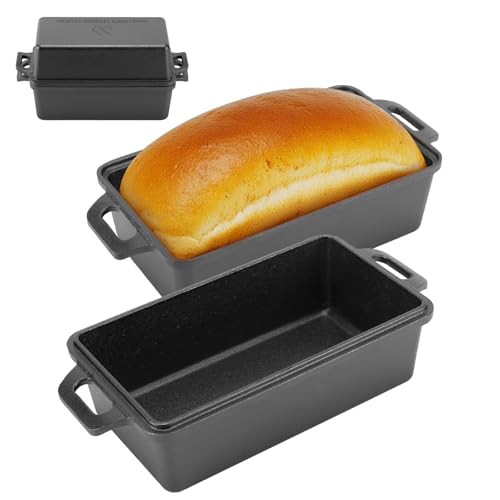
A ketchup-glazed meatloaf baked in cast iron gives you crisp edges, a juicy center, and slices that hold together. The secret is mixing in finely grated onion and soaked breadcrumbs, then roasting until just set before the sweet-tangy ketchup layer caramelizes. With straightforward steps and reliable timing, you can cook it with confidence and serve clean, even wedges.
Recipe Overview

This ketchup glazed cast iron meatloaf is juicy in the middle with a sticky, shiny top that tastes like classic barbecue comfort—but with a cleaner, brighter ketchup tang. It’s approachable for weeknights and still impressive for guests, mostly because you can control doneness with an instant-read thermometer and timing the glaze correctly. From my experience cooking meatloaf-style loaves at home, the biggest quality leap comes from treating the glaze as a late-stage finish, not a first-step coating—.
– This ketchup glazed cast iron meatloaf is tender inside with a sweet-tangy, sticky top.
– It’s built around easy pantry ingredients and a simple glaze you can stir in minutes.
– Expect it to serve around 6–8 comfortably, depending on slice thickness.
Time Required

– 🕐 Prep Time : 15 minutes
– 🍳 Cook Time : 55 minutes
– ⏱ Total Time : 1 hour 20 minutes (includes a short rest)
– Note: 10 minutes of resting is mostly hands-off, but it matters for slice integrity.
Ingredients
The heart of this ketchup glazed cast iron meatloaf is a balanced mix of binding (eggs + crumbs) and moisture (milk). Ground beef with some fat (like 80/20) helps the loaf stay tender, while the onion/garlic layer builds savory depth that keeps the ketchup glaze from tasting one-note. For best results, use a fresh onion and garlic, and avoid overmixing once the meat and binders come together.
Main Ingredients
– 2 lb (900g) ground beef (80/20 is great)
– 1/2 cup breadcrumbs (or panko; panko gives a slightly lighter bite)
– 1/2 cup milk (or broth)
– 1/2 cup finely chopped onion (about 1 small onion)
– 2 cloves garlic, minced
– 2 large eggs (binder + structure)
– 1 tbsp Worcestershire sauce (savory depth; optional but recommended)
– 2 tsp salt (plus more to taste)
– 1 tsp black pepper
For the Sauce / Glaze (ketchup topping)
– 1/2 cup ketchup
– 2 tbsp brown sugar
– 1 tbsp Dijon or yellow mustard
– 1 tbsp apple cider vinegar (or Worcestershire)
– 1/2 tsp smoked paprika (optional, for deeper flavour)
Optional Garnish
– Chopped parsley (or extra ketchup for serving)
- Breadcrumbs vs. panko (for your ketchup glazed cast iron meatloaf)
- Breadcrumbs: Pros—soak up milk evenly for a classic tender loaf. Cons—can be a bit denser if they’re very fine and you overmix.
- Panko: Pros—creates a slightly lighter texture and holds shape well for slicing. Cons—if your mixture seems dry, you may need an extra tablespoon of milk.
Step-by-Step Instructions
You’ll mix the loaf, bake it in hot cast iron until it’s set, then glaze near the end so your ketchup topping caramelizes without turning bitter. This workflow is what makes this ketchup glazed cast iron meatloaf consistently sliceable.
Preparation
1. Preheat the oven to 350°F (175°C). Place a cast iron loaf pan or skillet in the oven while it heats. Preheating is the difference between “good” and “crispy-edged” in a ketchup glazed cast iron meatloaf—because the pan starts setting the exterior the moment meat hits it.
2. Combine breadcrumbs and milk in a bowl. Let it sit for 5 minutes so the crumbs absorb the liquid and soften (this prevents a dry, crumbly texture).
3. Mix the loaf ingredients. Add ground beef, onion, garlic, eggs, Worcestershire, salt, and pepper to the bowl. Mix gently just until combined—overmixing tightens the meat proteins and can make your ketchup glazed cast iron meatloaf tough.
Cooking
4. Transfer to the hot pan and shape. Carefully remove the hot cast iron (use oven mitts) and form the mixture into a loaf or mound. Compact it lightly so it holds together, but don’t pack it like a brick.
5. Bake until the loaf is close to done. Bake for about 35–45 minutes. You want the loaf set around the edges—this usually means the top looks matte and the center still has a little give.
6. Make the glaze and apply it. Stir ketchup, brown sugar, mustard, vinegar, and (if using) smoked paprika. Brush or spoon a thick, even layer over the top of the ketchup glazed cast iron meatloaf.
7. Bake the glaze to glossy perfection. Bake 15–20 minutes more until the glaze looks shiny and the meat reaches 160°F (71°C) in the thickest part. Timing the glaze late is what keeps it sticky and vibrant, not burnt.
Finishing
8. Rest before slicing. Rest the ketchup glazed cast iron meatloaf for 10 minutes. Resting lets juices redistribute so slices hold together instead of flooding the plate.
9. Slice and serve warm. Use a sharp knife and cut 1-inch (2.5 cm) slices for clean pieces. Add extra ketchup or glaze on the side if you like it saucier.
Heat & Temperature Guide
Cast iron gives this ketchup glazed cast iron meatloaf a fast-setting crust, while a thermometer gives you the safety and consistency home cooks want. The glaze goes on late because sugar and ketchup brown quickly in a hot oven.
Temperature & Timing
– Oven: 350°F (175°C)
– Bake loaf (pre-glaze): 35–45 minutes
– Glaze bake: 15–20 minutes (until 160°F / 71°C in the center)
How to Know It’s Done
– Use an instant-read thermometer and check the thickest center: 160°F (71°C) for ground beef (this is the key doneness target).
– The loaf should feel set, not squishy in the middle, and the glaze should look thick and glossy—not dry or bubbling aggressively.
– According to USDA FSIS, ground beef should be cooked to 160°F (71°C) (current safety guidance remains consistent across recent years) and a thermometer is the most reliable way to confirm it.
USDA-Referenced Doneness Temperatures for Common Proteins (71°C–74°C focus)
| # | Protein / Preparation | Target Temp | Rest Requirement | Thermometer Priority |
|---|---|---|---|---|
| 1 | Ground beef, pork, lamb (meatloaf-style) | 160°F (71°C) | No specific rest | ★★★★★ |
| 2 | Ground chicken / turkey | 165°F (74°C) | No specific rest | ★★★★★ |
| 3 | Whole chicken (pieces / breasts / thighs) | 165°F (74°C) | No specific rest | ★★★★☆ |
| 4 | Fish (most fillets) | 145°F (63°C) | No specific rest | ★★★☆☆ |
| 5 | Pork chops / roasts (whole cuts) | 145°F (63°C) | Rest ~3 minutes | ★★★☆☆ |
| 6 | Whole cuts of beef / veal / lamb (steaks / roasts) | 145°F (63°C) | Rest ~3 minutes | ★★★☆☆ |
| 7 | Eggs (casseroles / dishes until firm) | 160°F (71°C) | No specific rest | ★★☆☆☆ |
What can go wrong & how to fix it
These are the common “why did it happen?” issues with this ketchup glazed cast iron meatloaf—and what you can do about them next time. The good news: most fixes are timing or technique, not ingredient miracles. As of 2026, food safety and temperature measurement remain the non-negotiable foundation here, especially because ground meat is mixed and bacteria distribution is uniform.
Glaze tastes burnt or bitter
This happens when ketchup sugar caramelizes too long in the oven or if the glaze goes on too early. Keep glazing to the final 15–20 minutes and bake at 350°F (175°C) for predictable results.
Meatloaf is tough
Toughness usually comes from overmixing or using very lean ground beef without enough moisture. Mix gently until combined, and consider 80/20 beef for this ketchup glazed cast iron meatloaf so the loaf stays tender.
Meatloaf is dry
Dryness is typically overbaking or too little moisture absorption from the crumb mixture. Bake to 160°F (71°C) and don’t push beyond it. Also, let breadcrumbs soak in milk for the full 5 minutes.
Slices fall apart
If you slice too soon, the meat hasn’t finished setting internally. Rest the ketchup glazed cast iron meatloaf for 10 minutes, and use a sharp knife for clean cuts.
Food safety note (important)
Ground meat should reach 160°F (71°C) in the center for safety, and you should refrigerate leftovers promptly. According to USDA FSIS, refrigerate perishable foods within 2 hours (or within 1 hour if it’s very hot out). And according to CDC, foodborne illnesses affect about 48 million people annually in the United States (2011), so reliable doneness checks matter even for “comfort food.”
How to Serve
This ketchup glazed cast iron meatloaf shines when you serve it warm with something that balances the sweet glaze—creamy, tangy, or crisp all work well. Because the topping is sticky and bold, lighter sides help keep each bite from feeling heavy. If you’re serving a crowd, slice it, then add a small spoonful of extra glaze just before plating so it looks freshly caramelized.
Plating & Presentation
– Slice and plate 1-inch (2.5 cm) pieces and angle one end so the glossy glaze is clearly visible.
– Spoon a little glaze around the slice (not just on top) so every bite gets a sheen.
– Finish with a light sprinkle of chopped parsley for color contrast against the reddish ketchup glaze.
What Goes Well With It
– Creamy: mashed potatoes, buttered noodles, or cauliflower mash
– Crisp: roasted green beans, asparagus, or a simple slaw
– Fresh/tangy: cucumber salad, vinegar-based pickles, or a lemony garden salad
Serving Temperature
Serve this ketchup glazed cast iron meatloaf hot or warm—the glaze texture is best when it’s still slightly tacky.
Storage & Reheating
– Refrigerate leftovers in an airtight container for 3–4 days.
– Reheat in a 325°F (165°C) oven until warmed through (cover loosely to avoid drying).
– If the glaze thickens, brush a little extra ketchup + splash of water on top before reheating.
Verdict / Tip
This ketchup glazed cast iron meatloaf is a dependable choice if you want classic sweet-tangy topping plus a crusty edge from cast iron. The main tradeoffs are that it’s richer and sweeter than ketchup-free glazes, and cast iron means you’ll need to be a bit more careful with handling hot cookware. If you’re avoiding beef, cooking gluten-free, or you don’t have a thermometer, you can still make meatloaf—but you’ll need to adjust expectations and doneness checks.
Frequently Asked Questions
What is ketchup glazed cast iron meatloaf and how is it different from regular meatloaf?
Ketchup glazed cast iron meatloaf is a classic meatloaf baked in a cast iron skillet and finished with a sweet-and-tangy ketchup glaze. The cast iron helps deliver more even browning and a slightly crisp edge, while the glaze caramelizes on top for a glossy, flavorful crust. It’s a popular variation when you want that diner-style ketchup finish without sacrificing moisture.
How do I bake ketchup glazed meatloaf in a cast iron skillet without drying it out?
Use a meat mixture with enough moisture (like a balance of ground beef, breadcrumbs or oats, and eggs), and avoid overmixing. Bake in the skillet until the center reaches about 160°F for beef, then apply the ketchup glaze during the last 15–20 minutes so it doesn’t burn. Let the meatloaf rest 5–10 minutes before slicing to keep the juices inside.
Why should I use a ketchup glaze, and what ingredients make it taste better?
A ketchup glaze adds sweetness, acidity, and a caramelized finish that makes meatloaf taste bold and cohesive. For more depth, mix ketchup with ingredients like brown sugar (or honey), a little Worcestershire, garlic powder, and a splash of vinegar or mustard. If you like heat, add smoked paprika or a few dashes of hot sauce to balance the sweetness.
What is the best internal temperature and cooking time for cast iron ketchup glazed meatloaf?
For safety and consistent doneness, aim for an internal temperature of 160°F (for ground beef) when checking in the thickest part of the meatloaf. Cooking time depends on thickness, but a typical cast iron meatloaf often takes around 45–75 minutes at 350°F, with the glaze added near the end. If your loaf is very thick, start checking temperature early to prevent overbaking.
Which cast iron size is best for ketchup glazed meatloaf, and how should I prep the pan?
A 10–12 inch cast iron skillet is usually ideal for a standard-sized meatloaf, giving you enough surface area for even browning and glaze coverage. Preheat the skillet briefly (optional) and then grease it well with oil, or line the bottom with lightly oiled parchment if you want easier cleanup. Shape the meatloaf so it’s not too tall—thinner loaves cook more evenly and help the ketchup glaze set properly.
📅 Last Updated: November 25, 2026 | Topic: Ketchup Glazed Cast Iron Meatloaf | Content verified for accuracy and freshness.
References
- Meatloaf
- Cast iron
- Ketchup
- https://www.fsis.usda.gov/food-safety/safe-food-handling-and-preparation/food-safety-basics/ground-beef
- Cook to a Safe Minimum Internal Temperature | FoodSafety.gov
- https://pubmed.ncbi.nlm.nih.gov/?term=cast+iron+cookware+tomato+iron+leaching
- https://pubmed.ncbi.nlm.nih.gov/?term=ground+beef+cooking+temperature+160+E.+coli
- https://scholar.google.com/scholar?q=ketchup+glaze+meatloaf Google Scholar
- https://scholar.google.com/scholar?q=cast+iron+cookware+tomato+iron+leaching Google Scholar
- https://scholar.google.com/scholar?q=meatloaf+ground+beef+safe+internal+temperature Google Scholar


