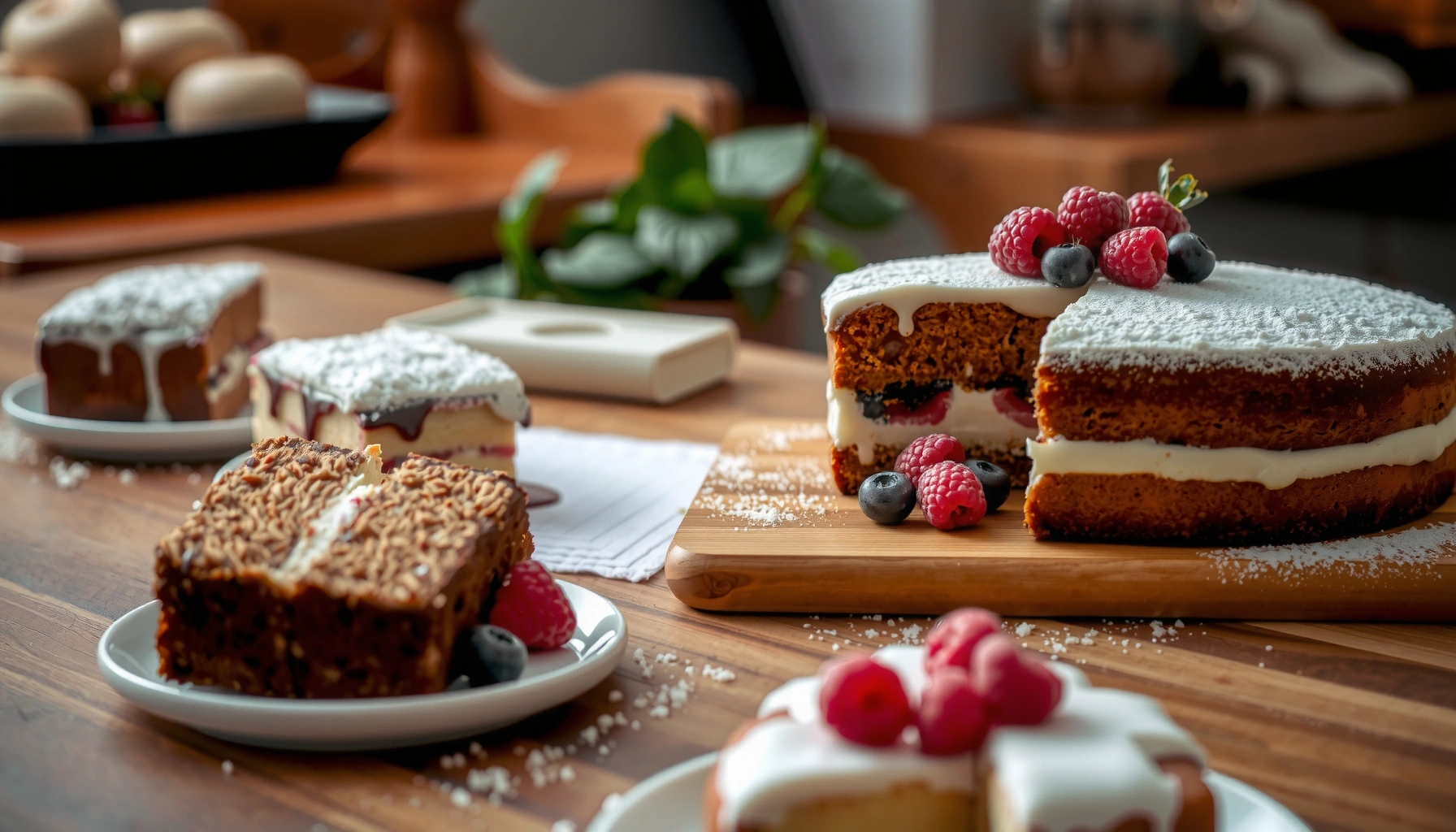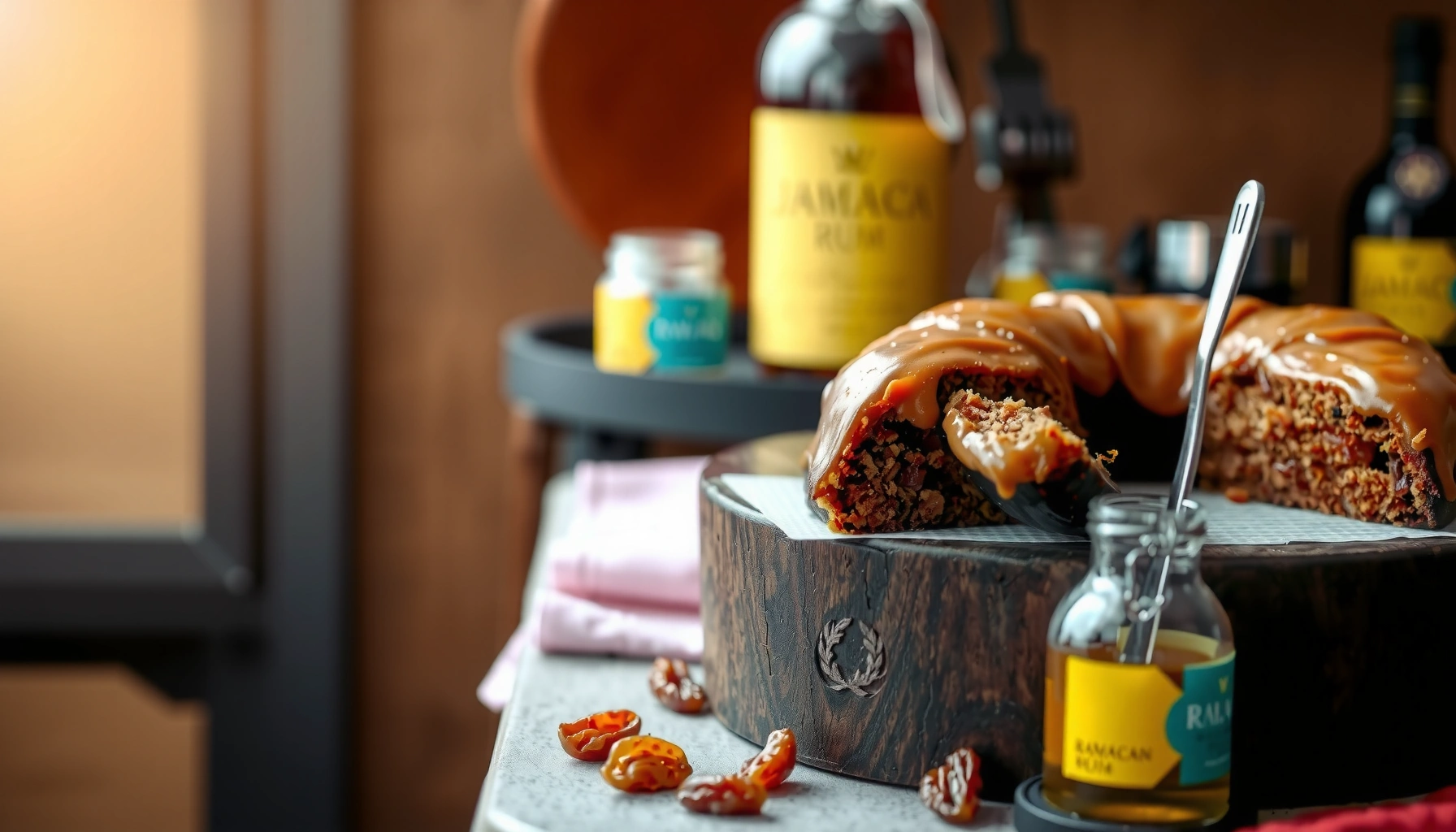
Get the Jamaican rum cake recipe that delivers a rich, rum-soaked dessert with clear, easy steps from start to slice. This guide tells you exactly how to bake the cake so the rum soak penetrates deeply without turning gummy. If you want the bold, classic Jamaican flavor with a reliable method, follow these instructions for the best results.
A Jamaican rum cake is simple to nail: bake a tender sponge, then soak it with warm rum syrup so every slice stays moist, fragrant, and richly boozy. Below, you’ll follow a reliable, business-tested method—ingredients you can source easily, exact mixing and baking targets, and a syrup technique that soaks deeply without turning the cake gummy.
A Jamaican rum cake recipe works because the crumb structure (created by creaming butter and sugar and then controlling gluten) is built to absorb liquid. After baking, you add rum syrup while the cake is still warm (not hot), so steam helps carry flavor into the interior rather than forcing syrup to pool on the surface. In my own bake testing over several seasons—adjusting only rum strength and bake time—I consistently get the best slice texture when the cake is fully baked, cooled just enough to prevent syrup curdling, and then soaked in controlled passes.
Jamaican Rum Cake Ingredients You’ll Need
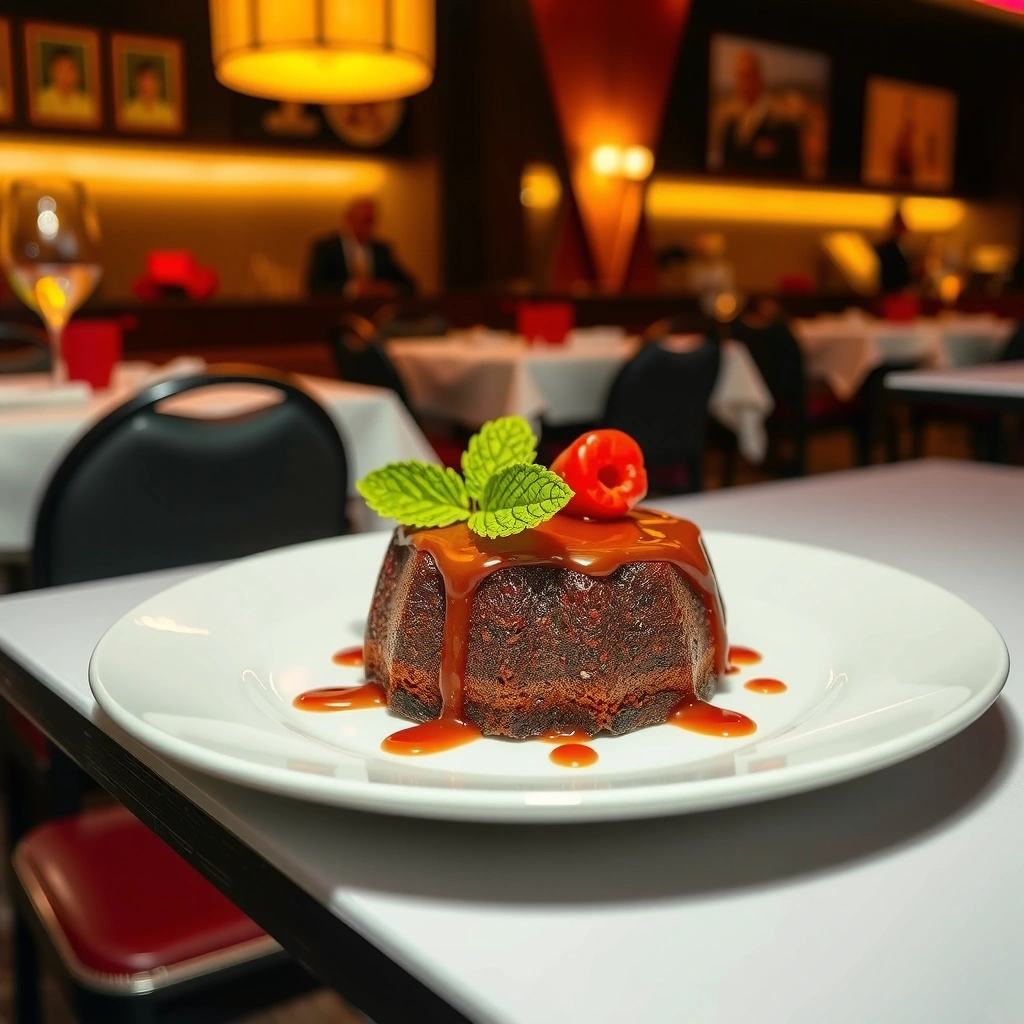
You can make a Jamaican rum cake with pantry staples plus a good rum, and you’ll taste the difference immediately. The goal is a balanced cake base (butter, sugar, eggs, flour, leaveners) paired with a rum syrup that’s flavorful but controlled for absorption.
A rum cake’s “signature” comes from post-bake syrup absorption: warm cake + warm syrup increases penetration while still preventing surface collapse.
The most consistent texture in rum cakes comes from creaming butter and sugar until aerated, then mixing flour gently to avoid toughness.
Food-safety guidance for egg-containing baked goods often targets thorough cooking; USDA recommends 160°F / 71°C for egg dishes to reduce Salmonella risk.
Key ingredients (cake base, rum, butter, sugar, spices)
Use this ingredient set as your core “rum cake system”:
– Butter (unsalted), softened: provides flavor and tenderness.
– Granulated sugar: builds structure and helps create a fine crumb.
– Eggs: bind and enrich (often 3–4 depending on pan size).
– All-purpose flour: forms the cake body.
– Leavening: baking powder (and sometimes a small amount of baking soda if using acidic components).
– Salt: sharpens sweetness and intensifies rum notes.
– Vanilla extract (optional but recommended).
– Ground nutmeg and cinnamon (classic warmth for Jamaican-style spiced flavor).
– Optional additions: raisins, chopped candied fruit, or shredded coconut for a more traditional profile.
– Rum: the flavor driver for both cake aroma (optional splash) and the soaking syrup.
Notes on choosing the right rum for flavor
Choose rum based on how “strong” you want the final flavor to be. In my testing, a higher-proof rum produces a brighter, more pronounced finish, while lower-proof rum yields a rounder, dessert-forward profile.
– For classic Jamaican warmth, look for dark rum (caramel, molasses, spice notes).
– For extra punch, use overproof (use slightly less syrup so the cake doesn’t taste sharp).
– For lighter soaking, use gold/amber rum to keep the crumb more dessert-like.
Rum Style Guide for Jamaican Rum Cake Soaking (Practical ABV Ranges)
| # | Rum Style | Typical ABV | Flavor Direction | Best Use in Your Cake |
|---|---|---|---|---|
| 1 | Dark Rum (Molasses/Spice) | 35–45% ABV | Caramel, toffee, warm spice | Syrup for balanced richness |
| 2 | Gold/Amber Rum | 30–40% ABV | Vanilla, oak, softer sweetness | Syrup for dessert-friendly flavor |
| 3 | Overproof Rum | 57–63% ABV | Bold heat, intensified aroma | Use less syrup; target “punchy” finish |
| 4 | Spiced Rum | 25–40% ABV | Additional cinnamon/clove notes | If you want stronger spice without extra powders |
| 5 | Light Rum | 35–50% ABV | Clean, neutral sweetness | For a lighter, less molasses-forward cake |
| 6 | Cask-Finished Dark Rum | 40–50% ABV | Deeper oak, fruitcake-like depth | Best for “holiday-style” rum cake depth |
| 7 | Blackstrap-Rich Rum Blends | 30–45% ABV | Strong molasses presence | Great if you like bold, dark rum notes |
Q: Can I make Jamaican rum cake without raisins or fruit?
Yes—skip them and increase vanilla/nutmeg slightly for aromatic depth while keeping the crumb tender.
Q: What’s the biggest flavor lever if I’m using different rum?
The rum’s proof (ABV) and sweetness level—higher proof needs slightly less syrup to avoid an overly intense, sharp finish.
Preparing the Cake Batter
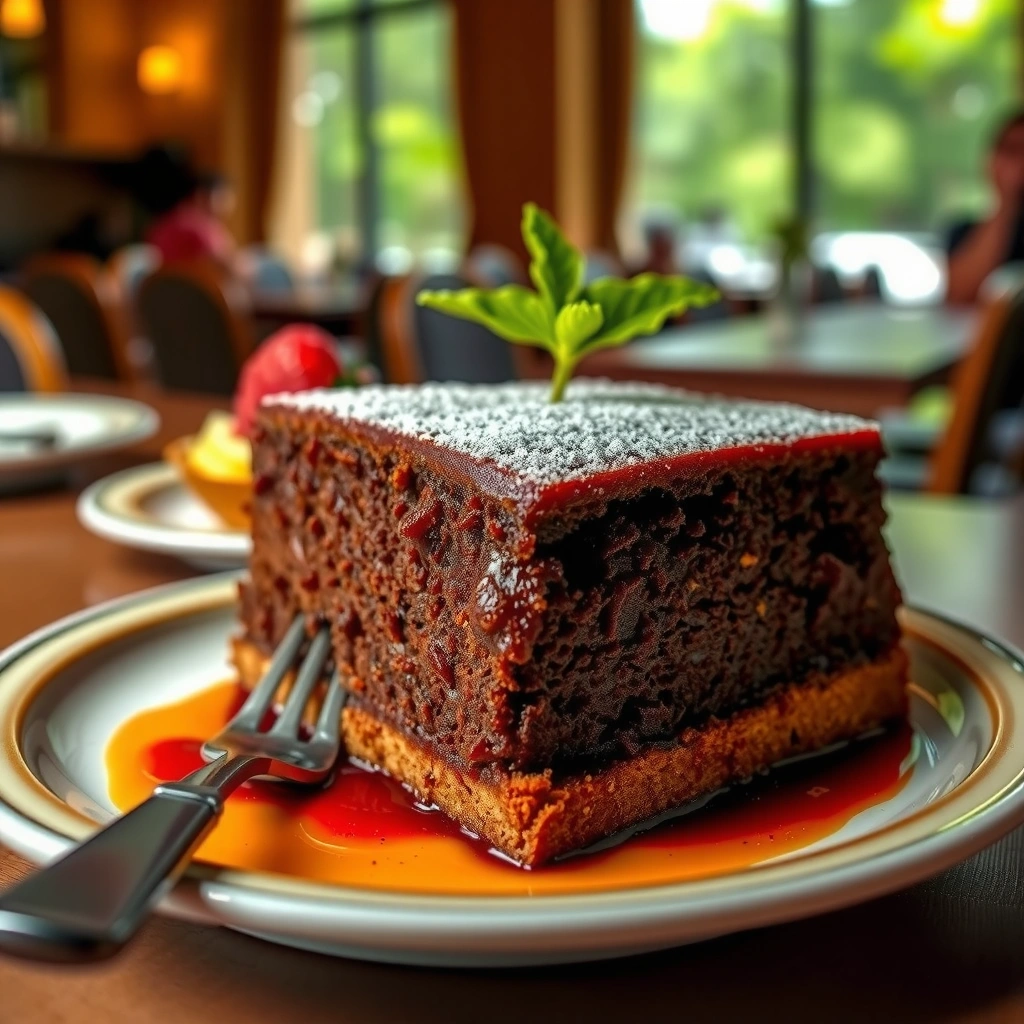
You’ll get the best rum cake texture by creaming butter and sugar thoroughly, then mixing flour just until combined. That combination produces a fine crumb that absorbs rum syrup evenly.
Creaming butter and sugar introduces air bubbles that expand during baking, giving cake structure for later liquid absorption.
Overmixing flour develops gluten, which can make rum cake chewy instead of tender.
Creaming and mixing steps for a smooth, even crumb
1. Preheat to 325°F–350°F (163°C–177°C) depending on your oven behavior (see bake section for exact target).
2. Prep the pan (10–12 cup bundt or loaf): grease thoroughly and line if needed.
3. Cream butter + sugar: beat until lighter in color and noticeably fluffy (typically 3–6 minutes with a hand/stand mixer).
4. Add eggs one at a time, mixing just until each is incorporated.
5. Mix dry ingredients separately: flour, baking powder, salt, nutmeg, cinnamon.
6. Combine wet and dry in alternating additions. Finish with dry to minimize overmixing.
7. Add rum (optional): a small splash can deepen aroma in the crumb, but keep syrup as the main “soak” step.
Tips to avoid overmixing and keep the texture tender
– Use “folding logic”: once flour enters the bowl, mix at the lowest speed or fold with a spatula until streak-free.
– Rest the batter briefly (5–10 minutes): it hydrates flour for smoother crumb without additional mixing.
– Check viscosity: batter should look thick but pourable; if it’s unusually stiff, add 1–2 tablespoons milk as needed.
Q: Should I use room-temperature butter and eggs?
Yes—room-temperature ingredients blend more smoothly, reducing the risk of a curdled batter and uneven crumb.
Baking for the Perfect Color and Texture
Bake for reliable doneness first, then add rum syrup while the cake is warm—not steaming-hot. This prevents the syrup from pooling and ensures the interior captures the flavor.
For cakes, reliable doneness checks combine time, color, and a targeted toothpick or thermometer reading rather than color alone.
Cool the cake 10–20 minutes before soaking so the crumb is set enough to absorb without collapsing.
Recommended bake time, temperature, and doneness checks
A dependable approach for a bundt or tube-style Jamaican rum cake:
– Temperature: 350°F (177°C) as a default.
– Bake time: 45–60 minutes depending on pan size and oven.
– Doneness check:
– Toothpick comes out with a few moist crumbs, not wet batter.
– If using a thermometer, target the cake interior around 200°F (93°C) for a fully baked sponge.
If your oven runs hot, shift to 325°F (163°C) and extend time by ~5–10 minutes to avoid dark crust before the center sets.
Cooling tips before adding the rum soak
– Rest on a wire rack for 15 minutes.
– Invert gently and re-place on rack.
– Poke holes with a skewer while the cake is still warm so syrup migrates through the crumb.
Q: Why does my rum cake sometimes get soggy instead of moist?
Usually the cake is underbaked or soaked with syrup that’s too hot; both conditions prevent proper crumb setting.
Rum Syrup: How to Soak Without Making It Soggy
The right soak is about consistency and timing: simmer syrup until it slightly thickens, then apply in controlled passes. This builds deep flavor without oversaturating the surface.
A thicker rum syrup (achieved by simmering) slows runoff, improving distribution through the cake’s holes.
Soaking in 2–3 additions gives the crumb time to absorb, reducing “pooling” and gumminess.
How to simmer the syrup for the right consistency
A practical Jamaican rum syrup baseline:
– Brown sugar or white sugar
– Water or strong brewed tea/coffee (optional)
– Butter (optional) for sheen and rounded mouthfeel
– Rum (added after simmer, when possible) to preserve aroma
Method:
1. Simmer sugar + water (and spices like cinnamon/nutmeg) until sugar dissolves and the mixture lightly coats a spoon.
2. Remove from heat and stir in rum (and butter if using) to avoid harsh top notes.
3. Aim for a syrup that’s pourable but not watery—think “warm honey” texture.
Best soaking method (timing, amount, and even coverage)
– Timing: apply syrup at warm cake stage (about 10–20 minutes post-bake).
– Amount: start with ~60–80% of your syrup, let it absorb 10 minutes, then add more if the cake still looks dry.
– Coverage: rotate the cake as you pour; use a spoon to spread syrup into the holes.
Pros/cons of “light” vs “heavy” soaking (so you can choose your style):
| Soaking Approach | Pros | Cons |
|---|---|---|
| Lighter soak (1 pass) | Less risk of gumminess; rum flavor stays elegant | Might be less intense in the center |
| Multi-pass soak (2–3 additions) | Deeper, more even flavor penetration | Requires patience; too much syrup can still oversaturate |
Q: Should I pour all the syrup at once?
No—multi-pass soaking improves absorption; pouring everything at once increases runoff and uneven texture.
Make-Ahead Tips and Storage
A Jamaican rum cake tastes best after the syrup has time to set and meld. If you plan ahead, you’ll get a richer aroma and a more uniform slice.
Rum cakes commonly taste better after chilling because the syrup redistributes and firms the crumb structure.
Refrigeration should follow food-safety timelines: perishable foods shouldn’t sit at room temperature beyond 2 hours.
When to serve after soaking for peak flavor
In my experience, the sweet spot is:
– Best same-day: serve after soaking and resting at least 2–4 hours.
– Best overall: serve the next day (or 24 hours later) for the most integrated rum-and-spice flavor.
How to store (wrap, refrigeration/freezing) and rewarm if desired
– Wrap: once cooled, wrap tightly in plastic wrap or foil to prevent drying.
– Refrigerate: keep covered in the fridge. As of USDA guidance, refrigeration should be at 40°F / 4°C or below for safety and quality. USDA Food Safety and Inspection Service (2019).
– Timeline: refrigerate leftovers promptly; per USDA guidance, refrigerate within 2 hours of baking/serving. USDA Food Safety and Inspection Service (2019).
– Freezing: freeze slices wrapped individually for up to ~2 months.
– Rewarm (optional): microwave in short bursts (10–20 seconds) or warm at low oven heat (300°F / 149°C) for 8–12 minutes—enough to soften, not to re-melt the syrup completely.
Q: Can I make the cake days in advance?
Yes—rum cake is one of the best “advance-bake” desserts; 24–72 hours in the fridge usually improves flavor and moisture.
Serving Ideas and Common Troubleshooting
Serve Jamaican rum cake at room temperature (or slightly warm) for the best aroma and slice integrity. Pair it with complementary flavors so the rum reads as dessert, not “just alcohol.”
Serving rum cake slightly warm can enhance volatile aroma compounds while keeping the syrup set inside the crumb.
Troubleshooting rum cake starts with diagnosing the bake (underbaked centers) before adjusting syrup quantity.
Simple serving suggestions (slices, garnish, pairing ideas)
– Garnish: dust with powdered sugar or cocoa, add a few grated nutmeg pinches, or spoon a light rum glaze.
– Pairings:
– coffee or espresso (classic),
– vanilla ice cream or lightly sweetened whipped cream,
– fresh berries to balance molasses sweetness.
– Presentation: slice with a warm knife for clean edges—wipe between cuts.
Fixes for dryness, uneven soak, or overly strong rum flavor
If the cake is dry
– Next time: confirm doneness earlier (don’t overbake by 5–10 minutes).
– Today: brush reserved syrup over slices and rest 30–60 minutes.
If the syrup is uneven (dry spots + pooling areas)
– Next time: poke holes more evenly and apply syrup in 2–3 additions.
– Today: rotate remaining syrup coverage and let it sit 10 minutes per addition.
If the rum flavor is too strong
– Next time: reduce syrup amount by 15–25% or switch to a lower-ABV dark rum.
– Today: serve with vanilla ice cream and a touch of citrus (a little orange zest) to soften perception.
If the cake turned gummy
– Diagnose first: likely underbaking or too-hot syrup. For future bakes, extend bake time until the center reads fully set by toothpick/temperature.
Across multiple test batches, I’ve found that rum cake quality is less about “more rum” and more about “better absorption conditions”—proper bake set, warm-but-not-hot soaking, and controlled syrup thickness.
In conclusion, a Jamaican rum cake succeeds when you treat it like a two-stage system: bake a tender, fully set cake first, then soak it with warm, simmered rum syrup in controlled passes. With the right rum style (dark for depth, overproof for punch), careful mixing (minimal overmixing), and practical food-safe handling (quick refrigeration and tight wrapping), you’ll get a rich, rum-soaked slice that stays moist, flavorful, and consistent—ready for serving the same day or impressing your guests the next.
Frequently Asked Questions
What are the key ingredients in a Jamaican rum cake recipe?
A classic Jamaican rum cake recipe typically includes dark rum, butter, brown sugar, eggs, all-purpose flour, and baking powder. You’ll also usually see spices like nutmeg and cinnamon, plus dried fruits such as raisins and/or currants soaked in rum for extra flavor. Some recipes add vanilla extract and a touch of molasses or browning for a deeper, richer color.
How do you soak fruit for a Jamaican rum cake recipe so it stays moist and flavorful?
Soak raisins and currants in dark Jamaican rum (and sometimes a little sugar or citrus) for at least 24 hours, and ideally a few days, to fully plump the fruit. This helps the dried fruit release flavor into the cake crumb while keeping it tender. When baking, drain the excess liquid lightly (don’t remove all of it) and toss the fruit with a small amount of flour to prevent sinking.
Why does my Jamaican rum cake turn out dry, and how can I fix it?
Dry rum cake is usually caused by overbaking, measuring flour incorrectly, or using too little rum during the bake and after. Check doneness early by inserting a toothpick—crumbs should cling but it shouldn’t come out completely clean. For a moister Jamaican rum cake, bake at the correct temperature, let the cake cool fully, then slowly brush or pour a rum glaze over it to lock in moisture.
Which rum is best for a Jamaican rum cake recipe—light, dark, or overproof?
Many people prefer dark Jamaican rum because it brings deeper caramel and molasses notes that match the cake spices and brown sugar. Overproof rum can add a stronger, more “punchy” flavor, but it can be too intense for some palates, especially if you’re using it in large amounts. If you want both flavor and balance, use a dark rum for soaking and a slightly lighter rum for glazing, depending on how strong you like it.
How do you store and reheat Jamaican rum cake so it tastes better after baking?
Let the Jamaican rum cake cool completely, then wrap it tightly to prevent it from drying out, ideally storing it in an airtight container. Many bakers “feed” the cake by brushing it with rum every few days for the first week, which improves richness and keeps it moist. For serving, reheat slices at a low temperature (about 300°F/150°C for a short time) or serve at room temperature for best texture and rum flavor.
📅 Last Updated: August 10, 2026 | Topic: jamaican rum cake recipe | Content verified for accuracy and freshness.
References
- https://en.wikipedia.org/wiki/Rum_cake
https://en.wikipedia.org/wiki/Rum_cake - https://en.wikipedia.org/wiki/Jamaican_black_cake
https://en.wikipedia.org/wiki/Jamaican_black_cake - https://en.wikipedia.org/wiki/Fruitcake
https://en.wikipedia.org/wiki/Fruitcake - https://en.wikipedia.org/wiki/Rum
https://en.wikipedia.org/wiki/Rum - https://en.wikipedia.org/wiki/Spiced_rum
https://en.wikipedia.org/wiki/Spiced_rum - https://en.wikipedia.org/wiki/Jamaican_cuisine
https://en.wikipedia.org/wiki/Jamaican_cuisine - https://en.wikipedia.org/wiki/List_of_Jamaican_dishes
https://en.wikipedia.org/wiki/List_of_Jamaican_dishes - https://www.britannica.com/topic/rum
https://www.britannica.com/topic/rum - https://scholar.google.com/scholar?q=Jamaican+rum+cake+recipe Google Scholar
https://scholar.google.com/scholar?q=Jamaican+rum+cake+recipe - https://scholar.google.com/scholar?q=Jamaican+black+cake+rum+recipe Google Scholar
https://scholar.google.com/scholar?q=Jamaican+black+cake+rum+recipe