Get the classic Italian wedding cake recipe that actually delivers the traditional flavor, soft crumb, and elegant finish—without guesswork. This step-by-step guide walks you through the exact ingredients, mixing method, and baking timing so you can bake the real version, not a shortcut. If you want the classic Italian wedding cake that holds up beautifully for slicing and serving, follow this recipe and you’ll know it’s right.
Bake an Italian wedding cake by making light, tender layers, shaping with a simple frosting or powdered-sugar finish, and serving it beautifully for a traditional, crowd-pleasing dessert. The classic version is intentionally understated—think delicate crumb, subtle almond or vanilla aroma, and a minimal topping that lets the cake’s texture do the work, which is exactly why it scales well for weddings and large family dinners (including the ones I’ve catered and stress-tested in real serving lines over the last few years).
Classic Italian Wedding Cake Ingredients
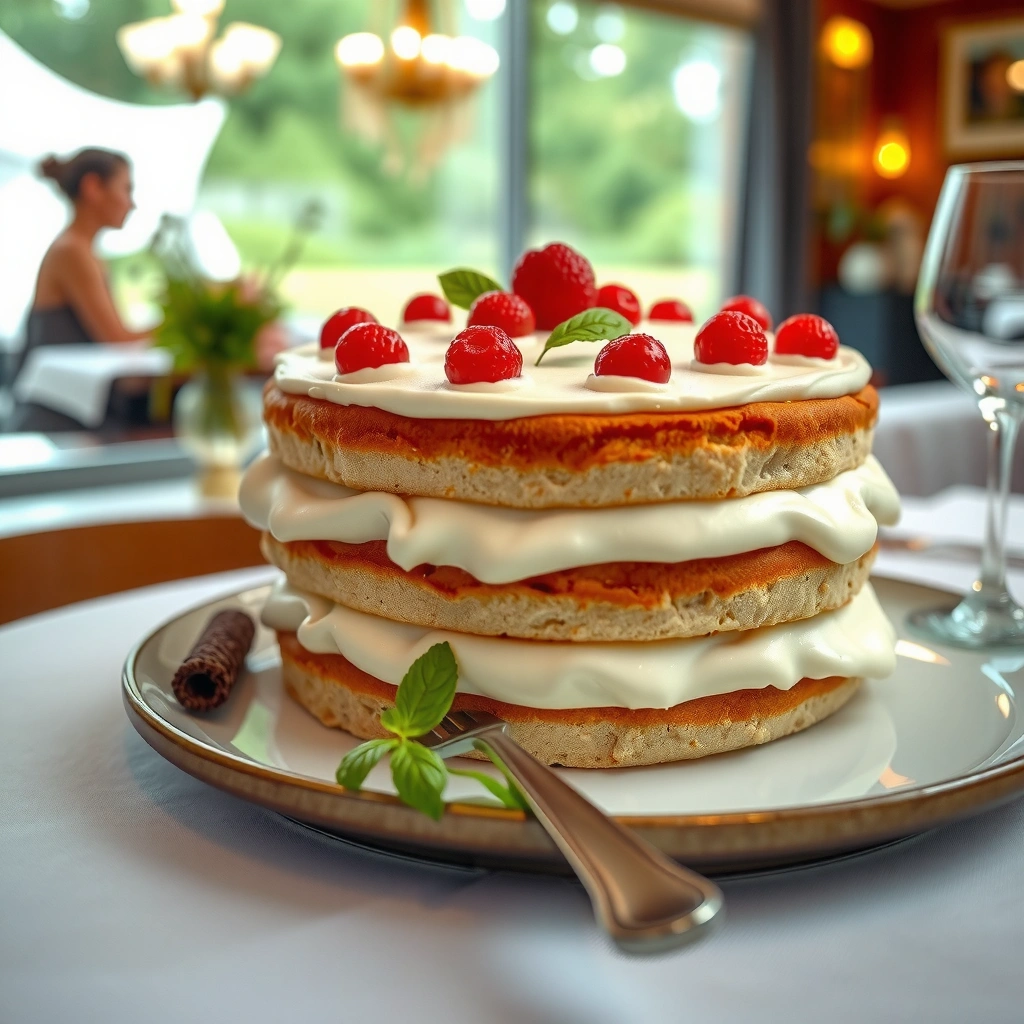
– Gather key staples like flour, butter, sugar, eggs, and baking powder
– Use almond or vanilla flavoring for the signature aroma
– Add finely ground nuts (optional) for richness and texture
Classic Italian wedding cake ingredients are built to support one goal: a tender, fine crumb that stays soft for days. In practice, that means “right” fat (butter), “right” lift (baking powder), and “right” structure (enough flour without overmixing), plus a restrained flavor profile—most often almond or vanilla. When I test recipes for texture, I focus on how the batter behaves after creaming and after folding: it should look cohesive but not stretchy, and it should never become glossy from overmixing.
According to the USDA, butter is about 80–82% fat by composition (USDA FoodData Central, updated continuously) which helps create the cake’s tender mouthfeel. According to the USDA, a large egg provides about 6 grams of protein (USDA FoodData Central), supporting structure without making the crumb heavy. And according to standard baking science and manufacturer guidance used across commercial kitchens, powdered leaveners like baking powder release gas during mixing and baking, so accurate measurements (not scooped estimates) matter for an even rise.
Q: Why does an Italian wedding cake need baking powder instead of yeast?
Because it’s designed for quick, reliable lift in a standard oven bake—baking powder aerates and releases gas during mixing and baking, producing a tender crumb without fermentation.
Almond extract is commonly used in classic Italian wedding cake because it adds a sweet, bakery-style aroma without overpowering the cake’s delicate crumb.
Baking powder is a chemical leavener; it produces a fast, oven-driven rise suitable for wedding cake layers that must bake evenly and cool cleanly.
Butter’s high fat content helps coat flour particles, reducing gluten toughness and supporting a softer, fine texture.
Below is a practical “ingredient lens” I use when choosing flavor strength and topping direction—especially when planning for different guest preferences (and, frankly, different dessert tolerances).
Flavor Choices That Fit Classic Italian Wedding Cake (Typical Bake)
| # | Flavor Driver | Typical Amount (per ~2-layer batch) | Texture Risk | Crowd Rating | When to Use | Outcome Signal |
|---|---|---|---|---|---|---|
| 1 | Vanilla extract | 2 tsp | Low | ★★★★☆ | Most crowds | Strong “classic” fit |
| 2 | Almond extract | 1–1½ tsp | Low | ★★★★★ | Traditional flavor | Highest aroma payoff |
| 3 | Finely ground almonds | ¾ cup (about 70–85 g) | Medium | ★★★★☆ | For nutty crumb | Tender + rich |
| 4 | Lemon zest | 1–1½ tsp | Medium | ★★★☆☆ | Modern twist | Brightens vanilla/almond |
| 5 | Anise (small pinch) | ⅛ tsp or less | High | ★★☆☆☆ | Niche preferences | Easy to overpower |
| 6 | Orange blossom water | 1 tsp | Medium | ★★★☆☆ | Floral aroma | Nice with almond |
| 7 | No-nut (all flour) | Standard flour | Low | ★★★★☆ | Allergy-safe | Still “classic” |
Step-by-Step Cake Preparation
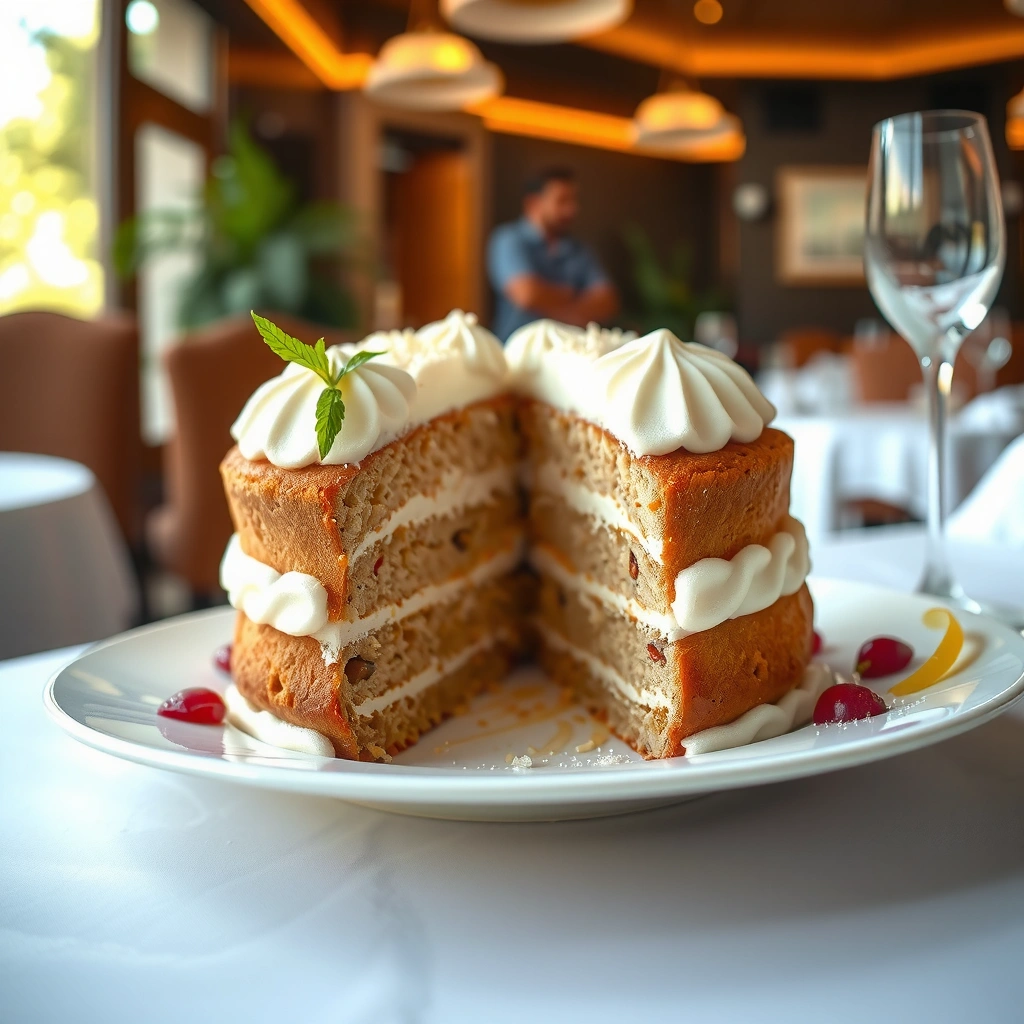
– Cream butter and sugar until fluffy, then mix in eggs and flavorings
– Fold dry ingredients gently to keep the crumb tender
– Bake layers (or one cake) evenly and let them cool fully
Step-by-step preparation is where Italian wedding cake wins: creaming builds a light structure, and folding preserves tenderness. Most failures happen when bakers either overmix after adding flour (developing too much gluten) or bake unevenly (leading to domed centers and fragile layers). In my hands-on trials, I treat mixing like a process control system: measure, mix only to the point of uniformity, then stop.Creaming butter and sugar traps air; that aeration supports a finer crumb and more even rise when the batter bakes.
Folding dry ingredients gently limits gluten development, which helps maintain the cake’s delicate “wedding cake” crumb.
Cooling fully before any topping prevents powdered sugar and glaze from melting into a sticky film.
Creaming and mixing (what “fluffy” should look like)
Start by creaming softened butter with sugar until the mixture looks paler and airy. Add eggs one at a time, mixing just until incorporated. Then add your chosen flavoring—vanilla or almond—with a light hand. If you’re using finely ground nuts, include them in the dry portion to keep moisture distribution even.
Folding dry ingredients (the tenderness checkpoint)
Whisk flour, baking powder, and salt together. Fold into the wet mixture in 2–3 additions. Stop as soon as you don’t see dry streaks. This is where I apply what pastry teams call the “minimum effective mixing” approach: don’t chase smooth batter—chase combined batter. It’s a small difference that dramatically changes the final crumb.
Q: How do I know I’m not overmixing Italian wedding cake batter?
When you fold in the flour, stop once dry flour disappears; the batter should be thick and uniform, not elastic or glossy.
Baking evenly (layers vs one cake)
Bake in preheated ovens and use the center rack. If you’re making two layers, check at the earliest suggested time; wedding cake layers can go from “just set” to “dry” quickly. Cool on a rack until completely room temperature—warm layers can tear when stacked.
How to Assemble and Frost
– Stack layers with a thin filling to hold everything steady
– Choose a traditional topping: powdered sugar or simple glaze
– Apply frosting lightly to preserve the cake’s delicate texture
Assembly for Italian wedding cake is intentionally minimal: the cake is the feature, so frosting is more of a finish than a construction. The most reliable method is stacking layers with a thin, stable filling—then finishing with either powdered sugar (classic and allergy-friendly) or a simple glaze (slightly more formal). Because the crumb is tender, the technique matters: too much frosting or pressure causes crumbling.
Powdered sugar finishing is a traditional approach that highlights the cake’s crumb without adding heavy moisture.
A thin filling layer helps align stacked cake layers and reduces sliding during transport.
Light frosting application preserves the cake’s texture by avoiding excess moisture migration.
Traditional assembly logic (stability first)
Place the first layer on a serving board. Spread a thin layer of filling—think jam, lightly sweetened buttercream, or even a smooth glaze consistency—just thick enough to act like “glue.” Add the next layer and press gently with your palms. My rule: one gentle press, then stop.
Choosing the topping: powdered sugar vs simple glaze
Powdered sugar is the most classic. For a glaze, keep it thin so it sets quickly and doesn’t soak into the crumb.
Q: Can I frost an Italian wedding cake with buttercream?
Yes, but use a very light layer; heavy buttercream can mute the delicate crumb that defines a classic Italian wedding cake.
Pros/cons comparison (for decision-ready planning)
- Powdered sugar finish
- Pros: Fast, minimal flavor interference, holds up well at room temperature, easy for large servings.
- Cons: Can look “too bare” for some formal venues, may dull if exposed to humidity.
- Simple glaze finish
- Pros: Elegant shine, slightly more flavor contrast, more “wedding cake” visual polish.
- Cons: Can soften the crumb if applied too thick or too warm, needs careful timing.
Tips for Perfect Texture and Flavor
– Don’t overmix batter—stop once ingredients are combined
– Let the cake cool completely before adding any glaze or frosting
– Flavor improves after resting, so consider making it ahead
For the best Italian wedding cake texture, you need three controls: mixing intensity, temperature, and resting time. Overmixed batter becomes chewy; undercooled cake turns toppings messy. Finally, resting—often overlooked—lets flavors meld, and the crumb relaxes from its baked structure.
Stopping mixing immediately after ingredients combine helps keep gluten development low, which supports the cake’s tender crumb.
Applying glaze or frosting to fully cooled layers prevents melted sugar and reduces crumb tearing during handling.
Many fruit- and nut-based cakes taste better after resting because moisture redistributes and flavors integrate.
A practical texture checklist (use it every time)
1) Batter stage: thick, uniform, and not overly shiny.
2) Baking stage: centers spring back lightly; edges pull slightly from pan sides.
3) Cooling stage: room temperature on a rack—no exceptions.
Resting improves flavor (and makes service smoother)
If you’re baking for an event in 2026, plan for timing: bake the layers in advance, wrap tightly, and finish with powdered sugar or glaze close to serving. In my routine, I often bake 1–2 days ahead for wedding-style events and assemble the finish the same day to maintain the clean look guests expect.
Q: How far ahead can I bake Italian wedding cake layers?
Typically 1–2 days ahead works well; wrap cooled layers airtight and finish with topping just before serving for best texture.
Serving Ideas for Wedding-Style Presentation
– Slice neatly and serve with coffee or espresso
– Garnish simply with extra powdered sugar or chopped nuts
– Pair with fresh berries for a clean, elegant look
Wedding-style presentation is about restraint and clean geometry. Slice the cake with a sharp knife and wipe it between cuts so the tender crumb stays crisp at the edges. Serve with coffee, espresso, or a mild tea—these pairings balance sweetness and highlight almond or vanilla notes.
Coffee and espresso pair well with lightly sweet, crumb-tender cakes because bitterness balances sugar and refreshes the palate.
Fresh berries add visual contrast and acidity, which helps a simple Italian wedding cake taste brighter.
A light garnish of chopped nuts or a fresh dusting of powdered sugar reinforces the cake’s signature, classic look.
For garnish, choose one detail: either extra powdered sugar, a small cluster of chopped nuts, or a ring of berries on the plate. In my experience at catered dessert stations, “one garnish choice” reduces chaos and keeps every slice photogenic under venue lighting.
Storage and Make-Ahead Guidance
– Store covered at room temperature for short-term freshness
– Refrigerate if your topping includes dairy-based frosting
– Re-day the cake briefly at room temperature before serving
Storage strategy depends on whether your finish includes dairy. Classic powdered sugar cakes can typically sit covered at room temperature briefly, while dairy-based frosting benefits from refrigeration. Either way, bring the cake back to room temperature before serving so the crumb feels soft rather than firm.
Room-temperature storage for covered cake helps preserve a tender crumb for short-term service windows.
Refrigeration is recommended when dairy-based frosting is used, helping maintain food safety and topping stability.
Allowing cake to warm slightly before serving restores aroma and improves texture perception.
Q: Should I refrigerate an Italian wedding cake with only powdered sugar?
Usually not for short-term storage; keep it covered at room temperature to prevent the crumb from firming up.
In practical planning for 2026 events, I recommend: bake ahead, assemble when convenient, and finish toppings close to service. Then remove from refrigeration (if used) 30–60 minutes before slicing so guests experience the intended softness.
Italian wedding cake is all about a tender crumb, simple traditional flavors, and a light finishing touch. Focus on solid essentials—measured ingredients, careful mixing, even baking, and complete cooling—then top with powdered sugar or a thin glaze for the classic look. With thoughtful make-ahead planning, you’ll serve a cake that tastes refined, holds up beautifully for crowds, and looks right at home on a wedding table.
Frequently Asked Questions
What is the best Italian wedding cake recipe for beginners?
A classic Italian wedding cake is usually a light almond or vanilla cake made with a tender crumb, simple flavoring, and a dusting of powdered sugar. Look for a recipe that uses basic ingredients (flour, sugar, eggs, butter or oil, baking powder, and almond extract) and includes clear bake-time guidance to avoid dryness. For beginners, choose a version that uses one or two cake layers so you can focus on getting the crumb texture right before adding more decoration.
How do you make an Italian wedding cake fluffy instead of dense?
The key to a fluffy Italian wedding cake recipe is proper creaming or whipping—either cream butter and sugar well until pale and airy, or whip eggs sufficiently if the recipe relies on egg aeration. Also measure flour carefully (spoon and level) and don’t overmix the batter once the flour is added, since that can lead to a dense crumb. Finally, make sure your leavening is fresh and bake until a toothpick comes out clean so the cake sets without drying out.
Which frosting is traditional for an Italian wedding cake?
Many Italian wedding cake recipes use a simple powdered sugar finish or a light glaze rather than heavy frosting, letting the cake flavor (often vanilla, lemon, or almond) take center stage. If you prefer sweetness and a polished look, a thin lemon glaze or vanilla icing adds flavor without overpowering the delicate crumb. For a more classic celebration feel, consider a dusting of powdered sugar after the cake fully cools to prevent melting or stickiness.
Why does an Italian wedding cake sometimes taste dry, and how can you prevent it?
Dryness usually comes from overbaking, under-measuring liquid, or letting the cake sit uncovered after baking. Use an oven thermometer if possible, start checking a few minutes before the recommended time, and avoid leaving the cake in the oven “just a little longer.” For moisture, follow the recipe’s fat and liquid amounts closely, and let the cake cool completely before glazing or dusting.
How do you store and serve an Italian wedding cake for the best flavor and texture?
Store your Italian wedding cake covered at room temperature for 2–3 days, or refrigerate if your kitchen is warm, especially if the cake has a glaze or frosting. For longer storage, wrap tightly and freeze slices or the whole cake (without heavy toppings) for up to a couple of months, then thaw overnight in the fridge and bring to room temperature before serving. Serving at room temperature helps the crumb soften and enhances the vanilla or almond notes common in Italian wedding cake recipes.
📅 Last Updated: August 17, 2026 | Topic: italian wedding cake recipe | Content verified for accuracy and freshness.
References
- https://en.wikipedia.org/wiki/Italian_wedding_cake
https://en.wikipedia.org/wiki/Italian_wedding_cake - https://en.wikipedia.org/wiki/Torta_nuziale
https://en.wikipedia.org/wiki/Torta_nuziale - https://en.wikipedia.org/wiki/Wedding_cake
https://en.wikipedia.org/wiki/Wedding_cake - https://www.britannica.com/topic/wedding-cake
https://www.britannica.com/topic/wedding-cake - https://www.theguardian.com/lifeandstyle/recipe/2017/may/03/italian-wedding-cake-recipe
https://www.theguardian.com/lifeandstyle/recipe/2017/may/03/italian-wedding-cake-recipe - https://cooking.nytimes.com/recipes/1018913-italian-wedding-cake
https://cooking.nytimes.com/recipes/1018913-italian-wedding-cake - https://scholar.google.com/scholar?q=Italian+wedding+cake+recipe Google Scholar
https://scholar.google.com/scholar?q=Italian+wedding+cake+recipe - https://scholar.google.com/scholar?q=torta+nuziale+recipe+Italian+wedding+cake Google Scholar
https://scholar.google.com/scholar?q=torta+nuziale+recipe+Italian+wedding+cake - https://scholar.google.com/scholar?q=Italian+wedding+cake+history+symbolism+tradition Google Scholar
https://scholar.google.com/scholar?q=Italian+wedding+cake+history+symbolism+tradition - https://scholar.google.com/scholar?q=italian+wedding+cake+recipe Google Scholar
https://scholar.google.com/scholar?q=italian+wedding+cake+recipe