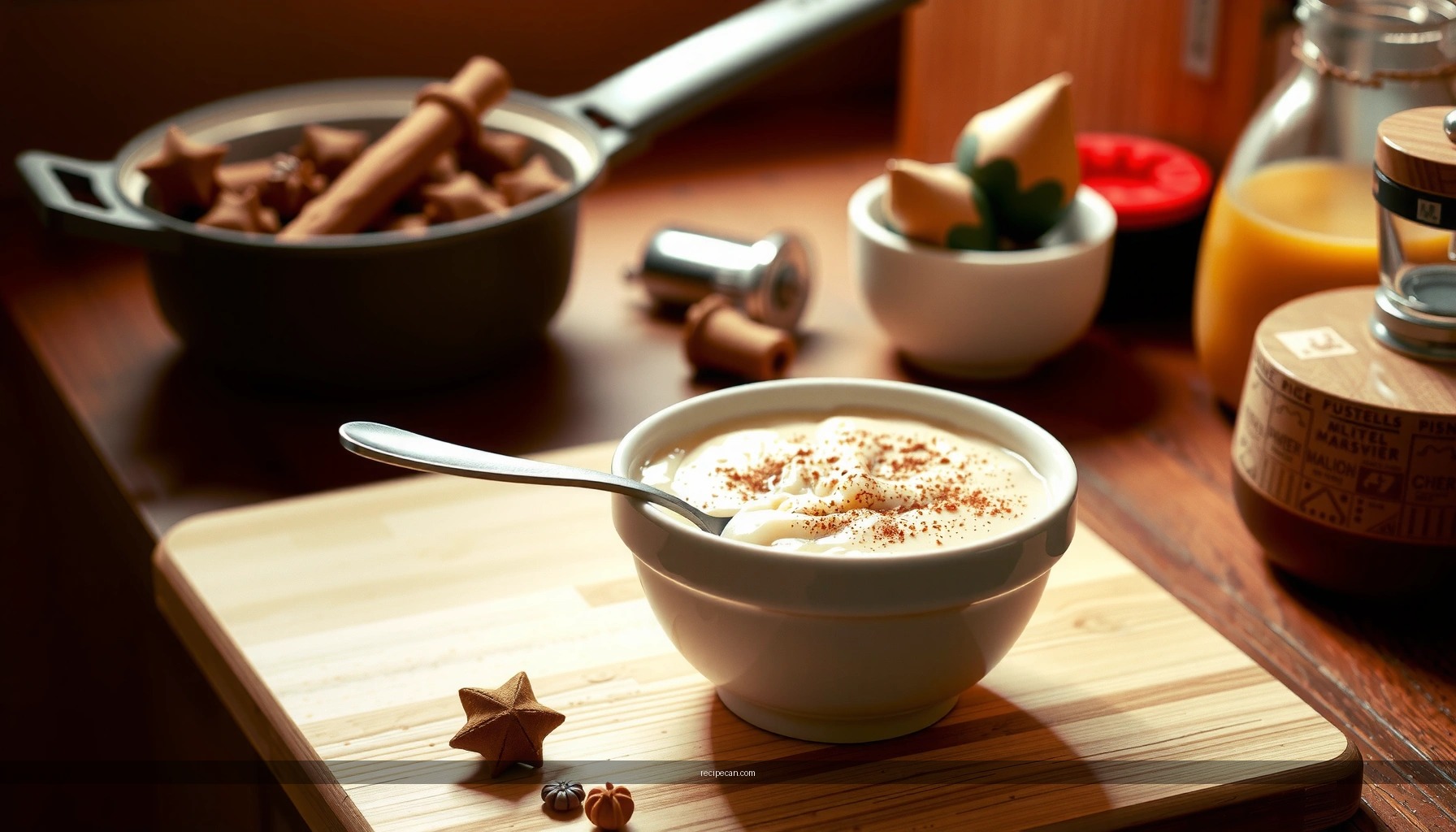
Ina Garten’s rice pudding recipe delivers the creamiest, most classic bowl with the fewest moving parts—so if you want a guaranteed winner, start here. You’ll get easy, step-by-step instructions that tell you exactly when to simmer, how to reach the right thickness, and what to expect from the final texture. This is the approach to follow when your goal is traditional comfort pudding, not a shortcut or a fussy dessert.
Ina Garten rice pudding is a reliably creamy, spoonable dessert made by slowly simmering rice in milk until tender, then finishing with sugar, vanilla, and richness. The key to success is gentle heat plus frequent stirring—this prevents sticking and drives the starches that create that classic custardy texture.
—
Ingredients You’ll Need

To make Ina Garten rice pudding (or a very close classic approximation), you’ll want ingredients that support both tender rice and a silky, thickened dairy base.
– Use long-grain rice for the best creamy texture
Many cooks reach for arborio, but Ina-style home pudding often works best with long-grain white rice (or a long-grain variety designed for stovetop cooking). Long-grain rice stays distinct enough to avoid gummy clumps while still releasing starch during the slow simmer.
– Gather dairy, sweeteners, vanilla, and optional aromatics like cinnamon or citrus
A classic approach balances richness and aroma:
– Milk (whole milk preferred) for a creamy body
– Heavy cream (optional but highly recommended) to deepen the “classic” mouthfeel
– Granulated sugar to sweeten without overpowering
– Vanilla extract for the hallmark fragrance
– Fine salt to sharpen flavors (tiny amounts make a measurable difference)
– Optional: ground cinnamon or orange/lemon zest for warm, bright notes
Practical prep tip: measure everything before you start. Rice pudding isn’t difficult, but it is time-and-attention dependent—having your sugar and flavorings ready prevents over-reduction or under-seasoning.
Rice Pudding Consistency: Typical Thicken Points by Cooking Stage
| # | Stage | Time (min) | Visual Cue | Result Impact |
|---|---|---|---|---|
| 1 | Initial simmer | 8–12 | Bubbles around edges; rice just beginning to soften | Thin base |
| 2 | Starch build-up | 12–20 | Spoon leaves a brief trail; milk coats the back of a spoon | Better creaminess |
| 3 | Tender rice stage | 20–28 | Rice grains feel fully cooked; mixture looks glossy | Creamy body |
| 4 | Flavor integration window | 28–32 | Steady simmer; vanilla stays fragrant if added off heat or at the end | Balanced sweetness |
| 5 | Cooling thickens | 15–25 | Spoonful holds shape; surface smooths as it cools | Signature texture |
| 6 | Chilled firmness | 2–4 hrs | Dessert sets; spoon slides with resistance | Even, custardy bite |
| 7 | Reheat adjustment | 5–8 | Warm and loosened with milk; texture returns to spoonable | Restored creaminess |
—
How to Cook the Rice for Creamy Pudding
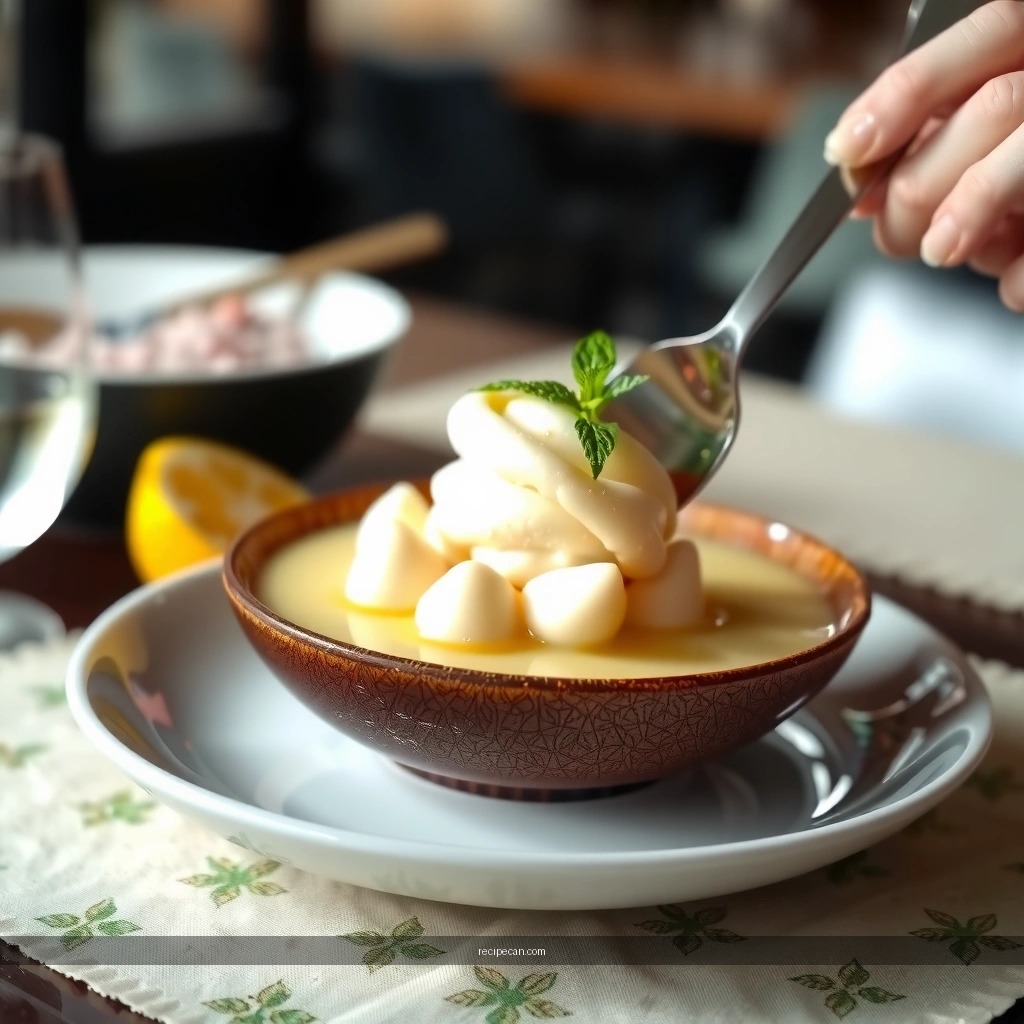
Ina Garten rice pudding is fundamentally a starch-development process. The goal isn’t to “cook rice quickly”—it’s to cook rice thoroughly while allowing milk to thicken naturally.
– Simmer rice gently in milk until fully tender
Use a medium saucepan and bring the milk to a gentle simmer, not a vigorous boil. A rolling boil can break down the texture and increase the risk of scorching on the bottom.
– Stir often to prevent sticking and ensure even thickening
Stirring accomplishes three things:
1. Prevents a film from forming at the base
2. Distributes heat for even tenderization
3. Helps thicken the pudding uniformly as starch disperses
What “done” rice looks like: grains are soft and pleasantly tender when tasted—no chalky center. If you stop early, the pudding may taste undercooked even if it’s thick.
Operational benchmark: if you notice the mixture thickening before the rice is tender, lower the heat slightly and continue simmering with steady stirring. Sometimes you’ll need a small splash of milk to maintain a working simmer.
—
Make It Thick and Smooth
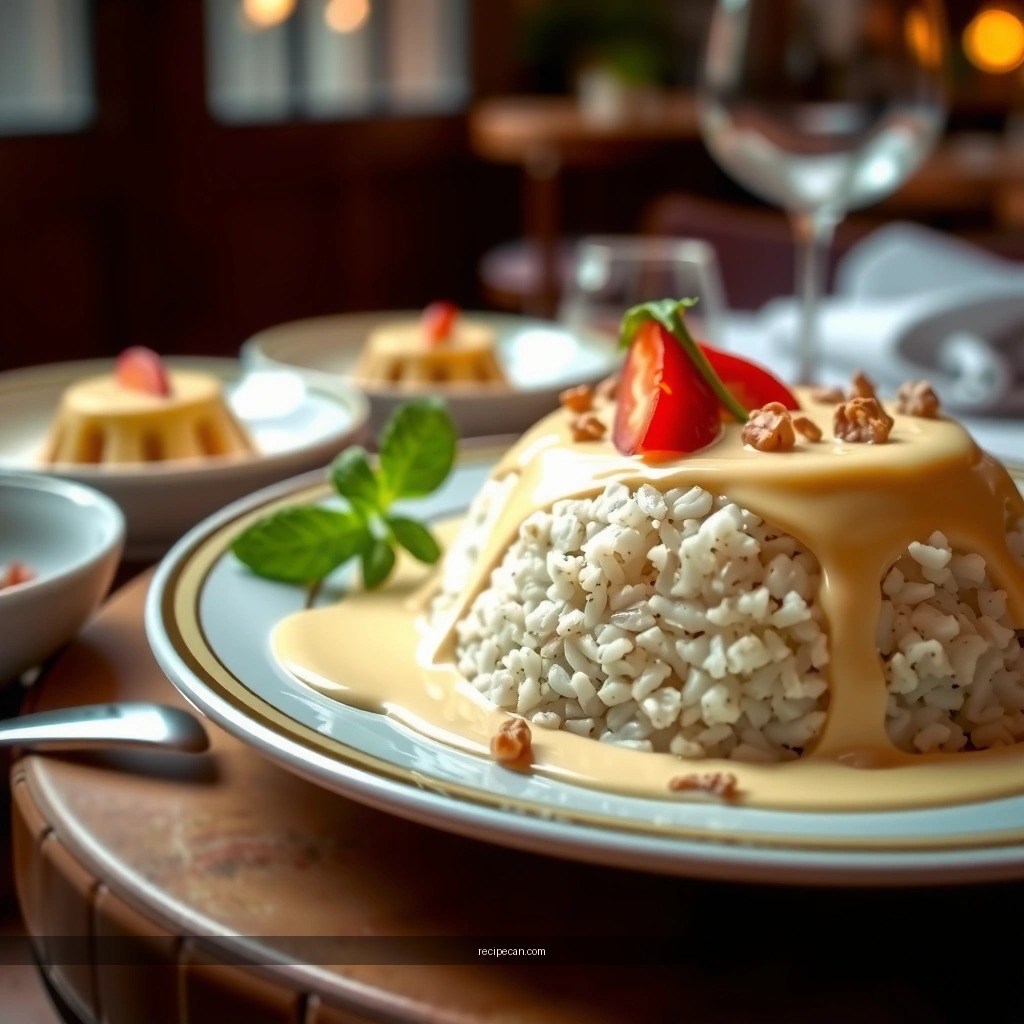
A major reason rice pudding becomes “classic” rather than merely edible is the timing of thickening. You should anticipate that the pudding thickens as it cools, so the target consistency is not the same at the stove as it is in the bowl.
– Let the pudding continue to thicken as it cools
Once your rice is tender and the mixture looks slightly looser than you want, remove it from heat. During cooling, starches continue to hydrate and the dairy base settles into a custardy body.
– Adjust consistency with a splash of milk if needed
If your pudding seems too thick for spooning, don’t fight it on the stove—add milk in small increments (1–2 tablespoons at a time), warm briefly, and stir until integrated. This prevents over-correcting into a watery dessert.
Professional texture target:
– Warm serving: spoonable and glossy, with thick ribbons
– Chilled serving: set and creamy, similar to a soft custard
If you’re serving for an event or planning dessert portions, it’s easier to slightly under-thicken than to over-thicken, because cooling will finish the job.
—
Flavor Boosters (Vanilla, Cinnamon, and More)
Vanilla is non-negotiable for that Ina Garten rice pudding identity, while cinnamon and citrus add an optional layer of warmth and brightness.
– Stir in vanilla at the right time for a fragrant finish
Vanilla can turn dull if boiled aggressively for too long. For best aroma:
– Add vanilla toward the end of cooking, and/or
– Stir it in after removing from heat, when the pudding is hot but not actively boiling
If you’re using cinnamon, keep it modest—too much can overwhelm the milk-and-rice flavor that makes rice pudding comforting.
– Add warm spices or citrus zest for extra depth
Consider adding one of the following:
– Ground cinnamon (classic, cozy)
– Orange zest (brightens without being “dessert-citrus candy”)
– Lemon zest (a subtle lift that balances sweetness)
Balancing guidance: If you add citrus zest, slightly reduce sugar or taste after finishing to prevent a “sweet + sharp” conflict. The goal is harmony, not contrast.
—
Serving Suggestions and Storage Tips
Rice pudding is versatile—warm for comfort, chilled for custard-like structure—and it stores well, which makes it ideal for meal planning.
– Serve warm or chilled for different textures
– Warm: softer, more fluid, and deeply fragrant
– Chilled: thicker, spoon-in-a-custard feel, and easier to portion neatly
If serving chilled, let it rest at least a couple hours in the refrigerator so the texture stabilizes.
– Refrigerate covered and reheat gently, stirring to restore creaminess
Store in an airtight container in the fridge. When reheating:
1. Use low to medium-low heat
2. Add a small splash of milk
3. Stir frequently until smooth
Avoid texture degradation: overheating can cause the pudding to become grainy or separated. Gentle reheating preserves the silky finish.
—
Troubleshooting Common Issues
Even the best rice pudding recipe can go slightly sideways. The good news: most problems have clear fixes if you intervene early.
– If it’s too thin, simmer a few more minutes (or cool longer)
First, confirm that the rice is tender. If the rice is still underdone, continue simmering gently and stirring. If the rice is fully cooked, thickness often comes with cooling—especially over the first 15–30 minutes.
– If it’s too thick, loosen with milk while reheating
Over-thick pudding is almost always fixable. Warm it on the stove and add milk gradually until it becomes spoonable. This is preferable to adding sugar or heavy cream, which can alter the overall balance.
Common root causes to watch for:
– Not enough stirring → uneven thickening or scorching
– Too high heat → milk reduction issues and possible texture breakdown
– Rice not fully cooked → perceived graininess even if flavors are correct
– Vanilla boiled too long → weaker aroma
—
Warm, comforting, and reliably creamy, Ina Garten rice pudding comes together with gentle simmering, frequent stirring, and the right finishing touches. Try the recipe next, then taste and adjust the sweetness and thickness to match your preference—store leftovers for a quick, delicious dessert later.
In summary: use the right rice, simmer slowly in milk, stir to prevent sticking, finish with vanilla at the optimal moment, and plan for thickening during cooling. Follow these steps and you’ll consistently get the classic, spoonable texture that makes Ina Garten rice pudding a go-to comfort dessert.
Frequently Asked Questions
What is Ina Garten’s rice pudding recipe and what ingredients does it use?
Ina Garten’s rice pudding recipe is a comforting, creamy dessert made with uncooked long-grain rice, whole milk (or a mix of milk and cream), sugar, eggs, butter, vanilla extract, and warming spices like cinnamon. Many versions also include salt and optional additions such as raisins for extra sweetness. The key is slow cooking the rice until tender so the pudding turns thick and creamy without being watery.
How do you make Ina Garten rice pudding creamy without it turning watery?
To get creamy Ina Garten rice pudding, cook the rice slowly and allow enough time for the grains to release starch into the milk. Stir regularly, and keep the heat at a gentle simmer rather than boiling aggressively. If it seems loose, continue simmering a bit longer or bake slightly longer (if your method includes baking), since the custard thickens as it cools.
Why does rice pudding sometimes curdle when you add eggs, and how can you prevent it?
Rice pudding can curdle if the eggs are added directly to hot liquid without tempering or if the temperature is too high. To prevent this, whisk the eggs with sugar, then gradually add a small amount of warm milk/rice mixture to the eggs (tempering) before combining. Keep the mixture at a low simmer or off-heat briefly when mixing in the eggs to maintain a smooth custard texture.
Which type of rice works best for Ina Garten rice pudding?
Best results typically come from long-grain white rice, which cooks up tender and provides a creamy texture when simmered in milk. Avoid very short-grain rice unless you want a thicker, stickier pudding, since it changes the final texture. Sticking to the same type Ina Garten uses helps ensure your rice pudding has the intended consistency—soft, creamy, and spoonable.
What’s the best way to serve and store Ina Garten rice pudding?
Serve your Ina Garten rice pudding warm or chilled; it often tastes even better after resting because the custard continues to set. Store leftovers in an airtight container in the refrigerator for up to 3–4 days. If you want to reheat, warm individual portions gently in the microwave with a splash of milk or cream to loosen the texture.
References
- Rice pudding
https://en.wikipedia.org/wiki/Rice_pudding - https://www.britannica.com/topic/rice-pudding
https://www.britannica.com/topic/rice-pudding - Google Scholar Google Scholar
https://scholar.google.com/scholar?q=Ina+Garten+rice+pudding+recipe - Google Scholar Google Scholar
https://scholar.google.com/scholar?q=rice+pudding+recipe+custard+technique - Google Scholar Google Scholar
https://scholar.google.com/scholar?q=arborio+rice+pudding+milk+eggs+vanilla - https://pubmed.ncbi.nlm.nih.gov/?term=rice+pudding
https://pubmed.ncbi.nlm.nih.gov/?term=rice+pudding - https://pubmed.ncbi.nlm.nih.gov/?term=rice+dessert+%22pudding%22+mllk+dairy
https://pubmed.ncbi.nlm.nih.gov/?term=rice+dessert+%22pudding%22+mllk+dairy - https://www.sciencedirect.com/search?qs=rice%20pudding
https://www.sciencedirect.com/search?qs=rice%20pudding - https://pubmed.ncbi.nlm.nih.gov/?term=retrogradation+rice+starch+cooked+rice+pudding
https://pubmed.ncbi.nlm.nih.gov/?term=retrogradation+rice+starch+cooked+rice+pudding - https://pubmed.ncbi.nlm.nih.gov/?term=stability+of+dairy+based+desserts+rice+pudding
https://pubmed.ncbi.nlm.nih.gov/?term=stability+of+dairy+based+desserts+rice+pudding