Ice cream recipe books mix precise technique with bold flavor ideas, guiding you from base ratios to showy finishes. You’ll learn how to balance dairy, sweetness, and texture, then layer in clever riffs like salted caramel or citrus kiss. The best titles map out clean prep, steady churning, and thoughtful serving, plus tips to record outcomes and refine your approach. Want a roadmap that makes every scoop sing? Keep going and you’ll uncover more exacting secrets and inspiration.
Ingredients and Quantity
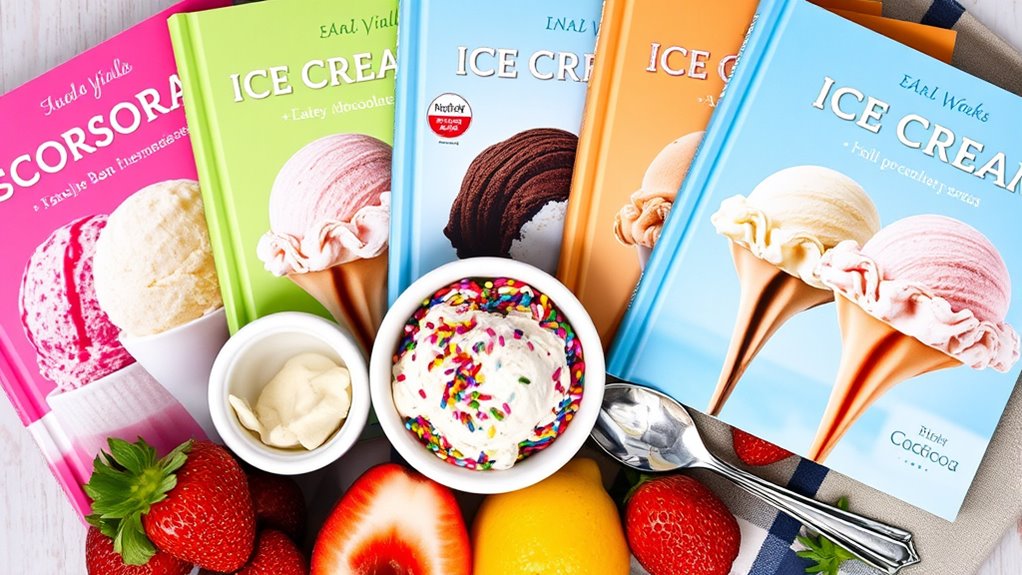
To make ice cream shine, start with a precise balance of ingredients and their quantities, since even small tweaks can alter texture and flavor. You’ll control creaminess, sweetness, and body by weighing milk, cream, sugar, and stabilizers with intent, not guesswork. Flavor combinations emerge from proportion and timing, while ingredient substitutes keep the mission flexible without losing control. Keep your core ratios steady, then adjust accents to taste.
| Ingredient | Typical Amount | Purpose |
|---|---|---|
| Cream | 2 cups | Fat for richness |
| Milk | 1 cup | Fluid balance |
| Sugar | 3/4 cup | Sweetness and texture |
| Egg yolk* | 2 | Emulsification (optional) |
| Vanilla | 1 tsp | Aroma and cohesion |
*Use egg-free substitutes if desired; you’re free to innovate.
Preparations
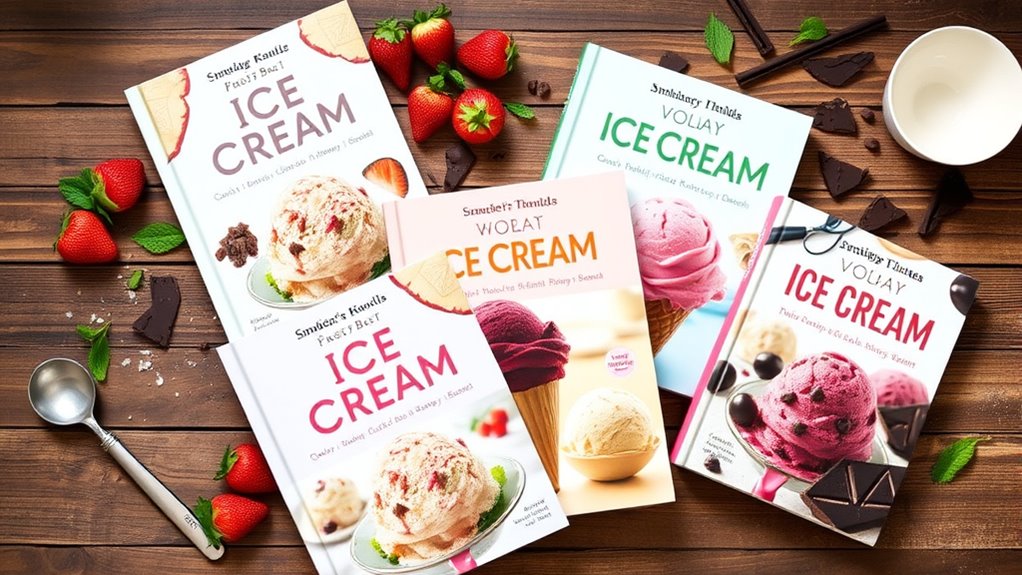
Getting from precise ingredients to smooth ice cream starts with clean, purposeful prep. You’ll map your workflow, separating tasks so every step feels intentional rather than rushed. Preparation techniques matter: measure, chill, and align your equipment before you touch the mix. You’re not just gathering tools; you’re engineering consistency, so the texture stays faithful to your vision. Assemble your essential tools—stainless bowls, a reliable thermometer, a sturdy whisk, a dependable churn, and spoons that don’t cling to the cold. Keep your workspace organized, wipe spills promptly, and label components to prevent cross-contamination. With disciplined prep, you safeguard flavor and avoid surprises. This mindset honors freedom, letting you improvise confidently while maintaining control over every swirl, scoop, and bite.
How to Cook
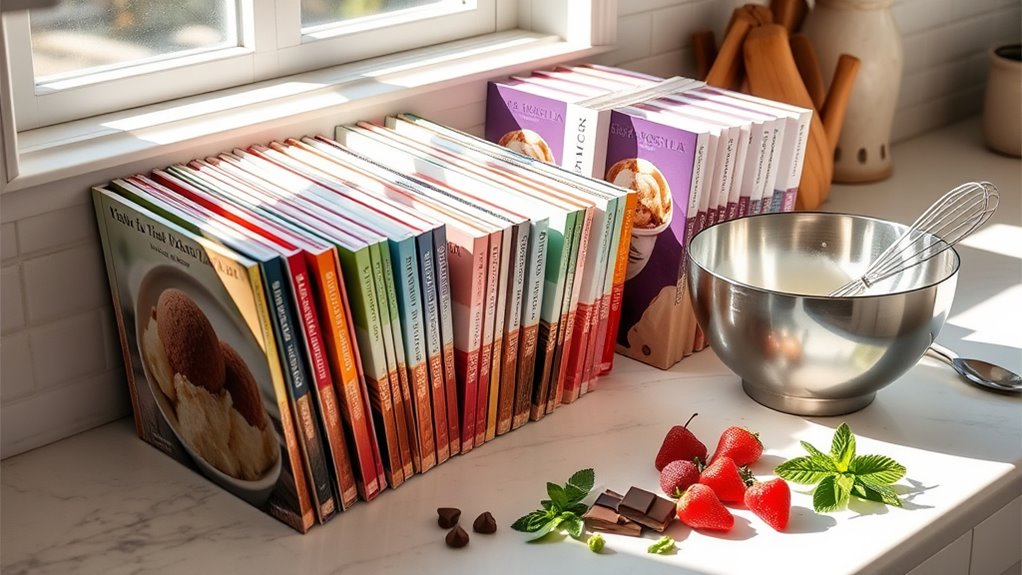
- Understand base ideas: balance sweetness with dairy richness, then fold in ice cream flavors that spark curiosity.
- Calibrate heat: maintain a gentle simmer, whisk steadily, and cool gradually to ensure smoothness without graininess.
- Hone cooking techniques: temper yolks carefully, manage expectations, and trust your palate to assess thickness and gloss.
- Finish with purpose: chill the mixture thoroughly, churn confidently, and achieve a texture that matches your desired bite.
- Lead the process by tasting honestly, refining continuously, and demonstrating that mastery comes from disciplined practice.
How to Serve
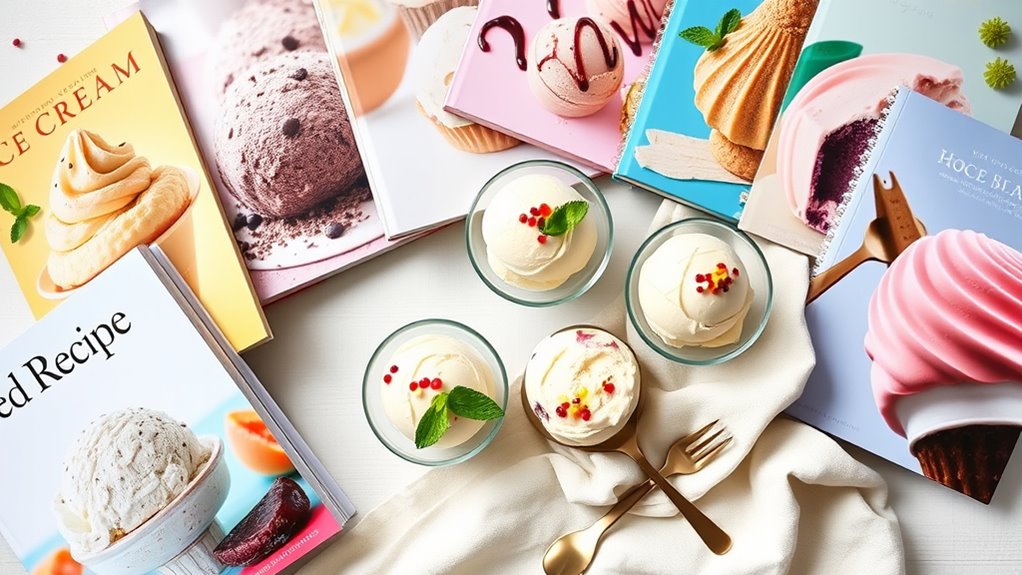
Ice cream isn’t just a treat; it’s the finishing touch that can elevate a dessert, a scoop that should sing with contrast and balance. You’ll serve with intention, choosing a vessel that flatters flavor and palette. Consider serving styles that respect texture: a quenelle for elegance, a scooped crown for rustic charm, or a spun sugar nest for drama. Pair sauces sparingly to avoid overwhelming the base, letting the ice cream lead. Presentation ideas matter as much as taste: a clean plate, a subtle garnish, a napkin print that echoes the flavor story. Temperature matters too—serve in a moment of peak creaminess, not too cold, not melted. In this domain, confidence wins; your serving becomes a signature, a deliberate, delicious statement.
Tips
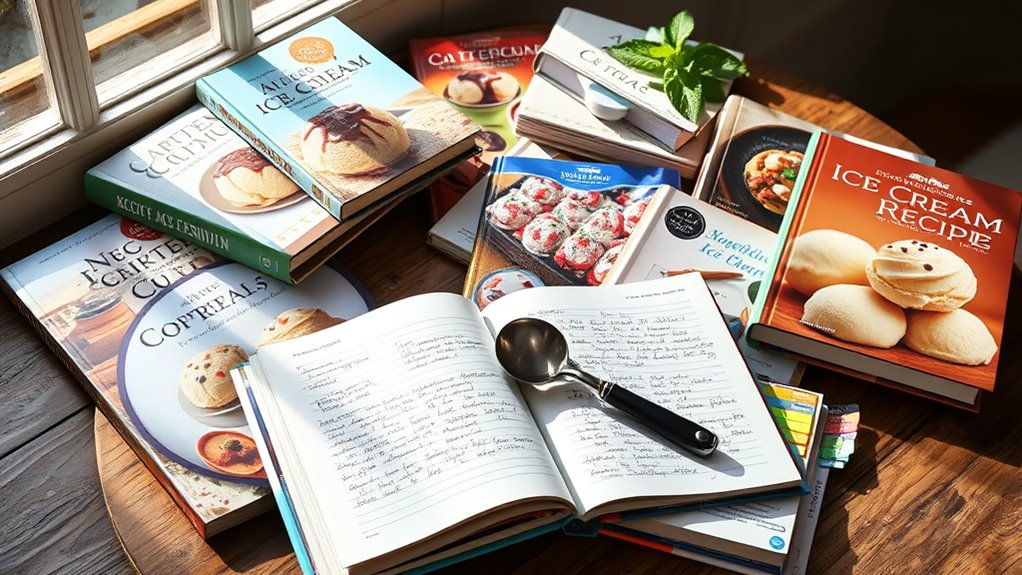
A smart ice cream habit starts with a few practical moves you can rely on every time. You’ll tune texture, balance, and daring flavors without overthinking. Trust small, repeatable steps that sharpen your taste and widen your flavor vocabulary—then ride the freedom to experiment.
- Build flavor combinations with contrast: salty-sweet, tart-sweet, and smoky-sweet to keep creativity alive.
- Freeze in stages for creaminess: churn, rest, then churn again if needed—silky texture rewards restraint.
- Pair serving suggestions with context: warm toppings, fresh fruit, or bold sauces elevate every scoop.
- Note outcomes, not excuses: record what worked, what surprised you, and what you’ll try next time.
Food Value and Benefit
Ice cream is more than just a sweet treat; it offers valuable nutrition and benefits when made with quality ingredients and enjoyed mindfully. This delicious dessert provides nourishment, mood enhancement, and a balanced indulgence experience.
Food Value of Ice Cream:
- Made with protein-rich dairy, which supports muscle repair and growth.
- Contains vitamins such as Vitamin A (important for vision and immune function) and Vitamin D (aids calcium absorption and bone health).
- Includes minerals like calcium (essential for strong bones and teeth) and phosphorus (supports energy metabolism).
- When fruit add-ins are included, it also provides Vitamin C and antioxidants.
Benefits of Eating This Ice Cream Recipe:
- Supports muscle and bone health through calcium and protein content.
- Enhances mood and provides comfort, contributing to overall well-being.
- Offers a balanced source of energy with controlled portion sizes to avoid excessive calorie intake.
- Encourages mindful eating habits by pairing with fiber-rich toppings to moderate blood sugar spikes.
- Provides a satisfying treat that combines nutrition with indulgence, making it easier to maintain a healthy lifestyle.
Enjoy this ice cream as a thoughtful and nourishing dessert that balances flavor with health benefits.
Frequently Asked Questions
Where Can I Find Vegan Ice Cream Recipes in These Books?
You’ll find vegan ice cream recipes in these books by exploring sections on vegan ingredients and gluten-free bases, then check recipe variations. You’ll uncover clever, descriptive directions you can adapt, embracing freedom while you craft luscious, dairy-free treats.
Do These Books Include Step-By-Step Troubleshooting for Crystals?
Yes, these books include troubleshooting techniques for crystal formation, with clear step-by-step guidance. You’ll learn to spot issues, apply clever fixes, and master crystal control, empowering you to pursue smooth textures and culinary freedom with confidence.
Are There Allergy-Friendly Options Besides Dairy-Free?
Yes, there are allergy-friendly options beyond dairy-free, including nut free options and gluten free recipes. You’ll discover clever, confident choices that empower your kitchen freedom, with practical tips you can trust for safe, delicious results.
Do They Offer Seasonal Fruit Ice Cream Ideas?
Yes, they offer seasonal flavors and fruit combinations, with ideas you can customize. You’ll discover seasonal flavors that pair well, and practical tips to riff on fruit combinations, embracing bold freedom while keeping it clever and authoritative.
Can I Substitute Sugar With Natural Sweeteners in Recipes?
Yes, you can substitute sugar with natural sweeteners in many recipes. Experiment with natural sweeteners and sugar alternatives, adjusting texture and sweetness. You’ll find flavor freedom, but monitor stability and freezing points to keep that creamy scoop perfect.
Frequently Asked Questions about Ice Cream Recipe Books
1. What types of ice cream recipes can I find in ice cream recipe books?
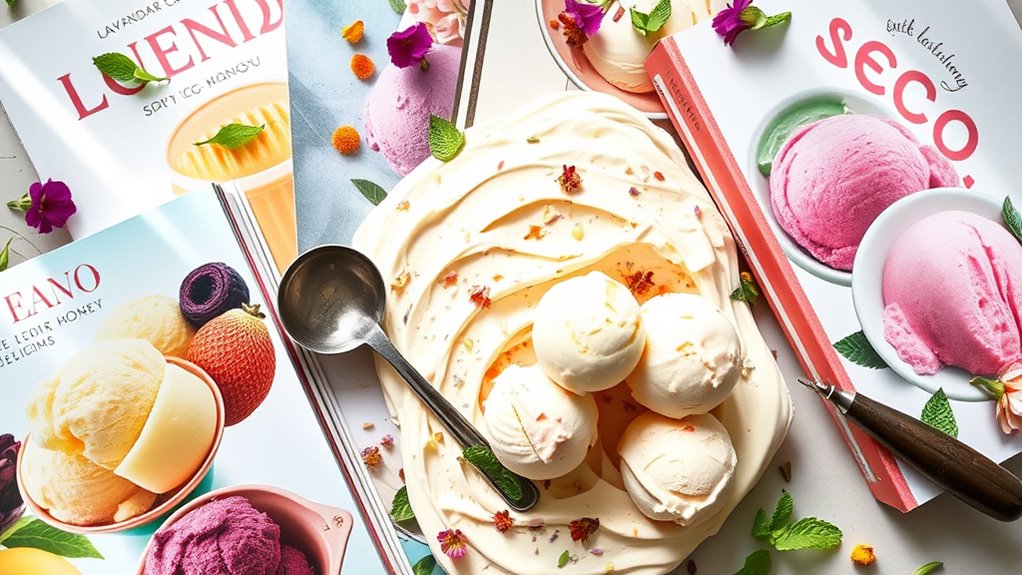
Ice cream recipe books typically offer a wide variety of recipes ranging from classic flavors like vanilla and chocolate to more unique and gourmet options such as lavender honey or matcha green tea. You may also find recipes for non-dairy and vegan ice creams, sorbets, gelatos, and ice cream cakes. Many books also include tips on making ice cream without an ice cream maker, using alternative sweeteners, and incorporating mix-ins and toppings.
2. Are ice cream recipe books suitable for beginners?
Yes, many ice cream recipe books are designed with beginners in mind. They often include step-by-step instructions, essential tips for equipment and techniques, and explanations of basic ingredients. Look for books that have a section dedicated to beginners or that are specifically labeled as “easy” or “beginner-friendly.” Some may also offer troubleshooting tips for common issues that new ice cream makers might encounter.
3. Do I need an ice cream maker to use ice cream recipe books?
While having an ice cream maker can simplify the process and yield smoother textures, many ice cream recipe books provide methods for making ice cream without one. No-churn recipes often use a whipped cream base or a mixture of sweetened condensed milk and cream, allowing you to freeze the mixture in a regular container. Be sure to check the recipes for techniques that suit your equipment and preferences.
4. How do I choose the best ice cream recipe book for my needs?
When selecting an ice cream recipe book, consider your skill level, dietary preferences, and the types of recipes you are interested in. Read reviews and look for books that feature a variety of flavors and techniques. Additionally, check if the book includes helpful tips on equipment, ingredients, and troubleshooting. Browsing through sample pages or chapters can also give you a sense of the writing style and presentation of the recipes.
5. Can I adapt recipes from ice cream recipe books to create my own flavors?
Absolutely! Many home ice cream makers enjoy experimenting with flavors and adapting existing recipes. Start by understanding the base recipe and how different ingredients affect texture and taste. You can substitute ingredients, add mix-ins, or infuse flavors like herbs and spices. Just be cautious with the ratios, especially with sugar and fat content, as these can impact freezing and consistency. Take notes on your adaptations to refine your favorite combinations!
References
- https://en.wikipedia.org/wiki/Ice_cream
- https://www.icecream.com/ice-cream-history/
- https://extension.unh.edu/resource/ice-cream-guide-ice-cream-recipes
- https://www.foodsafety.gov/keep/charts/icecream.html
- https://www.ncbi.nlm.nih.gov/pmc/articles/PMC4771963/
- https://www.ars.usda.gov/ARSUserFiles/20360500/icecream.pdf
- https://www.sciencedirect.com/science/article/pii/S0958694617302373
- https://www.culinaryschools.org/faq/how-to-make-ice-cream/
- https://www.acs.org/content/acs/en/education/resources/highschool/chemistryclubs/ice-cream.html