Making grape juice at home is straightforward and rewarding, especially when you want a fresh, natural beverage without additives. This simple recipe will guide you through the process, ensuring you achieve a rich, flavorful juice that surpasses store-bought options. With just a few ingredients and minimal equipment, you can enjoy the pure taste of grapes in no time.
Making grape juice at home is a delightful and straightforward process that results in a fresh, delicious beverage. In just a few steps, you can transform ripe grapes into a refreshing drink that’s perfect for any occasion. This recipe is not only easy but also allows you to control the sweetness and flavor, making it a favorite for families and gatherings.
Recipe Overview
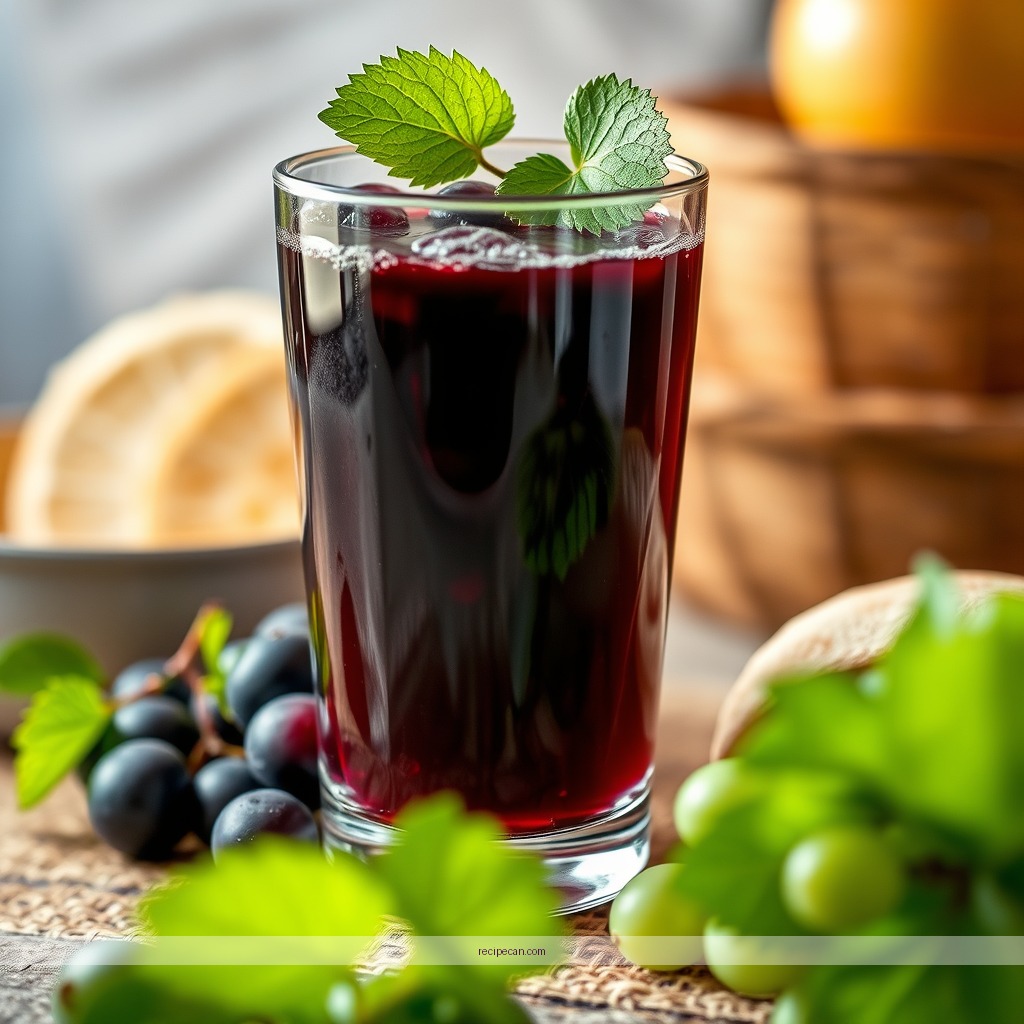
Homemade grape juice is a wonderful way to enjoy the natural sweetness of grapes without any additives. This recipe is easy enough for beginners but impressive enough to share with friends. You can expect to make about 4 cups of juice, perfect for serving at a picnic or enjoying on a cozy afternoon. The vibrant color and rich flavor will elevate any meal, and knowing exactly what goes into your juice makes it even more satisfying.
Time Required
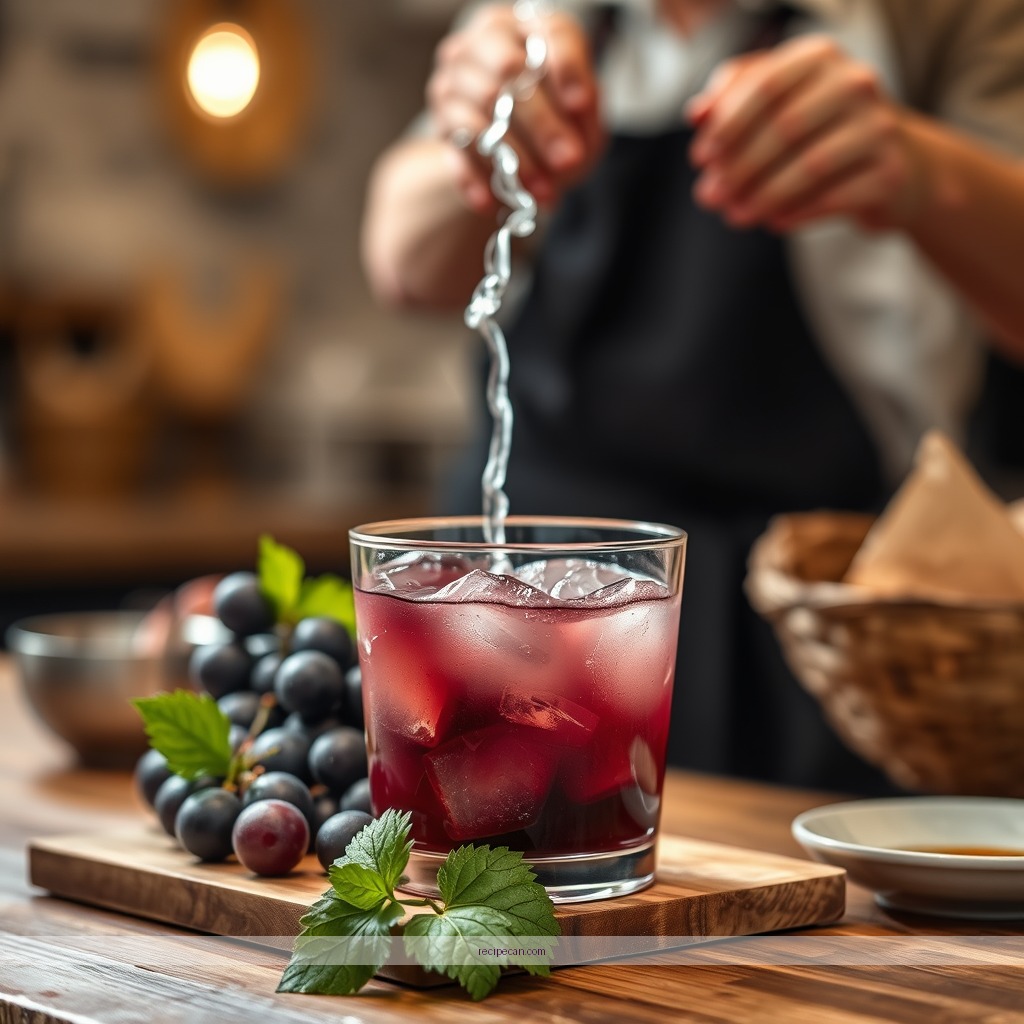
– 🕐 Prep Time: 10 minutes
– 🍳 Cook Time: 15 minutes
– ⏱ Total Time: 25 minutes
Ingredients
Fresh, high-quality ingredients are key to great grape juice. Use ripe grapes for the best flavor and consider organic options if available. Here’s what you’ll need:
Main Ingredients
– 2 pounds of ripe grapes (red or green)
– 1 cup of water
– Sugar to taste (optional)
These ingredients are not only simple but also versatile; you can experiment with different grape varieties to find your favorite flavor profile. Concord grapes, for example, will yield a deeper, richer juice, while green grapes will provide a lighter, crisper taste.
Step-by-Step Instructions
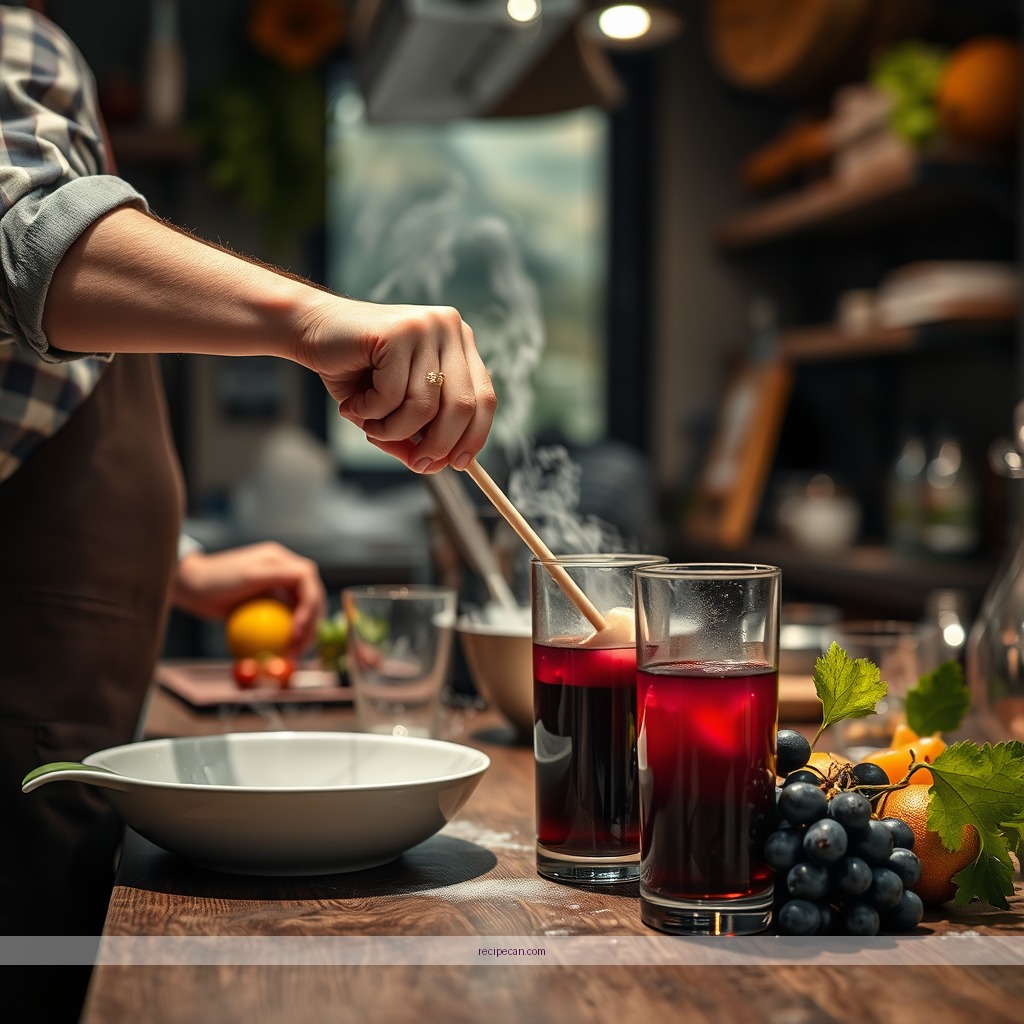
1. Wash the Grapes: Begin by rinsing the grapes under cool water to remove any dirt or residues. It’s essential to ensure they are clean, as this will affect the final flavor.
2. Remove Stems: Carefully remove the grapes from their stems and place them in a large pot. This step is important as it prepares your grapes for cooking.
3. Add Water: Pour 1 cup of water into the pot with the grapes. This helps to extract the juice during cooking and prevents the grapes from sticking to the bottom of the pot.
4. Cook the Grapes: Heat the pot over medium heat until it starts to boil. Then reduce the heat to low and let it simmer for about 15 minutes, stirring occasionally. You’ll know it’s ready when the grapes are soft and bursting, releasing their juices.
5. Mash the Grapes: Use a potato masher or a fork to gently mash the grapes. This will help release even more juice and create a richer texture.
6. Strain the Juice: Pour the mixture through a fine mesh strainer or cheesecloth into a clean container to separate the juice from the skins and seeds. Be sure to press down on the solids to extract as much liquid as possible.
7. Sweeten (Optional): Taste the juice and add sugar if desired. Stir until dissolved, then chill before serving. Adjust the sweetness according to your preference, as some may prefer a more natural, less sweet flavor.
Heat & Temperature Guide
Cooking Method
This recipe employs a gentle simmering method, which is ideal for extracting the natural flavors from the grapes without compromising their integrity.
Temperature & Timing
Keep the heat at medium when boiling, then reduce to low during the simmering phase. This controlled temperature ensures the grapes soften adequately without becoming overly mushy or burnt.
How to Know It’s Done
The grapes are ready when they appear soft and have burst open, releasing their juices. Look for a vibrant color and a fragrant aroma as they cook, which indicates that the flavors are developing beautifully.
What to Avoid & Precautions
Making grape juice is simple, but there are a few things to keep in mind to ensure the best results.
Overcooking the Grapes
Avoid cooking the grapes for too long, as this can lead to a bitter taste due to the breakdown of sugars. Keep an eye on them and remove them from heat once they are soft.
Not Straining Properly
If you skip the straining step, your juice may end up gritty with pulp. Make sure to strain thoroughly for a smooth finish. Using a fine mesh strainer or cheesecloth will yield the best results.
Common Mistakes & How to Fix Them
Too Sweet or Not Sweet Enough
If your juice is too sweet, dilute it with a little water. Conversely, if it’s too tart, add a bit more sugar and stir until combined. It’s all about tailoring the flavor to your liking.
Grapes of Poor Quality
Using overripe or moldy grapes can spoil the juice. Always choose fresh, healthy grapes for the best taste. When shopping, look for firm, plump grapes with no blemishes.
How to Serve
Serving Temperature
Serve grape juice chilled for the most refreshing experience. Alternatively, it can also be enjoyed warm as a comforting drink during the colder months.
What Goes Well With It
Grape juice pairs wonderfully with cheese, crackers, or as a refreshing drink at barbecues and parties. Consider serving it alongside charcuterie boards or fruit platters for an appealing presentation.
Storage & Reheating
Store any leftover juice in an airtight container in the refrigerator for up to one week. It can be enjoyed cold or gently reheated on the stove. If reheating, do so slowly to prevent boiling, which could alter the taste.
Top 7 Grape Varieties for Juice (2023)
| # | Grape Variety | Flavor Profile | Best For | Sweetness Level |
|---|---|---|---|---|
| 1 | Concord | Rich and bold | Juice and jelly | High |
| 2 | Thompson Seedless | Sweet and mild | Snacking and juice | Medium |
| 3 | Chardonnay | Crisp and fruity | White wine and juice | Medium |
| 4 | Cabernet Sauvignon | Bold and complex | Red wine and juice | Low |
| 5 | Merlot | Smooth and fruity | Red wine and juice | Medium |
| 6 | Zinfandel | Fruity and spicy | Juice and wine | Medium |
| 7 | Riesling | Sweet and aromatic | Sweet wine and juice | High |
Enjoy your homemade grape juice! It’s a simple yet satisfying way to celebrate the flavors of fresh grapes, and I encourage you to share it with friends and family. So grab those grapes and start juicing!
Frequently Asked Questions
What are the basic ingredients needed for a homemade grape juice recipe?
To make homemade grape juice, you will need fresh grapes, water, and sugar (optional). The type of grapes you choose can affect the flavor; for a sweeter juice, use Concord grapes, while for a more tart flavor, consider using green grapes. You can adjust the sugar based on your taste preference.
How do you extract juice from grapes at home?
To extract juice, start by washing the grapes thoroughly and removing any stems. Place the grapes in a pot with a little water and heat them over medium heat, mashing them gently as they cook to release the juice. After about 15-20 minutes, strain the mixture through a fine mesh sieve or cheesecloth to separate the juice from the pulp.
Why is it better to make grape juice at home rather than buying it?
Making grape juice at home allows you to control the ingredients, ensuring there are no added preservatives or artificial flavors. Additionally, homemade grape juice can be tailored to your taste preferences, whether you want it sweeter or with a hint of tartness. This also often results in a fresher and more vibrant flavor compared to store-bought options.
What is the best way to store homemade grape juice?
The best way to store homemade grape juice is to refrigerate it in a clean, airtight container, where it can last for about 3 to 5 days. For longer storage, consider freezing the juice in freezer-safe containers or ice cube trays, which can preserve its freshness for several months. Be sure to leave some space in the containers, as the juice will expand when frozen.
Which types of grapes are best for making juice?
The best types of grapes for making juice are Concord grapes, which are sweet and juicy, making them ideal for a rich, flavorful juice. Other good options include muscadine grapes for a robust flavor and red or green table grapes for a lighter, crisper taste. Experimenting with different grape varieties can enhance the uniqueness of your homemade grape juice.
References
- Grape juice
https://en.wikipedia.org/wiki/Grape_juice - Checking your browser – reCAPTCHA
https://www.ncbi.nlm.nih.gov/pmc/articles/PMC6266220/ - Use of network meta-analysis in clinical guidelines – PMC
https://www.ncbi.nlm.nih.gov/pmc/articles/PMC5043215/ - https://www.sciencedirect.com/topics/agricultural-and-biological-sciences/grape-juice
https://www.sciencedirect.com/topics/agricultural-and-biological-sciences/grape-juice - https://www.mayoclinic.org/healthy-lifestyle/nutrition-and-healthy-eating/in-depth/juice-and-health/art-20045423
https://www.mayoclinic.org/healthy-lifestyle/nutrition-and-healthy-eating/in-depth/juice-and-health/art-20045423 - https://www.healthline.com/nutrition/grape-juice-benefits
https://www.healthline.com/nutrition/grape-juice-benefits - https://www.britannica.com/topic/grape-juice
https://www.britannica.com/topic/grape-juice - https://www.cdc.gov/nutrition/resources-publications/fruit-juice.html
https://www.cdc.gov/nutrition/resources-publications/fruit-juice.html - Google Scholar Google Scholar
https://scholar.google.com/scholar?q=grape+juice+recipe - Google Scholar Google Scholar
https://scholar.google.com/scholar?q=health+benefits+of+grape+juice