
You start a smoker, and the first smell that hits is sweet-hot honey melting across a meatloaf. This version layers heat and caramelized flavor by folding a little hot honey into the mix, then brushing on more during the last stretch so the surface sets without drying out. Cook to 160°F in the center, and you will get a slice that is smoky, juicy, and glossy.



Smoke it low and slow, then brush hot honey on during the last 15–25 minutes so it turns sticky and caramelized instead of burnt. Hot honey smoked meatloaf is a juicy meatloaf cooked low and slow, then glazed with sweet heat near the end so it turns sticky and caramelized. You’ll learn exactly how long to smoke it, when to add the hot honey, and how to avoid a dry loaf. By the end, you’ll have a smoky, spicy-sweet slice that tastes like it came from your best BBQ night.
If you like meatloaf but want something more exciting than ketchup-only, this one’s for you. It’s also perfect when you want a comfort-food centerpiece that feels a little “special” without being fussy.
Recipe Overview

– This smoked meatloaf gets its flavor from the grill/smoker and its “wow” from a hot honey glaze.
– The glaze goes on late so the honey doesn’t burn and the heat stays bright.
– It’s great for family dinners, cookouts, and meal prep—expect a hearty, sliceable loaf.
What makes this recipe work is the combination of slow smoke (which gently renders fat for tenderness) and late glaze timing (which gives you that glossy, caramelized surface). Instead of relying on a sweet ketchup blanket, hot honey adds both sweetness and heat—so every bite tastes like BBQ with a modern twist. Difficulty is beginner-friendly as long as you use a thermometer and don’t overmix the meat.
Time Required

– 🕐 Prep Time : 20 minutes
– 🍳 Cook Time : 2 hours 30 minutes
– ⏱ Total Time : 3 hours 10 minutes (+ 10 minutes resting)
Tip: Most of your time is hands-off while the smoker does the work.
Ingredients
Hot honey brings sweet heat, but the base matters just as much—fatty ground meat and the right binder keep everything tender. Breadcrumbs soaked in milk prevent the loaf from drying out, even while smoke slowly drives off moisture. If you don’t have smoked paprika, regular paprika still works; just don’t expect the same “BBQ” depth. For the hot honey, you can use a store-bought jar or make it by simmering honey with chili flakes.
Main Ingredients
– 2 lb (900 g) ground beef (80/20 is ideal), or mix beef + pork
– 1 cup (120 g) breadcrumbs (or panko for a slightly firmer bite)
– 1 small onion, finely diced
– 2 cloves garlic, minced
– 1/2 cup (120 ml) milk (or broth)
– 1 large egg
– 2 tbsp Worcestershire sauce
– 1 tbsp smoked paprika
– 1/2 tsp black pepper
– 1 1/2 tsp salt (adjust if using salty Worcestershire)
Hot Honey Glaze
– 1/3 cup hot honey
– 2 tbsp ketchup (optional, helps the glaze cling)
– 1 tbsp butter (optional, for a shinier finish)
Optional Garnish
– Crushed red pepper, flaky salt, or chopped parsley
Step-by-Step Instructions
– Mix the loaf gently so it stays tender (overmixing makes it tough).
– Smoke low and slow, then glaze in the final stage for sticky caramelization.
– Rest before slicing—this is the step most people rush, but it makes all the difference.
1. Preheat your smoker.
Aim for 225°F (107°C). If your smoker needs time to stabilize, let it—steady heat is what keeps the loaf juicy. Consistency matters more than “perfect” temperature; swings can dry the edges while the center lags behind.
2. Soak the breadcrumbs.
In a bowl, combine breadcrumbs and milk. Let it sit for 3–5 minutes so the crumbs absorb the liquid. This step helps the meatloaf hold moisture and slice cleanly instead of crumbling.
3. Mix the meatloaf base.
Add ground meat, onion, garlic, egg, Worcestershire, smoked paprika, salt, and pepper to the bowl. Mix with your hands just until everything is evenly combined—stop before it looks overworked. If you see streaks of egg or floury crumbs, mix a few seconds more; if it looks smoothed out like paste, you’ve gone too far.
4. Shape for even cooking.
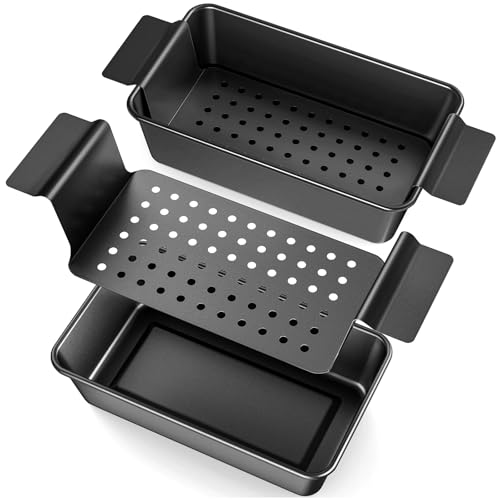
Form the mixture into a loaf (about the same thickness all the way across). If you’re using a loaf pan or smoker-friendly rack, keep it sturdy so it doesn’t spread unevenly. Uneven thickness is one of the most common reasons one side gets dry while the other side finishes late.
5. Smoke until nearly done.
Place the loaf in the smoker and cook until it reaches about 155°F (68°C) in the center. This usually takes about 2 to 2.5 hours, depending on your smoker and loaf thickness. For best control, insert a probe thermometer into the thickest part so you’re not guessing with timing.
6. Glaze with hot honey (the important late step).
Mix hot honey (and optional ketchup/butter) in a small bowl. Brush generously over the loaf, then smoke another 15–25 minutes until the glaze is tacky and looks slightly darkened. Adding glaze too early can scorch the sugars—so treat this as a “final-stage” move.
Pull the loaf and rest for 10 minutes before slicing. This helps the juices settle so you don’t get crumbled slices. Slice against the grain (or simply cut thick, even portions) and spoon off any extra sticky glaze at the top.
Heat & Temperature Guide
Low-and-slow smoking is the best match for meatloaf because it renders fat gradually and helps the loaf stay tender. The sweet hot honey glaze is added near the end so it caramelizes without scorching.
Temperature & Timing
– Smoker temperature: 225°F (107°C)
– Cook target before glaze: 155°F (68°C)
– Final target after glaze: 160–165°F (71–74°C)
– Glaze window: 15–25 minutes in the final stage
Ground meat safety matters here: According to USDA FSIS, ground beef should be cooked to at least 160°F (71°C) (USDA FSIS, 2024). That aligns with your “near done” checkpoint for glaze and your final “slice-ready” range. Also, According to USDA FSIS, the Temperature Danger Zone is 40–140°F (4–60°C) (USDA FSIS, 2024), so don’t leave meatloaf sitting at room temp while you wait on the smoker.
How to Know It’s Done
– The center should read 160–165°F (71–74°C) on an instant-read thermometer.
– The glaze should look sticky, not watery—think “set and glossy.”
– When you lift the loaf with a spatula, the outside should feel firm while the center still gives slightly.
To make it easier to reason about doneness, use these temperature checkpoints as a planning aid.
Smoked Meatloaf Internal-Temp Checkpoints (Target-Based)
| # | Stage | Center Temp | What It Indicates | Typical Smoker Progress | Moist Slice Rating |
|---|---|---|---|---|---|
| 1 | Early Smoke | 125°F (52°C) | Breadcrumbs hydrate, fats are just starting to render | ~45–65 min | ★★☆☆☆ |
| 2 | Steady Carryover | 140°F (60°C) | Center is warming through; moisture loss still moderate | ~75–95 min | ★★★☆☆ |
| 3 | Approaching Glaze Prep | 150°F (66°C) | Most internal heat is in the center; avoid glazing yet | ~95–120 min | ★★★★☆ |
| 4 | Glaze Target Start | 155°F (68°C) | Ideal moment to brush hot honey and start tackiness | ~120–150 min | ★★★★★ |
| 5 | Post-Glaze Safety Sweet Spot | 160°F (71°C) | Tender slices with reliable safety; glaze is glossy | ~15–25 min glaze | ★★★★★ |
| 6 | Slightly Firmer Finish | 165°F (74°C) | A bit firmer crumb; excellent if serving to kids | ~25–35 min total glaze/finish | ★★★★☆ |
| 7 | Overcooked Edge Risk | 170°F (77°C) | More moisture loss; glaze can go past “tacky” to dry | Late/extended cook | ★★☆☆☆ |
And if you’re deciding how hard to push the heat, here’s a quick comparison of smoke approaches:
| Approach | Pros | Cons |
|---|---|---|
| 225°F low-and-slow (recommended) | Renders fat gradually for tenderness; best control for late glaze timing | Takes longer than high-heat methods |
| Higher heat (e.g., ~275–300°F) | Faster cook | Greater risk of dry loaf and uneven center—harder to hit the glaze window |
| Oven-baked meatloaf (no smoke) | Most consistent indoors; still sliceable and easy | No real smoke flavor—hot honey becomes the only “big” flavor note |
What Can Go Wrong & How to Fix It
These are common hiccups with smoked meatloaf. The good news: you can prevent most of them with small adjustments.
Overmixing = a tough loaf
If your loaf feels dense, it’s usually because the meat was mixed too aggressively. Why: overmixing tightens proteins and squeezes out fats. Fix: mix just until the ingredients disappear into the meat—no need for a perfectly uniform paste.
No thermometer = undercooked or dry slices
Meatloaf can look “done” before it actually is. Use a thermometer and cook to 160–165°F (71–74°C) for reliable results. If you don’t have one, the best backup is to cut and check—but that’s also how you lose juices, so it’s a last resort.
Glaze added too early = burnt honey
Hot honey can scorch if it goes on at the start. Brush it on during the last 15–25 minutes only. If you accidentally glazed early, keep cooking but skip extra glaze until the final pass—then apply a thinner layer.
Loaf crumbles when sliced
That’s often from skipping the rest time or shaping too thin. Rest 10 minutes and aim for a consistent loaf thickness. Also, use a wide spatula and lift from underneath instead of trying to drag slices.
Food safety: ground meat needs proper internal temp
Ground meat should be cooked to at least 160°F (71°C). If you’re cooking for kids, prefer the higher end (165°F / 74°C) for extra peace of mind. For leftovers, According to USDA FSIS, you should reheat leftovers to 165°F (74°C) (USDA FSIS, 2024) to reduce risk.
Common Mistakes & How to Fix Them
These are the specific “small choices” that tend to produce big results—usually in the wrong direction at first.
Skipping the breadcrumb soak
If breadcrumbs go in dry, they can steal moisture from the meat as it smokes. You’ll notice a drier crumb and a tougher bite. Fix: soak breadcrumbs in milk for 3–5 minutes before mixing.
Too much glaze brushing (thick layers too soon)
Thick honey layers can run off and then burn on the edges before the center is ready. Fix: brush a solid coating once, during the last 15–25 minutes, then let it set—don’t keep applying multiple times.
Cooking by time alone
Smokers vary by airflow, fuel, and weather. Fix: use your center temperature as the anchor (155°F before glaze; 160–165°F after).
Resting for less than 10 minutes
If you slice right away, juices escape and slices fall apart. Fix: hold the loaf 10 minutes; you’ll cut cleaner and get more glossy glaze on each serving.
How to Serve
This meatloaf is built for hearty plates and real fork-and-knife comfort. Serve it hot with sides that can catch the extra hot honey glaze.
Plating & Presentation
Slice into thick, even portions and place them slightly overlapping so the glaze shows on top. If you want a restaurant-style finish, spoon a teaspoon of glaze from the tray over each slice right before serving. Garnish with a light pinch of crushed red pepper or chopped parsley to add color contrast.
What Goes Well With It
– Creamy mashed potatoes (perfect for absorbing sticky glaze)
– Charred corn or smoked green beans for a BBQ-friendly vibe
– Tangy coleslaw to cut through the sweetness and heat
– Crusty bread for “glaze dipping”
Serving Temperature
Serve at warm-hot, ideally right after the 10-minute rest and slice. If it sits too long, the glaze firms and the slice can dry at the edges—reheat gently only if needed.
Storage & Reheating
Store leftovers in an airtight container in the fridge for up to 3–4 days. Reheat slices in the oven at a low temperature (covered) or microwave with a splash of moisture to keep the loaf tender. For safe reheating, According to USDA FSIS, reheat leftovers to 165°F (74°C) (USDA FSIS, 2024).
Verdict & Scannable Checklist
This Hot Honey Smoked Meatloaf is worth making if you want classic comfort food with a BBQ-style smoky finish and a sweet-heat glaze that really pops. Skip this approach if you don’t have a way to hold low heat (smokers/smoker-like stable grills) or if you can’t use a thermometer—guessing is the one part that can ruin the outcome.
Quick checklist (save this):
| Step | Look for |
|---|---|
| Smoker temp | **225°F (107°C)** steady |
| Before glaze | Center hits **~155°F (68°C)** |
| Add hot honey | Last **15–25 minutes** only |
| Finish temp | **160–165°F (71–74°C)** |
| Slice | Rest **10 minutes** first |
If you want, tell me what size loaf you’re cooking and what smoker/grill you have, and you can use this process to dial in timing more closely. Then fire it up—hot honey and smoke are a seriously great combo for an easy “make them ask for the recipe” dinner.
Frequently Asked Questions
What is hot honey smoked meatloaf?
Hot honey smoked meatloaf is a classic meatloaf cooked in a smoker and finished with a sweet-and-spicy hot honey glaze. The smoking process adds a deep, savory flavor, while the hot honey brings heat, tang, and caramelized sweetness on top. This combination helps the meatloaf stay flavorful and moist, especially when you use a glaze during the final stage of smoking.
How do you make a hot honey glaze for smoked meatloaf?
Start with hot honey and thin it slightly with a splash of apple cider vinegar, ketchup, or a little barbecue sauce so it spreads evenly. For extra depth, whisk in a pinch of garlic powder, smoked paprika, and black pepper, then simmer briefly to meld flavors. Brush the glaze on the meatloaf during the last 20–30 minutes of smoking so the sugars caramelize without burning.
Why does smoked meatloaf dry out, and how can you prevent it?
Smoked meatloaf can dry out when the smoker runs too hot, the loaf is overcooked, or the meat mixture is too lean. Use a thermometer and pull the meatloaf when it reaches about 160°F (71°C) for ground beef or mixed meats, then rest it before slicing. You can also keep it juicy with a proper binder (like breadcrumbs or soaked oats), don’t pack the meat too tightly, and smoke at a steady low-and-slow temperature.
Best wood for smoking hot honey smoked meatloaf?
For hot honey smoked meatloaf, mild fruit woods like apple or cherry pair beautifully with the sweet heat of the glaze. If you prefer a more robust smoky flavor, use hickory lightly to avoid overpowering the honey and spices. Keep the smoke clean and consistent—too much heavy smoke can taste bitter and mask the glaze.
Which meat blend works best for hot honey smoked meatloaf?
A blend of ground beef and ground pork is a popular choice because pork adds fat and tenderness, which helps the meatloaf stay moist during smoking. If you want a leaner option, use a higher-fat mix rather than very lean beef (like 90% lean), and compensate with moisture from ingredients like sautéed onions, ketchup, or broth. For the best results, aim for a balanced fat level so the meatloaf holds together, smokes evenly, and absorbs the hot honey glaze without turning dry.
📅 Last Updated: November 23, 2026 | Topic: Hot Honey Smoked Meatloaf | Content verified for accuracy and freshness.
References
- Meatloaf
- Smoking
- Honey
- Capsaicin
- https://www.fsis.usda.gov/food-safety/safe-food-handling-and-preparation/food-safety-basics/safe-minimum-internal-temperatures
- antimicrobial activity of honey – Search Results – PubMed
- capsaicin antimicrobial activity – Search Results – PubMed
- https://scholar.google.com/scholar?q=hot+honey+chili+infusion Google Scholar
- https://scholar.google.com/scholar?q=smoked+meatloaf+ground+beef+internal+temperature Google Scholar
- https://scholar.google.com/scholar?q=ground+beef+food+safety+160+F+meatloaf Google Scholar


