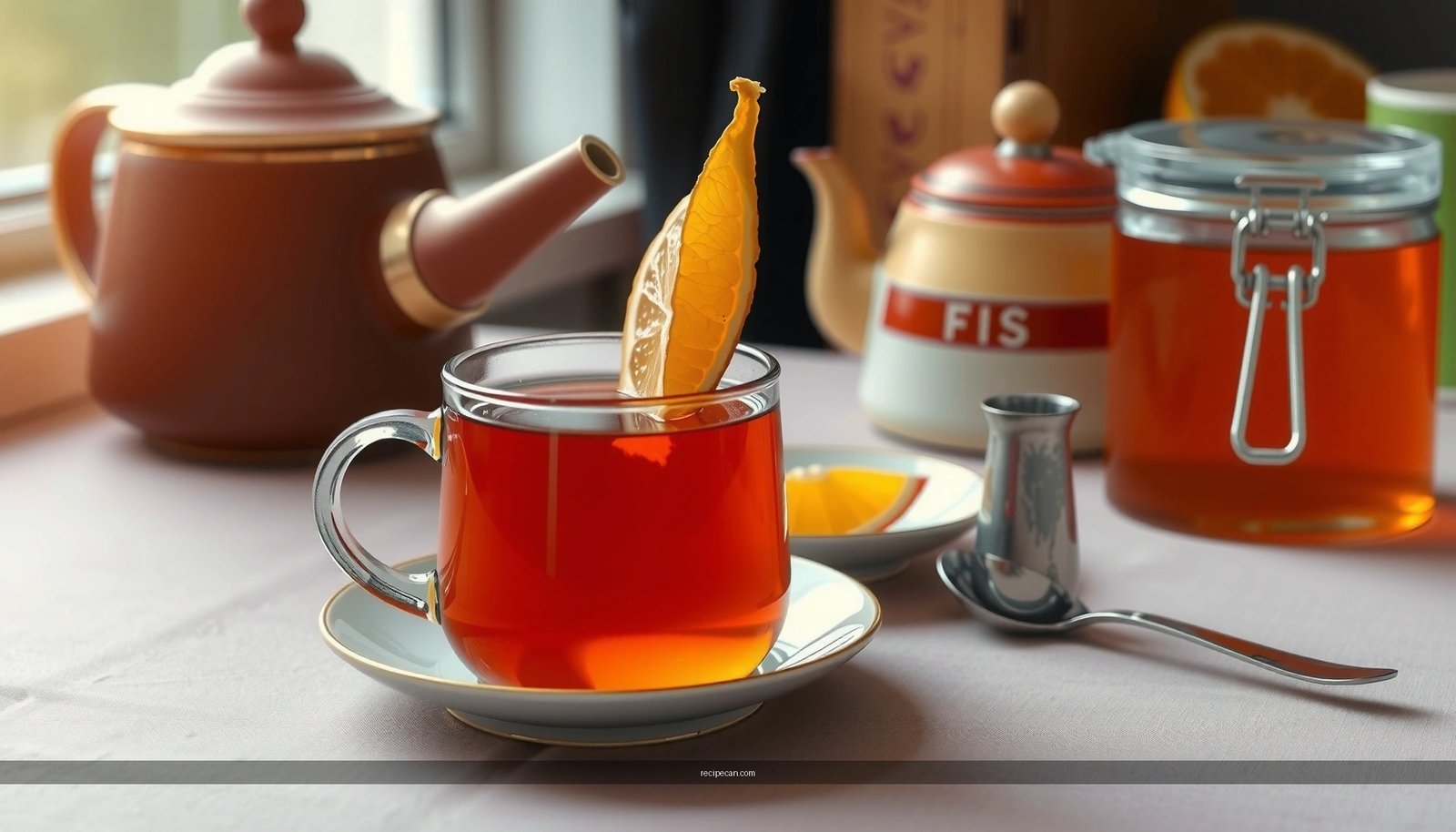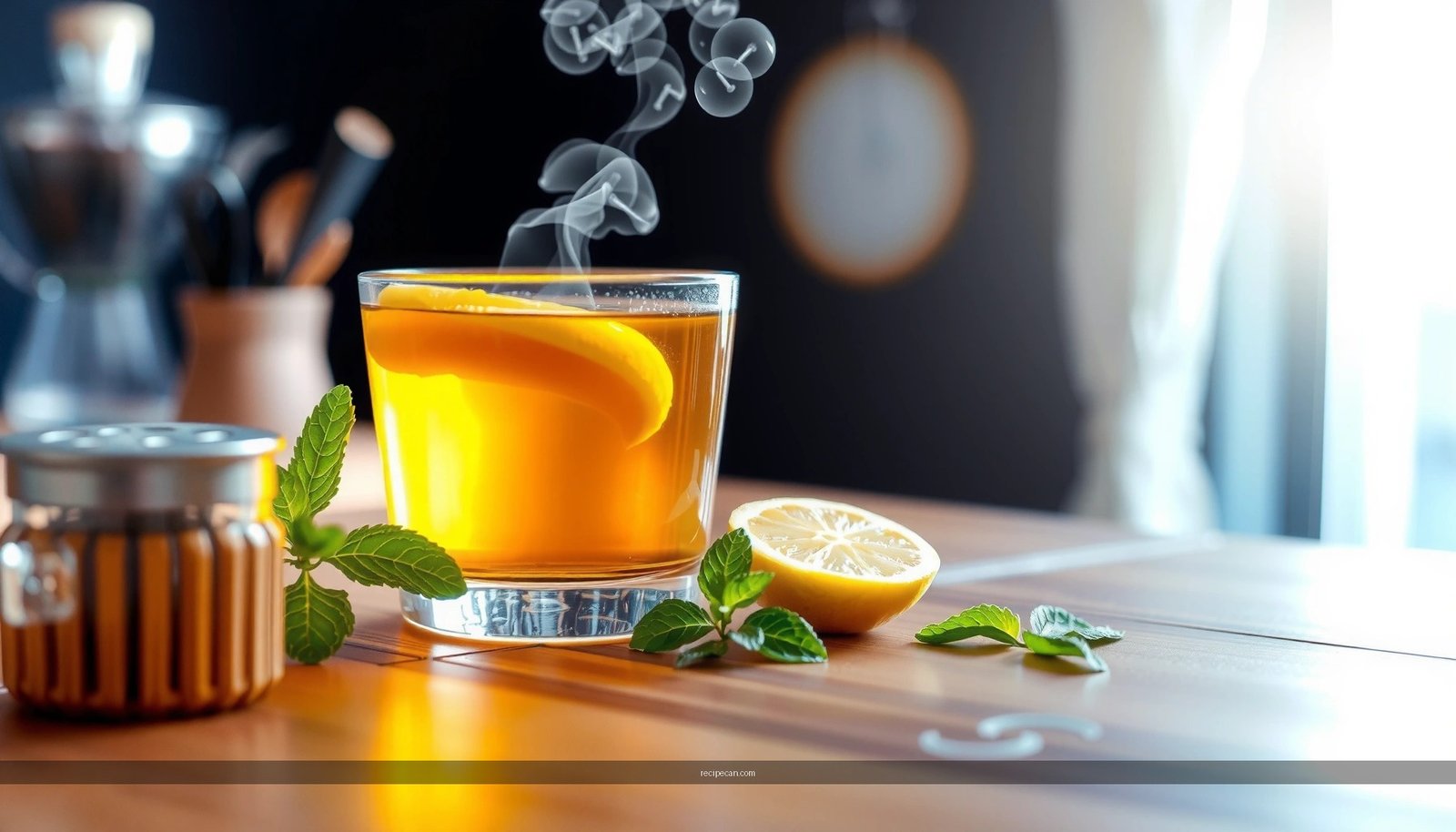
Looking for a honey lemon tea recipe that actually works—fast, soothing, and tastes great? This step-by-step guide delivers the best honey lemon tea under the most common conditions: when you want quick relief from a scratchy throat or a warm drink that feels comforting without complicated ingredients. Get the exact amounts and simple method to make a perfectly balanced cup every time.
Honey lemon tea is an easy warm drink you can make in minutes by steeping tea, stirring in honey, and finishing with fresh lemon juice for a bright, soothing cup; if you want comfort fast, this recipe delivers consistent results every time. Below you’ll find exact ingredients, clear step-by-step instructions, and practical variations—so you can tailor sweetness, tartness, and “comfort level” (from everyday sipping to cold-weather immune-support vibes).
Ingredients for Honey Lemon Tea

Honey lemon tea is intentionally simple, but small ingredient choices can significantly change flavor, aroma, and perceived “soothing” effect. Think of it as a flavor system: tea provides body and bitterness balance, lemon adds acidity and citrus oils, and honey brings sweetness and roundness.
– Choose your base tea (black, green, or herbal)
– Black tea (e.g., Assam or English Breakfast): deeper flavor and a more noticeable “warmth” effect.
– Green tea (e.g., Sencha or Jasmine green): lighter, more aromatic, and less robust bitterness.
– Herbal options (e.g., chamomile, rooibos): naturally caffeine-free for evening drinking and “wind-down” comfort.
– Use fresh lemon juice (and optional lemon slices) plus honey
– Fresh lemon juice is strongly recommended because it contributes both acidity and fresh citrus aroma that bottled juice often lacks.
– Lemon slices (optional) can enhance presentation and gently infuse flavor as the tea cools slightly.
– Honey is the sweetness and the “mouthfeel” bridge; it dissolves best when stirred into hot (not boiling) tea.
– Optional add-ins like ginger, cinnamon, or hot water/tea ratio
– Ginger (fresh grated or thin slices) adds a zesty, warming profile.
– Cinnamon (stick or ground) adds spice and comfort.
– Hot water/tea ratio matters:
– For a standard mug: aim for 1 cup (240–300 ml) and 1 tea bag or ~1–2 tsp loose tea, adjusting steep time for strength.
How Steep Time Changes Flavor in Honey Lemon Tea
| # | Base Tea | Steep Time | Flavor Intensity | Best Use |
|---|---|---|---|---|
| 1 | Black (Assam/Breakfast) | 2–3 min | Low ★ | Mild, easy drinking |
| 2 | Black | 4–5 min | Medium ★★ | Balanced citrus + honey |
| 3 | Black | 6–7 min | High ★★★ | Cold-weather, deeper comfort |
| 4 | Green (Sencha/Jasmine) | 1–2 min | Low ★ | Light and bright |
| 5 | Green | 3 min | Medium ★★ | Most “everyday” cups |
| 6 | Green | 4–5 min | High ★★★ | Citrus-forward with less bitterness |
| 7 | Rooibos/Chamomile (Herbal) | 5–8 min | High ★★★ | Evening relaxation |
Step-by-Step Honey Lemon Tea Recipe

This is the “brew–mix–add-lemon” method that keeps the citrus flavor bright and the honey fully incorporated.
1. Brew your tea and let it steep to your preferred strength
– Heat water to the right temperature for your tea type:
– Black tea: near-boiling water (about 95–100°C / 203–212°F).
– Green tea: slightly cooler water (about 70–85°C / 158–185°F) to avoid bitterness.
– Herbal: typically 90–100°C (194–212°F).
– Steep according to your desired intensity (use the timing guidance in the table).
2. Stir in honey until fully dissolved
– Start with 1–2 teaspoons honey per cup (240–300 ml).
– Stir well until the honey dissolves completely.
– Practical note: honey dissolves more smoothly when the tea is hot but not aggressively boiling.
3. Add lemon juice last (to keep the flavor bright)
– Add 1–2 tablespoons fresh lemon juice per cup, then taste and adjust.
– If using lemon slices, place them in the mug for aroma and gentle infusion.
– Finish with a quick stir and serve immediately.
Quick baseline recipe (1 mug):
– 1 cup hot water
– 1 tea bag (or 1–2 tsp loose tea)
– 1–2 tsp honey
– 1–2 tbsp fresh lemon juice
Best Honey and Lemon Tips

If your honey lemon tea tastes “almost right” but not quite, these targeted adjustments usually fix it.
– Use raw or high-quality honey for the best taste
– Higher-quality honey brings more nuanced flavor and a smoother finish.
– If you only have standard processed honey, you’ll still get results—just expect a flatter sweetness profile.
– Fresh lemon juice delivers more vibrant flavor than bottled
– Bottled lemon juice often tastes more muted due to processing and storage.
– Fresh lemon also provides more aromatic citrus oils, which is a major part of why honey lemon tea feels “comforting” rather than merely sweet-tangy.
– Adjust sweetness and tartness to your preference
– A reliable approach: add lemon first in smaller amounts, taste, then increase honey gradually.
– If it’s too tart, add honey by 1/2 teaspoon at a time.
– If it’s too sweet, add a few more drops of lemon rather than doubling honey (this keeps balance and avoids an overly sticky sweetness).
Flavor Variations (Ginger, Spiced, and Cold-Weather Style)
Once you’ve mastered the base recipe, you can dial in personality—ranging from zesty and energizing to cozy and slow.
– Add grated ginger for extra warmth and zing
– Add 1/2–1 teaspoon grated fresh ginger to the cup before pouring hot water (or steep ginger along with your tea).
– Ginger pairs especially well with black tea for a robust, warming profile.
– Try cinnamon or cloves for a cozy, spiced version
– Add a cinnamon stick to the mug during steeping, then remove before drinking.
– For a spicier note, use a pinch of ground cinnamon or a small clove (whole cloves steep longer, so start conservatively).
– This variation works beautifully for evening sipping, when you want comfort without heaviness.
– Make an iced version by cooling, then adding ice
– Brew the tea, stir in honey, add lemon juice, then cool to room temperature.
– Pour over ice and adjust sweetness/tartness after chilling (cold dulls perceived flavors, so you may need a touch more lemon or honey).
How to Serve and When to Drink
Honey lemon tea is versatile: it can be a daily wellness ritual, a comfort drink during seasonal discomfort, or a simple “reset” between meetings.
– Serve hot in a mug for quick comfort
– Heat intensifies the aroma of lemon and the warm sweetness of honey, creating that classic soothing feel.
– Pre-warming your mug (optional) helps maintain temperature longer.
– Enjoy as a sore-throat friendly home remedy (warm, soothing drink)
– Warm liquids can feel soothing, and honey may help coat the throat.
– Note: honey lemon tea should complement—never replace—medical advice for severe symptoms or persistent issues.
– Drink morning or evening based on your routine and taste
– Morning: green or black tea versions for a gentle caffeine lift (depending on your tea base).
– Evening: herbal bases like chamomile or rooibos for a caffeine-free unwind.
Storage and Reheating (Make Ahead Options)
You can make honey lemon tea ahead, but how you store it affects flavor quality.
– Keep honey separate from the hot tea if you want stronger control
– For meal-prep convenience, brew tea and cool it, then store in the fridge.
– Add honey and lemon juice fresh when you’re ready to drink so aroma stays bright.
– Refrigerate leftovers and rewarm gently (avoid boiling honey)
– Store leftovers in a sealed container for up to 24–48 hours.
– Reheat gently—microwave in short intervals or warm on the stove at low heat.
– Boiling can dull honey flavor and may create a harsher taste.
– Stir in fresh lemon after reheating if possible for best flavor
– Lemon is most vibrant when added fresh.
– If you already added lemon earlier, reheating is still fine, but expect a slightly less “bright” citrus profile.
—
Warm up with this honey lemon tea recipe by following the simple brew–mix–add-lemon steps, then customize it with ginger, cinnamon, or your preferred tea base. Start with a balanced mug, adjust honey and lemon to your taste, and enjoy it whenever you need a comforting, citrusy cup—hot or iced.
In conclusion, honey lemon tea is a reliably delicious and soothing drink because it combines three controllable levers: steeped tea strength, honey sweetness, and fresh lemon acidity. Use quality honey, brew your tea to the intensity you prefer, add lemon at the end, and then personalize with ginger or spice to fit your routine—so you can make a consistently great cup at home every time.
Frequently Asked Questions
What is the best honey lemon tea recipe you can make at home?
A simple honey lemon tea recipe uses hot water, fresh lemon juice, honey, and optional lemon slices for garnish. Start by heating water until steaming, then stir in honey and add lemon juice to taste. If you want extra flavor, brew with black tea or green tea before adding honey lemon, so the drink tastes balanced and soothing.
How do you make honey lemon tea without burning the honey?
To protect honey’s flavor, avoid boiling it directly—heat the water first, then let it cool for 1–2 minutes before stirring in honey. Once the water is hot but not rapidly boiling, add honey and stir until fully dissolved. Then add lemon juice last, because it helps keep the tea bright and prevents the drink from tasting overly sharp.
Why does honey lemon tea help soothe a sore throat?
Honey coats the throat and can help calm irritation, while lemon provides a refreshing, acidic taste that makes the tea feel easier to sip. Warm honey lemon tea also encourages hydration, which supports throat comfort when you’re feeling under the weather. For added relief, use warm (not scorching) water and sip slowly.
Which type of tea works best with honey and lemon?
Black tea pairs well with honey lemon tea because it adds a richer, malty backbone that complements sweetness and citrus. Green tea is a lighter option if you prefer a less intense flavor and want something more gentle for daytime. Herbal bases like ginger or chamomile also work well if you’re targeting comfort and want a caffeine-free honey lemon tea.
Can you make honey lemon tea with fresh ginger, and what’s the best way?
Yes—adding ginger is a popular variation for a warming honey lemon tea. Simmer fresh ginger slices in water for 5–10 minutes, then remove the ginger, stir in honey off the boil, and finish with fresh lemon juice. This method creates a stronger, more aromatic tea that’s great when you want extra warmth and soothing flavor.
References
- Honey
https://en.wikipedia.org/wiki/Honey - Lemon
https://en.wikipedia.org/wiki/Lemon - Tea
https://en.wikipedia.org/wiki/Tea - https://www.mayoclinic.org/diseases-conditions/common-cold/in-depth/cold-remedies/art-20045979
https://www.mayoclinic.org/diseases-conditions/common-cold/in-depth/cold-remedies/art-20045979 - Cough – NHS
https://www.nhs.uk/conditions/cough/ - Vitamin C – Consumer
https://ods.od.nih.gov/factsheets/VitaminC-Consumer/ - https://pubmed.ncbi.nlm.nih.gov/?term=honey+cough+randomized+trial
https://pubmed.ncbi.nlm.nih.gov/?term=honey+cough+randomized+trial - https://pubmed.ncbi.nlm.nih.gov/?term=honey+upper+respiratory+tract+infections
https://pubmed.ncbi.nlm.nih.gov/?term=honey+upper+respiratory+tract+infections - Google Scholar Google Scholar
https://scholar.google.com/scholar?q=honey+lemon+tea+recipe - Google Scholar Google Scholar
https://scholar.google.com/scholar?q=honey+cough+systematic+review