Creating homemade yeast rolls is simple and rewarding. With just a few key ingredients, you can enjoy soft, fluffy rolls fresh from your oven. This article will guide you through making classic yeast rolls, explore various delightful variations, and provide you with essential tips for perfecting your baking technique.
Essential Ingredients for Yeast Rolls
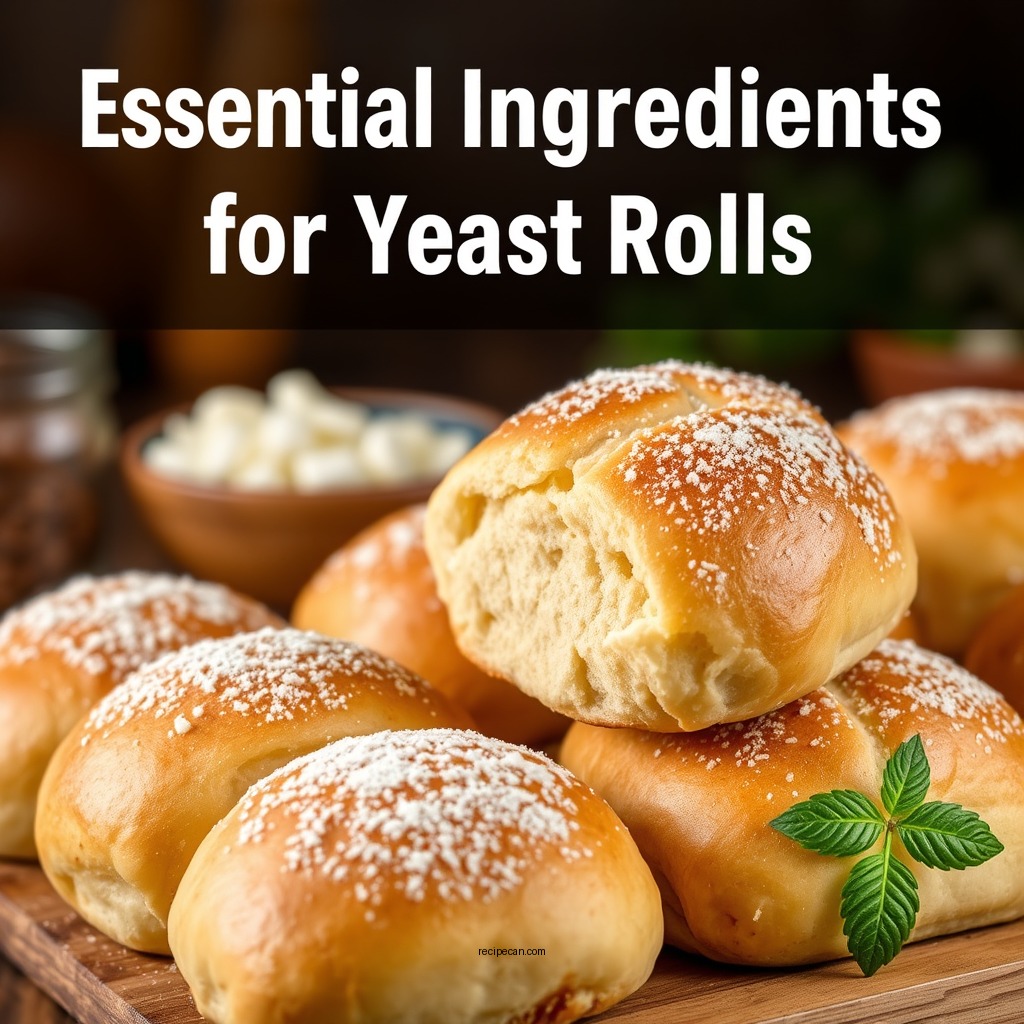
To produce the most tender and flavorful yeast rolls, you’ll need to gather a few essential ingredients. Each plays a crucial role in achieving the perfect texture and taste.
– Flour: The foundation for your rolls, choosing the right flour is vital. All-purpose flour works well for a lighter texture, while bread flour, which has a higher protein content, will yield a chewier, more structured roll.
– Yeast: Active dry yeast or instant yeast is essential for fermentation. This ingredient is what gives your rolls their characteristic rise and airy quality. Instant yeast can be added directly to the flour, while active dry yeast requires proofing in warm water beforehand.
– Liquid: Warm water or milk is used to activate the yeast and hydrate the dough. Milk adds a richness and slight sweetness, while water keeps the rolls lighter.
– Sugar: A small amount of sugar not only sweetens the rolls but also helps to feed the yeast, promoting a better rise.
– Salt: This ingredient enhances flavor and strengthens the dough structure, ensuring your rolls are savory and well-balanced.
– Fat: Butter or oil contributes to the softness and richness of the rolls, creating a tender crumb.
Step-by-Step Instructions for Making Yeast Rolls
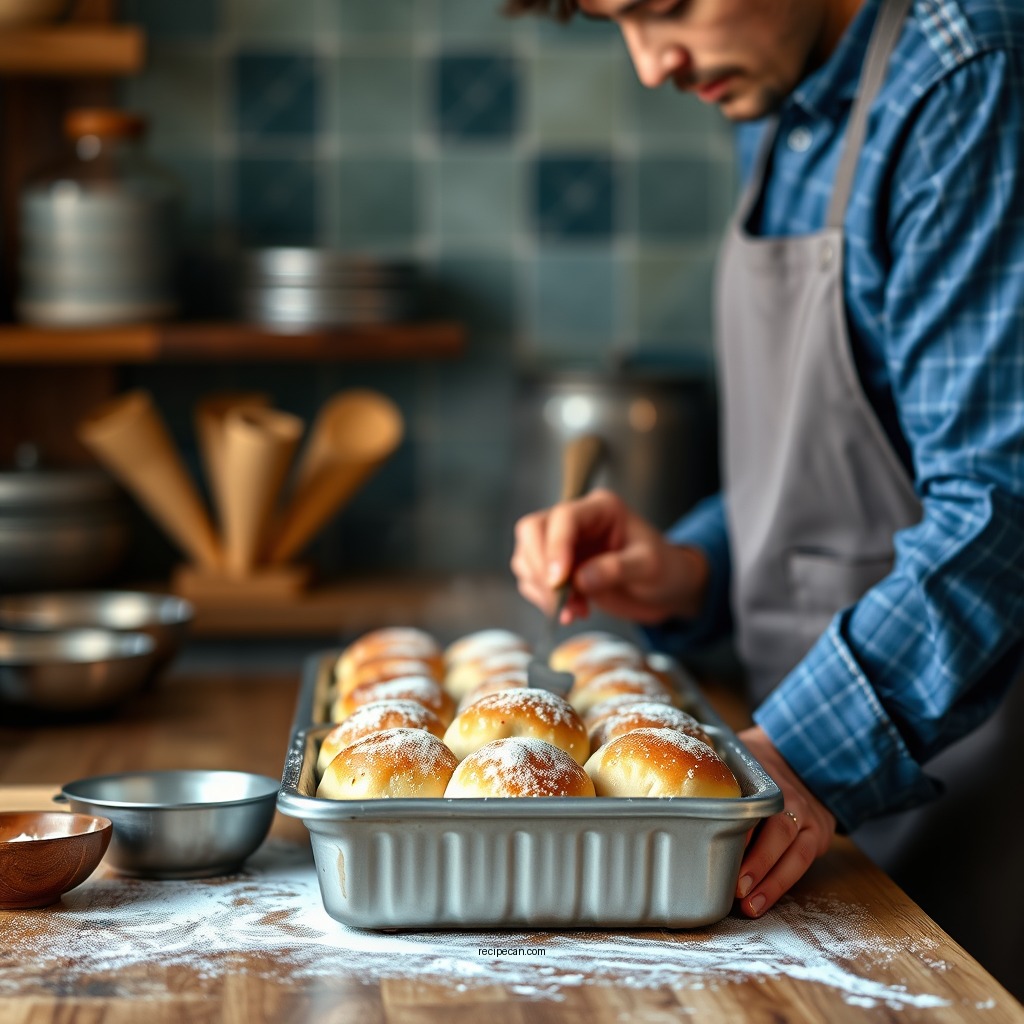
Making yeast rolls at home involves a straightforward process that can be accomplished in just a few hours. Here’s how:
1. Mixing: In a large mixing bowl, combine your flour, sugar, salt, and yeast. If using active dry yeast, dissolve it in warm water first. Gradually add your warm liquid (water or milk) to the dry ingredients. Stir until a rough dough forms.
2. Kneading: Transfer the dough to a floured surface and knead for about 8-10 minutes until it becomes smooth and elastic. This step develops the gluten, which is critical for the rolls’ structure.
3. Rising: Place the kneaded dough in a lightly greased bowl, cover it with a damp cloth or plastic wrap, and let it rise in a warm place until it has doubled in size, approximately 1 to 1.5 hours.
4. Shaping: After the dough has risen, punch it down to release the gas. Divide it into equal portions, shape each piece into a ball, and place them into a greased baking dish or on a lined baking sheet.
5. Second Rising: Cover the shaped rolls with a cloth and let them rise again until they are puffy and have nearly doubled in size, about 30-45 minutes.
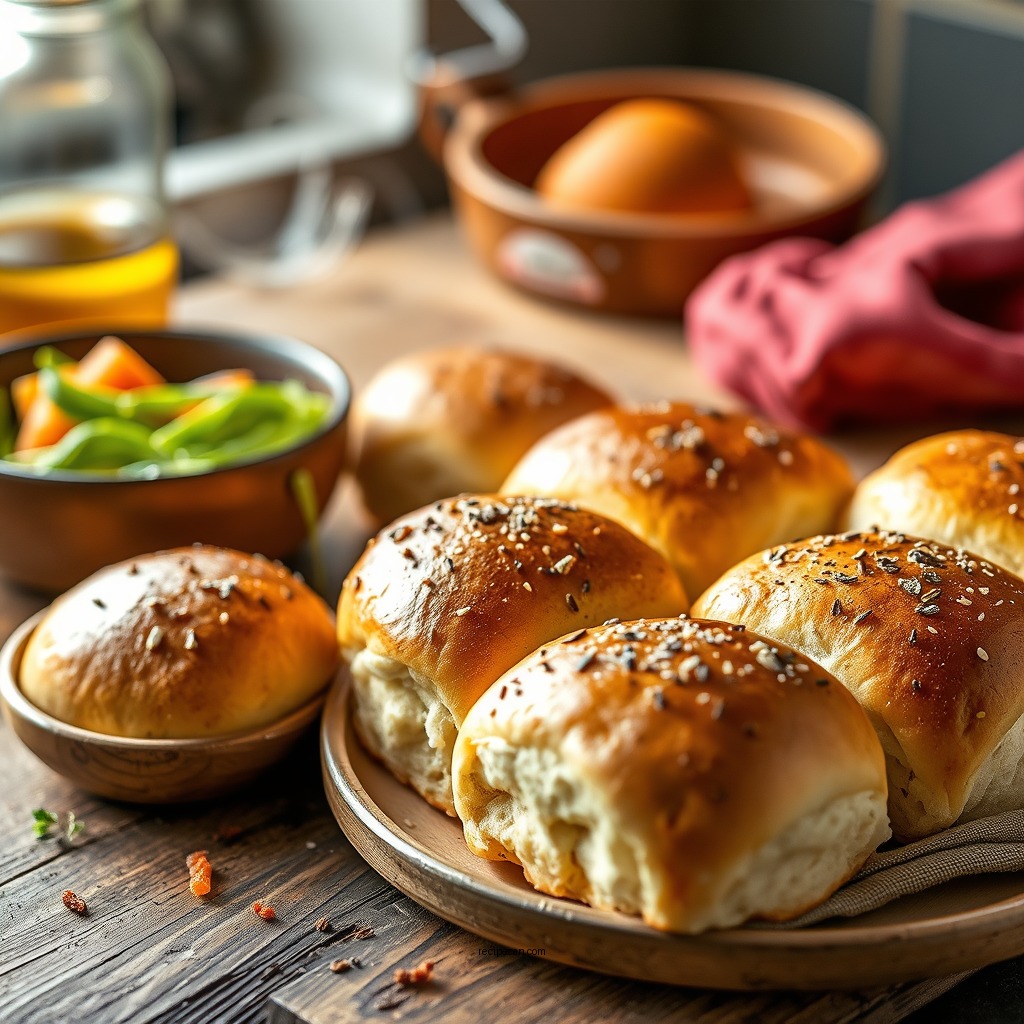
6. Baking: Preheat your oven to 350°F (175°C). Bake the rolls for 20-25 minutes, or until they are golden brown. Remove them from the oven and brush with melted butter for extra flavor.
Popular Variations of Yeast Rolls
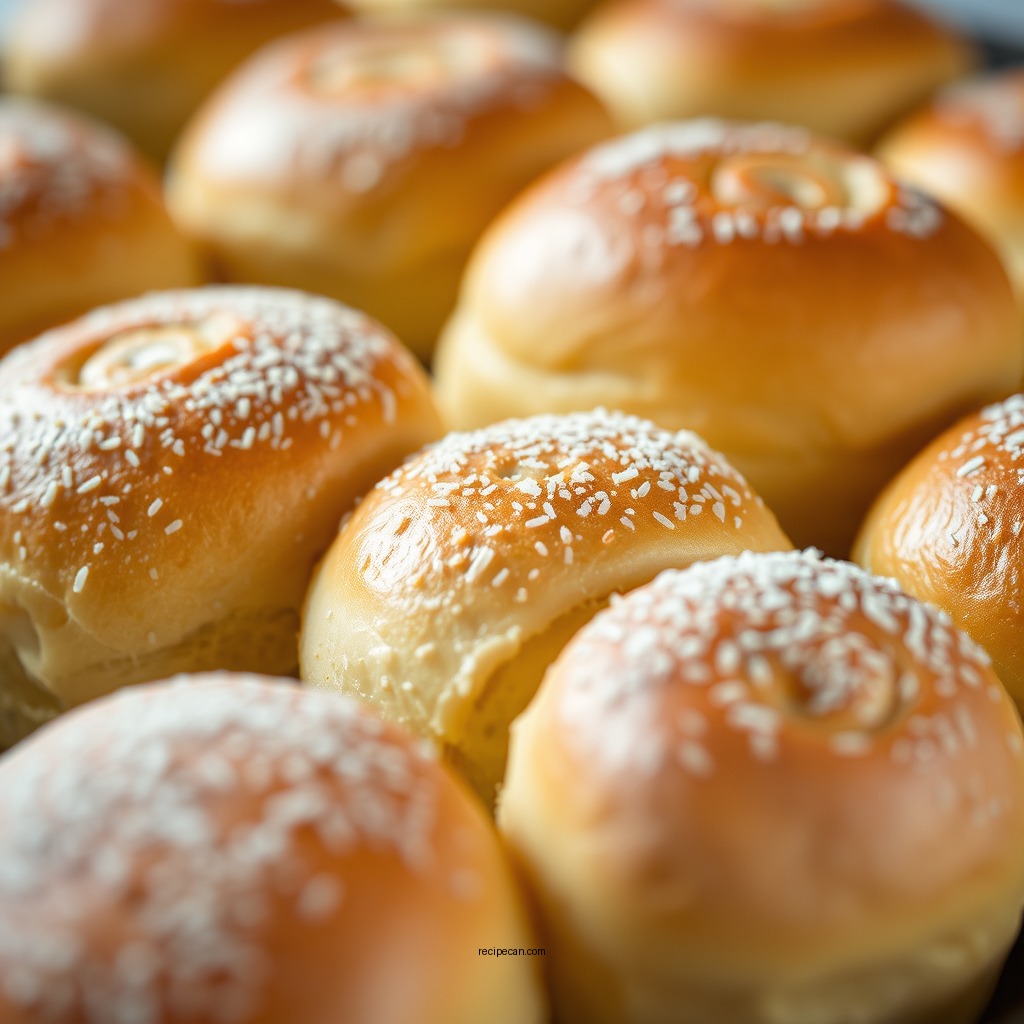
Once you’ve mastered the classic yeast roll, you can explore various delightful variations to suit your taste:
– Garlic Butter Rolls: For a savory twist, add minced garlic and melted butter to the dough before baking. These rolls pair excellently with Italian dishes or as a side for soups.
– Sweet Dinner Rolls: Incorporate sugar, honey, or vanilla extract into the dough for a hint of sweetness that complements breakfast spreads or holiday meals.
– Herb-Infused Rolls: Mix in fresh herbs like rosemary, thyme, or parsley to create aromatic rolls perfect for enhancing any meal.
– Cheese-Stuffed Rolls: Add a small cube of cheese into the center of each roll before baking for a delightful surprise.
– Cinnamon Rolls: Transform your dough into cinnamon rolls by spreading a mixture of butter, sugar, and cinnamon before rolling it up and slicing.
📋 DATA
Top 7 Types of Homemade Yeast Rolls (2024)
| # | Roll Type | Preparation Time (min) | Popularity Rating | Best For |
|---|---|---|---|---|
| 1 | Classic Dinner Rolls | 90 | ★★★★☆ | Everyday Meals |
| 2 | Garlic Butter Rolls | 75 | ★★★★★ | Italian Dishes |
| 3 | Sweet Dinner Rolls | 80 | ★★★★☆ | Breakfast |
| 4 | Herb-Infused Rolls | 85 | ★★★★☆ | Side Dishes |
| 5 | Cheese-Stuffed Rolls | 90 | ★★★☆☆ | Snacks |
| 6 | Cinnamon Rolls | 120 | ★★★☆☆ | Desserts |
| 7 | Savory Rolls | 95 | ★★★★☆ | Brunch |
📈 CHART
Homemade Yeast Rolls Popularity (2024)
Tips for Perfectly Baked Yeast Rolls
To ensure your yeast rolls come out perfectly every time, consider the following tips:
– Temperature: The temperature of your liquids is crucial. They should be warm to the touch (around 110°F or 43°C) but not hot, as excessive heat can kill the yeast.
– Rising Time: Be patient during the rising process. If you rush this step, your rolls may end up dense. A good rule of thumb is to let the dough rise until it has doubled in size, which can take longer in cooler environments.
– Oven Temperature: Preheat your oven adequately. If your oven is not hot enough when you place the rolls inside, they will not rise properly during baking. The ideal temperature for baking yeast rolls is 350°F (175°C).
– Humidity: If you live in a dry climate, consider placing a small pan of water in the oven while the rolls bake. This will create steam, which can help the rolls develop a nice crust.
– Testing for Doneness: Rolls should be golden brown on top and sound hollow when tapped on the bottom. If they are still pale, give them a few more minutes in the oven.
Serving Suggestions for Your Homemade Rolls
Homemade yeast rolls are incredibly versatile and can enhance any meal. Here are some serving suggestions:
– Pair with Soups and Stews: The fluffy texture of yeast rolls makes them perfect for soaking up flavorful broths, adding an extra layer of satisfaction to your meal.
– Use as Sandwich Bread: Form smaller rolls to create sliders or mini sandwiches, making them perfect for parties or casual gatherings.
– Enjoy with Butter: Serve your rolls warm with a generous spread of butter, perhaps with a sprinkle of sea salt for a simple yet delectable treat.
– Serve with Jam or Honey: A sweet spread can elevate your rolls to a delightful breakfast or snack option.
Troubleshooting Common Issues
While baking yeast rolls is generally straightforward, issues can arise. Here are some common problems and their solutions:
– Dense Rolls: If your rolls are dense, it may be due to old yeast or insufficient rising time. Always check the expiration date on your yeast and ensure the dough has doubled in size.
– Over-Baked Rolls: Keep a close eye on your rolls as they bake. They should be golden brown; if they turn dark, they may taste burnt.
– Dry Texture: If your rolls turn out dry, consider increasing the liquid in your dough slightly or ensuring you do not overbake them.
– Lack of Flavor: If the rolls are bland, a bit more salt or sugar can enhance the flavor. You can also experiment with additional ingredients like herbs or spices.
Enjoying homemade yeast rolls is a delightful experience that can elevate any meal. By following these recipes and tips, you’ll be well on your way to mastering the art of roll-making. Don’t hesitate to experiment with flavors and techniques—your perfect roll is just a bake away!
Frequently Asked Questions
What ingredients do I need for homemade yeast rolls?
To make delicious homemade yeast rolls, you typically need all-purpose flour, active dry yeast, sugar, salt, milk, butter, and eggs. These ingredients work together to create soft, fluffy rolls with a rich flavor. It’s essential to use fresh yeast and quality ingredients for the best results.
How do I ensure my yeast rolls rise properly?
To ensure your homemade yeast rolls rise properly, make sure that your yeast is fresh and activated correctly. Use warm water or milk (around 110°F) to dissolve the yeast and let it sit until foamy. Additionally, allow the dough to rise in a warm, draft-free area for optimal fermentation, which helps achieve fluffy rolls.
Why are my yeast rolls dense instead of fluffy?
Dense yeast rolls can result from several factors, including using too much flour, not allowing enough time for the dough to rise, or using old yeast. It’s crucial to measure your flour accurately and to knead the dough until it’s smooth and elastic. Also, be patient with the rising time to ensure the yeast has enough time to work.
What is the best way to store homemade yeast rolls?
The best way to store homemade yeast rolls is to let them cool completely, then place them in an airtight container at room temperature for up to 2 days. For longer storage, wrap the rolls tightly in plastic wrap and place them in a freezer-safe bag, allowing them to freeze for up to 3 months. This method helps maintain their freshness and soft texture.
Which homemade yeast roll recipes are ideal for beginners?
Ideal homemade yeast roll recipes for beginners often include simple ingredients and straightforward instructions. Look for recipes that feature basic techniques, such as the classic dinner roll or Parker House rolls, which are forgiving and yield great results. These recipes typically guide you step-by-step, making it easier to achieve perfect rolls.
References
- https://en.wikipedia.org/wiki/Yeast_rolls
https://en.wikipedia.org/wiki/Yeast_rolls - https://www.britannica.com/topic/yeast
https://www.britannica.com/topic/yeast - https://www.ncbi.nlm.nih.gov/pmc/articles/PMC6617891/
https://www.ncbi.nlm.nih.gov/pmc/articles/PMC6617891/ - https://www.sciencedirect.com/topics/food-science/yeast
https://www.sciencedirect.com/topics/food-science/yeast - Google Scholar Google Scholar
https://scholar.google.com/scholar?q=homemade+yeast+rolls+recipes - Google Scholar Google Scholar
https://scholar.google.com/scholar?q=yeast+rolls+historical+recipes - Google Scholar Google Scholar
https://scholar.google.com/scholar?q=yeast+rolls+baking+techniques - New York Botanical Garden
https://www.nybg.org/gardening/yeast-in-baking/ - https://www.cdc.gov/healthyweight/assessing/bmi/adult_bmi/english_bmi_calculator/yeast.html
https://www.cdc.gov/healthyweight/assessing/bmi/adult_bmi/english_bmi_calculator/yeast.html - https://www.ncbi.nlm.nih.gov/pmc/articles/PMC5378236/
https://www.ncbi.nlm.nih.gov/pmc/articles/PMC5378236/