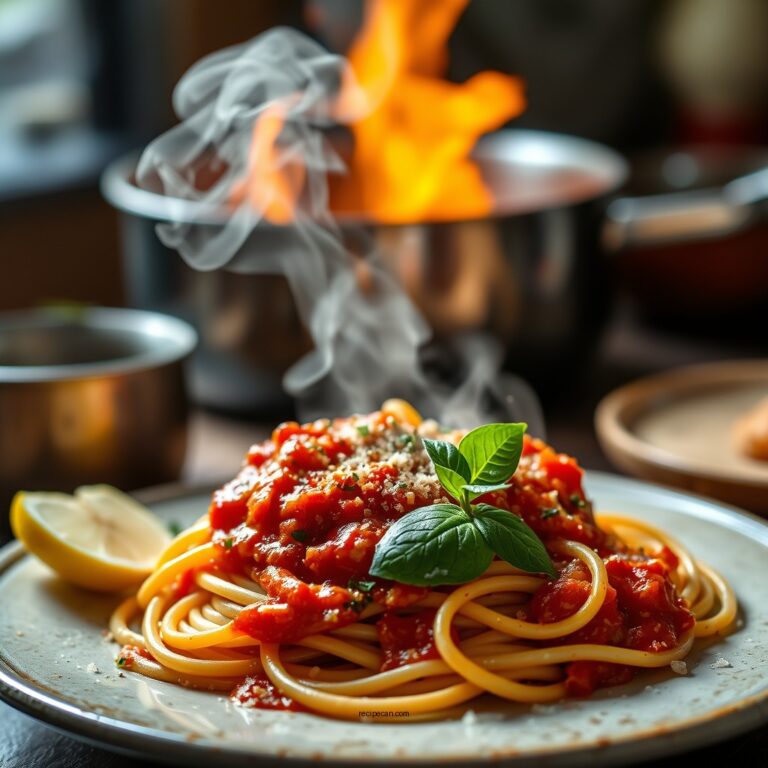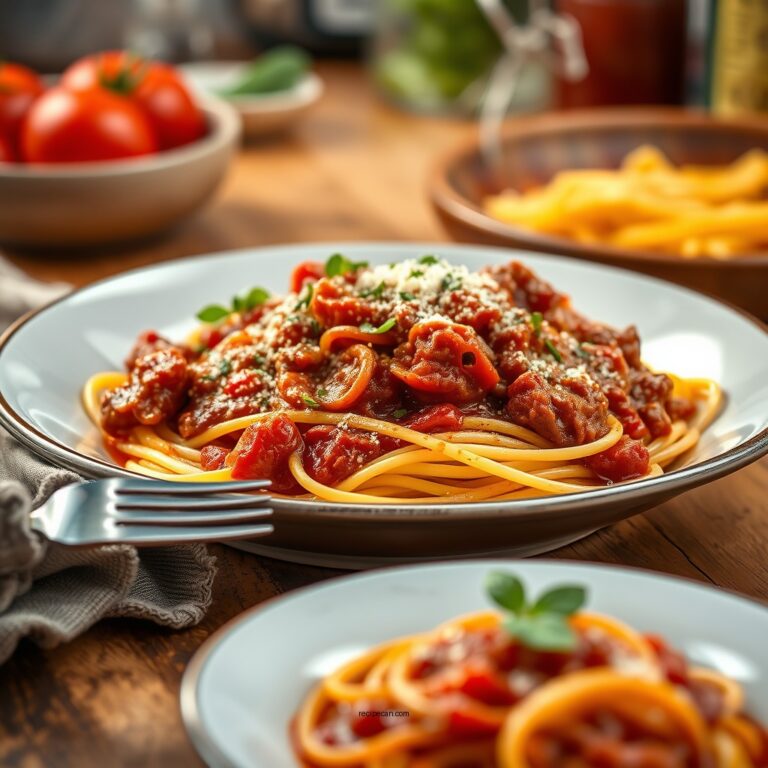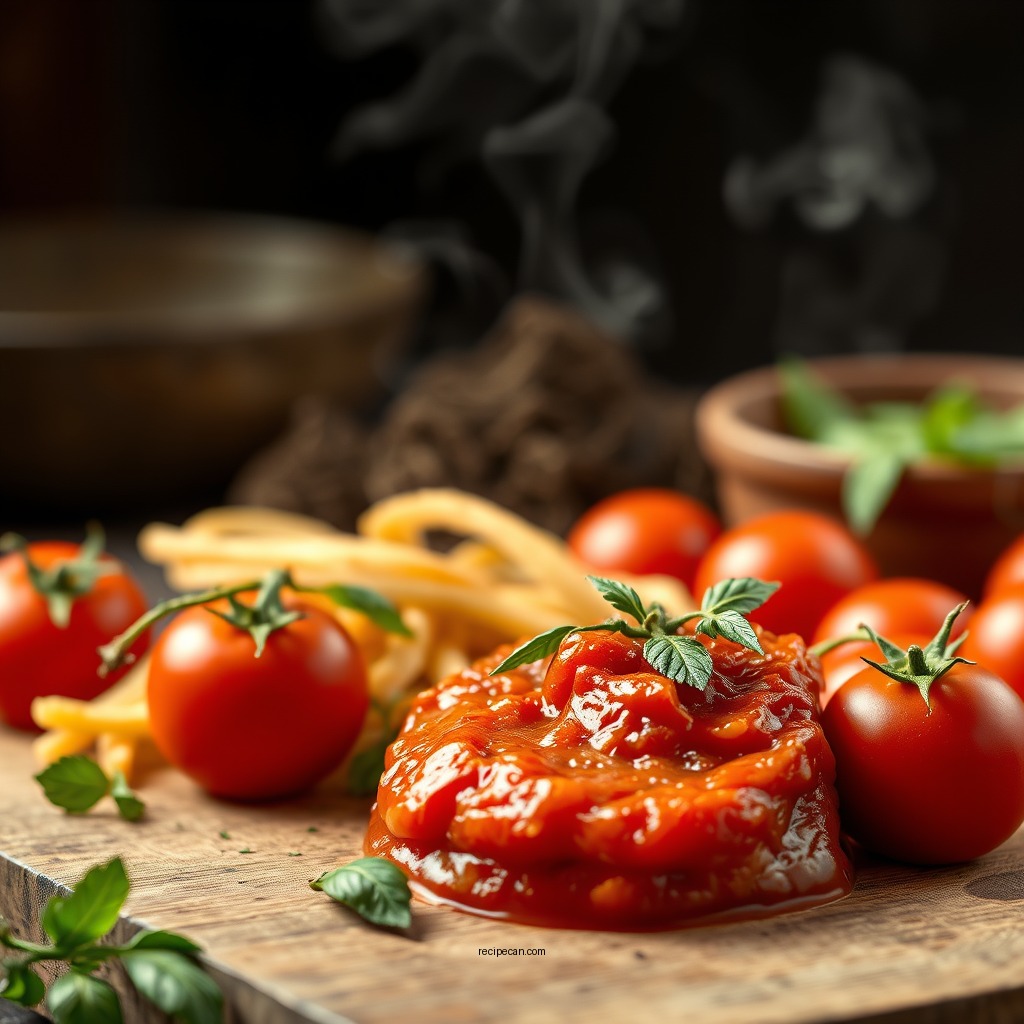
Making a delicious homemade tomato sauce from fresh tomatoes is simple and rewarding. In just a few easy steps, you can create a flavorful sauce perfect for pasta, pizza, or any of your favorite dishes. This guide will walk you through the ingredients and process to make the best tomato sauce.
Selecting the Right Tomatoes
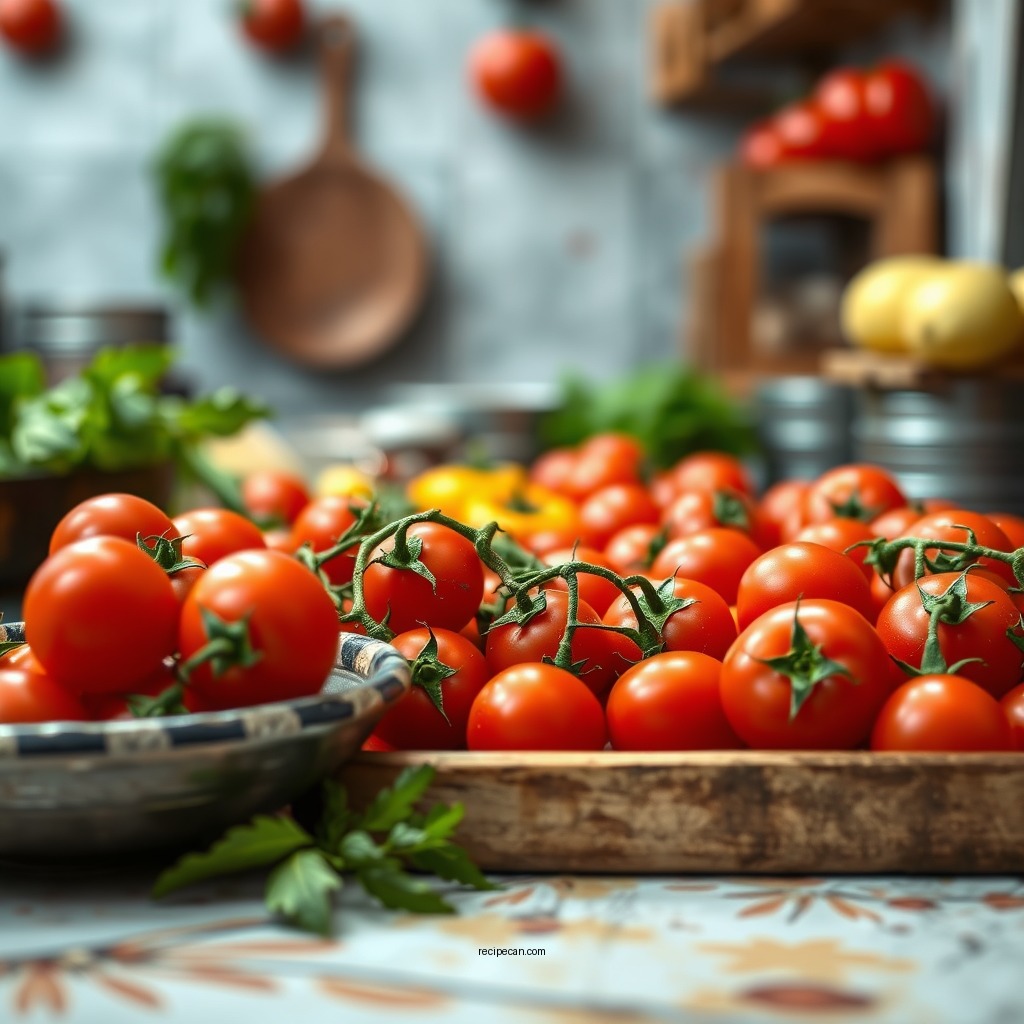
Choosing the right tomatoes is crucial for making a rich and flavorful sauce. Ripe, in-season tomatoes will provide the best taste and texture. Varieties like Roma and San Marzano are particularly ideal due to their low moisture content and rich flavor profile. Roma tomatoes are oval-shaped, meaty, and have fewer seeds, making them excellent for sauces. San Marzano tomatoes, known for their sweet flavor, are often considered the gold standard in Italian cooking and are a staple in many gourmet kitchens.
When selecting tomatoes, look for those that are firm, blemish-free, and exhibit a deep, vibrant color. Avoid tomatoes that feel soft or have any signs of decay, as these will affect the quality of your sauce. Ideally, you should purchase your tomatoes from a local farmer’s market or a grocery store that offers fresh, seasonal produce.
Essential Ingredients
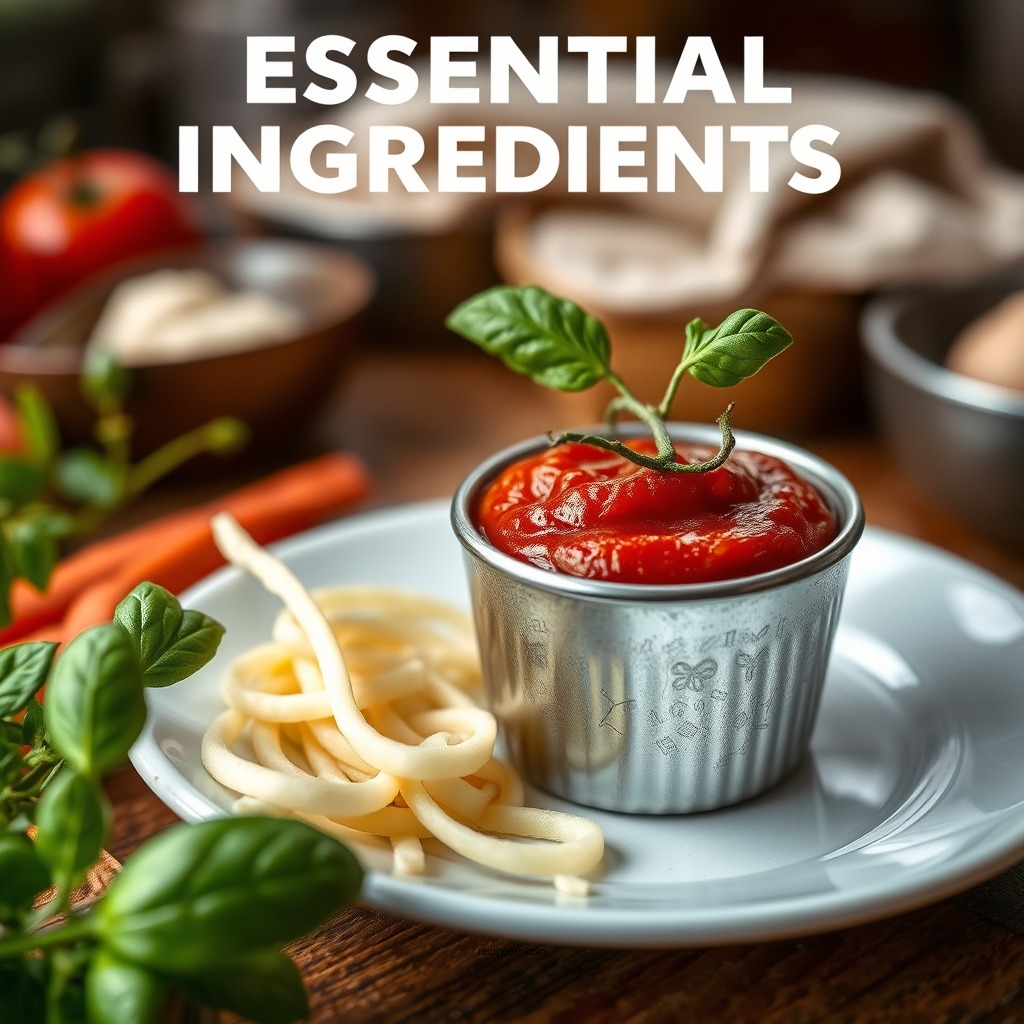
In addition to fresh tomatoes, you’ll need a few essential ingredients to enhance the flavor of your homemade tomato sauce. Gather the following:
– Onions: Sweet onions like Vidalia or yellow onions can add depth to your sauce.
– Garlic: Fresh garlic cloves add a wonderful aromatic quality. Adjust the amount based on your preference.
– Olive Oil: Extra virgin olive oil is recommended for its rich flavor and health benefits.
– Salt: Use kosher salt or sea salt to enhance the natural sweetness of the tomatoes.
– Fresh Herbs: Basil and oregano are classic choices that complement the tomato flavor beautifully.
Optional ingredients to consider include red pepper flakes for a bit of heat and sugar to balance the acidity of the tomatoes if necessary. You can also add a splash of red wine for additional complexity.
Preparing the Tomatoes
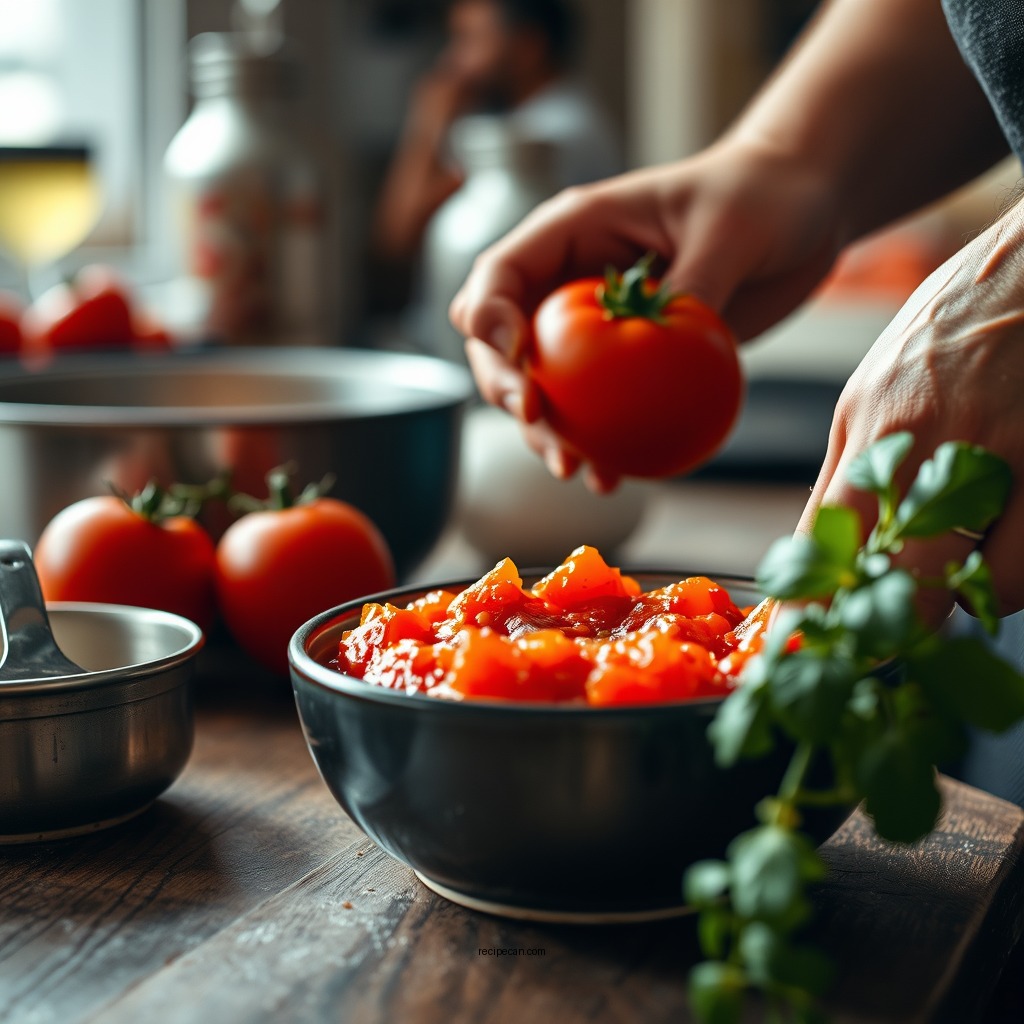
Preparation is key to creating a smooth and delicious sauce. Start by blanching your tomatoes: bring a pot of water to a rolling boil, and add the tomatoes for about 30 seconds. This process will loosen the skins, making them easier to remove. After blanching, transfer the tomatoes to an ice bath to stop the cooking process. Once cooled, the skins should peel off easily.
After peeling, core and chop the tomatoes. Discard any tough parts or excess seeds if you prefer a smoother sauce. For a chunkier sauce, leave some seeds in. This step is essential as it allows you to control the consistency of your final product, which can be tailored to your preference or the dish you are preparing.
Top Tomato Varieties for Sauce (2023)
| # | Variety | Flavor Profile | Moisture Content | Best For |
|---|---|---|---|---|
| 1 | Roma | Rich, sweet | Low | Sauces, pastes |
| 2 | San Marzano | Sweet, tangy | Low | Italian dishes |
| 3 | Beefsteak | Juicy, meaty | Medium | Salsas, salads |
| 4 | Cherry | Sweet, tangy | High | Fresh use, salads |
| 5 | Plum | Sweet, mild | Low | Sauces, canning |
| 6 | Campari | Sweet, rich | Medium | Sauces, salads |
| 7 | Green Zebra | Tangy, sweet | Medium | Fresh use |
Cooking the Sauce
Once your tomatoes are prepared, it’s time to cook the sauce. Begin by heating a generous amount of olive oil in a large pot over medium heat. Add the chopped onions and sauté them until they become translucent, which usually takes about 5-7 minutes. This step helps to build a flavorful base for your sauce.
Next, add the minced garlic and sauté for an additional minute until fragrant. Be careful not to burn the garlic, as it can turn bitter. After that, stir in the prepared tomatoes. You may also want to add a bit of salt at this point to help draw out the moisture from the tomatoes.
Allow the mixture to simmer on low heat for 30-45 minutes. During this time, the sauce will reduce and thicken, concentrating the flavors. Stir occasionally to prevent sticking. If you find the sauce getting too thick, you can add a splash of water or broth to achieve your desired consistency.
Tomato Sauce Cooking Time
Blending and Seasoning
After simmering, your sauce should have thickened nicely, and the flavors will have melded together beautifully. At this point, you can choose to blend the sauce for a smoother consistency or leave it chunky for a rustic feel. If you opt for a smooth sauce, use an immersion blender directly in the pot, or transfer the sauce to a countertop blender in batches.
Once blended, return the sauce to the pot if needed, and taste before seasoning. Add salt, pepper, and fresh herbs to enhance the flavor. Fresh basil and oregano are excellent choices, but you can also experiment with thyme or rosemary. Adjust the seasoning to your preference, and if the sauce tastes too acidic, add a small amount of sugar to balance it out.
Storing and Using Your Sauce
Once your sauce is complete, allow it to cool before storing. Use airtight containers to keep it fresh in the refrigerator for up to a week. For longer storage, consider freezing the sauce in freezer-safe bags or containers. It can last for up to three months in the freezer.
Your homemade tomato sauce can be utilized in a multitude of dishes. Use it as a base for pasta, lasagna, or pizza, or incorporate it into stews and casseroles. The versatility of this sauce allows you to elevate any dish, making it a valuable addition to your culinary repertoire.
Variations and Tips
Don’t hesitate to experiment with your tomato sauce to create unique flavors. Consider adding different herbs and spices, such as thyme, parsley, or bay leaves, to find your perfect blend. You can also incorporate vegetables like bell peppers, carrots, or zucchini to create a heartier sauce with added nutrients.
For a deeper, richer taste, try roasting the tomatoes before cooking them down. Simply cut them in half, drizzle with olive oil, and roast in the oven until caramelized. This technique enhances the sweetness and brings out the natural flavors of the tomatoes, adding another layer of complexity to your sauce.
Homemade tomato sauce from fresh tomatoes is not only easy to make but also elevates your culinary creations. By following these steps, you can enjoy a flavorful, versatile sauce that enhances any dish. Grab your ingredients and start cooking today!
Frequently Asked Questions
What are the essential ingredients for a homemade tomato sauce from fresh tomatoes?
To make a flavorful homemade tomato sauce from fresh tomatoes, you’ll need ripe tomatoes, olive oil, garlic, onions, salt, and fresh herbs like basil or oregano. Start with about 2-3 pounds of fresh tomatoes, as the quality of the tomatoes will significantly impact the sauce’s flavor. This simple combination ensures a rich and authentic taste in your sauce.
How do I prepare fresh tomatoes for making sauce?
To prepare fresh tomatoes for sauce, start by washing them thoroughly and then blanching them in boiling water for about 30 seconds. This process makes it easy to peel off the skins. After blanching, plunge them into ice water, peel, and chop them, discarding any tough cores or blemished parts for a smoother sauce.
Why is it important to use fresh tomatoes instead of canned for tomato sauce?
Using fresh tomatoes for your sauce allows for a brighter, more vibrant flavor compared to canned tomatoes, which can sometimes taste metallic or overly processed. Fresh tomatoes also give you control over the ripeness and quality, ensuring that your sauce is made from the best ingredients. This freshness can elevate your sauce and enhance the overall dish.
What is the best cooking method for tomato sauce made from fresh tomatoes?
The best cooking method for tomato sauce made from fresh tomatoes is to sauté your aromatics, such as garlic and onions, in olive oil before adding the chopped tomatoes. Simmer the mixture on low heat for at least 30-45 minutes to allow the flavors to meld and the sauce to thicken. This slow cooking process helps develop a rich, deep flavor in your homemade sauce.
Which types of tomatoes are best for making sauce?
The best types of tomatoes for making sauce are typically paste tomatoes, like Roma or San Marzano, due to their low moisture content and concentrated flavor. These varieties yield a thicker sauce with less excess liquid, making them ideal for cooking. For a richer taste, you can also mix in some heirloom or beefsteak tomatoes for added sweetness and complexity.
References
- Tomato sauce
https://en.wikipedia.org/wiki/Tomato_sauce - https://www.ncbi.nlm.nih.gov/pmc/articles/PMC6266489/
https://www.ncbi.nlm.nih.gov/pmc/articles/PMC6266489/ - https://www.mayoclinic.org/healthy-lifestyle/nutrition-and-healthy-eating/in-depth/tomatoes/art-20044332
https://www.mayoclinic.org/healthy-lifestyle/nutrition-and-healthy-eating/in-depth/tomatoes/art-20044332 - https://www.sciencedirect.com/topics/food-science/tomato-sauce
https://www.sciencedirect.com/topics/food-science/tomato-sauce - Tomato sauce | Britannica
https://www.britannica.com/topic/tomato-sauce - https://www.cdc.gov/nutrition/food-safety.html
https://www.cdc.gov/nutrition/food-safety.html - NYT Cooking – Recipes and Cooking Guides From The New York Times
https://www.nytimes.com/recipes/1019736/tomato-sauce - Google Scholar Google Scholar
https://scholar.google.com/scholar?q=tomato+sauce+recipe+from+tomatoes - https://scholar.google.com/scholar?q=homemade+tomato+sauce+nutrition+benefits+research Google Scholar
https://scholar.google.com/scholar?q=homemade+tomato+sauce+nutrition+benefits+research - tomato sauce recipe from tomatoes – Search results
https://en.wikipedia.org/wiki/Special:Search?search=tomato+sauce+recipe+from+tomatoes