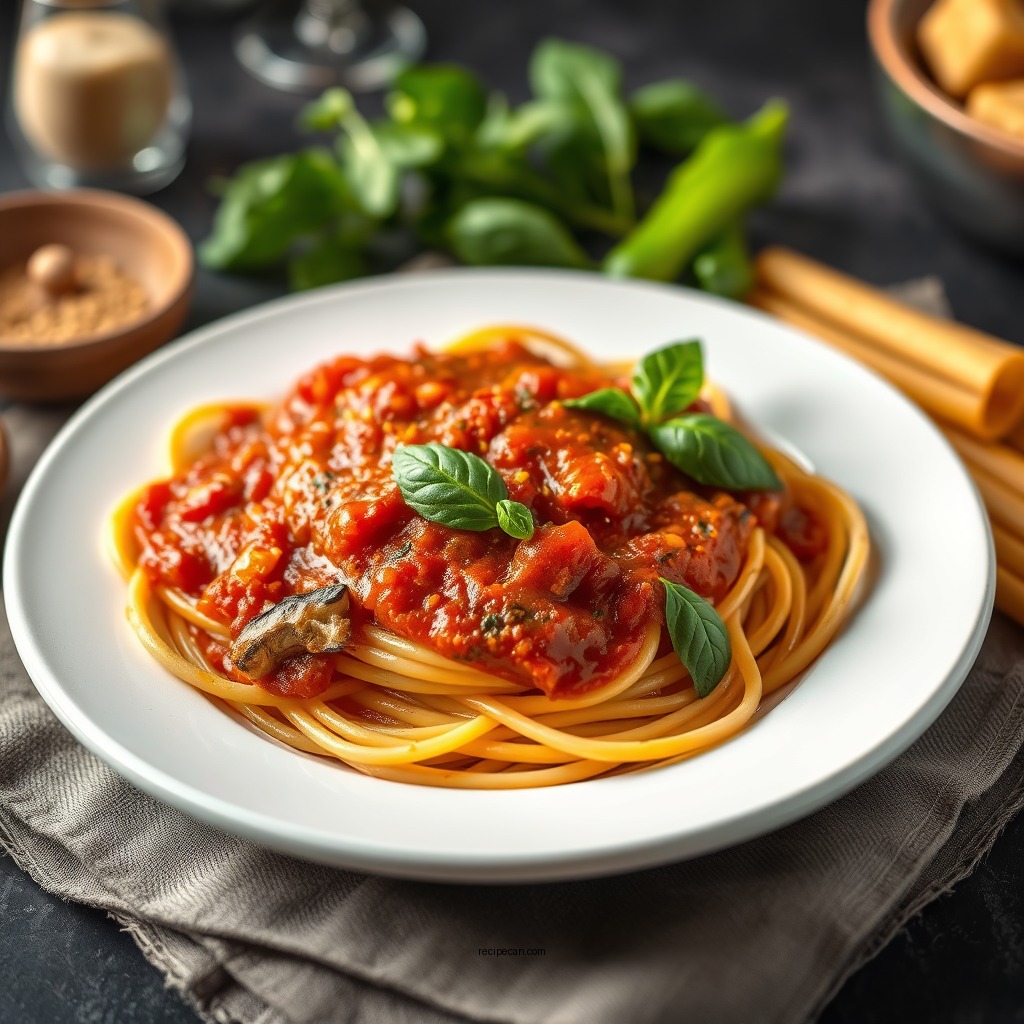
Making homemade spaghetti sauce is simple and rewarding, offering a fresh and flavorful alternative to store-bought options. In this article, you will discover a variety of easy spaghetti sauce recipes that you can whip up in your own kitchen, transforming your pasta dishes into culinary delights. From classic marinara to spicy arrabbiata, these recipes will not only elevate your meals but also allow you to customize flavors to suit your taste.
Classic Marinara Sauce
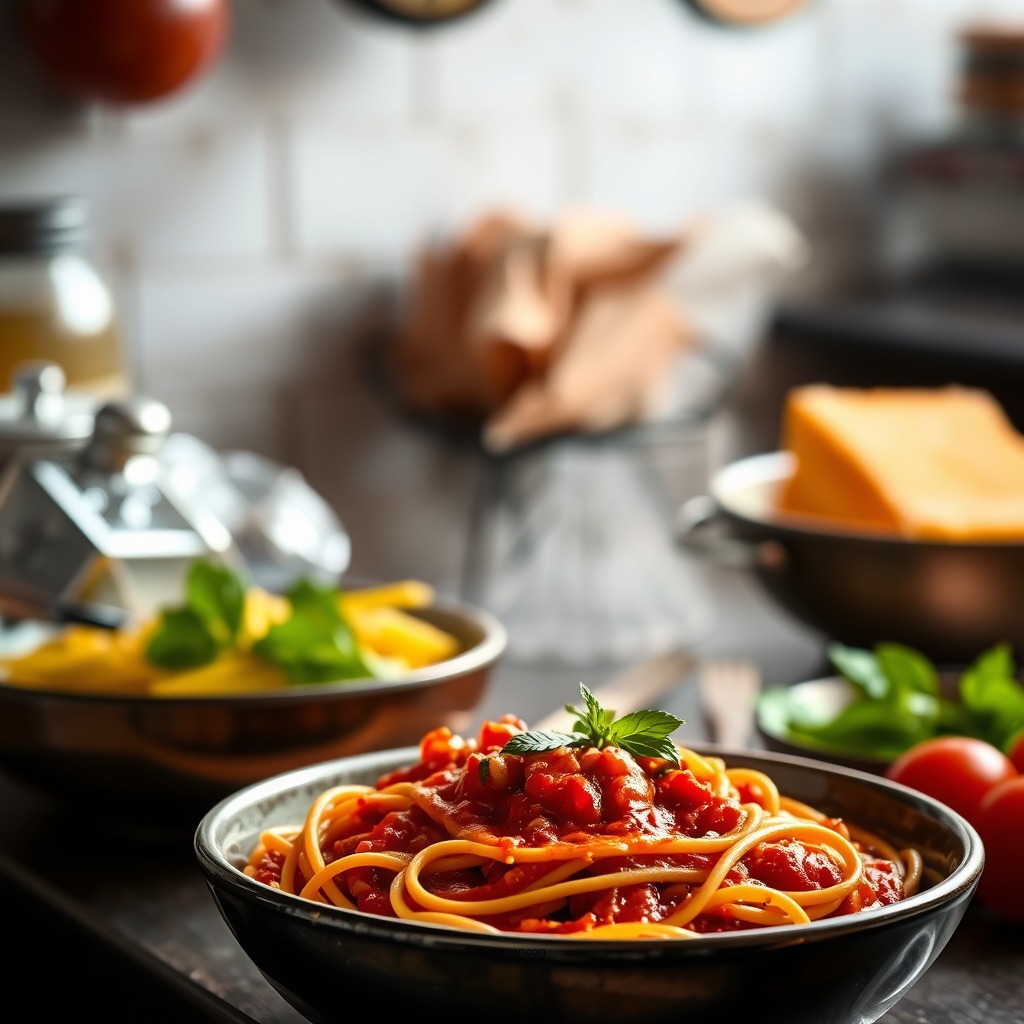
Marinara sauce is the quintessential Italian sauce that serves as a foundation for many pasta dishes. The beauty of a classic marinara lies in its simplicity and fresh ingredients.
– Use fresh tomatoes or canned San Marzano tomatoes for the best flavor. Fresh tomatoes provide a bright, vibrant taste, while San Marzano tomatoes, known for their sweetness and low acidity, deliver a rich flavor profile. If using fresh tomatoes, consider blanching them to make peeling easier.
– Sauté garlic and onions in olive oil for a fragrant base. Start by heating a generous amount of extra virgin olive oil in a saucepan. Add finely chopped onions and garlic, sautéing until they become translucent. This step builds a deep flavor that is essential for a great marinara.
– Add herbs and seasonings, such as basil and oregano. Fresh herbs elevate the sauce, providing a fragrant aroma and a depth of flavor. A pinch of sugar can also balance the acidity of the tomatoes.
– Simmer for at least 30 minutes. Allowing the sauce to simmer not only thickens it but also enhances the flavor as the ingredients meld together.
Meat Sauce
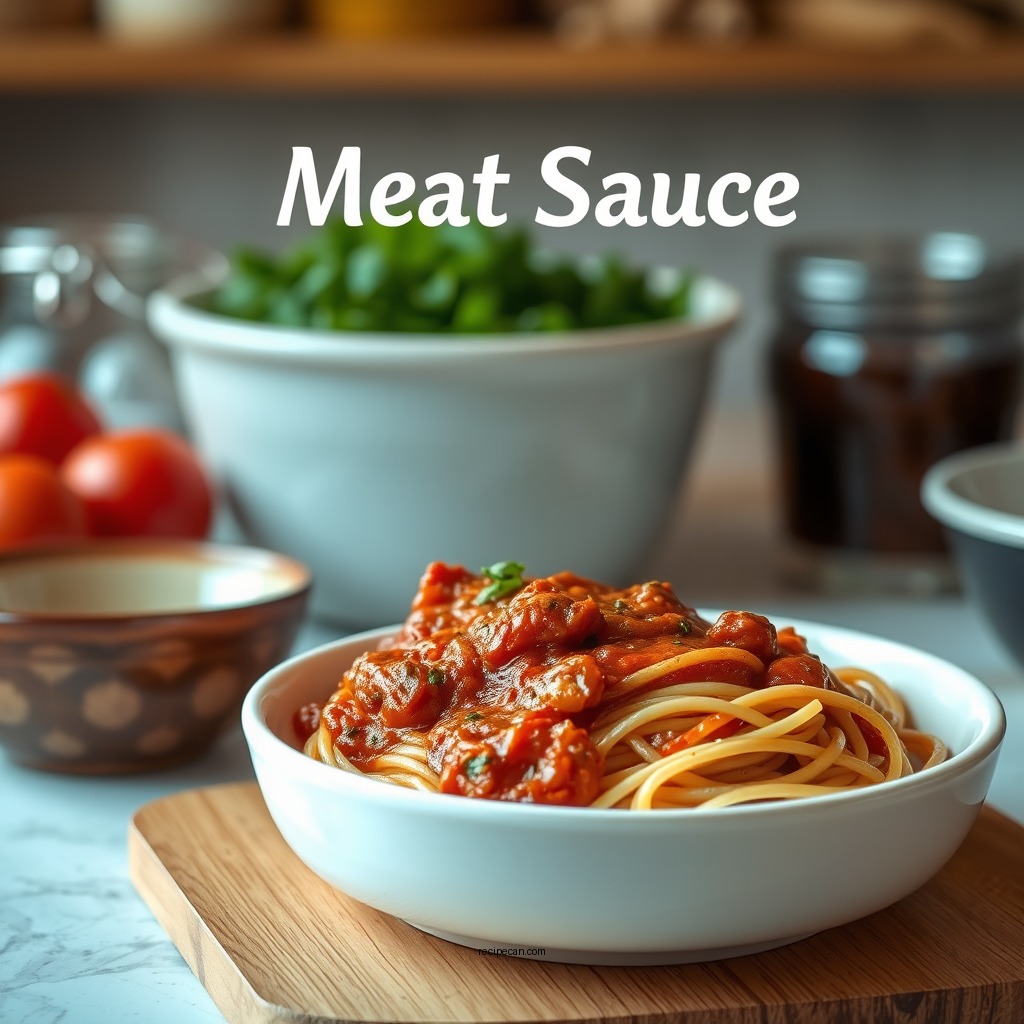
For those looking for a hearty and filling spaghetti sauce, meat sauce is the perfect choice.
– Brown ground beef or Italian sausage for a hearty addition. Start by browning your choice of meat in a skillet. Italian sausage can add a nice spice, while ground beef provides a robust flavor.
– Add red wine to enhance depth and richness in flavor. After browning the meat, deglaze the pan with a splash of red wine, scraping up any browned bits. This step adds complexity and a touch of acidity that balances the richness of the meat.
– Incorporate tomatoes, garlic, and herbs. Follow the same process as the marinara sauce, adding your choice of tomatoes and herbs to create a flavorful base.
– Let it simmer for at least an hour. The longer the sauce simmers, the more flavorful it becomes, as the meat tenderizes and absorbs the sauce’s essence.
Vegetarian Sauce
For a lighter option that bursts with vegetables, a vegetarian sauce is an excellent choice.
– Incorporate seasonal vegetables like bell peppers, zucchini, and mushrooms. Sautéing these vegetables adds texture and flavor, creating a sauce that is both nutritious and delicious.
– Use vegetable broth instead of water for added taste. This simple swap enhances the overall flavor profile of the sauce, providing a more complex base without the need for meat.
– Add beans or lentils for protein. Including these ingredients not only boosts the nutritional content but also makes the sauce more filling.
– Finish with fresh herbs like basil or parsley. Adding herbs at the end of cooking preserves their freshness and brightens the sauce.
Pesto Sauce
Pesto is a vibrant, green sauce that can serve as a delightful alternative to traditional tomato-based sauces.
– Blend fresh basil, garlic, pine nuts, and Parmesan cheese with olive oil. The combination of these ingredients creates a creamy, herbaceous sauce that is perfect for pasta, sandwiches, or as a dip.
– Perfect as a fresh alternative or mix with classic tomato sauce. Pesto can be stirred into marinara for a unique flavor twist, offering the best of both worlds.
– Experiment with different nuts, like walnuts or almonds. This allows for a variety of flavors and textures, catering to personal preferences.
White Sauce (Alfredo)
Creamy and rich, white sauce or Alfredo is a beloved classic.
– Combine heavy cream, butter, and grated Parmesan cheese for a creamy texture. Start by melting butter in a saucepan, then slowly whisk in cream. Once warmed, gradually stir in cheese until it melts and creates a smooth sauce.
– Season with nutmeg and black pepper for extra flavor. A pinch of nutmeg adds warmth, while freshly cracked black pepper enhances the sauce’s complexity.
– Pair with fettuccine or use as a base for baked pasta dishes. This sauce is versatile and can elevate simple dishes into something extraordinary.
Spicy Arrabbiata Sauce
For those who enjoy a bit of heat, arrabbiata sauce is the perfect choice.
– Use crushed red pepper flakes for a kick of heat. Adjust the amount based on your spice tolerance, ensuring that the sauce is flavorful without being overpowering.
– Pair with penne pasta for a classic Italian dish. The shape of penne holds onto the sauce beautifully, making each bite a burst of flavor.
– Consider adding olives or capers for an extra layer of taste. These ingredients can enhance the sauce’s flavor, making it even more enticing.
Tips for Perfecting Your Sauce
Creating the perfect spaghetti sauce involves attention to detail and a willingness to experiment.
– Always taste and adjust seasoning throughout the cooking process. This practice ensures that the sauce is balanced and meets your personal preferences.
– Allow your sauce to simmer longer for deeper flavor development. While some sauces can be made quickly, longer simmering times can significantly enhance the flavor profile.
– Store leftovers properly. Homemade sauces can often taste even better the next day. Store them in airtight containers in the fridge for up to a week or freeze for longer storage.
Popular Spaghetti Sauce Types and Their Main Ingredients
| # | Sauce Type | Main Ingredients | Prep Time | Flavor Profile |
|---|---|---|---|---|
| 1 | Marinara | Tomatoes, garlic, onions | 30 minutes | Fresh and tangy |
| 2 | Meat Sauce | Ground meat, tomatoes | 1 hour | Rich and hearty |
| 3 | Vegetarian | Vegetables, vegetable broth | 45 minutes | Light and vibrant |
| 4 | Pesto | Basil, garlic, nuts | 10 minutes | Herbaceous and nutty |
| 5 | Alfredo | Cream, butter, cheese | 15 minutes | Creamy and rich |
| 6 | Arrabbiata | Tomatoes, chili flakes | 30 minutes | Spicy and bold |
Homemade Sauce Prep Time Comparison
Crafting a delicious homemade spaghetti sauce can elevate your pasta dishes and impress your guests. By experimenting with these recipes, you’ll find the perfect sauce to suit your taste preferences. Don’t hesitate to try different ingredients and techniques to make these recipes your own! Whether you prefer the classic flavors of marinara or the vibrant taste of pesto, the possibilities are endless in the world of homemade sauces.
Frequently Asked Questions
What are some essential ingredients for homemade spaghetti sauce?
To create a delicious homemade spaghetti sauce, essential ingredients typically include ripe tomatoes or tomato puree, garlic, onions, olive oil, and herbs like basil and oregano. Adding a touch of sugar can help balance the acidity of the tomatoes, while red wine can enhance the flavor profile. These ingredients will give your sauce a rich and authentic taste that complements any pasta dish.
How do I make a quick and easy spaghetti sauce from scratch?
To make a quick and easy spaghetti sauce from scratch, start by sautéing chopped onions and minced garlic in olive oil until fragrant. Next, add canned crushed tomatoes or tomato sauce, along with your choice of herbs and seasonings. Simmer for at least 20 minutes to allow the flavors to meld, and adjust seasonings to taste for a homemade sauce that’s ready in no time.
Why should I make my own spaghetti sauce instead of buying store-bought?
Making your own spaghetti sauce allows you to control the ingredients, ensuring freshness and avoiding preservatives found in many store-bought options. Homemade spaghetti sauce can also be customized to suit your taste preferences, whether you prefer it spicy, sweet, or herbaceous. Plus, it’s often more cost-effective and can be made in bulk for future meals.
What are the best herbs and spices to use in homemade spaghetti sauce?
The best herbs and spices for homemade spaghetti sauce include fresh or dried basil, oregano, thyme, and parsley. For added depth, consider incorporating red pepper flakes for heat or bay leaves for a subtle earthiness. Experimenting with different combinations will allow you to tailor the sauce to your personal taste.
Which type of tomatoes is best for making homemade spaghetti sauce?
For making homemade spaghetti sauce, San Marzano tomatoes are widely regarded as the best due to their rich flavor and low acidity. If you can’t find them, high-quality canned plum tomatoes or fresh Roma tomatoes are excellent alternatives. Look for tomatoes that are firm and vibrant in color to achieve the best results in your sauce.
References
- Tomato sauce
https://en.wikipedia.org/wiki/Spaghetti_sauce - https://www.seriouseats.com/spaghetti-sauce-recipes-5111944
https://www.seriouseats.com/spaghetti-sauce-recipes-5111944 - https://www.foodnetwork.com/recipes/articles/50-sauces
https://www.foodnetwork.com/recipes/articles/50-sauces - https://www.thekitchn.com/how-to-make-spaghetti-sauce-from-scratch-226477
https://www.thekitchn.com/how-to-make-spaghetti-sauce-from-scratch-226477 - Google Scholar Google Scholar
https://scholar.google.com/scholar?q=spaghetti+sauce+recipes+homemade - Google Scholar Google Scholar
https://scholar.google.com/scholar?q=homemade+spaghetti+sauce+recipes - Google Scholar Google Scholar
https://scholar.google.com/scholar?q=traditional+spaghetti+sauce+recipes - https://www.ncbi.nlm.nih.gov/pmc/articles/PMC4808004/
https://www.ncbi.nlm.nih.gov/pmc/articles/PMC4808004/ - spaghetti sauce recipes homemade – Search results
https://en.wikipedia.org/wiki/Special:Search?search=spaghetti+sauce+recipes+homemade - https://www.ncbi.nlm.nih.gov/search/research-articles/?term=spaghetti+sauce+recipes+homemade
https://www.ncbi.nlm.nih.gov/search/research-articles/?term=spaghetti+sauce+recipes+homemade