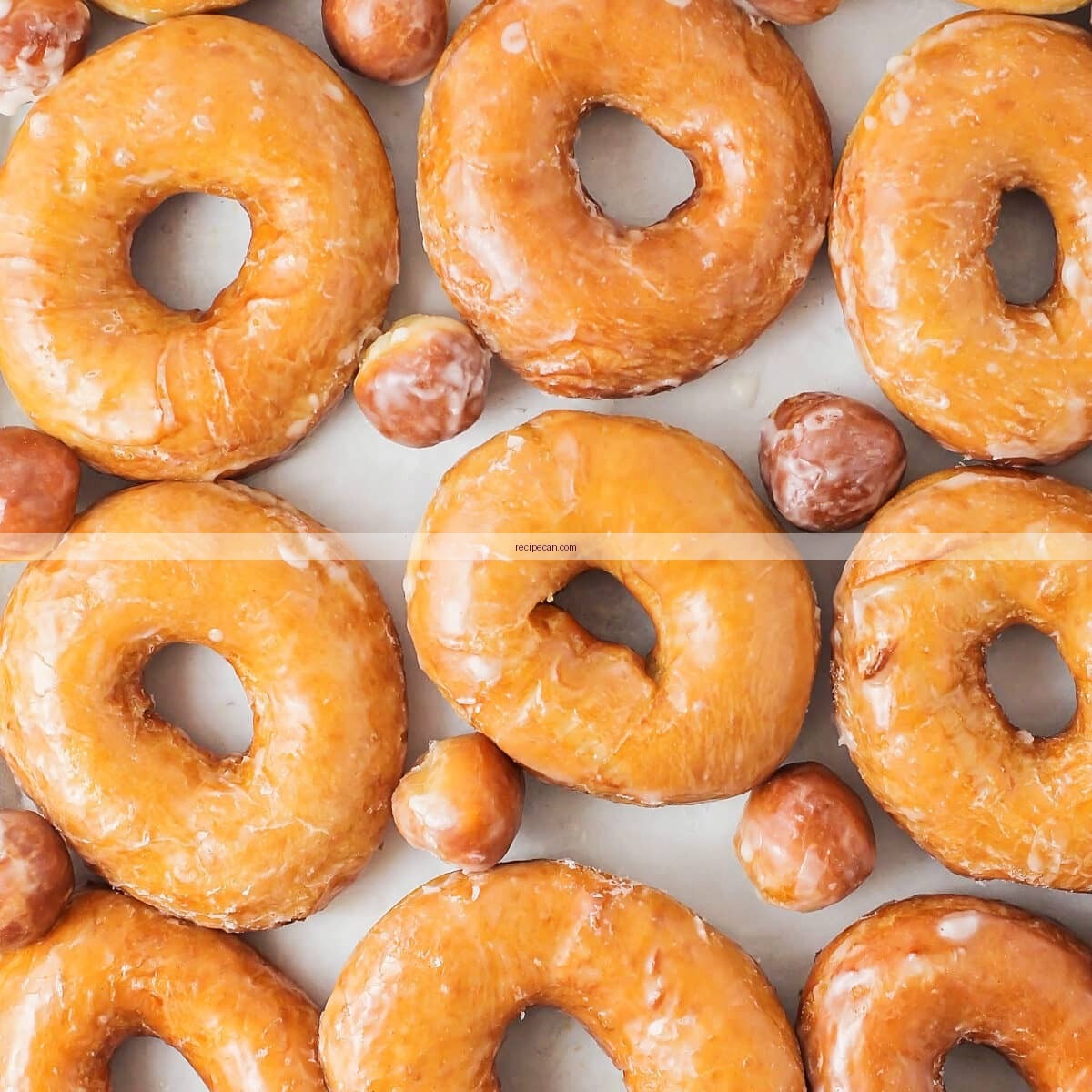
Making homemade donuts is not only simple but also incredibly rewarding, resulting in warm, fluffy treats that can be customized to your heart’s content. With just a few essential ingredients and basic techniques, anyone can create these delightful confections right in their own kitchen. In this guide, you’ll learn an easy donut recipe, tips for customization, and frying techniques that guarantee perfect results every time.
Essential Ingredients for Homemade Donuts

To make delicious homemade donuts, you’ll need some key ingredients that form the foundation of their flavor and texture.
– Flour: All-purpose flour is typically used for its balanced gluten content, which provides the ideal texture for donuts. However, you can experiment with different types, such as cake flour for a lighter, airier donut or whole wheat flour for a healthier option.
– Sugar: Granulated sugar is the standard choice, but incorporating brown sugar can introduce a deeper, more caramel-like flavor to your donuts. You can also adjust the sweetness based on personal preference.
– Leavening Agents: Baking powder and yeast are the two main leavening agents used in donut recipes. Baking powder creates a quick rise and is often used for cake donuts, while yeast is essential for yeast donuts, offering a light, airy texture through fermentation.
Step-by-Step Donut Recipe

Creating your own homemade donuts entails a straightforward process. Follow these steps to ensure you achieve the best results.
– Mixing the Dough: Start by combining your dry ingredients in a large mixing bowl—this includes flour, sugar, baking powder or yeast, and any spices like nutmeg or cinnamon. In a separate bowl, whisk together your wet ingredients, such as milk, eggs, and melted butter. Gradually add the wet ingredients to the dry ingredients, mixing until a soft dough forms. Avoid overmixing, as this can lead to denser donuts.
– Shaping the Donuts: Once your dough is ready, turn it out onto a floured surface. Roll it out to about half an inch thick. Use a donut cutter or two different-sized cookie cutters to cut out your donuts, ensuring you have a hole in the center for that classic shape. If you don’t have a donut cutter, you can use the rim of a glass for the outer circle and a smaller cutter or bottle cap for the inner circle.
Frying Techniques for Perfect Donuts
Frying donuts to perfection is an art that requires careful attention to detail. Here’s how to achieve that golden-brown finish.
– Oil Temperature: Use a thermometer to ensure your frying oil is heated to around 350°F (175°C). If the oil is too hot, your donuts will burn on the outside while remaining raw inside. If it’s too cool, they will absorb too much oil, resulting in greasy donuts.
– Frying Time: Carefully place your donuts in the hot oil, frying each side for about 1-2 minutes or until they turn a golden brown color. Use a slotted spoon to turn them gently, taking care not to overcrowd the pan, which can lower the oil temperature.
Top 7 Types of Donuts by Popularity (2024)
| # | Type | Popularity (%) | Ideal For |
|---|---|---|---|
| 1 | Glazed | 35% | Breakfast |
| 2 | Chocolate Frosted | 25% | Dessert |
| 3 | Jelly Filled | 20% | Snack |
| 4 | Boston Cream | 15% | Dessert |
| 5 | Sprinkle | 10% | Celebration |
| 6 | Maple Bar | 8% | Breakfast |
| 7 | Old Fashioned | 7% | Snack |
Flavor and Topping Options
One of the most enjoyable aspects of making homemade donuts is the ability to customize flavors and toppings to suit your preferences.
– Glazes: You can opt for classic glazes such as chocolate, vanilla, or maple. To make a glaze, simply combine powdered sugar with a liquid such as milk or water, and whisk until smooth. For a richer flavor, consider incorporating flavored extracts or cocoa powder.
– Toppings: Enhance your donuts with an array of toppings. Sprinkle them with powdered sugar or cinnamon sugar for a simple yet delightful addition. Alternatively, you can dip them in melted chocolate and add colorful sprinkles for a fun, festive touch.
Storage and Serving Suggestions
To maintain the freshness of your homemade donuts, proper storage is essential.
– Storage Tips: Keep your donuts in an airtight container at room temperature for up to two days. For longer storage, consider freezing them. Wrap each donut individually in plastic wrap and place them in a freezer bag to prevent freezer burn. They can be thawed at room temperature or warmed up in the oven when you’re ready to enjoy them.
– Serving Ideas: Serve your donuts warm alongside a cup of coffee or tea for a delightful breakfast or snack. They also make an excellent addition to a brunch spread, where guests can enjoy a variety of flavors and toppings.
Homemade Donut Types by Preparation Time
Troubleshooting Common Issues
Even the best bakers encounter challenges. Here are some common issues and how to resolve them when making donuts.
– Dense Donuts: If your donuts turn out dense, it may be due to improper measurement of ingredients or overmixing the dough. Make sure to use precise measurements and mix the dough just until combined. Additionally, if using yeast, ensure it is fresh and active.
– Oil Absorption: Excessive oil absorption can make donuts greasy. Maintaining the right frying temperature is crucial to avoid this. Use a thermometer to monitor the oil and fry in small batches to keep the temperature consistent.
Your homemade donuts are now ready to impress! Enjoy the satisfaction of creating these delightful treats at home, and don’t hesitate to experiment with flavors and toppings to make them your own. Happy frying!
Frequently Asked Questions
What are the basic ingredients needed for a homemade donuts recipe?
To make homemade donuts, you’ll need key ingredients such as all-purpose flour, sugar, baking powder, salt, milk, eggs, and butter. For frying, vegetable oil is typically used. You can also customize your recipe with flavors like vanilla or nutmeg for added taste.
How do I ensure my homemade donuts are fluffy and not dense?
To achieve fluffy homemade donuts, it’s crucial to not overmix the batter, as this can lead to a dense texture. Additionally, make sure your baking powder is fresh, and allow the donuts to rise properly before frying for the best results.
Why do some homemade donuts turn out greasy after frying?
Greasy donuts often result from frying in oil that is not hot enough, causing the donuts to absorb more oil. To prevent this, ensure your oil reaches the correct temperature (around 350°F) before adding the donuts, and avoid overcrowding the frying pan.
What is the best way to glaze homemade donuts?
The best way to glaze homemade donuts is to prepare a simple glaze using powdered sugar, milk, and vanilla extract. Dip the warm donuts into the glaze right after frying for a smooth finish, and allow them to set on a wire rack for a delightful, sweet coating.
Which toppings can I use to enhance my homemade donuts?
There are numerous toppings to elevate your homemade donuts, including classic options like chocolate glaze, sprinkles, or cinnamon sugar. You can also explore creative choices like maple syrup, crushed nuts, or fruit preserves to cater to different taste preferences.
References
- Doughnut
https://en.wikipedia.org/wiki/Donut - https://www.bbc.co.uk/food/recipes/homemade_doughnuts_44030
https://www.bbc.co.uk/food/recipes/homemade_doughnuts_44030 - https://www.sciencedirect.com/topics/food-science/doughnut
https://www.sciencedirect.com/topics/food-science/doughnut - https://www.ncbi.nlm.nih.gov/pmc/articles/PMC6783809/
https://www.ncbi.nlm.nih.gov/pmc/articles/PMC6783809/ - https://www.nature.com/articles/s41598-020-69035-0
https://www.nature.com/articles/s41598-020-69035-0 - Google Scholar Google Scholar
https://scholar.google.com/scholar?q=homemade+donuts+recipe - Google Scholar Google Scholar
https://scholar.google.com/scholar?q=doughnut+recipes - Google Scholar Google Scholar
https://scholar.google.com/scholar?q=donut+preparation+methods - Doughnut | Definition, History, Types, & Origins | Britannica
https://www.britannica.com/topic/doughnut - https://www.mayoclinic.org/healthy-lifestyle/nutrition-and-healthy-eating/expert-answers/donuts/faq-20057818
https://www.mayoclinic.org/healthy-lifestyle/nutrition-and-healthy-eating/expert-answers/donuts/faq-20057818