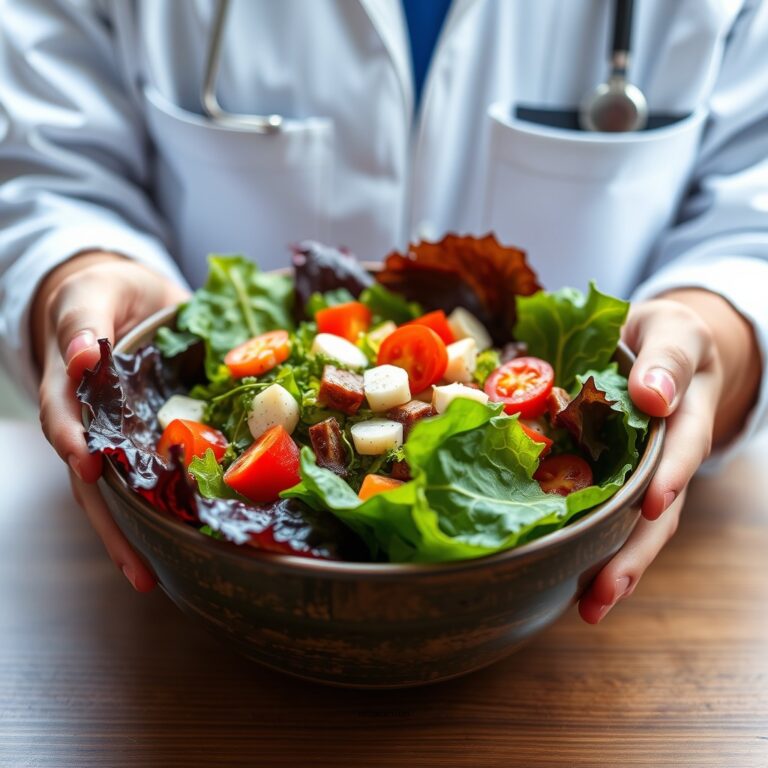
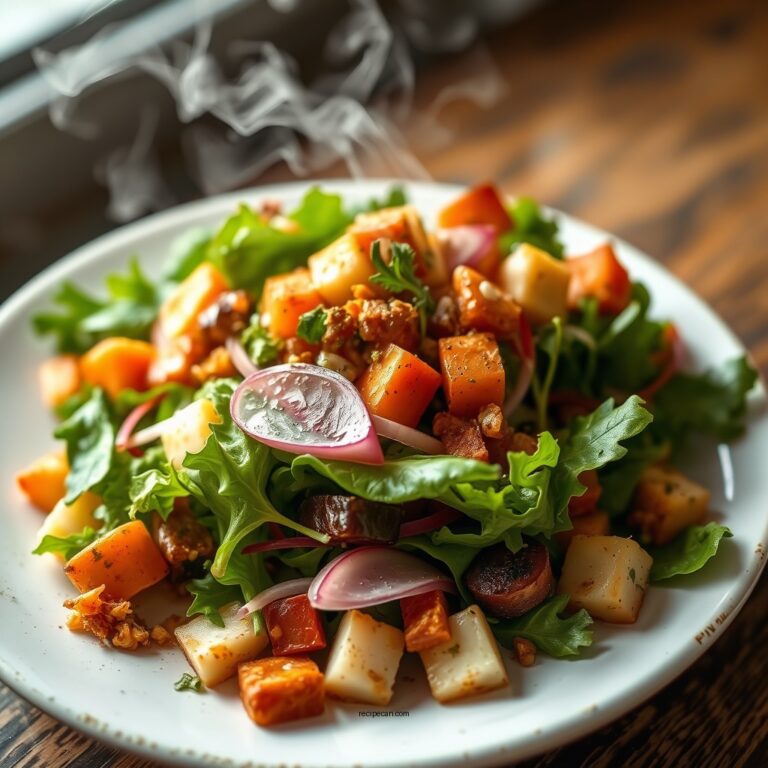
Looking for a way to boost your salad’s nutritional profile without sacrificing flavor? A high-protein salad dressing is the perfect solution. In this article, you will learn how to create delicious, easy-to-make salad dressings that enhance both the taste and nutritional value of your salads, ensuring a satisfying meal that supports your health goals.
Benefits of High Protein Salad Dressings
Incorporating high-protein salad dressings into your meals can significantly enhance your overall health. Here are some of the key benefits:
– Supports Muscle Growth and Repair: High-protein dressings can aid in muscle recovery and growth. Proteins are essential for repairing tissues, making them particularly beneficial for those who engage in regular exercise or strength training.
– Enhances Nutritional Value: Adding protein to your salad makes it more filling and satisfying. This can help prevent overeating and provide sustained energy throughout the day. When you replace traditional dressings with high-protein alternatives, you’re not just flavoring your greens; you’re also enriching your diet.
Key Ingredients for High Protein Dressings
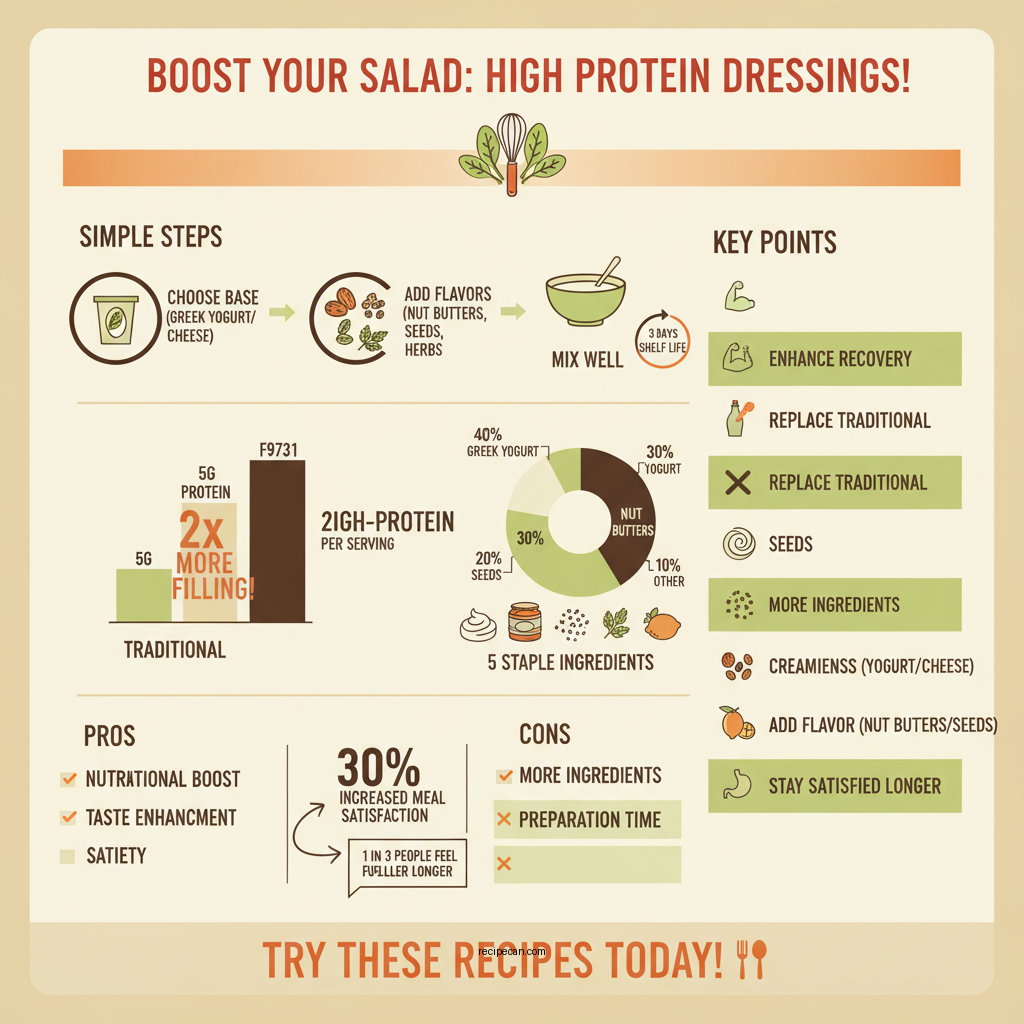
Creating a high-protein salad dressing is simple when you know the right ingredients to use. Here are some staples to consider:
– Greek Yogurt or Cottage Cheese: These dairy products are excellent sources of protein and add creaminess to your dressings. They also provide a tangy flavor that can enhance the overall taste of your salads.
– Nut Butters or Seeds: Ingredients like peanut butter, almond butter, or tahini not only add protein but also contribute healthy fats and unique flavors. Seeds such as chia or hemp seeds are also great additions for both texture and nutrition.
Simple High Protein Dressing Recipes
Here are two easy recipes for high-protein salad dressings that you can make at home:
Recipe 1: Greek Yogurt and Herb Dressing
Ingredients:
– 1 cup Greek yogurt
– 2 tablespoons olive oil
– 1 tablespoon lemon juice
– 1 teaspoon dried dill
– Salt and pepper to taste
Instructions:
1. In a bowl, whisk together Greek yogurt, olive oil, and lemon juice until smooth.
2. Stir in dill, salt, and pepper.
3. Serve immediately or refrigerate for up to a week.
Recipe 2: Peanut Butter and Soy Sauce Vinaigrette
Ingredients:
– 2 tablespoons peanut butter
– 2 tablespoons soy sauce (or tamari for a gluten-free version)
– 1 tablespoon rice vinegar
– 1 teaspoon honey (or maple syrup for vegan)
– Water to thin as needed
Instructions:
1. In a small bowl, combine peanut butter, soy sauce, rice vinegar, and honey.
2. Mix until smooth, adding water gradually to reach your desired consistency.
3. This dressing pairs well with Asian-inspired salads.
Top 7 High-Protein Salad Dressing Ingredients
| # | Ingredient | Protein Content (g per 100g) | Calories (kcal) | Fat (g) |
|---|---|---|---|---|
| 1 | Greek Yogurt | 10 | 59 | 0.4 |
| 2 | Cottage Cheese | 11 | 98 | 4.3 |
| 3 | Peanut Butter | 25 | 588 | 50 |
| 4 | Tahini | 17 | 595 | 53 |
| 5 | Hemp Seeds | 33 | 553 | 49 |
| 6 | Chia Seeds | 17 | 486 | 31 |
| 7 | Sunflower Seeds | 21 | 584 | 51 |
High-Protein Dressings vs. Traditional Dressings
Tips for Customizing Your Dressings
Customization is key to creating a dressing that suits your palate and dietary needs. Here are some tips to enhance your high-protein dressings:
– Experiment with Spices and Herbs: Fresh herbs like basil, parsley, or cilantro can elevate the flavor profile of your dressings. Spices such as cumin or paprika can also add depth without adding calories.
– Adjust Thickness: If you prefer a thinner dressing, add a splash of water, vinegar, or citrus juice. Conversely, for a creamier texture, consider incorporating more Greek yogurt or nut butter.
Storing and Serving Suggestions
Proper storage and serving practices can maximize the freshness and flavor of your homemade dressings:
– Storing: Keep your dressings in airtight containers in the refrigerator. Most high-protein dressings can last up to a week, but always check for freshness before use.
– Serving Suggestions: Pair these dressings with a variety of salads—think roasted vegetables, mixed greens, or grain-based salads like quinoa or farro. High-protein dressings also work well as marinades for meats or tofu.
Nutritional Considerations
Understanding the nutritional content of your dressings is crucial for health-conscious eaters:
– Protein Content: High-protein dressings provide a significant boost to your meal, making it more satisfying. Be mindful of the calorie content, especially when using ingredients like nut butters, which are calorie-dense.
– Flavor Balancing: It’s essential to balance flavors—too much acidity can overpower a dressing, while not enough can make it bland. Experiment with different ratios of sweet, salty, and acidic ingredients to find your ideal blend.
Frequently Asked Questions
Here are some common questions regarding high-protein salad dressings:
– Can I substitute Greek yogurt for vegan options? Absolutely! You can use plant-based yogurts, silken tofu, or cashew cream to create a similar texture and flavor profile.
– How can I make a low-calorie dressing? Focus on using low-calorie ingredients like vinegar, lemon juice, and herbs. Reducing oil and sweeteners can also help lower the calorie count.
In conclusion, high-protein salad dressings are a delicious and easy way to enhance the nutritional value of your meals. By incorporating ingredients like Greek yogurt and nut butters, you can create flavorful dressings that support your health goals. Try out the recipes provided, customize them to your liking, and enjoy a new level of satisfaction on your salads. Don’t forget to share your favorite variations with us!
Frequently Asked Questions
What are some high protein ingredients to include in a salad dressing?
High protein ingredients to consider for your salad dressing include Greek yogurt, cottage cheese, silken tofu, or protein powder. These ingredients not only boost the protein content but also enhance the creaminess and texture of the dressing, making it more satisfying.
How can I make a high protein salad dressing at home?
To make a high protein salad dressing at home, combine Greek yogurt or silken tofu with your choice of herbs, lemon juice, and a splash of vinegar. Blend until smooth, adjusting the seasoning to taste; this creates a deliciously creamy dressing packed with protein and flavor.
Why should I choose high protein salad dressings?
Choosing high protein salad dressings can help you stay full longer, support muscle repair, and contribute to your daily protein intake. By incorporating protein-rich dressings, you enhance the nutritional value of your salad, making it a more balanced meal option.
What is the best high protein salad dressing recipe for meal prep?
The best high protein salad dressing for meal prep is a simple Greek yogurt-based vinaigrette. Mix 1 cup of Greek yogurt, 2 tablespoons of olive oil, 1 tablespoon of apple cider vinegar, and your favorite herbs and spices. This dressing can be stored in the fridge for up to a week, making it perfect for easy meal prep.
Which high protein salad dressing pairs well with specific salads?
A creamy avocado and Greek yogurt dressing pairs wonderfully with a Southwest salad, while a lemon-tahini dressing complements Mediterranean salads beautifully. Experimenting with different high protein dressings allows you to enhance the flavors of your salads while keeping your protein intake high.
References
- https://www.ncbi.nlm.nih.gov/pmc/articles/PMC6591401/
https://www.ncbi.nlm.nih.gov/pmc/articles/PMC6591401/ - https://pubmed.ncbi.nlm.nih.gov/29443657/
https://pubmed.ncbi.nlm.nih.gov/29443657/ - https://www.mayoclinic.org/healthy-lifestyle/nutrition-and-healthy-eating/in-depth/protein/art-20045456
https://www.mayoclinic.org/healthy-lifestyle/nutrition-and-healthy-eating/in-depth/protein/art-20045456 - https://www.health.harvard.edu/staying-healthy/the-protein-paradox
https://www.health.harvard.edu/staying-healthy/the-protein-paradox - https://www.nhlbi.nih.gov/health-topics/protein
https://www.nhlbi.nih.gov/health-topics/protein - https://www.sciencedirect.com/science/article/pii/S2212267217310213
https://www.sciencedirect.com/science/article/pii/S2212267217310213 - https://www.bbc.com/news/health-51101767
https://www.bbc.com/news/health-51101767 - https://www.theguardian.com/lifeandstyle/2020/jan/30/the-best-salad-dressings
https://www.theguardian.com/lifeandstyle/2020/jan/30/the-best-salad-dressings - Google Scholar Google Scholar
https://scholar.google.com/scholar?q=high+protein+salad+dressing+recipe - Google Scholar Google Scholar
https://scholar.google.com/scholar?q=protein+salad+dressing+health+benefits