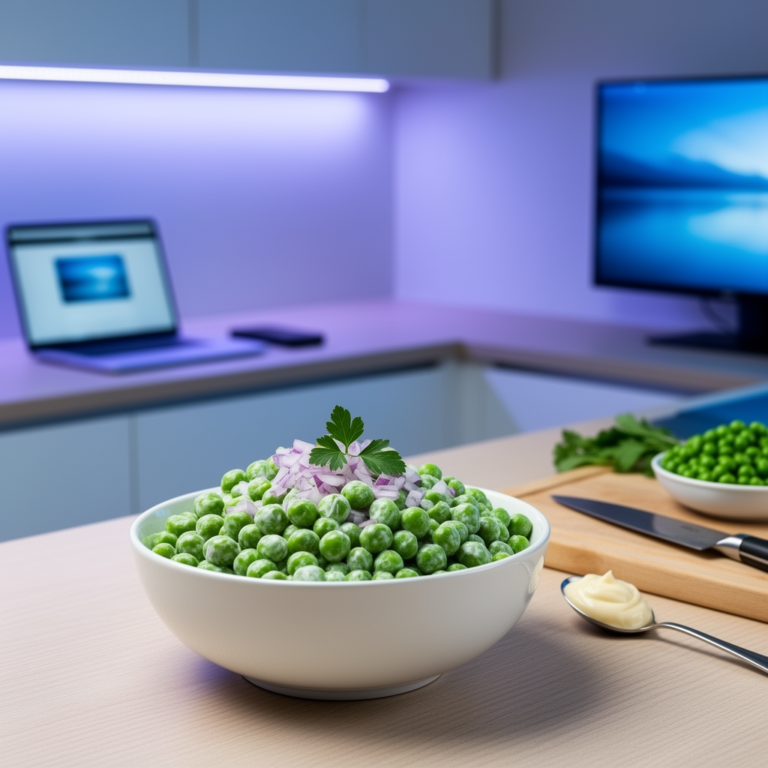
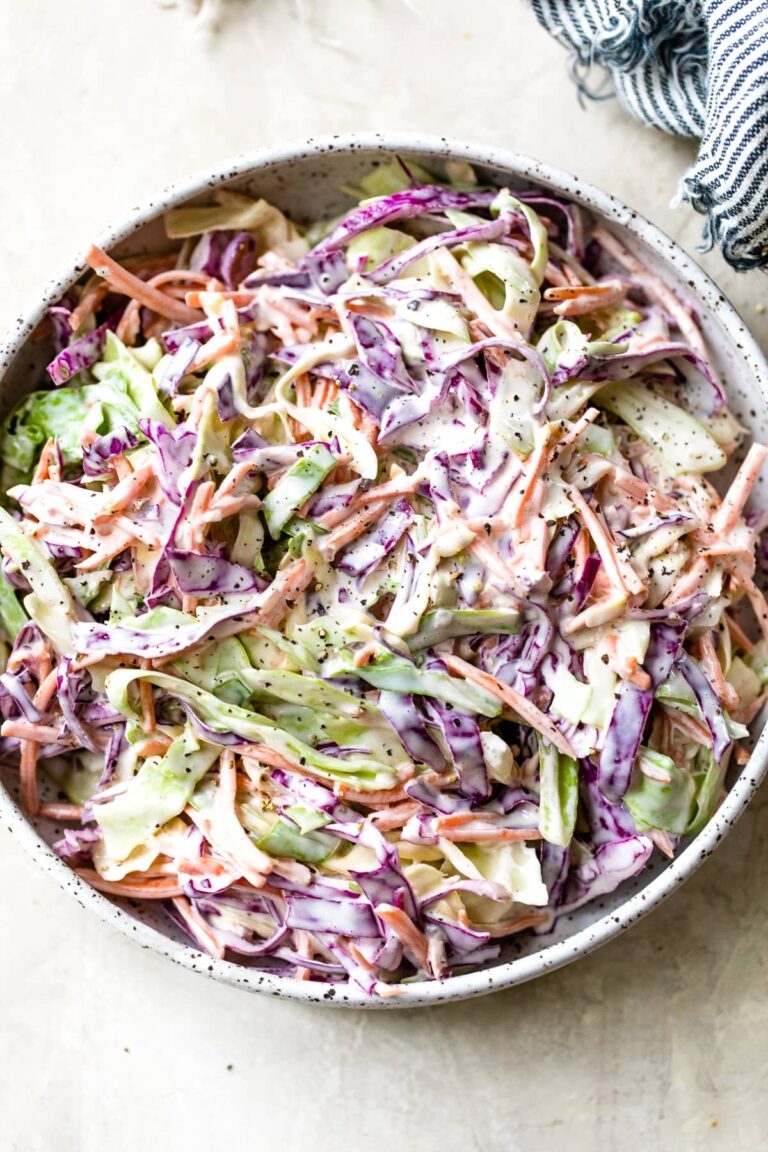
A healthy mayonnaise recipe offers a nutritious alternative to traditional options, allowing you to enjoy creamy flavor without the guilt. This homemade version is low in unhealthy fats and packed with wholesome ingredients, making it the clear winner for health-conscious consumers. Discover how to whip up this simple, delicious condiment that enhances your meals while supporting your wellness goals.
Making healthy mayonnaise at home is simple and allows you to enjoy a creamy condiment without the unhealthy additives found in store-bought options. This homemade version not only tastes better but also provides the opportunity to customize it according to your dietary preferences. In this article, you will learn how to create a delicious and nutritious mayonnaise that suits your dietary needs, using wholesome ingredients.
Ingredients You’ll Need

Creating a healthy mayonnaise begins with selecting high-quality ingredients. Here’s a breakdown of what you will need:
– High-quality oils: Choose heart-healthy oils like olive or avocado oil. Olive oil is rich in monounsaturated fats and antioxidants, while avocado oil has a higher smoke point and a mild flavor, making it versatile for various recipes.
– Egg yolk: Fresh eggs are key for achieving the right texture and flavor. The egg yolk acts as an emulsifier, binding the oil and water components together to create a stable and creamy texture.
– Acid: Lemon juice or vinegar adds brightness and balance to your mayo. The acid not only enhances the flavor but also aids in the emulsification process, ensuring that your mayonnaise has a smooth consistency.
Step-by-Step Instructions

Making mayonnaise is a straightforward process that requires minimal effort. Here are the steps to create your homemade mayonnaise:
– Combine ingredients: Start by placing one egg yolk, a teaspoon of Dijon mustard, and a tablespoon of your chosen acid (lemon juice or vinegar) into a mixing bowl. Whisk these ingredients together until they are well combined.
– Emulsification: While continuously whisking, slowly drizzle in your chosen oil. It’s essential to add the oil gradually, allowing the mixture to emulsify properly. As you whisk, you’ll notice the mayonnaise thickening and becoming creamy. This process typically takes about 5 to 10 minutes, depending on the amount of oil used.
– Season: Finally, add salt and pepper to taste, adjusting to your preference. You can also consider adding other spices or flavorings at this stage to personalize your mayonnaise.
Customization Options

Homemade mayonnaise offers a canvas for creativity, allowing you to tailor it to your taste preferences:
– Flavor variations: Enhance your mayo with garlic, fresh herbs (such as dill or basil), or spices like paprika or cayenne pepper. These additions can transform your mayonnaise into a flavorful dip or a spread for sandwiches.
– Vegan alternative: For a plant-based version, use aquafaba (the liquid from canned chickpeas) in place of egg yolk. This substitution allows you to create a creamy mayonnaise that’s completely vegan while maintaining excellent texture.
– Low-fat option: If you’re looking to reduce calories, you can substitute some of the oil with Greek yogurt. This not only lowers the fat content but also adds protein and a tangy flavor to your mayonnaise.
Nutritional Comparison of Common Mayonnaise Ingredients
| # | Ingredient | Calories (per tbsp) | Fat (g) | Protein (g) |
|---|---|---|---|---|
| 1 | Olive Oil Mayo | 90 | 10 | 0.1 |
| 2 | Avocado Oil Mayo | 100 | 11 | 0.5 |
| 3 | Greek Yogurt Mayo | 30 | 1.5 | 3 |
| 4 | Regular Mayo | 100 | 11 | 0.3 |
| 5 | Vegan Mayo | 70 | 7 | 0.2 |
| 6 | Mustard Mayo | 50 | 5 | 0.3 |
| 7 | Chipotle Mayo | 80 | 9 | 0.1 |
Storage Tips

To maintain the freshness of your homemade mayonnaise, proper storage is crucial. Here are some tips to ensure it stays delicious for as long as possible:
– Airtight container: Store your homemade mayo in a clean, sealed container to prevent exposure to air, which can lead to spoilage. Glass jars are an excellent option for storage as they do not retain odors and are easy to clean.
– Refrigeration: Keep your mayonnaise refrigerated, and for the best freshness, consume it within one week. Always use a clean utensil to scoop out the mayonnaise to avoid introducing bacteria.
– Freezing: Although not recommended due to potential texture changes, you can freeze mayo for up to a month. If you choose to do so, place it in an airtight container, leaving some space for expansion. Be aware that thawed mayonnaise may separate and require re-emulsification before use.
Nutritional Benefits

Homemade mayonnaise offers several nutritional benefits compared to store-bought varieties. Here are a few key points to consider:
– Healthy fats: Homemade mayonnaise provides beneficial fats that support heart health. The oils used can enhance your overall lipid profile, reducing the risk of heart disease.
– No preservatives: By making your own mayonnaise, you eliminate harmful additives and preservatives often found in commercial products. This means you’re consuming a cleaner, more natural condiment.
– Protein source: The egg yolk contributes protein, making it a more nutritious choice. Protein is essential for building and repairing tissues, and it plays a vital role in various bodily functions.
Common Mistakes to Avoid
To ensure your homemade mayonnaise turns out perfectly, be mindful of these common mistakes:
– Over-whisking: Whisking too fast can break the emulsion, resulting in a runny texture. Aim for a steady, consistent whisking motion to maintain the emulsion.
– Wrong oil choice: Using oils with strong flavors, such as sesame oil, may overpower the mayo and affect its taste. Stick to neutral-flavored oils like canola or the recommended olive or avocado oils.
– Skipping temperature: Ensure all ingredients are at room temperature to facilitate proper emulsification. Cold ingredients can hinder the process and result in a less desirable texture.
Making a healthy mayonnaise is not only easy but also allows you to control the ingredients and flavors. With just a few simple steps and some creativity, you can create a tasty and nutritious condiment that enhances your meals. Try this recipe today and enjoy a healthier alternative to store-bought mayonnaise!
Frequently Asked Questions
What are the key ingredients for a healthy mayonnaise recipe?
A healthy mayonnaise recipe typically includes egg yolks, lemon juice or vinegar, mustard, and a healthy oil such as avocado or olive oil. These ingredients not only provide a creamy texture but also add nutritional benefits, making it a better alternative to store-bought mayonnaise that may contain unhealthy fats and preservatives.
How can I make mayonnaise without eggs for a healthier option?
To make an egg-free mayonnaise, you can use aquafaba, which is the liquid from canned chickpeas, as a substitute for egg yolks. Blend aquafaba with lemon juice, mustard, and your choice of healthy oil until it reaches a creamy consistency, creating a delicious vegan mayonnaise that’s low in cholesterol and high in flavor.
Why is homemade mayonnaise healthier than store-bought options?
Homemade mayonnaise allows you to control the quality of ingredients, which means you can avoid unhealthy additives and preservatives often found in store-bought varieties. Additionally, by using healthier oils and fresh ingredients, you can create a mayonnaise that is rich in nutrients and tailored to your dietary needs.
What is the best oil to use for a healthy mayonnaise recipe?
The best oils for a healthy mayonnaise recipe are avocado oil and extra virgin olive oil, as they are high in monounsaturated fats and have beneficial health properties. These oils not only provide a rich flavor but also contribute to heart health and can help reduce inflammation.
Which kitchen tools do I need to make a healthy mayonnaise at home?
To make healthy mayonnaise at home, you will need a mixing bowl, a whisk or hand blender, and a measuring cup for precise ingredient ratios. Using an immersion blender or food processor can also speed up the process and ensure a smooth, creamy consistency in your homemade mayonnaise.
References
- Reactivity of (1-methoxycarbonylpentadienyl)iron(1+) cations with hydride, methyl, and nitrogen n…
https://www.ncbi.nlm.nih.gov/pmc/articles/PMC5703425/ - https://www.mayoclinic.org/healthy-lifestyle/nutrition-and-healthy-eating/in-depth/mayo-nutrition/art-20045677
https://www.mayoclinic.org/healthy-lifestyle/nutrition-and-healthy-eating/in-depth/mayo-nutrition/art-20045677 - https://www.health.harvard.edu/staying-healthy/understanding-mayonnaise
https://www.health.harvard.edu/staying-healthy/understanding-mayonnaise - Detail
https://www.who.int/news-room/fact-sheets/detail/micronutrients - https://www.cdc.gov/nutrition/resources-publications/healthy-eating.html
https://www.cdc.gov/nutrition/resources-publications/healthy-eating.html - https://www.bbc.com/news/health-48736464
https://www.bbc.com/news/health-48736464 - https://www.nutrition.gov/topics/healthy-eating
https://www.nutrition.gov/topics/healthy-eating - Google Scholar Google Scholar
https://scholar.google.com/scholar?q=healthy+mayonnaise+recipe - https://scholar.google.com/scholar?q=nutritional+value+of+mayonnaise Google Scholar
https://scholar.google.com/scholar?q=nutritional+value+of+mayonnaise - Google Scholar Google Scholar
https://scholar.google.com/scholar?q=homemade+mayonnaise+health+benefits