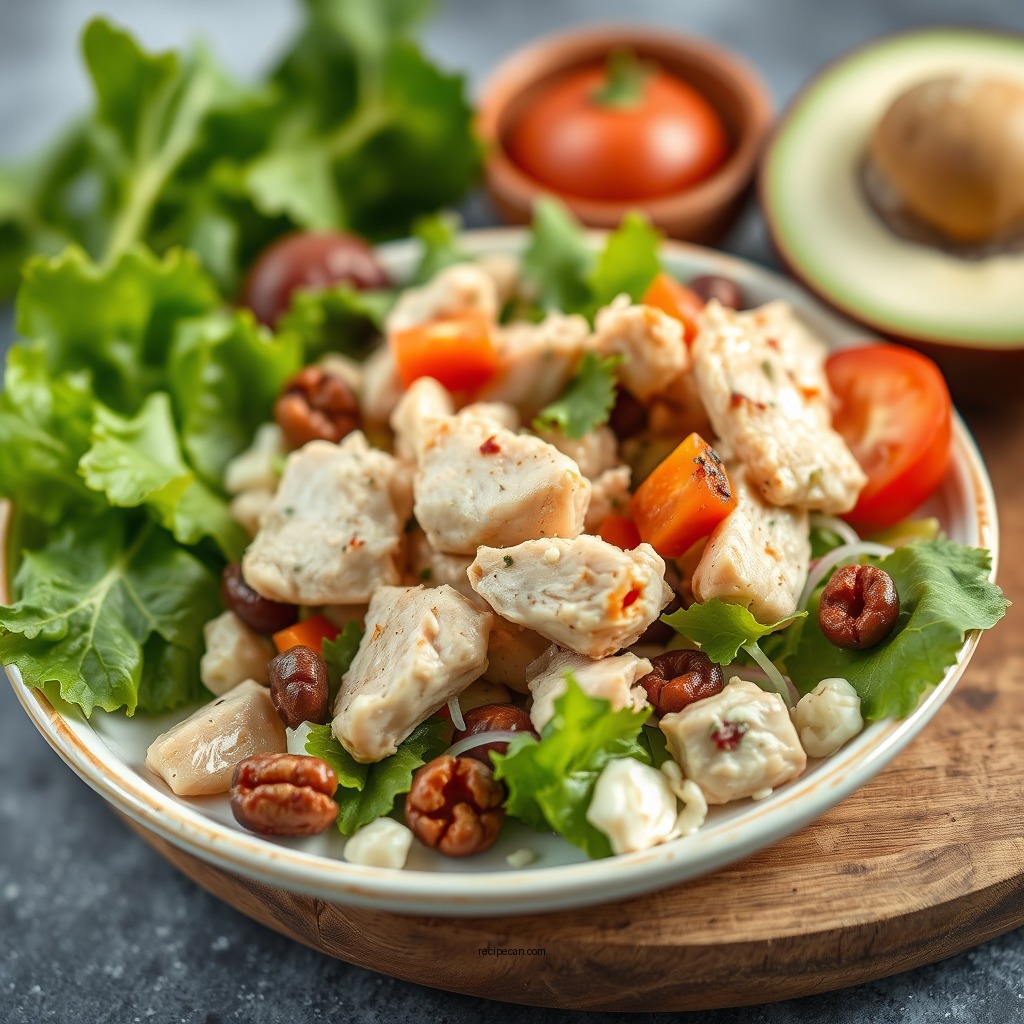
Eating a delicious chicken salad that fits within your dietary needs as a diabetic is entirely possible. This recipe combines lean protein, healthy fats, and vegetables to create a nutritious meal that helps maintain stable blood sugar levels. In this article, you’ll find a simple and flavorful chicken salad recipe, along with tips for making it diabetic-friendly.
Understanding Diabetic-Friendly Ingredients
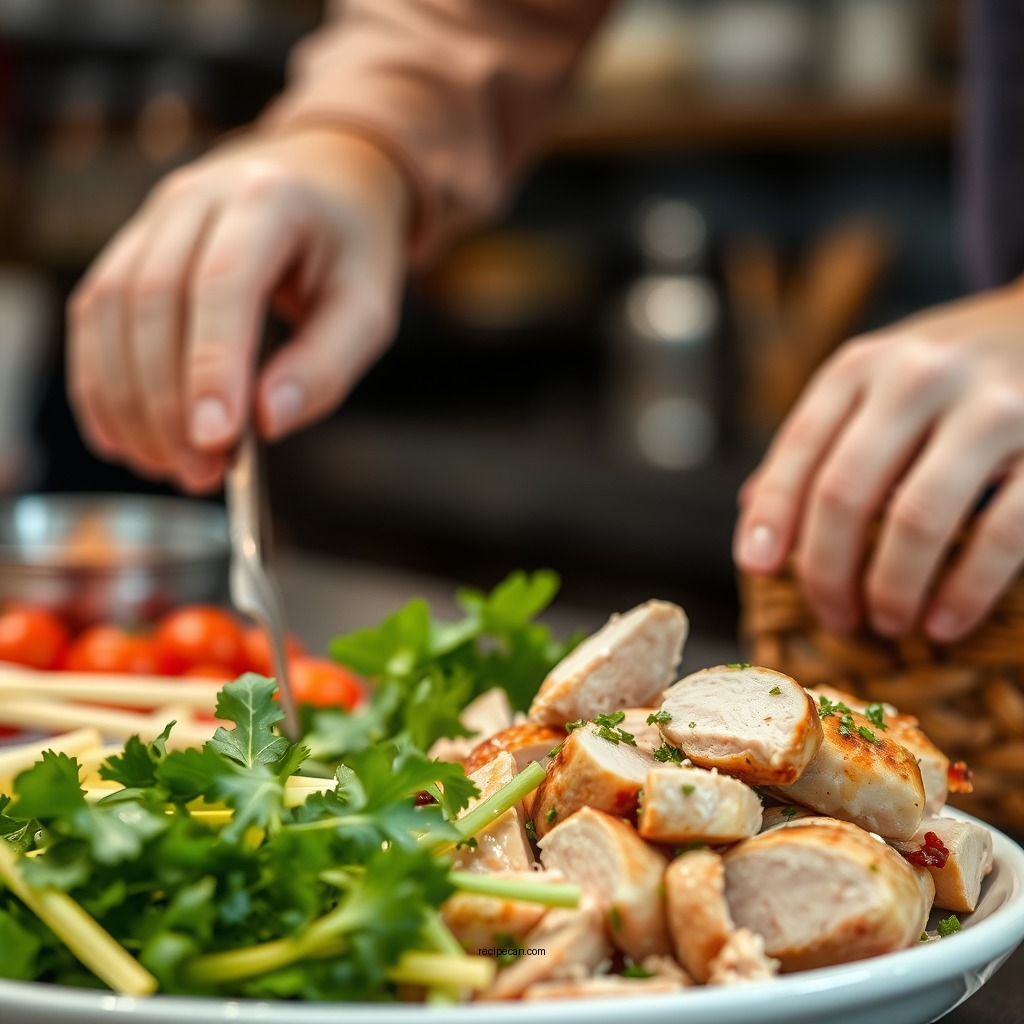
When preparing meals for diabetes management, selecting the right ingredients is crucial. Focus on incorporating lean proteins such as grilled chicken or turkey, which provide essential amino acids while being low in fat and calories. These proteins help maintain muscle mass and keep you feeling full longer, thus reducing the temptation to snack on unhealthy options.
In addition, choosing low-carb vegetables is essential for blood sugar control. Leafy greens like spinach and kale, as well as crunchy cucumbers and bell peppers, are excellent choices. These vegetables are not only low in carbohydrates but also high in fiber, vitamins, and minerals, which contribute to overall health and well-being. Including a variety of colors in your vegetable selection also ensures a diverse range of nutrients.
The Essential Ingredients for the Salad
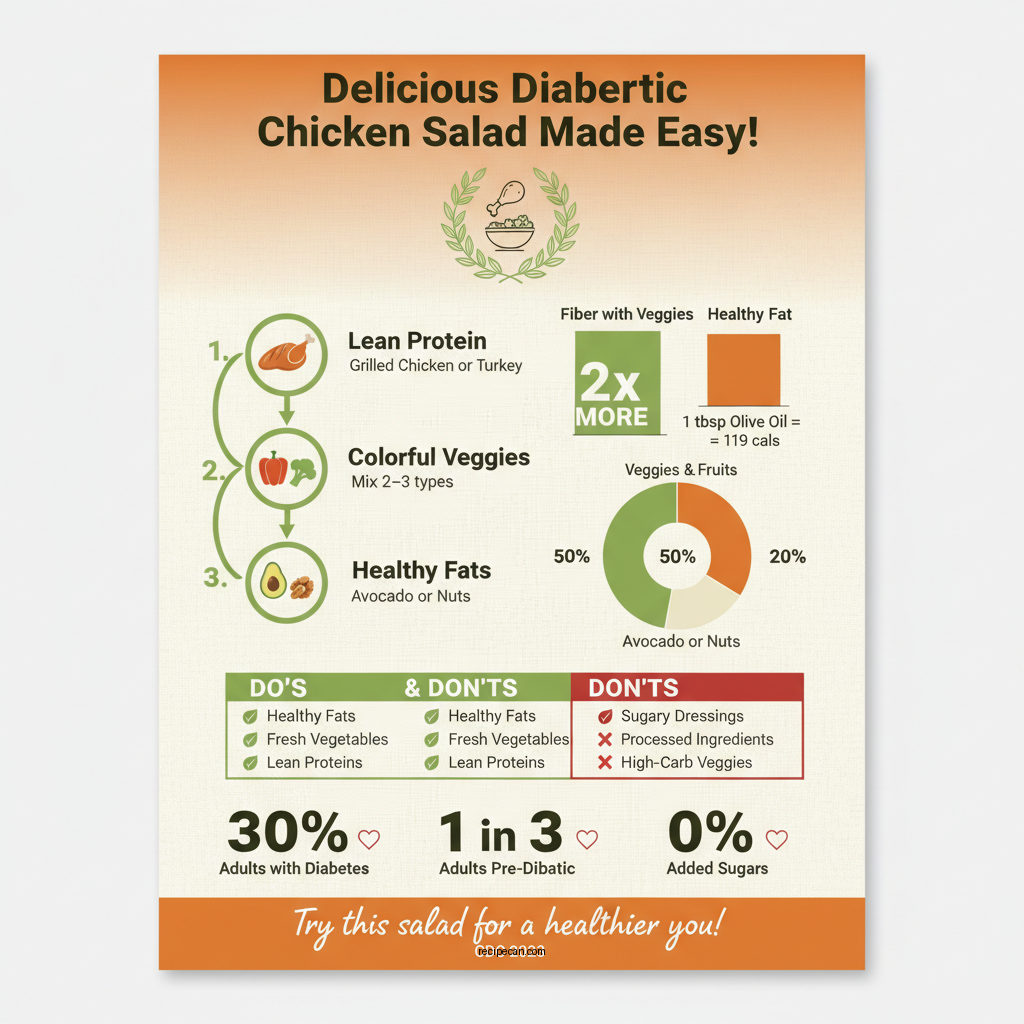
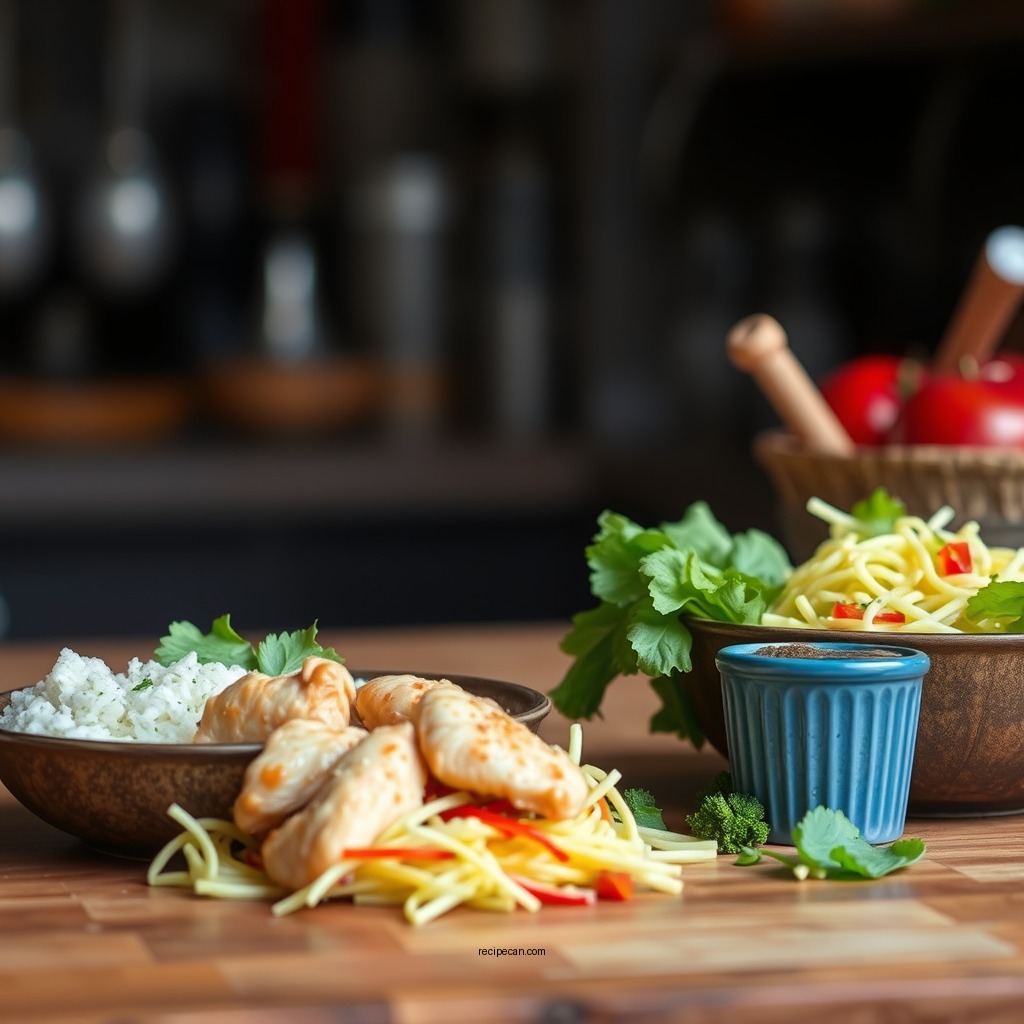
To create a well-rounded chicken salad, the essential ingredients should include:
– Cooked Chicken Breast: Diced or shredded, this should be the primary protein source. Grilling or baking chicken breast without skin minimizes excess fat and calories.
– Fresh Vegetables: A vibrant mix of vegetables such as cherry tomatoes, diced cucumbers, shredded carrots, and bell peppers adds fiber and important nutrients. Aim for at least two to three different vegetables to enhance flavor and texture.
– Healthy Fats: Incorporating a source of healthy fat, such as diced avocado or a small handful of nuts (like walnuts or almonds), not only improves the flavor but also helps improve satiety and supports heart health.
By selecting these ingredients, you can create a satisfying and nutritious chicken salad that aligns with dietary needs for diabetes management.
Preparing the Dressing
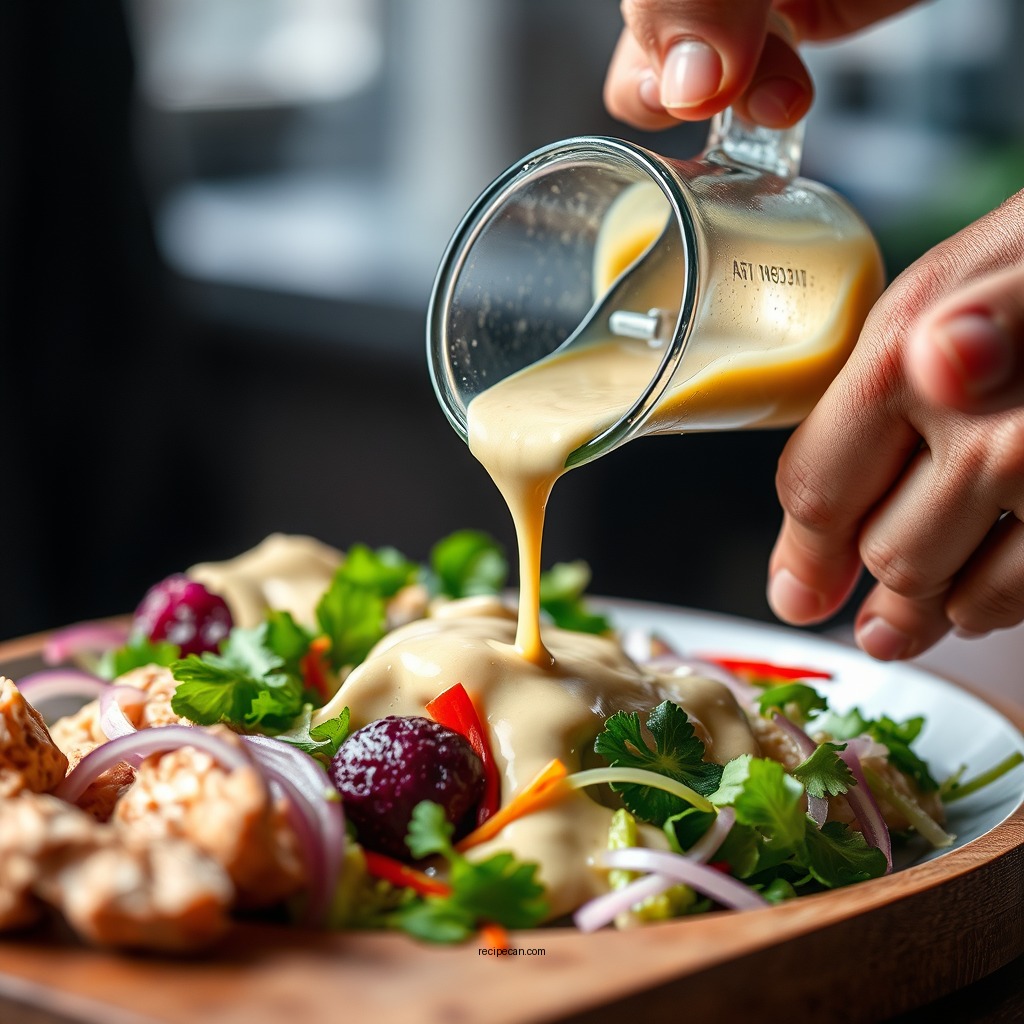
The dressing can make or break a salad, especially when it comes to keeping it diabetic-friendly. For a heart-healthy option, opt for a simple dressing made with olive oil and vinegar. Olive oil is rich in monounsaturated fats, which are beneficial for heart health and may help lower bad cholesterol levels.
Avoid sugary dressings that can spike blood sugar levels. Instead, enhance the flavor of your salad with fresh herbs and spices. Consider adding ingredients like lemon juice, garlic, black pepper, and fresh basil or cilantro. These not only add flavor but also provide additional health benefits without the extra calories or carbohydrates.
Nutritional Comparison of Chicken Salad Ingredients
| # | Ingredient | Calories (per 100g) | Carbs (g) | Protein (g) | Fats (g) |
|---|---|---|---|---|---|
| 1 | Grilled Chicken Breast | 165 | 0 | 31 | 3.6 |
| 2 | Avocado | 160 | 9 | 2 | 15 |
| 3 | Cucumber | 16 | 3.6 | 0.7 | 0.1 |
| 4 | Bell Pepper | 31 | 6 | 1 | 0.3 |
| 5 | Cherry Tomatoes | 18 | 3.9 | 0.9 | 0.2 |
| 6 | Walnuts | 654 | 14 | 15 | 65 |
| 7 | Olive Oil | 884 | 0 | 0 | 100 |
Step-by-Step Preparation
Preparing a chicken salad is straightforward, making it a convenient meal option. Here’s a step-by-step guide:
1. Cook the Chicken: Start by grilling or baking the chicken breast. Season it with herbs, salt, and pepper to taste. Ensure the internal temperature reaches 165°F (75°C) for safe consumption.
2. Chop the Vegetables: While the chicken is cooking, wash and chop your selected vegetables. Aim for bite-sized pieces to facilitate eating and mixing.
3. Combine Ingredients: Once the chicken has cooled, dice or shred it and add it to a large mixing bowl with the chopped vegetables.
4. Prepare the Dressing: In a separate bowl, whisk together olive oil, vinegar, and any herbs or spices you prefer. Drizzle this dressing over the salad and toss gently to combine.
5. Serve: Your chicken salad is now ready to be served. Consider plating it with a garnish of fresh herbs for an appealing presentation.
By following these steps, you can create a delicious chicken salad that is both satisfying and diabetic-friendly.
Caloric Breakdown of a Healthy Chicken Salad
Portion Control and Serving Suggestions
Portion control is an essential aspect of diabetes management. While a chicken salad can be a healthy meal choice, maintaining appropriate portion sizes helps in regulating blood sugar levels. A typical serving size for a salad is about two cups of mixed salad greens and vegetables, along with a portion of protein roughly the size of a deck of cards.
Additionally, consider pairing your chicken salad with whole grain crackers or a side of fruit to create a more balanced meal. Fruits such as berries or an apple can provide natural sweetness and fiber without leading to drastic blood sugar spikes. It’s also advisable to keep an eye on the total caloric intake, ensuring that it fits within your daily dietary goals.
Variations for Added Flavor
To keep your chicken salad interesting, you can explore various flavors and textures by trying out different herbs and spices. Fresh dill, parsley, or mint can brighten up the dish, while spices like cumin or smoked paprika can add depth.
Incorporating other protein sources such as chickpeas, black beans, or even tofu can also provide variety and complement the chicken. For added crunch, consider topping your salad with roasted seeds or nuts, which can enhance flavor while providing additional nutrients.
Tips for Storing Leftovers
If you have leftovers, proper storage is key to maintaining freshness and safety. Place any remaining chicken salad in an airtight container and store it in the refrigerator. It’s important to consume leftovers within 3-4 days to ensure food safety and prevent spoilage.
For best results, consider storing the dressing separately and adding it just before serving. This will keep the salad crisp and prevent it from becoming soggy over time.
By following this simple chicken salad recipe tailored for diabetics, you can enjoy a satisfying meal that supports your health goals. Remember to choose fresh ingredients and experiment with flavors to keep your meals exciting. Give this recipe a try and feel free to share your variations or favorite additions!
Frequently Asked Questions
What are the best ingredients for a diabetic-friendly chicken salad recipe?
A diabetic-friendly chicken salad should include lean protein such as grilled or poached chicken breast, plenty of non-starchy vegetables like spinach, cucumbers, and bell peppers, and healthy fats such as avocado or a small amount of olive oil. Additionally, using Greek yogurt instead of mayonnaise can reduce calories and sugar while adding creaminess.
How can I make a chicken salad recipe lower in carbohydrates for diabetics?
To lower carbohydrates in your chicken salad, focus on using more leafy greens and non-starchy vegetables as the base instead of high-carb ingredients like pasta or rice. You can also limit the use of fruits and opt for low-carb options such as berries in moderation, which can add flavor without significantly raising blood sugar levels.
Why is it important to watch portion sizes in a chicken salad for diabetics?
Watching portion sizes in a chicken salad is crucial for diabetics because even healthy ingredients can lead to elevated blood sugar levels if consumed in excess. Keeping your servings controlled allows you to enjoy the flavors and nutrients while managing carbohydrate intake effectively, which is essential for blood sugar control.
Which dressing is best for a diabetic-friendly chicken salad?
The best dressing for a diabetic-friendly chicken salad is one that is low in sugar and saturated fats. Opt for vinaigrettes made with olive oil and vinegar or lemon juice, or use a yogurt-based dressing to add creaminess without the added sugars found in many store-bought options.
What are some tips for meal prepping chicken salad for diabetics?
For meal prepping chicken salad for diabetics, make sure to store ingredients separately to keep vegetables crisp and fresh. Use airtight containers and consider adding dressings just before serving to maintain texture. Additionally, focus on portion control by measuring out servings in advance to make it easier to stick to your dietary goals throughout the week.
References
- https://www.mayoclinic.org/diseases-conditions/type-2-diabetes/in-depth/diabetes-diet/art-20044265
https://www.mayoclinic.org/diseases-conditions/type-2-diabetes/in-depth/diabetes-diet/art-20044265 - https://www.ncbi.nlm.nih.gov/pmc/articles/PMC6111712/
https://www.ncbi.nlm.nih.gov/pmc/articles/PMC6111712/ - https://www.ncbi.nlm.nih.gov/pmc/articles/PMC6472037/
https://www.ncbi.nlm.nih.gov/pmc/articles/PMC6472037/ - https://www.cdc.gov/diabetes/basics/healthy-living.html
https://www.cdc.gov/diabetes/basics/healthy-living.html - Diabetes
https://www.who.int/news-room/fact-sheets/detail/diabetes - Google Scholar Google Scholar
https://scholar.google.com/scholar?q=chicken+salad+recipe+for+diabetics - Google Scholar Google Scholar
https://scholar.google.com/scholar?q=healthy+recipes+for+diabetes - Google Scholar Google Scholar
https://scholar.google.com/scholar?q=diabetes+nutrition+guidelines - https://www.health.harvard.edu/staying-healthy/diabetes-diet-what-to-eat-and-what-to-avoid
https://www.health.harvard.edu/staying-healthy/diabetes-diet-what-to-eat-and-what-to-avoid - chicken salad recipe for diabetics – Search results
https://en.wikipedia.org/wiki/Special:Search?search=chicken+salad+recipe+for+diabetics
