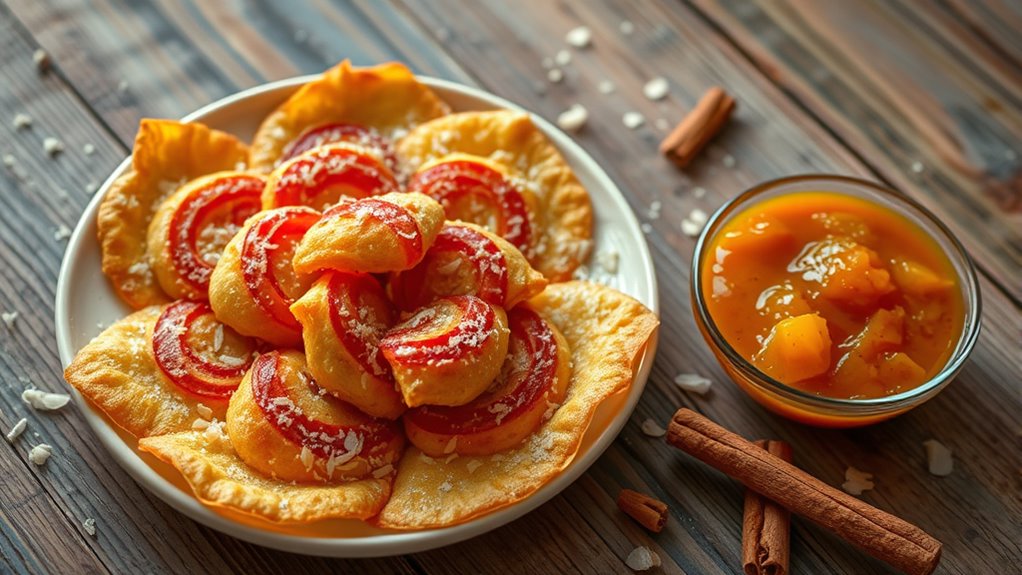
You’ll find Guyanese salara a comforting fusion of coconut sweetness and a rustic dough, crafted with simple pantry basics. The dough comes together with flour, butter, water, and shredded coconut, then folds into a cohesive, flexible texture that’s gentle on the palate. It’s savory-sweet, lightly perfumed by coconut and a whisper of salt, and each bite invites tea-time pauses. If you keep exploring, you’ll uncover more about its heritage, technique, and tasty twists.
Ingredients and Quantity
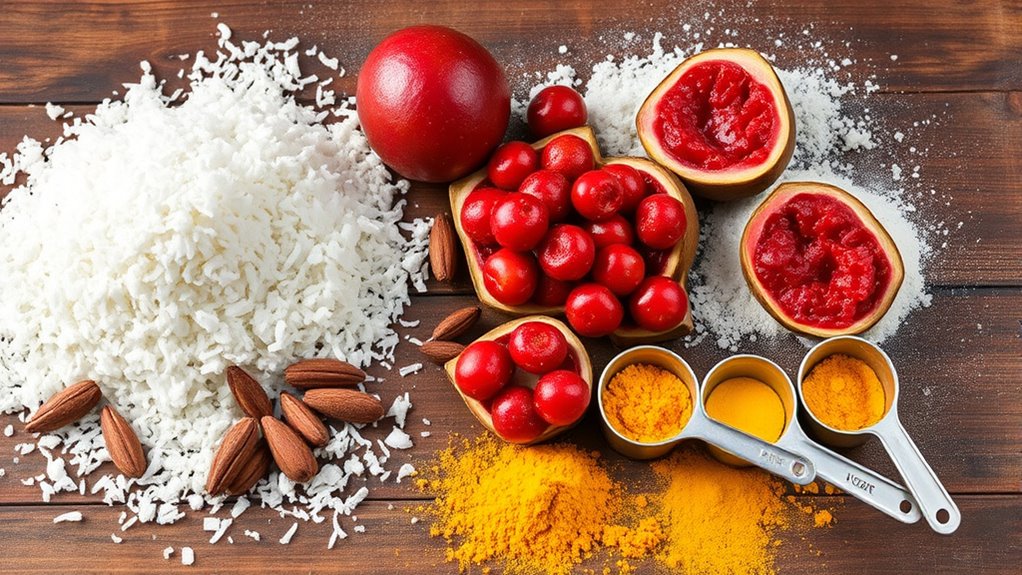
To make Salara, you’ll need a concise set of ingredients and precise quantities that reflect its comforting, home-style roots. You feel the balance between practicality and soul as you measure, noting how coconut filling and dough texture define the bite. The ingredients are clean, honest, and minimal, yet they promise depth when grouped just right. You’ll sense freedom in the choice of pantry staples, not bound by strict tradition but guided by taste and texture. This list is deliberate, not decorative, inviting you to trust your instincts. Coconut filling contributes sweetness and moisture; dough texture offers chew and harmony. Adjust by eye, then test–each component supporting a confident, personal finish.
| Ingredient | Quantity | Role |
|---|---|---|
| Coconut, shredded | 1 cup | Sweet moisture |
| Sugar | 2 tbsp | Subtle sweetness |
| All-purpose flour | 1½ cups | Structure |
| Butter | ¼ cup | Fat, flavor |
| Water | ¼ cup | Binding |
Preparations
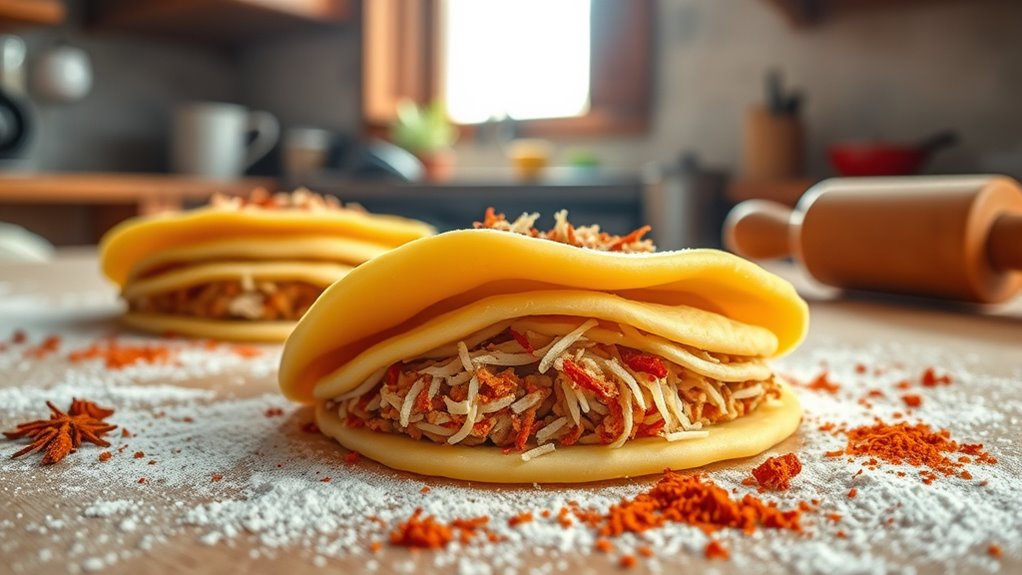
As you move from measuring to shaping, the preparation centers on balance: you’ll mix the coconut filling just until it comes together without shining back at you, then fold in just enough flour to form a cohesive dough. You sense a rhythm between sweetness and coconut’s edge, a whisper of salt that keeps the bite lively. In Salara history, this moment marks the shift from recipe to ritual, where texture becomes the vote you cast for bite-size delight. Salara variations reveal themselves in how firmly you knead and how deftly you shape; too tight and it stiffens, too loose and it crumbles. The result should feel welcoming, flexible, and true to a savory-sweet memory—an edible invitation to freedom.
Kitchen tools or Kitchenware Required
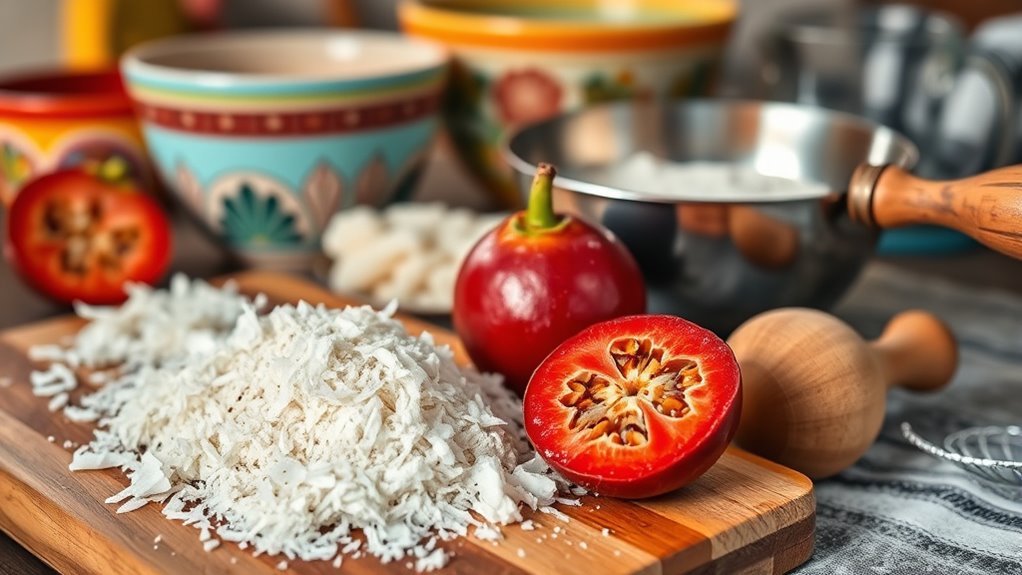
What you’ll need in the kitchen is simple enough to flow with Salara’s texture: a sturdy mixing bowl, a reliable wooden spoon or silicone spatula, a measuring cup for coconut milk, and a kitchen scale or standard spoons for precise flour. You’ll feel empowered by kitchen essentials that keep rhythm with your freedom.
| Visual cue | Function |
|---|---|
| Copper spoon | Gentle mixing and control |
| Ceramic bowl | Stable base for batter |
In this space, baking equipment supports clarity over clutter. The tools aren’t ornaments but partners, guiding precision while preserving spontaneity. You’ll notice how each item invites confidence, shaping the texture without crowding it, keeping your flow intact as you cook.
How to Cook
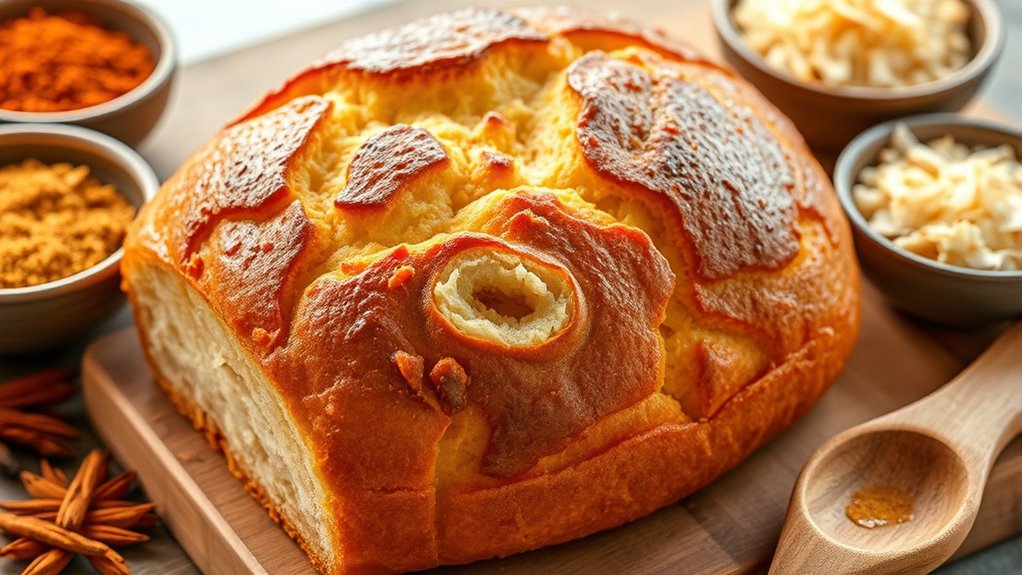
- Gather your kitchen tools: stable bowls, a sturdy spoon, and measured scoops to guide each step.
- Measure patience as you combine ingredients and apply heat.
- Observe textures shifting from pale to vibrant colors.
- Refine cooking techniques by testing timing and tasting throughout the process.
- Use gentle simmering to reveal sweetness without introducing bitterness.
- Approach the process deliberately, practicing restraint to respect both ingredients and your senses.
- Stir consistently to build confidence and monitor progress through aroma.
- Experiment with flavor combinations: add a pinch of tang, a whisper of spice, and a touch of salt to balance acidity.
- Evaluate what works, make bold adjustments, and trust your palate.
- Embrace clarity over complexity to create honest, satisfying Salara.
How to Serve
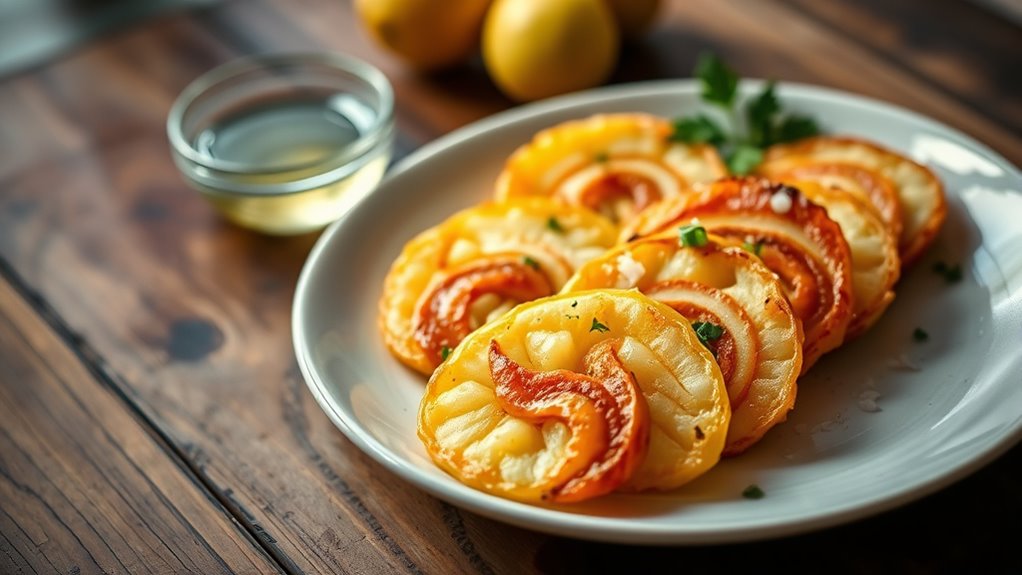
Serving Salara invites a quiet ceremony: plates are warmed, aromas lifted, and portions sized for shared moments. You place the bowls, notched with color and texture, where guests can reach them easily, and you study the balance between sear and softness in each portion. You’ll notice how the sauce gathers at the rim, inviting a dip and a sigh. The presentation ideas feel practical: a simple green garnish, a citrus twist, a dusting of spice for contrast. Serving suggestions emphasize rhythm—plating for varying appetites, pairing with coconut drink or lime water. You choose a calm, deliberate tempo, inviting conversation as heat softens into comfort. The goal isn’t showy spectacle but honest, generous nourishment.
Tips
Starting with small, practical tweaks can elevate Salara without overshadowing its spirit; focus on balance, texture, and timing. You’ll notice that minor adjustments—like a touch more lime for brightness or a pinch less sugar—reshape the overall mood without wrecking the core. In this space, tips lean toward awareness: use cooking techniques that respect the dish’s gentle sweetness and earthy notes, avoiding overmixing that makes it dense. Consider ingredient substitutions only when they preserve aroma and texture; bananas can stand in for plantains with patience, coconut milk can shift to a lighter cream if needed. Keep seasoning deliberate, tasting as you go, and let restraint guide your flourish. Freedom favors clarity, precision, and a respectful, curious palate.
Food Value and Benefit
Salara offers a balanced blend of modest sweetness and earthy flavors, making it a satisfying and nourishing dish. It provides a steady, accessible source of energy without feeling heavy, making it ideal for busy days or relaxed gatherings. The ingredients in Salara contribute to sustained focus and mood support, delivering meaningful nutritional benefits.
Benefits of eating Salara:
- Supports healthy digestion through its fiber content
- Aids in muscle repair and maintenance with its protein
- Enhances stamina and energy levels due to essential minerals
- Provides a variety of textures that promote satiety and enjoyment
- Connects culturally, offering a sense of heritage and comfort
Key vitamins and minerals in Salara:
- Vitamin B-complex (supports energy metabolism)
- Vitamin C (boosts immune function)
- Iron (essential for oxygen transport and energy)
- Magnesium (supports muscle and nerve function)
- Potassium (helps maintain fluid balance and muscle contractions)
Frequently Asked Questions
What Is Salara’s History in Guyanese Cuisine?
Salara’s history in Guyanese cuisine reflects blended influences and evolving techniques. You witness Salara preparation evolving with regional tweaks, while Salara variations honor tradition and experimentation, inviting you to observe, evaluate, and celebrate culinary freedom through texture and flavor.
Can Salara Be Made Vegan or Gluten-Free?
You can totally make salara vegan and gluten-free, and you’ll taste vibrant freedom. Observing substitutions, you’ll explore vegan substitutions and gluten free flours, noting texture shifts, flavors, and resilience—a delicious, adaptive canvas you can celebrate.
Where Can I Buy Authentic Salara Ingredients Locally?
You can find authentic salara ingredients at local markets and specialty stores near you, where vibrant shelves tempt you with unfamiliar spices; you’ll judge freshness, price, and aroma, choosing freely to support regional producers and your culinary explorations.
How Long Does Salara Last in the Fridge?
Salara lasts about 3–5 days in the fridge. For best results, seal tightly and store cold. Shelf life varies with freshness. Storage tips: keep it chilled, label dates, and avoid cross-contamination to preserve flavor. Freedom in flavor.
What Are Common Substitutes for Key Ingredients?
You can swap key ingredients with coconut alternatives and sugar substitutes, and you’ll still get a balanced flavor; observationally, you’ll notice texture shifts, evaluatively noting firmer or lighter results, freedom-loving cooks adapting with inventive substitutions.
References
- https://en.wikipedia.org/wiki/Salara_(Guyanese_dessert
- https://www.foodandwine.com/cuisines/guyana
- https://www.npr.org/sections/thesalt/2018/11/01/663664009/the-pastry-that-defines-guyanas-sweet-tooth
- https://www.theguardian.com/global-development/2020/mar/10/guyanas-sweet-mango-salada
- https://www.guyana.gov.gy/
- https://www.bbc.co.uk/news/world-latin-america-49229829
- https://www.cnn.com/travel/article/guyana-cuisine/index.html