You can make nutrient-rich green smoothies by blending 1 to 2 cups of leafy greens like spinach or kale with 1 to 1.5 cups of fruits such as banana and pineapple. Add 1 to 1.5 cups of liquid like almond milk or water for smooth texture. Wash and chop ingredients well, then blend on high for 30–60 seconds. Serve chilled and garnish for extra antioxidants. Keep exploring to find tips on perfecting flavor and maximizing health benefits.
Ingredients and Quantity
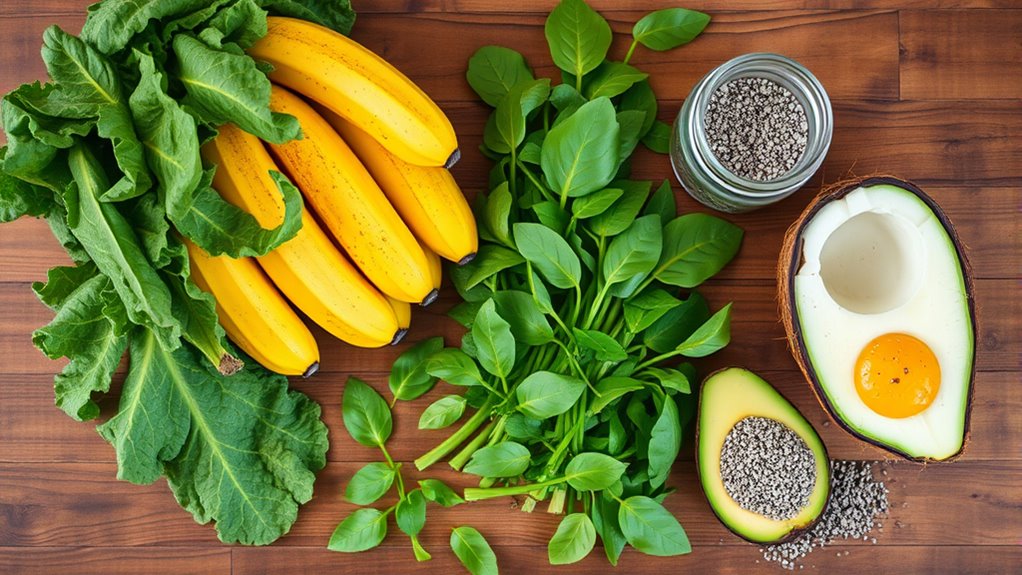
When preparing green smoothies, you’ll typically need a balanced mix of leafy greens, fruits, and liquids in specific quantities to achieve the right flavor and texture. If you want spinach alternatives, try kale or Swiss chard, which provide similar nutrients. For fruit combinations, pairing banana with pineapple or apple with berries guarantees natural sweetness and a smooth consistency. Precise measurements help maintain balance, avoiding overpowering flavors.
| Ingredient Type | Recommended Quantity |
|---|---|
| Leafy Greens | 1 to 2 cups |
| Fruit Combinations | 1 to 1.5 cups |
| Liquids (water, nut milk) | 1 to 1.5 cups |
Following these guidelines allows you to enjoy freedom in choosing ingredients while maintaining a nutritious, tasty smoothie.
Preparations
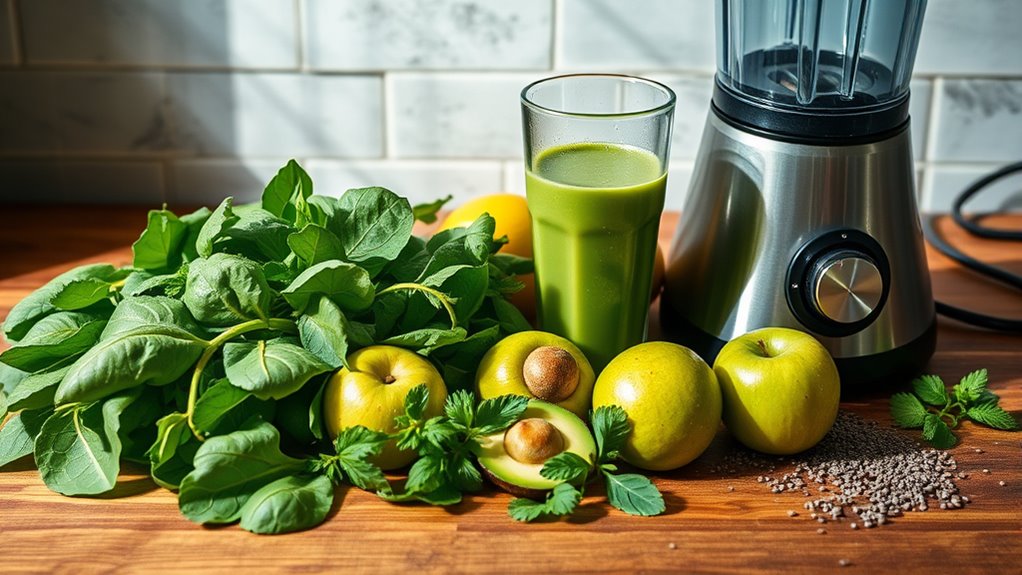
Proper preparation is essential for making green smoothies that are both delicious and nutritious. Before blending, verify your greens are thoroughly washed to remove dirt and pesticides. Choosing fresh, high-quality ingredients enhances flavor and nutrient retention. Mastering blending techniques is key: start by adding liquids, then soft fruits, followed by greens and ice or frozen components to achieve a smooth texture without over-blending. If you’re out of certain ingredients, don’t hesitate to use ingredient substitutions; for example, swap spinach with kale or use almond milk instead of dairy. These adjustments maintain nutrient diversity and accommodate personal preferences. By preparing thoughtfully and applying effective blending techniques, you’ll create green smoothies that support your health goals while giving you the freedom to experiment.
How to Prepare
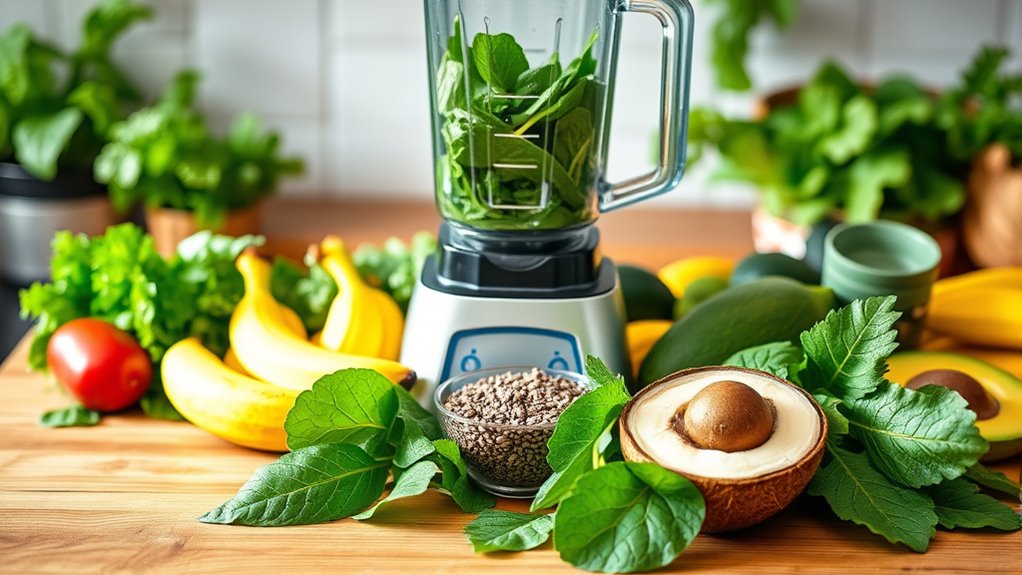
- Select fresh, preferably organic greens and fruits to create your base.
- Wash all ingredients thoroughly to remove any residues.
- Chop ingredients into manageable pieces for efficient blending.
- Balance leafy greens with fruits, healthy fats, and protein sources according to your nutritional goals.
- Start blending by adding liquids and softer ingredients first.
- Add tougher greens last to ensure a smooth texture.
- Blend on high speed for 30-60 seconds, checking consistency midway.
- Avoid over-blending to preserve enzymes and nutrients.
- Enjoy a nutrient-dense, delicious green smoothie tailored to your taste and lifestyle.
How to Serve
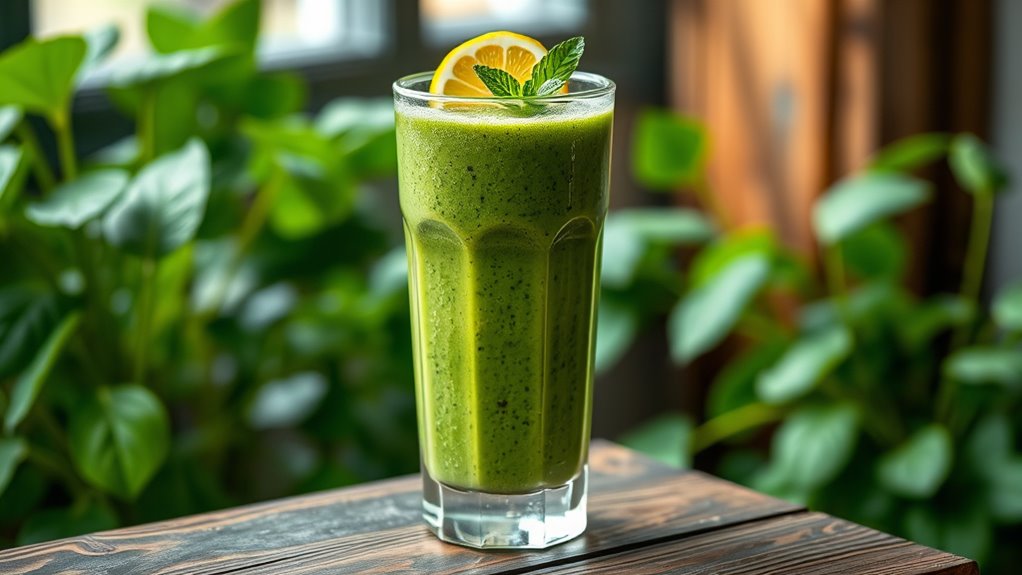
Although green smoothies are best enjoyed fresh, you can enhance their appeal and nutritional benefits by serving them at the right temperature and in appropriate glassware. Ideal serving not only preserves flavor but also supports nutrient absorption, making your green smoothie experience more rewarding.
Consider these serving suggestions and presentation ideas:
- Chill your smoothie slightly—about 45°F (7°C) retains taste without numbing flavors.
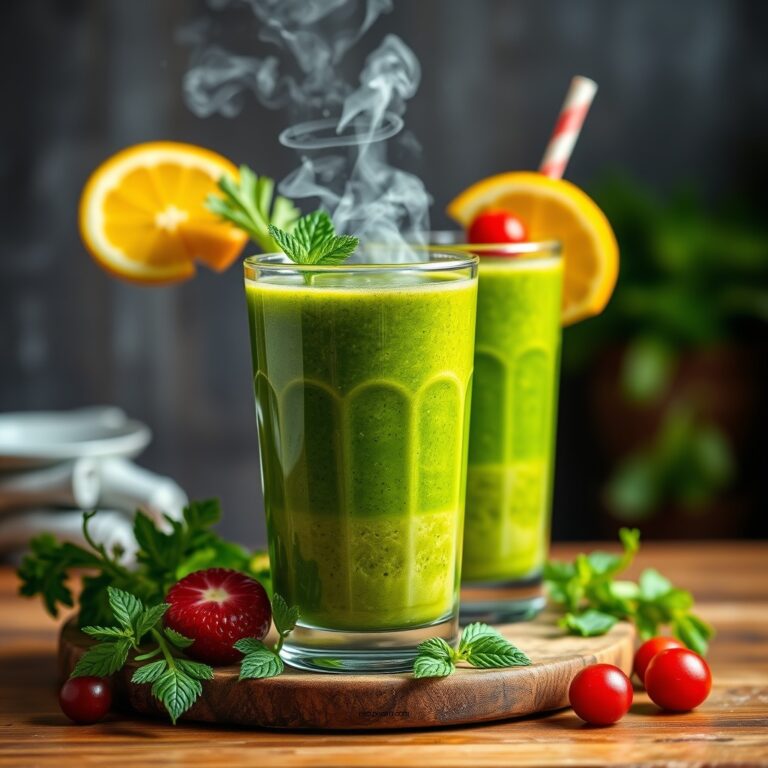
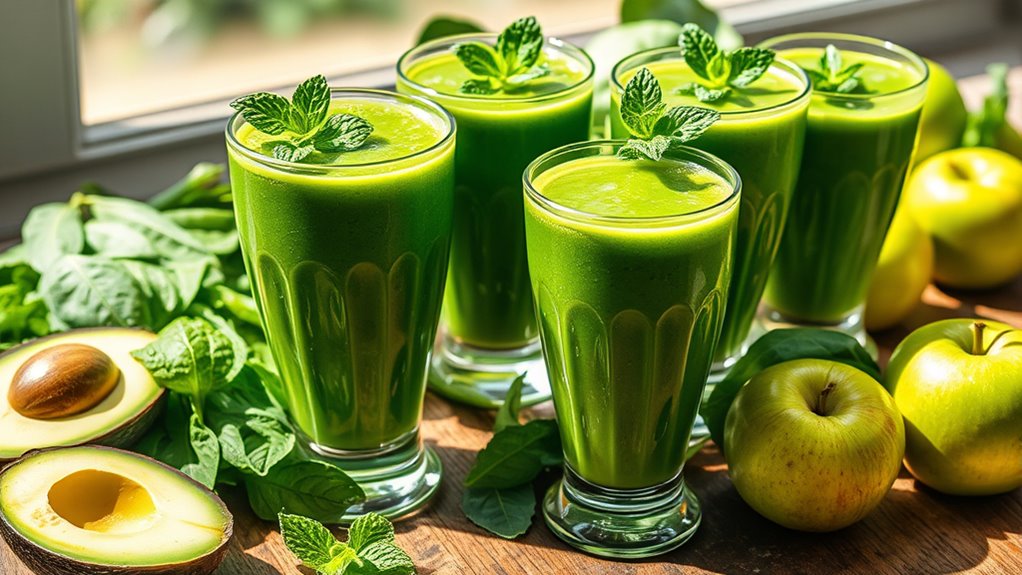
- Use clear, tall glasses to showcase vibrant greens, enticing your senses visually.
- Garnish with fresh leaves, citrus slices, or seeds to add texture and boost antioxidants.
- Serve immediately after blending to minimize oxidation and nutrient loss.
Tips
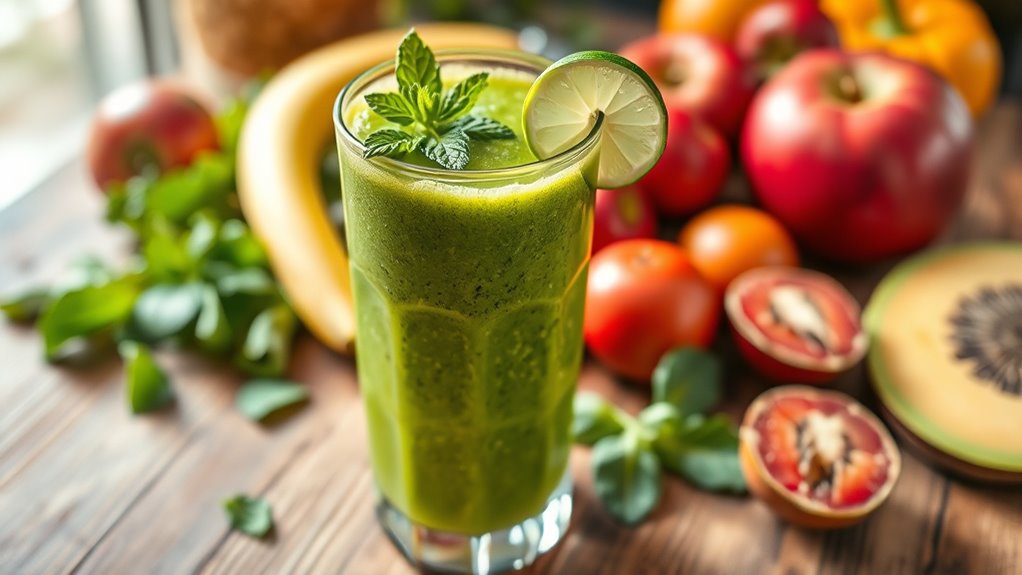
Serving your green smoothie correctly can enhance both taste and nutrient absorption, but there are additional strategies to maximize its benefits and enjoyment. Experimenting with smoothie variations allows you to keep your routine exciting and meet your nutritional needs. Don’t hesitate to try different leafy greens like kale, spinach, or chard to diversify micronutrient intake. Ingredient substitutions can also help accommodate dietary restrictions or preferences—for example, swapping dairy milk for almond or oat milk maintains creaminess without lactose. Incorporate frozen fruit to chill your smoothie without diluting flavor, and add a protein source like Greek yogurt or plant-based powders to balance macronutrients. By customizing your smoothie thoughtfully, you gain freedom to optimize taste, texture, and health benefits while preventing monotony.
Food Value and Benefit
When you prepare a green smoothie, you create a nutrient-rich beverage packed with essential vitamins and minerals such as vitamin A, vitamin C, vitamin K, folate, potassium, and magnesium. This combination delivers a powerful dose of antioxidants, fiber, and phytonutrients that support overall health.
Benefits of consuming green smoothies include:
- Enhanced nutrient absorption due to the smoothie’s smooth texture and blended ingredients.
- Increased dietary fiber intake, which promotes healthy digestion and helps maintain a feeling of fullness.
- Abundant antioxidants that reduce oxidative stress and support cellular and immune health.
- A natural, sustained energy boost without added sugars or artificial additives.
Frequently Asked Questions about Green Smoothies Recipes
1. What are green smoothies, and why are they healthy?
Green smoothies are nutritious beverages made primarily from leafy greens, fruits, and liquids such as water, almond milk, or coconut water. They are considered healthy because they are packed with vitamins, minerals, and antioxidants, which can boost your immune system, aid digestion, and provide sustained energy. The inclusion of greens like spinach or kale adds fiber and essential nutrients while keeping the calorie count low.
2. What ingredients can I use in my green smoothie?
You can use a variety of ingredients in your green smoothie. Common base greens include spinach, kale, or swiss chard. For sweetness and flavor, add fruits like bananas, apples, or berries. Liquid options include water, coconut water, or plant-based milk. You can also enhance nutrition by adding ingredients like chia seeds, flaxseeds, protein powder, or nut butters. Experiment with different combinations to find your favorite flavor profile.
3. How can I make my green smoothie taste better?
To improve the taste of your green smoothie, consider balancing the flavors. Adding a ripe banana or a date can provide natural sweetness. Incorporating a squeeze of lemon or lime juice can add a refreshing zing. You might also blend in a small amount of nut butter for creaminess or use frozen fruits to enhance texture and chill. Additionally, spices like cinnamon or ginger can elevate the flavor without adding calories.
4. Can I prepare green smoothies in advance?
Yes, you can prepare green smoothies in advance! One popular method is to make smoothie packs by portioning out your ingredients into freezer bags. Simply blend your ingredients when you’re ready to drink them. If you prepare smoothies in advance, store them in airtight containers in the refrigerator. However, it’s best to consume them within 24-48 hours to ensure you get the maximum nutritional benefits and freshness.
5. Are green smoothies suitable for everyone?
Green smoothies are generally suitable for most people, but individual dietary needs and preferences vary. They can be a great addition for those seeking to increase their fruit and vegetable intake. However, individuals with certain medical conditions (e.g., kidney issues or specific dietary restrictions) should consult a healthcare professional before incorporating them into their diet. Additionally, be cautious with added ingredients like sweeteners or protein powders, which may not align with everyone’s nutritional goals.
References
- https://en.wikipedia.org/wiki/Smoothie
- https://www.cdc.gov/nutrition/foodbasics/vegetables-fruits.html
- https://www.health.harvard.edu/staying-healthy/the-truth-about-smoothies
- https://www.ncbi.nlm.nih.gov/pmc/articles/PMC6520914/
- https://www.eatright.org/health/wellness/preventing-illness/understanding-smoothies-and-juices
- https://www.heart.org/en/healthy-living/healthy-eating/eat-smart/nutrition-basics/understanding-smoothies
- https://www.verywellfit.com/what-is-a-green-smoothie-5199586