Get the Greek rice pudding recipes that deliver the creamiest, most traditional results—without turning grainy or watery. This guide picks the best method for stovetop custard-style pudding and shows you exactly how to achieve the silky texture Greeks expect, from the right rice to the simmer and finishing steps. If you want one clear winner for classic creamy Greek rice pudding, start here.
Greek rice pudding is at its best when you slow-cook short-grain rice in milk until it breaks down naturally into a creamy texture, then finish with warm spices and controlled sweetness. In the sections below, you’ll get classic Greek-style technique, ingredient guidance, and practical variations so your riseng/ριζόγαλο (Greek rice pudding) turns out silky, aromatic, and consistently set every time.
Greek rice pudding recipes are all about slow-cooking rice in milk (often with cinnamon) until creamy, then sweetening and flavoring to taste. In this guide, you’ll learn classic Greek-style steps, key ingredient tips, and easy variations so you can make it perfectly every time.
Traditional Ingredients for Greek Rice Pudding

Greek-style rice pudding relies on a few choices that strongly influence creaminess, aroma, and mouthfeel. Start with ingredients that behave predictably during simmering—because in a milk-based dessert, technique and raw materials work together.
– Use short-grain rice for a creamy, tender texture
Short-grain varieties (often labeled as dessert rice or risotto-style rice) release starch more readily, which helps the pudding thicken without becoming grainy. This is a key reason Greek rice pudding turns out spoon-coating rather than “rice-forward.”
– Simmer with milk (and sometimes a touch of cream) for richness
Whole milk is the baseline for classic flavor and texture. Adding a small amount of cream (or using a portion of “half and half”) deepens body and reduces the likelihood of a thin, watery finish—especially if your milk has a lower fat content.
– Flavor with cinnamon and a hint of vanilla or citrus zest
Cinnamon is nearly universal in Greek rice pudding recipes, typically introduced early so its warmth mellows as the pudding cooks. Vanilla (extract or bean) adds roundness, while a small amount of lemon/orange zest brings brightness that keeps the dessert from feeling heavy.
When selecting ingredients, treat dairy and rice as “the structure.” Once the base is right, sweetness and toppings become customization rather than rescue.
Creaminess Factors in Greek-Style Rice Pudding (Practical Targets for Consistency)
| # | Cooking Factor | Typical Target | Impact | Chef Score |
|---|---|---|---|---|
| 1 | Rice type (short-grain) | Risotto/dessert short-grain | Controls starch release | ★★★★☆ |
| 2 | Milk fat level | Whole milk (≈3.3% fat) | Affects body & silkiness | ★★★★☆ |
| 3 | Simmer intensity | Low, steady bubbling | Prevents scorching & keeps texture | ★★★☆☆ |
| 4 | Stir frequency | Every 2–3 minutes initially | Prevents sticking & uneven thickening | ★★★★☆ |
| 5 | Cooking window | 45–70 minutes total | Develops softened grains | ★★★☆☆ |
| 6 | Sweetener timing | Add after rice is tender | Maintains creamy, stable texture | ★★★☆☆ |
| 7 | Resting time | 20–30 minutes before serving | Helps final set & flavor blend | ★★★★☆ |
Step-by-Step Method for Creamy Results
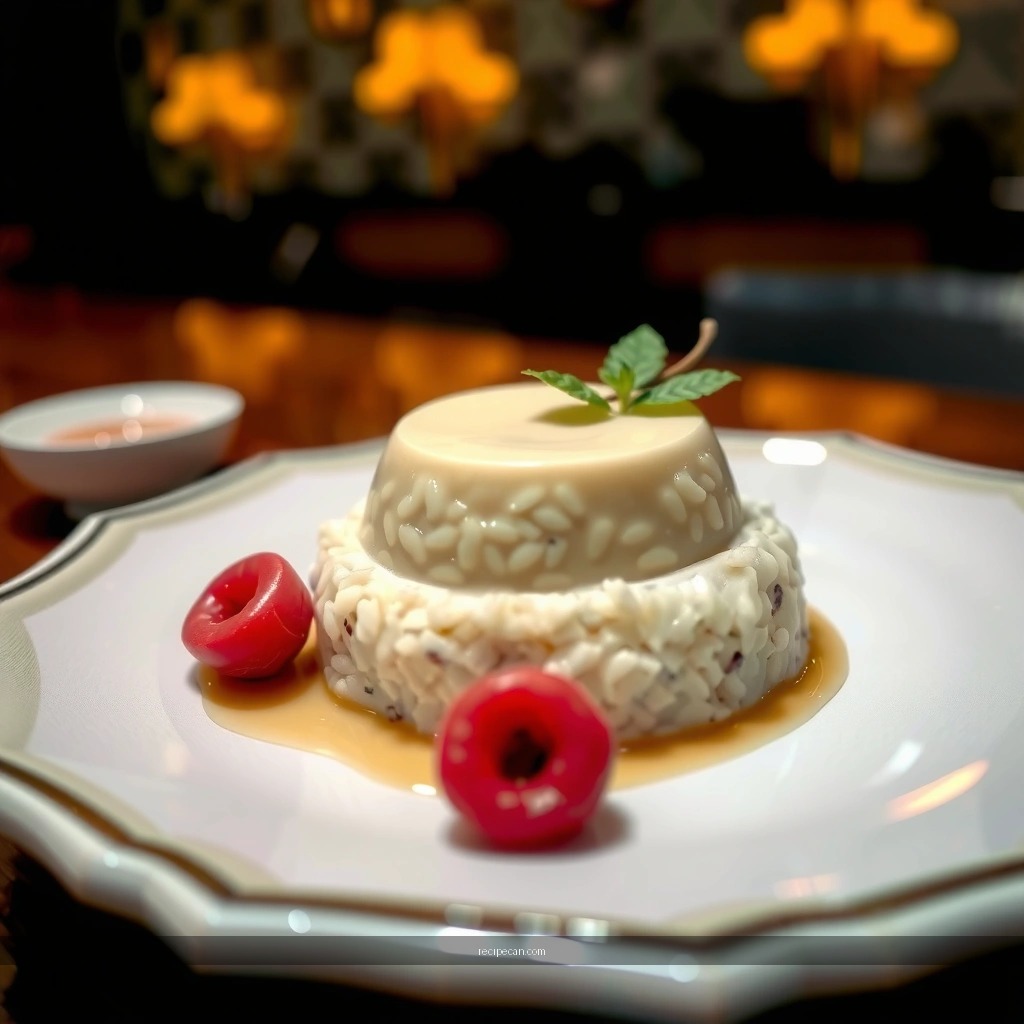
Greek rice pudding recipes differ by household, but the mechanics are consistent: you cook rice slowly in milk until it releases starch, then control thickness and finish with seasoning and sweetness.
– Cook rice slowly until it absorbs most of the liquid
Begin with a gentle heat. If your pot boils hard, milk proteins can scorch and the surface can thicken unevenly. The goal is a steady simmer where the rice continuously softens and the mixture gradually turns creamy rather than loose.
– Stir regularly to prevent sticking and ensure even thickening
Stirning isn’t optional—milk-based desserts can stick fast, especially as the mixture thickens. A practical approach is to stir every few minutes during the early phase (when the liquid is higher) and then more frequently near the end (when the pudding thickens quickly).
– Cool the pudding to let it set into the ideal consistency
Many people judge the pudding too early. Greek rice pudding firms up as it cools. If you aim for a slightly looser consistency while hot and then chill or rest, you’ll land on a spoonable, custard-like final texture.
Analytical tip: Think of the process in two stages:
1) Starch development (rice softens and releases thickening agents) and
2) Milk setting (cooling densifies the mixture).
If stage 1 is rushed, stage 2 won’t compensate.
Serving readiness cues (visual and practical):
– The rice grains look plump and tender, not opaque or chalky.
– The pudding coats the back of a spoon.
– When you draw a line through the mixture with a spoon, the edges close slowly rather than immediately.
Sweetening and Flavor Choices
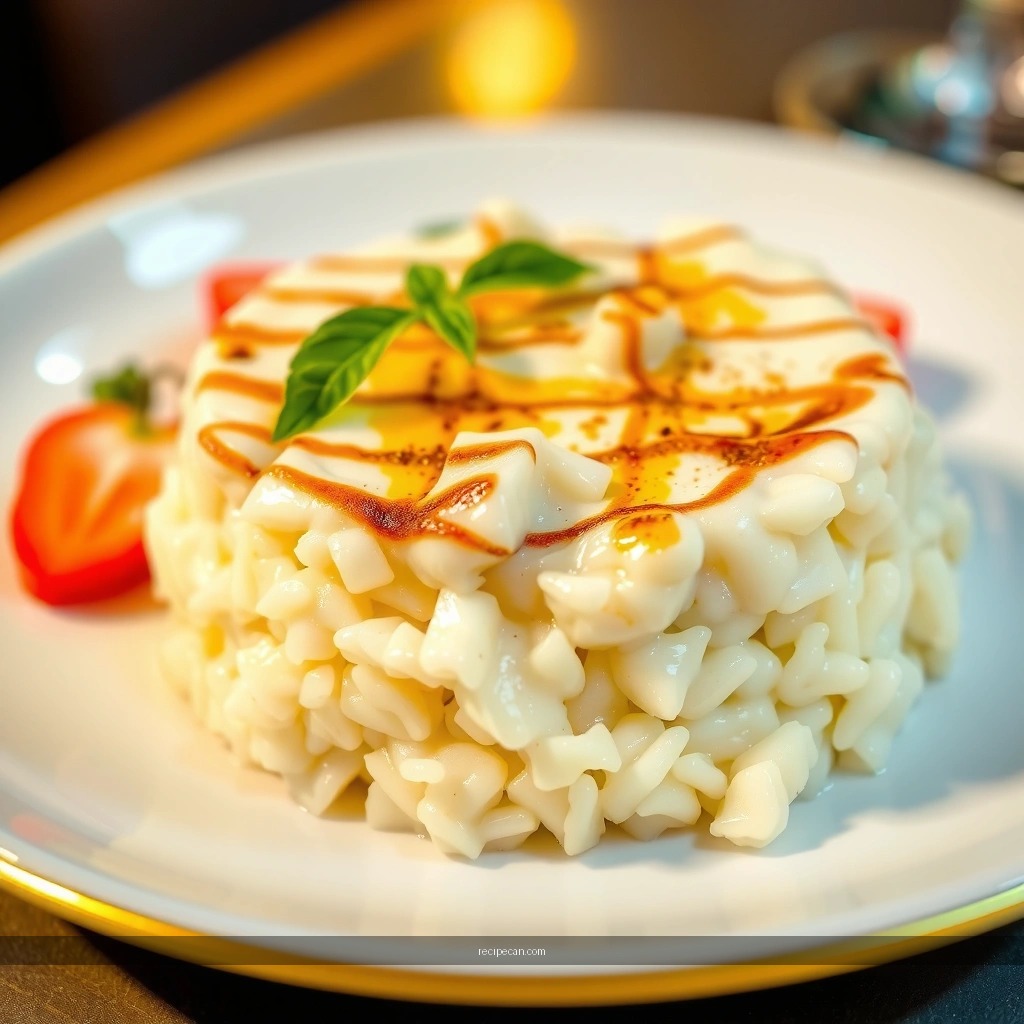
Sweetness and aromatics are where Greek rice pudding becomes unmistakably “yours”—but they should be balanced so spice remains warm rather than harsh.
– Adjust sweetness with sugar based on your preferred level
Start with a moderate amount and taste near the end. If you sweeten too early and too aggressively, you may end with an overly thick dessert that tastes one-dimensional. A late adjustment helps you calibrate sweetness without disturbing texture.
– Add cinnamon for a classic warm-spice aroma
Cinnamon can be introduced via a cinnamon stick during simmering (for gentle infusion) or as ground cinnamon for sharper aroma. Many traditional cooks use ground cinnamon primarily for finishing, while the infusion comes from simmering cinnamon in the milk.
– Optional: incorporate rose water or orange zest for extra fragrance
A few drops of rose water can transform the dessert into a floral, celebratory version. Orange zest adds brightness that complements cinnamon and vanilla. Use restraint: fragrant add-ins should enhance, not dominate.
Pro move: If you’re using citrus zest, add it near the end or after turning off the heat. Zest flavor is delicate and can dull if cooked too long.
How to Serve Greek Rice Pudding
Serving style affects perception—warm rice pudding tastes more like comfort custard, while chilled pudding feels denser and richer.
– Serve warm, chilled, or at room temperature depending on your preference
Warm versions highlight cinnamon and vanilla quickly; chilled versions emphasize texture. Room temperature is a good compromise if you want creamy body without the firmness of refrigeration.
– Top with cinnamon, chopped nuts, or fruit preserves
Classic toppings include extra ground cinnamon, slivered almonds or walnuts, and sweet preserves (fig, cherry, or sour cherry). Nuts add crunch contrast, while preserves add a tart-sweet note that balances milk richness.
– For best texture, let it rest briefly before serving
Even if you don’t refrigerate it, resting 20–30 minutes helps the pudding stabilize. This is especially important for “traditional Greek rice pudding recipes” where the final texture is part of the experience.
Practical recommendation: If serving from a pot, stir gently before plating. If serving from individual ramekins, you can spoon in even portions and keep toppings consistent for an attractive presentation.
Easy Variations and Common Substitutions
Greek rice pudding is forgiving—but swaps can shift texture and cooking behavior. These variations preserve the essence while addressing dietary needs or flavor preferences.
– Swap in almond milk or lactose-free milk for dietary needs
Lactose-free milk typically behaves similarly to standard milk, making it the simplest substitution. Almond milk can work, but it may thicken differently; consider a slightly longer simmer and expect a softer set unless you blend or choose a higher-protein brand.
– Make it extra thick by simmering a little longer
If you like pudding that holds its shape, reduce moisture gradually. Watch carefully: thinning can’t be reversed quickly, but thickness is achievable by extending the low simmer and stirring consistently.
– Add vanilla bean or use vanilla extract for faster flavoring
Vanilla bean offers deeper aroma, but it requires time to infuse. Vanilla extract is fast—add it late (after the heat is off) to preserve volatile aromatics.
Variation ideas that still feel traditional:
– Orange-cinnamon: replace a portion of vanilla with orange zest for a bright finish.
– Rose-cinnamon: keep cinnamon and add rose water sparingly for a floral dessert profile.
– Citrus peel infusion: simmer a small strip of citrus peel with the milk for a subtle background fragrance.
Troubleshooting Texture and Taste
Even well-crafted Greek rice pudding recipes can encounter issues. Here’s how to diagnose problems quickly and correct them without starting over.
– If it’s too runny, simmer longer or chill to thicken
Runny pudding usually means the rice hasn’t released enough starch or the moisture remains too high. Simmer gently to reduce, stirring often. If you’re close to completion, chilling (or resting) will also help it set.
– If it’s gritty, use the right rice and keep cooking gentle but consistent
Grittiness often indicates undercooked rice or rice that doesn’t release starch well. Short-grain rice is the most reliable fix. Also ensure your simmer is consistent—too hot can scorch the milk surface while leaving the center undercooked.
– If it’s bland, increase cinnamon/vanilla slightly and adjust sugar
Flavor improves after resting because aromatics meld into the dairy. Taste near the end, then adjust modestly. If you add more sweetness, do it after the rice is tender so you don’t alter simmer dynamics.
Decision shortcut:
– Texture issue → address rice tenderness and simmer time.
– Flavor issue → address seasoning timing and rest time (then fine-tune sweetness).
Greek rice pudding recipes turn simple pantry ingredients into a comforting dessert with creamy rice, warm cinnamon notes, and easy serving options. Pick a method above, follow the slow-cook and stir routine, then customize toppings to your taste—make a batch today and save your favorite variation for next time.
The most reliable path to authentic Greek-style creaminess is to cook short-grain rice slowly in milk, stir consistently to protect texture, and let the pudding rest so it sets as it cools. Once you master those fundamentals, you can confidently adjust sweetness and aromatics—cinnamon, vanilla, and optional citrus or rose—knowing the base will still deliver the signature spoonable, custard-like finish.
Frequently Asked Questions
What is the best way to cook Greek rice pudding (rice with milk) so it doesn’t turn out grainy?
Use short- or medium-grain rice and cook it in milk slowly so the starches release gradually for a creamy Greek rice pudding texture. Simmer gently and stir often—especially after the rice has absorbed most liquid—to prevent scorching at the bottom. If it’s already grainy, add a splash of warm milk and keep stirring on low heat until smooth. Resting the dessert for 10–20 minutes also helps thicken into a classic Greek rice pudding consistency.
How do you make a traditional Greek rice pudding recipe with cinnamon and lemon?
Start by simmering the rice in milk until tender, then stir in sugar and a pinch of salt for balance. Add cinnamon during cooking for a warm flavor, and incorporate lemon zest (or a small squeeze of lemon juice) near the end so the aroma stays bright. Many Greek-style recipes also include a little vanilla, but lemon zest is the key for that refreshing twist. Finish with extra cinnamon on top before serving for an authentic Greek rice pudding look and taste.
Why is Greek rice pudding sometimes too runny, and how can you thicken it?
Rice pudding turns runny when the rice hasn’t cooked enough or when the heat is too low for the starch to thicken the milk mixture. Keep simmering gently until the rice is fully soft and the mixture coats a spoon, then let it rest—Greek rice pudding thickens as it cools. If you need a quick fix, simmer a few more minutes while stirring, or stir in a small amount of additional cooked rice and warm milk to reach the right thickness. Avoid adding cold ingredients, which can slow thickening.
Which rice works best for Greek rice pudding—short-grain or long-grain?
Short-grain rice is usually best for Greek rice pudding because it releases starch and creates a creamy, spoonable texture. Long-grain rice can stay separate and feel drier or less creamy, which makes it harder to achieve that classic consistency. For the most reliable results, look for “pudding rice” or short-grain rice brands commonly used in milk-based desserts. Cooking times vary, so follow package guidance and confirm the rice is tender before finishing.
What can I substitute if I don’t have full-fat milk or traditional ingredients for Greek rice pudding?
You can use low-fat milk, but it may yield a thinner or less rich Greek rice pudding, so simmer a bit longer and rest longer to thicken. For dairy-free versions, use unsweetened oat or almond milk, though you may want to add a touch of cornstarch slurry (tiny amount) to improve creaminess. If you’re missing lemon, increase cinnamon slightly and add a small amount of vanilla to keep the flavor profile Greek rice pudding–friendly. Just remember that flavor and texture depend on the balance of dairy richness and the cooking time needed for the rice to soften.
References
- Rice pudding
https://en.wikipedia.org/wiki/Rizogalo - Rice pudding
https://en.wikipedia.org/wiki/Rice_pudding - https://www.britannica.com/topic/rice-pudding
https://www.britannica.com/topic/rice-pudding - Good Food
https://www.bbcgoodfood.com/search?q=greek%20rice%20pudding - https://www.theguardian.com/search?q=greek%20rice%20pudding
https://www.theguardian.com/search?q=greek%20rice%20pudding - https://www.nytimes.com/search?query=greek%20rice%20pudding
https://www.nytimes.com/search?query=greek%20rice%20pudding - Google Scholar Google Scholar
https://scholar.google.com/scholar?q=greek+rice+pudding+rizogalo+recipe - Google Scholar Google Scholar
https://scholar.google.com/scholar?q=rizogalo+greek+rice+pudding - Google Scholar Google Scholar
https://scholar.google.com/scholar?q=rice+pudding+greece+recipe - https://www.sciencedirect.com/search?qs=greek%20rice%20pudding
https://www.sciencedirect.com/search?qs=greek%20rice%20pudding