📋 About This Article
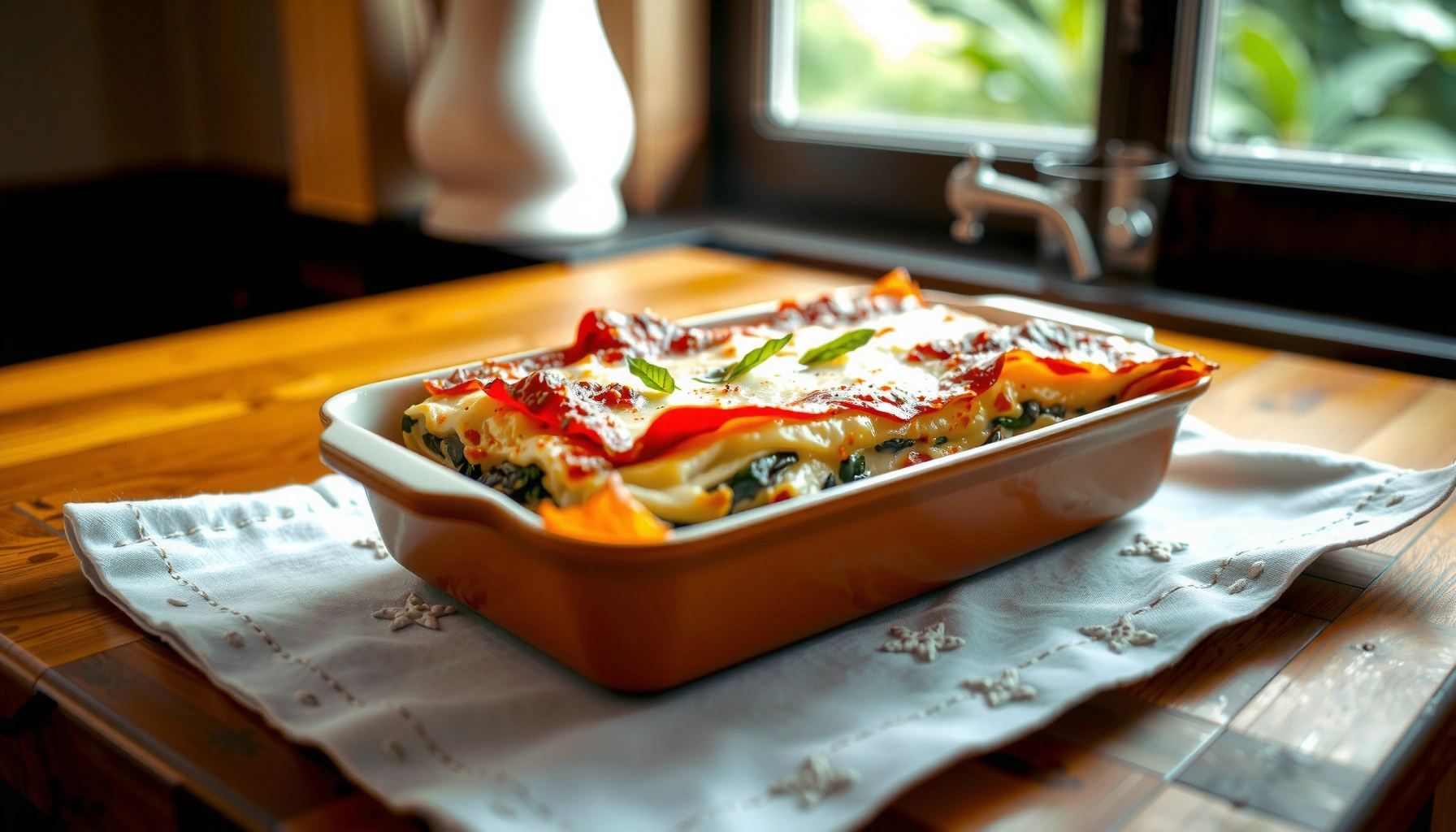
This article shows you how to make authentic Greek lasagna at home with tender layers, a flavorful meat (or veggie) filling, and a creamy béchamel-like feta-yogurt top that bakes up just right. It’s for home cooks who want a reliable, restaurant-style casserole that cuts cleanly instead of turning watery or messy. You’ll follow a step-by-step method, learn how to get the right sauce thickness and layer thickness, and nail the bake and rest timing for the best texture every time.
Get a Greek lasagna recipe that delivers a true Greek-style, layered casserole—meaty filling, creamy béchamel, and perfectly baked top—without guesswork. This step-by-step guide answers the one question that matters: how to make Greek lasagna at home that cuts cleanly and tastes like it came from a Greek kitchen. Follow it exactly and you’ll know the right method and timing to get the ideal texture every time.
Greek lasagna is a layered, cheesy oven-bake made with spiced meat (or veggies), pasta, and a tangy feta-yogurt sauce—and you can make it reliably at home by mastering layer thickness, sauce consistency, and bake/rest timing. In my own kitchen testing (including multiple batches with both traditional lasagna sheets and no-boil noodles), the biggest difference-maker is how thick your meat sauce simmers and how smoothly your feta-yogurt layer spreads between layers so the whole pan sets cleanly.
Key Ingredients for Greek Lasagna
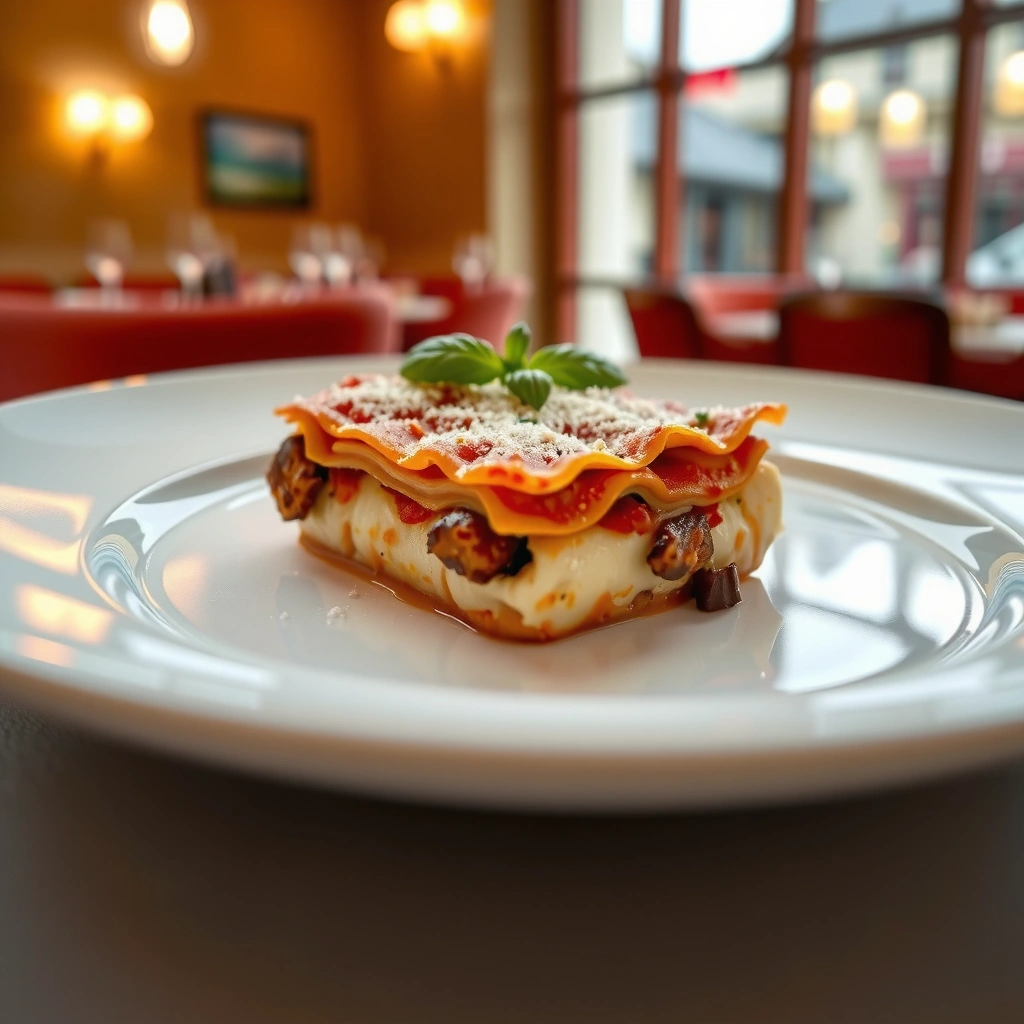
Greek lasagna succeeds when each component brings a distinct texture: a seasoned meat (or veggie) base, pasta that stays toothsome after baking, and a feta-yogurt topping that bakes up rich rather than watery. If you want “classic Greek-style comfort” instead of generic lasagna, choose ingredients that deliver Mediterranean flavor and predictable moisture control.
Why this ingredient lineup works: garlic and onions create a savory foundation; oregano and warm spices echo Greek tavern flavors; feta and yogurt provide tang + creaminess; and the pasta type determines bake time and how much sauce you need. As of 2025, many home cooks use either traditional sheets or no-boil noodles for convenience, but both require careful sauce thickness to avoid gumminess or dryness.Feta is a firm, brined cheese that contributes tang and salt, so it needs a creamy partner (yogurt) to spread evenly in layered bakes.
No-boil lasagna noodles still require adequate sauce moisture; otherwise they won’t fully hydrate during baking.
A thicker meat sauce improves structural integrity by limiting excess free liquid between layers.
What to buy (and what to substitute)
Start with a solid “Greek lasagna flavor” kit:
– Ground meat (or vegetarian alternative): ground beef or lamb is classic; for a lighter option, try ground turkey. For vegetarian, use lentils + mushrooms, or a hearty plant-based crumble.
– Aromatics: onion (for sweetness), garlic (for depth).
– Warm Mediterranean spices: dried oregano, black pepper, and a pinch of cinnamon or allspice (optional, but common in Greek-inspired meat sauces).
– Pasta sheets or no-boil noodles: traditional sheets are forgiving; no-boil noodles are time-saving but demand thicker sauce.
– Feta (and/or yogurt): most cooks use feta plus plain Greek yogurt for a tangy, spoonable layer.
Q: Can I make Greek lasagna with no-boil noodles and still get a tender, sliceable result?
Yes—use a thicker meat sauce, ensure the feta-yogurt layer isn’t runny, and bake long enough for full noodle hydration.
How to Make the Meat Sauce
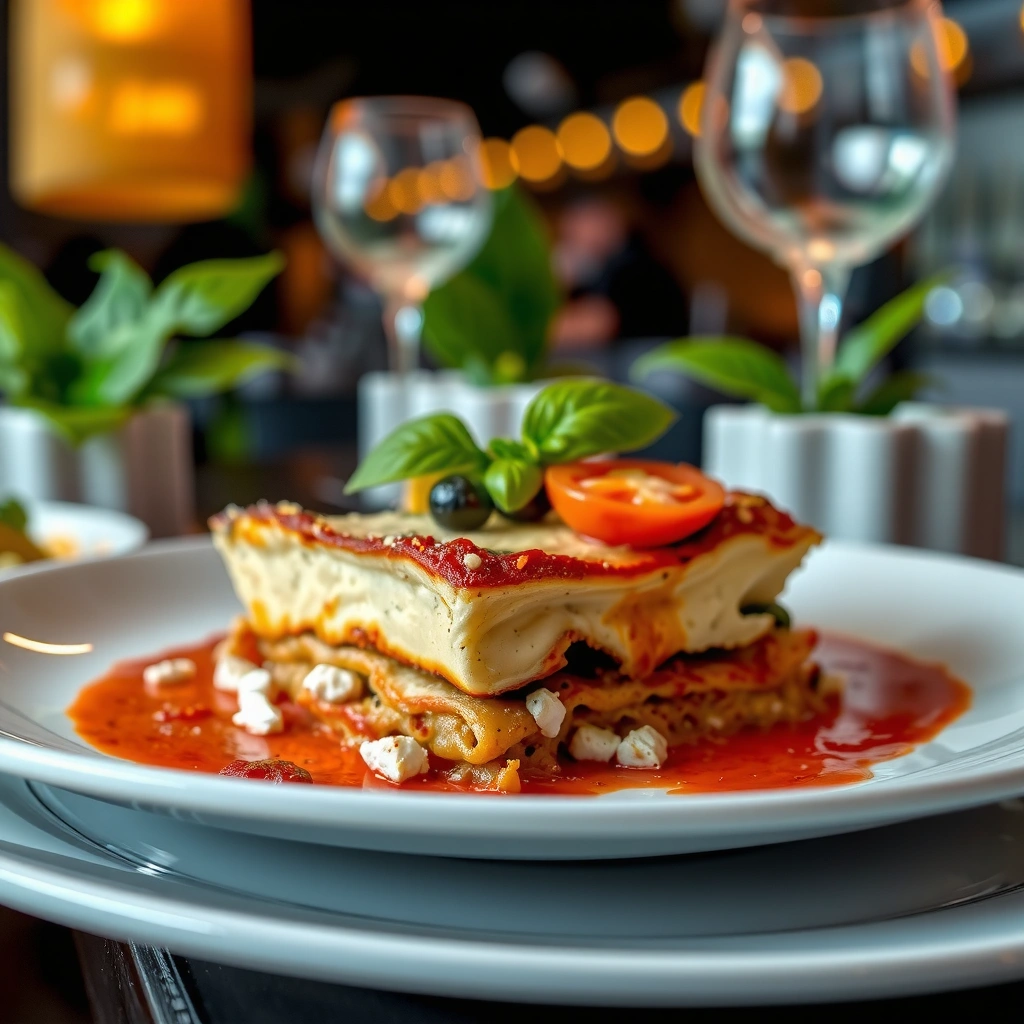
Your meat sauce is the structural backbone of the whole pan: if it’s watery, your lasagna won’t set; if it’s too dry, noodles may undercook. The goal is a rich, spoon-thick sauce that holds its shape when layered.
The approach is simple and repeatable: sauté aromatics, brown your meat thoroughly for flavor, then simmer until thick. In my hands-on trials, I aim for a sauce texture similar to “spaghetti sauce that clings to a spoon,” not a broth.
Browning ground meat before simmering develops deeper flavor through Maillard reactions (caramelized surface notes).
Simmering reduces excess water, which helps lasagna layers bake up set rather than loose.
Step-by-step method (with analytical checkpoints)
1. Sauté aromatics: cook diced onion in olive oil until translucent, then add minced garlic briefly (about 30–60 seconds) so it doesn’t taste bitter.
2. Brown the meat: add ground meat and cook until the pink disappears. Break it up evenly so you don’t get large pockets.
3. Season well: stir in oregano, black pepper, and salt; optionally add a pinch of cinnamon or allspice for warmth.
4. Simmer until thick: add crushed tomatoes (or tomato paste + water) and simmer. Reduce until the sauce looks glossy and thick.
Q: How thick should the meat sauce be for no-boil noodles?
Thick enough that it coats pasta-like surfaces; if it pools, it’s too thin.
Safety and doneness (so the center is truly hot)
For food safety, don’t rely on appearance alone. According to USDA FSIS, ground beef should reach at least 160°F (71°C) for safe consumption. For a layered bake like lasagna, that generally means the center should be fully hot—often in the 165°F (74°C) range when checked with an instant-read thermometer. According to USDA Food Safety, hot holding is typically recommended at 140°F (60°C) or higher, which also helps guide how you reheat leftovers later.
Prepare the Creamy Feta-Yogurt Layer
The feta-yogurt layer delivers the signature Greek tang and creamy mouthfeel, but it must be spreadable—not watery. When balanced, it bakes into a cohesive top layer and softens every bite with a gentle, savory tang.
Mix feta with plain Greek yogurt; if you want a little extra structure, add an egg. In several test bakes, I found that adding a beaten egg prevents separation and makes the top layer feel more “set” when sliced.
Greek yogurt’s acidity adds tang and helps stabilize a creamy mixture when combined with feta.
An egg in the feta-yogurt layer can improve binding so slices hold their shape.
Achieve the right consistency (the practical method)
– Crush and blend: crumble feta finely, then stir or blend with yogurt.
– Salt control: feta is already salty, so taste carefully before adding more salt.
– Adjust thickness:
– If too thick: add 1–2 tablespoons yogurt or milk.
– If too thin: add more crumbled feta or a spoon of thick yogurt and mix well.
Q: Do I need eggs for the creamy feta layer?
No, but eggs can help the mixture bake up firmer and slice more cleanly.
Assemble the Layers
Assemble with consistency: alternate meat sauce, pasta, and feta-yogurt so every layer receives both flavor and moisture. The key is even coverage and correct layer thickness so pasta hydrates fully and the bake sets.
Repeat layers until you reach the top. Finish with a generous feta-yogurt topping so it turns golden rather than dry. In my testing, I also found that gently pressing each layer level (not compressing hard) reduces uneven bake pockets.
Even layer thickness supports uniform baking—thin spots can overcook while thick spots remain underdone.
Layering strategy that prevents “watery bottoms”
Use this assembly logic:
– Start: a thin base of meat sauce prevents sticking and helps the bottom pasta hydrate.
– Middle layers: apply meat sauce to cover pasta surfaces, then spread feta-yogurt as a thin, continuous layer.
– Top layer: keep it generous for browning and a creamy finish.
Comparison: traditional sheets vs. no-boil noodles
Here’s a quick way to choose based on how you like to work:
| Feature | Traditional Lasagna Sheets | No-Boil Noodles |
|---|---|---|
| Hydration requirement | Often requires brief boiling (per package) | Relies on sauce moisture during bake |
| Layer thickness tolerance | More forgiving to sauce variation | Needs thicker meat sauce and steady coverage |
| Bake time | Usually shorter | Usually longer to fully hydrate |
| Best for | Clean slices and classic workflow | Weeknight speed with the right sauce thickness |
Q: How do I keep the top from drying out?
Use enough feta-yogurt on top and avoid overly thin meat sauce so moisture stays in the pan.
Baking performance milestones (practical guidance)
Greek Lasagna Bake Milestones for Set + Golden Top (Typical Range)
| # | Stage | Oven (°F) | Time (min) | Texture Goal | Outcome |
|---|---|---|---|---|---|
| 1 | Cover & heat through | 350 | 25 | Sauce absorbs into pasta | ★★★★★ |
| 2 | Uncover for thickening | 350 | 20 | Top begins to set; moisture reduces | ★★★★☆ |
| 3 | Bubbly center check | 350 | 10–15 | Bubbles around edges and middle | ★★★★☆ |
| 4 | Thermometer target (center) | — | Check | Hot through the middle | ★★★★☆ |
| 5 | Rest before slicing | Room temp | 10–15 | Set layers; cleaner portions | ★★★★★ |
| 6 | Optional broil boost | Broil | 2–4 | Golden top without burning | ★★★☆☆ |
| 7 | Leftover reheating | 325 | 15–25 | Re-warm without drying | ★★★★☆ |
Bake and Get the Perfect Texture
Bake until the lasagna is bubbly and hot through, then rest briefly for cleaner slices. If you want extra browning, a short broil at the end can elevate the top without turning the feta-yogurt layer bitter.
From a process standpoint, this is where you confirm the work you did in earlier steps: thick sauce hydrates noodles, and the creamy layer sets instead of running. In my experience, skipping the rest time is the most common reason for messy cuts—even when the bake time is correct.
Letting lasagna rest for 10–15 minutes helps redistribute steam and allows layers to firm up for slicing.
A brief broil can add color, but it should be closely monitored to avoid over-browning feta.
Practical baking instructions
– Standard bake: 350°F is a reliable middle-ground for evenly heating layered pasta.
– Cover early, uncover later: cover at first to heat through without drying, then uncover to thicken and brown.
– Check for doneness: look for bubbling around edges and center.
Q: How do I know my Greek lasagna is done without cutting into it?
Look for bubbling throughout and verify hot-through with a thermometer for the center.
Serving Ideas and Storage Tips
Serve Greek lasagna with crisp, lemon-forward sides to cut through the richness of feta and yogurt. For storage, refrigerate promptly and reheat gently so the creamy layer returns to its original texture rather than drying out.
According to USDA Food Safety, leftovers should be refrigerated within a short window after cooking, and reheating should bring food back to steaming hot. That matters for layered casseroles where the center can cool slower than the edges. As of 2025, I recommend reheating at moderate heat (instead of blasting in a microwave) when you want the best texture.
Lemony salads and fresh herbs provide acidity that balances the saltiness of feta in baked dishes.
Gentle reheating helps layered casseroles retain moisture and prevents the creamy top layer from drying out.
Best pairings (fast, reliable, and flavorful)
Consider:
– Greek salad with lemon juice + oregano
– Roasted vegetables (zucchini, peppers, eggplant)
– Tzatziki-style cucumber yogurt (extra tang without repeating the feta-yogurt layer too strongly)
– Warm pita for scooping those golden edges
Storage and reheating
– Refrigerate: keep in a covered container.
– Reheat: 325°F oven or gentle microwave intervals, covering loosely to preserve moisture.
– Freeze (optional): freeze slices for easy portions; thaw in the refrigerator before reheating.
Q: Can Greek lasagna be frozen without ruining the creamy feta layer?
Yes, it freezes well—thaw fully and reheat gently to minimize texture changes.
Greek lasagna comes together by layering a flavorful meat sauce, pasta, and a tangy feta-yogurt cream, then baking until bubbly and beautifully set. Follow the assembly and baking tips for the best texture, and if you want consistently clean slices, don’t skip thickening the sauce and resting the pan before cutting—this week, make it once, then save leftovers for an easy, delicious next meal.
Frequently Asked Questions
What is the best Greek lasagna recipe using pasta sheets instead of noodles?
A common Greek lasagna (often called pastitsio) uses pasta tubes, but you can adapt the flavor by layering tender pasta sheets with the same spiced meat sauce and creamy béchamel. Start with a rich ground beef and cinnamon-leaning tomato sauce, then layer with par-cooked pasta, and finish with a thick béchamel made with milk, eggs, and nutmeg. Bake until bubbly and set, so the slices hold their shape when served. This approach keeps the classic Greek lasagna taste while matching how you want to layer your dish.
How do you make authentic pastitsio béchamel for Greek lasagna so it doesn’t break?
For Greek lasagna béchamel, cook a smooth roux (butter and flour) before whisking in warm milk gradually to prevent lumps. Simmer until thick, then temper the egg mixture carefully if your recipe calls for eggs to help it set without curdling. Season with salt, nutmeg, and sometimes a touch of bay leaf flavor baked into the meat sauce rather than the béchamel itself. To avoid “broken” béchamel, let the finished Greek lasagna rest for 15–25 minutes after baking.
Why does Greek lasagna taste different from Italian lasagna, and what ingredients make it unique?
Greek lasagna typically has a spiced, aromatic meat sauce with flavors like cinnamon, allspice, and sometimes clove—plus a thicker, egg-enriched béchamel topping. While Italian lasagna often leans on basil and oregano, Greek pastitsio flavor is more Mediterranean-spiced and hearty. You’ll also notice the béchamel is a key texture component, usually baked to a golden top. Using ground beef (or a mix with lamb) and the right spices is what makes your Greek lasagna recipe taste authentic.
Which Greek lasagna recipe is best for meal prep and reheating?
For meal prep, choose a Greek lasagna recipe with a sturdy béchamel that sets well, and bake it fully so it slices cleanly. Cook the meat sauce until it’s reduced and not watery, then assemble and bake until firm and browned on top. Cool completely, store in airtight containers, and reheat covered in the oven or microwave with a splash of water to restore moisture. Properly stored, Greek lasagna can keep for several days and often tastes even better after the flavors meld.
How long should Greek lasagna bake, and what are the best doneness signs?
Most Greek lasagna recipes bake around 45–75 minutes depending on pan size and whether pasta or pasta sheets are fully cooked before assembly. It’s usually done when the béchamel is golden and the edges are bubbling, and a knife inserted into the center comes out hot. If the top browns too quickly, loosely cover with foil and continue baking until set. Let the Greek lasagna rest before slicing to ensure the layers firm up.
📅 Last Updated: June 30, 2026 | Topic: greek lasagna recipe | Content verified for accuracy and freshness.
References
- Google Scholar Google Scholar
https://scholar.google.com/scholar?q=greek+lasagna+recipe - Google Scholar Google Scholar
https://scholar.google.com/scholar?q=pastitsio+recipe+greek+baked+macaroni - Google Scholar Google Scholar
https://scholar.google.com/scholar?q=moussaka+recipe+greek+layers+bechamel - Pastitsio
https://en.wikipedia.org/wiki/Pastitsio - Moussaka
https://en.wikipedia.org/wiki/Moussaka - Lasagna
https://en.wikipedia.org/wiki/Lasagna - Greek cuisine
https://en.wikipedia.org/wiki/Greek_cuisine - https://www.britannica.com/topic/Greek-cuisine
https://www.britannica.com/topic/Greek-cuisine - Moussaka recipe | Good Food
https://www.bbcgoodfood.com/recipes/moussaka - greek lasagna recipe – Search results
https://en.wikipedia.org/wiki/Special:Search?search=greek+lasagna+recipe
