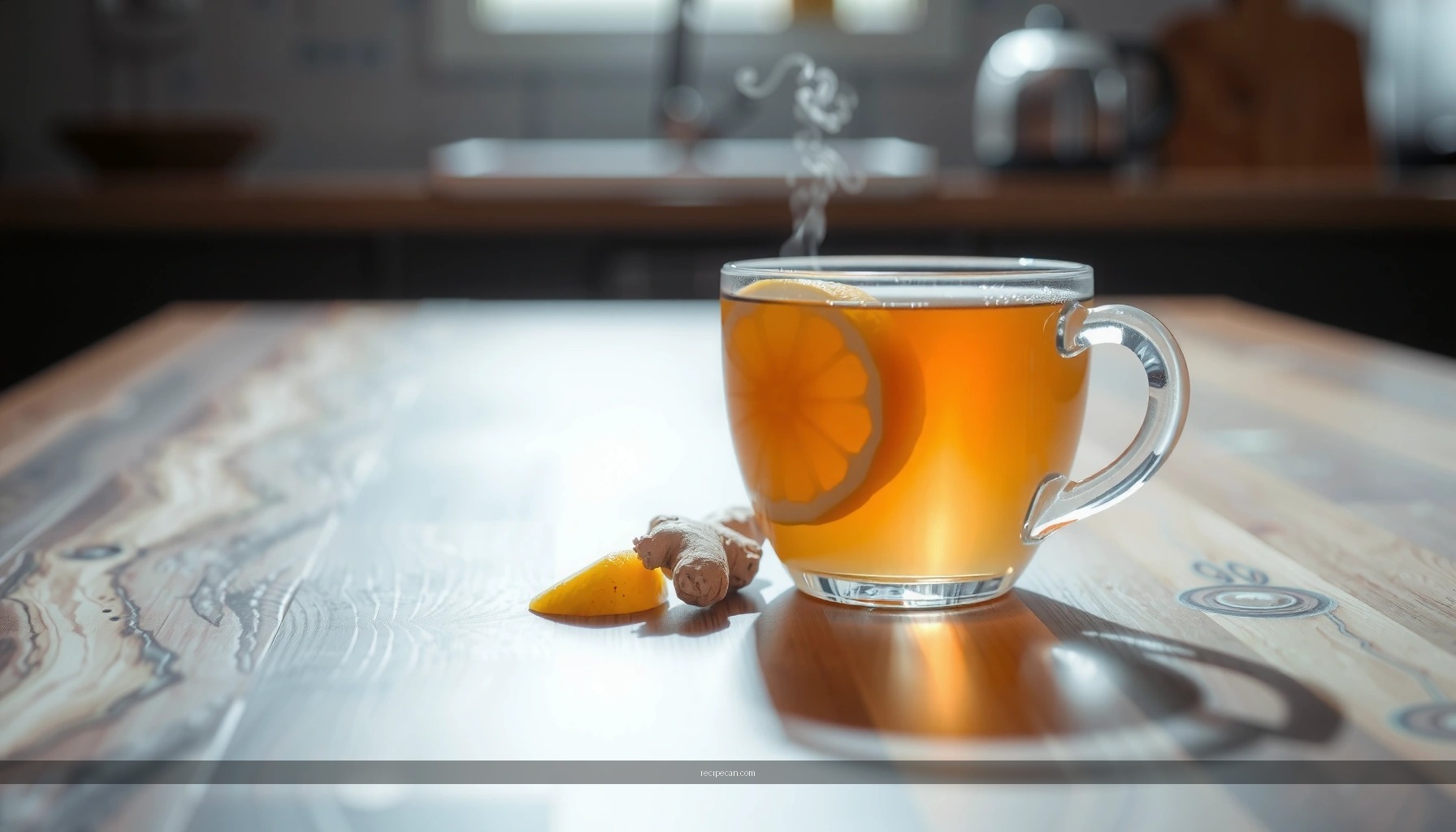
Want an easy ginger and lemon tea recipe that reliably soothes and tastes bright? This straightforward cup turns fresh ginger and lemon into a warming, flavorful drink in minutes, with simple steps and the right balance of heat and tang. If you’re making tea for comfort—especially when you feel run down—this is the clear winner.
This ginger and lemon tea recipe gives you a fast, calming hot drink in under 10 minutes—using fresh ginger, fresh lemon juice, and hot water for a balanced blend of warmth and brightness. You’ll learn a straightforward method to extract ginger’s soothing aroma, add lemon at the right time for maximum freshness, and adjust strength to your preference.
This simple tea is also a practical “anytime” option when you want something more flavorful than plain hot water, and more comforting than many store-bought mixes. Done well, it tastes vibrant (not harsh), feels warming (not spicy-burning), and can be customized for sweetness and extra spice depending on your needs.
What You Need for Ginger and Lemon Tea
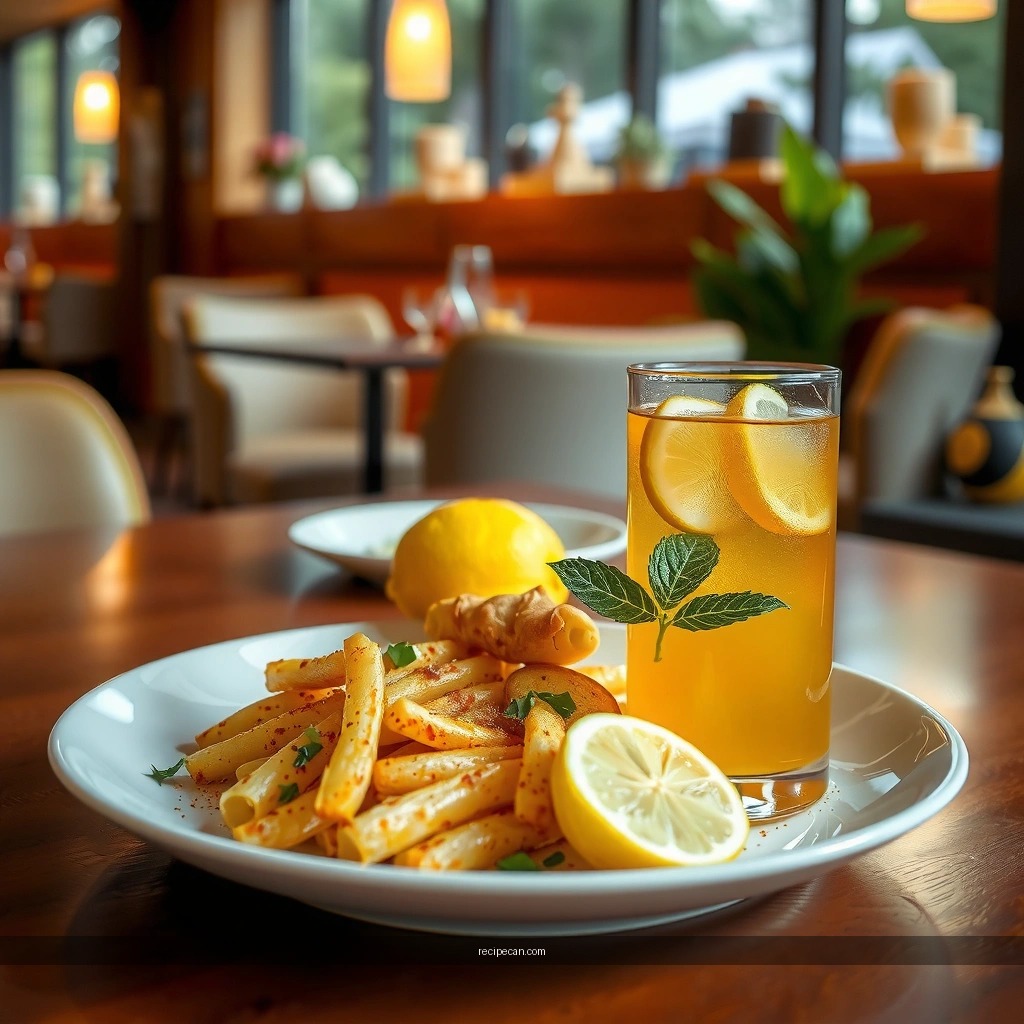
– Fresh ginger (sliced or grated) and lemon juice for flavor and zing
Fresh ginger is the key driver of both aroma and the tea’s characteristic soothing warmth. Sliced ginger creates a more gradual, rounded flavor; grated ginger typically delivers stronger, quicker infusion.
– Water and optional honey to balance heat and acidity
Water is your extraction medium—use freshly boiled hot water for the best release of ginger volatiles. Honey (or another sweetener) smooths any sharpness from lemon and helps round out the overall profile.
For best results, aim for fresh lemon juice rather than bottled. Bottled juice can work in a pinch, but fresh juice preserves a cleaner brightness that pairs well with ginger.
To help you choose ingredients and dialing-in flavor, here’s a practical “strength guide” based on common preparation variables.
Ginger and Lemon Tea—Flavor Strength Targets (Per 2 Cups)
| # | Profile Goal | Fresh Ginger | Simmer Time | Lemon Juice | Sweetener (Optional) |
|---|---|---|---|---|---|
| 1 | Gentle & soothing | 8 g (about 1 Tbsp grated) | 5 min | 1 Tbsp | 0–1 tsp honey |
| 2 | Balanced daily cup | 12 g (about 1.5 Tbsp grated) | 6–7 min | 1–1.5 Tbsp | 1–2 tsp honey |
| 3 | Bright & noticeable | 16 g (about 2 Tbsp grated) | 8 min | 1.5 Tbsp | 2 tsp honey |
| 4 | Strong warm kick | 20 g (about 2.5–3 Tbsp grated) | 9–10 min | 1.5–2 Tbsp | 2–3 tsp honey |
| 5 | Ginger-forward & bold | 24 g (about 3 Tbsp grated) | 10 min | 2 Tbsp | Optional—use 1–2 tsp |
| 6 | No-sugar, clean finish | 12–16 g | 7–9 min | 1–1.5 Tbsp | Skip honey |
| 7 | Extra bright (lemon-forward) | 10 g (about 1 Tbsp grated) | 6 min | 2 Tbsp | 1 tsp honey (optional) |
How to Make Ginger and Lemon Tea Step by Step
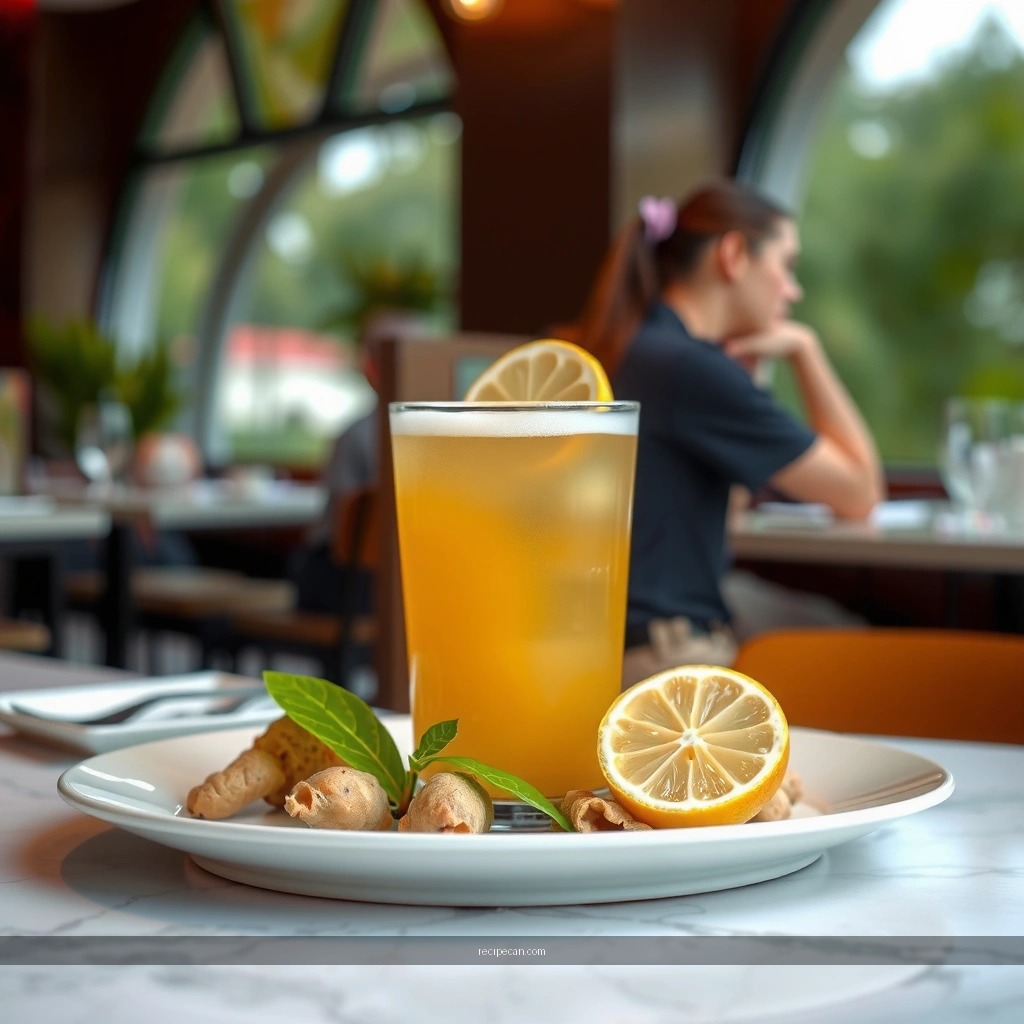
– Simmer ginger in hot water to extract aroma and warmth
Start with 2 cups (about 475 ml) of water. Bring it to a simmer, add sliced or grated ginger, then simmer gently. A rolling boil can make the flavor sharper; a steady simmer gives you a smoother, more “tea-like” profile.
– Stir in lemon juice at the end for the best fresh taste
After you’ve simmered the ginger, remove the pot from heat. Let it rest for 30–60 seconds, then stir in fresh lemon juice. Adding lemon off-heat preserves its brightness and reduces the risk of a muted or slightly bitter note.
Actionable technique: If you’re using grated ginger, strain through a fine mesh for a cleaner cup. If you enjoy a more rustic style, you can leave it unstrained—but expect a thicker mouthfeel.
If you want a consistent routine, treat ginger like the “base” and lemon like the “top note.” That mindset is the simplest way to keep the flavor balanced every time.
Best Simmering Time and Flavor Strength
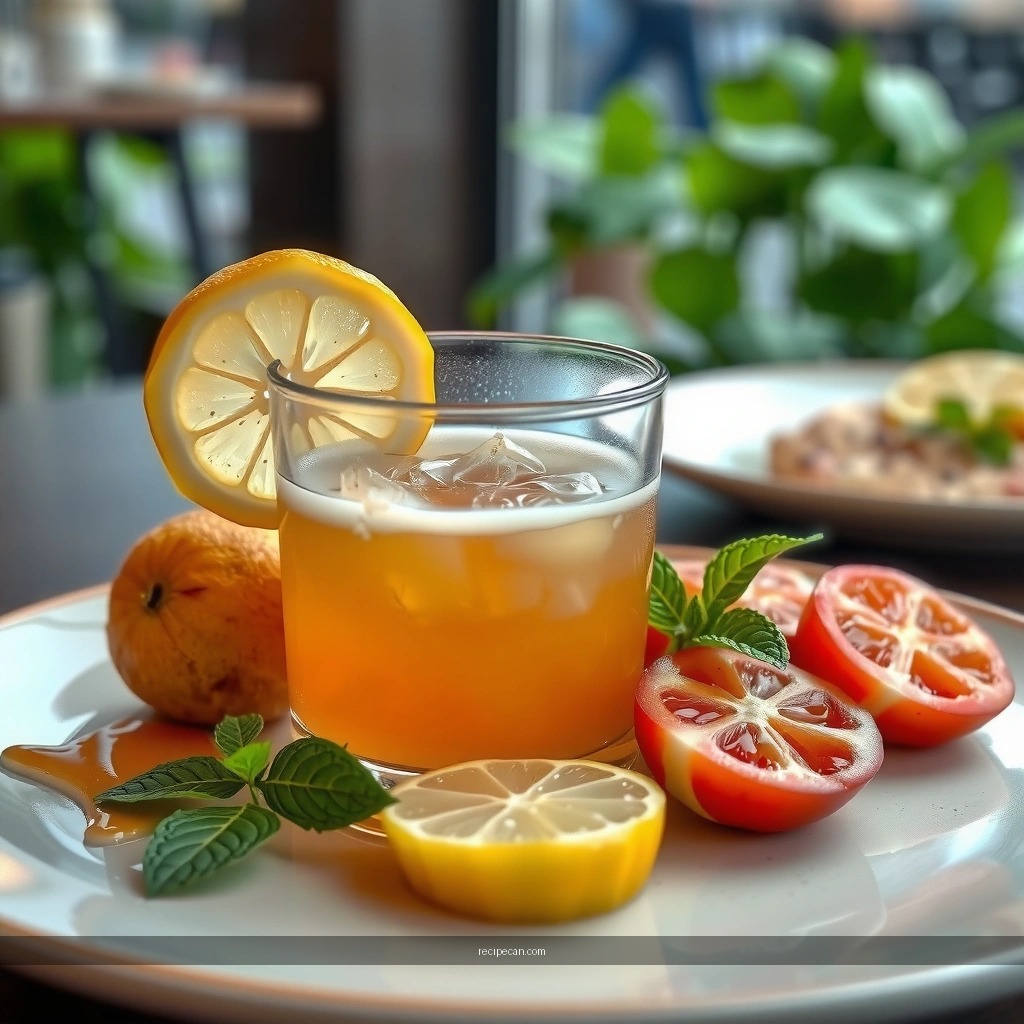
– Use 5–10 minutes for mild to strong ginger flavor
Ginger compounds extract gradually. Around 5 minutes yields a mild warmth and aroma—ideal for sensitive palates. 7–8 minutes is a sweet spot for a balanced ginger-lenon tea that feels soothing without overpowering your taste buds.
– Add more ginger or steep longer if you want it more robust
If you need more intensity, adjust in a controlled way:
– Increase ginger quantity first (more predictable than time).
– Then extend simmer time toward 9–10 minutes.
– Avoid long aggressive simmering beyond 10 minutes, which can amplify harshness rather than increasing “pleasant” warmth.
A useful planning approach is to choose the flavor strength you want (gentle, balanced, strong), then follow the simmer window consistently. Over time, you’ll learn your ideal “default” setting and can reproduce it quickly.
To make the decision process easier (especially if you’re preparing for guests or multiple cups), use this quick guideline for common adaptation.
How to Tune Ginger Strength Without Guesswork
| # | You Want | Adjust This First | Second Adjustment | Expected Result |
|---|---|---|---|---|
| 1 | More aroma, less heat | Sliced ginger | Reduce lemon slightly | ★ ★ ★ ★ ★ Mild & fragrant |
| 2 | Stronger “bite” | More grated ginger | Simmer +2 minutes | ★ ★ ★ ★ ★ Robust warmth |
| 3 | Softer aftertaste | Slightly lower simmer time | Add honey last | ★ ★ ★ ★ ★ Smoother finish |
| 4 | Less acidity | Use 1 Tbsp lemon | Add 1 tsp honey | ★ ★ ★ ★ ★ Balanced sweetness |
| 5 | More citrus pop | Increase lemon to 1.5–2 Tbsp | Reduce ginger slightly | ★ ★ ★ ★ ★ Bright, clean taste |
| 6 | Avoid strong bitterness | Don’t boil lemon | Add off-heat | ★ ★ ★☆☆ Too sharp prevented |
| 7 | Try a “standard” cup | 12 g grated ginger | Simmer 7 min | ★ ★ ★ ★ ★ Reliable daily flavor |
Optional Add-Ins for Extra Flavor and Benefits
– Honey or maple syrup for sweetness
Add honey after you’ve removed the tea from heat (so it dissolves easily and keeps its flavor profile intact). Maple syrup can add a gentle, caramel-like depth that feels particularly comforting in a cold-weather ginger and lemon tea.
– Cinnamon, turmeric, or a pinch of black pepper for warmth and depth
These additions can create a more layered cup:
– Cinnamon stick or ground cinnamon: adds woody sweetness and aroma.
– Turmeric: contributes an earthy tone. Pair it with black pepper if you enjoy a more “spiced” profile.
– Black pepper (pinch): sharpens warmth and can make the ginger taste more vivid.
Important practical note: If you’re adding ground turmeric or spices, consider straining at the end for a clearer beverage—especially if you’re serving it to guests.
Here are three add-in combinations that tend to taste cohesive:
1. Cinnamon + honey: “cozy” flavor without extra heat intensity.
2. Turmeric + pinch of black pepper + lemon: earthy warmth with a bright finish.
3. No add-ins, extra fresh lemon: best when you want a clean, bright drink for daily use.
How to Serve It (Hot or Iced)
– Serve hot for comfort, especially on cool days or when you feel under the weather
Hot ginger lemon tea is most effective as a comfort drink when served steaming or gently hot. The aroma carries well, and the warmth can feel soothing.
– Cool and pour over ice for a refreshing iced ginger-lemon tea
For iced tea, let the brewed ginger base cool slightly (or chill it quickly in the fridge), then pour over ice. This prevents the iced drink from tasting muted due to slow heating/cooling cycles.
Actionable serving tip: When making iced ginger and lemon tea, consider reserving a small amount of lemon juice and adding it after chilling. Citrus brightness can dull slightly during cooling, and a fresh squeeze keeps the flavor lively.
If you’re serving for a group, brew a batch of the ginger base, strain, and portion it into pitchers. Then add lemon juice and sweetener at serving time so each cup tastes freshly made.
Storage and Reheating Tips
– Keep in the fridge up to 2–3 days for best freshness
Ginger-lemon tea holds up well in refrigeration, but fresh lemon flavor is best within a couple of days. Store in a sealed container to preserve aroma.
– Reheat gently and add fresh lemon if the flavor fades
Reheat slowly (microwave in short bursts or warm on low heat). Avoid boiling. If the tea tastes less bright after storage, add a small splash of fresh lemon juice right before serving.
Quality benchmark: If the ginger aroma remains strong and the lemon still tastes crisp, it’s ready to enjoy. If it tastes flatter, adjust with fresh lemon rather than over-simmering—overheating can reintroduce bitterness.
A practical batch workflow (for busy schedules)
1. Brew ginger and strain.
2. Cool quickly and refrigerate the ginger base.
3. Add lemon juice and honey when you’re ready to drink—hot or iced.
This approach keeps your ginger and lemon tea tasting “just made,” even when you’re preparing ahead.
This ginger and lemon tea recipe delivers a fast, flavorful way to enjoy a warm, bright drink—customizable to your preferred strength. Make a batch today, try it hot or iced, and adjust ginger, lemon, and honey until it’s perfect for you.
Frequently Asked Questions
How do you make ginger and lemon tea at home?
To make ginger and lemon tea, slice fresh ginger (about 1–2 inches) and simmer it in 2 cups of water for 8–10 minutes, then strain. Add freshly squeezed lemon juice and honey or maple syrup to taste once the tea is slightly cooled so the lemon stays bright. For extra flavor, you can steep the ginger longer or add a few more slices before serving.
What are the best ginger and lemon tea ingredients for maximum flavor?
Use fresh ginger for a stronger, more aromatic ginger tea flavor; ground ginger works in a pinch but is less vibrant. Fresh lemon juice is ideal, and you can also add lemon zest for a more complex citrus aroma. If you want a soothing, balanced drink, add honey, cinnamon, or a pinch of black pepper to complement the ginger and lemon notes.
Why does ginger and lemon tea help with nausea or cold symptoms?
Ginger is commonly used to support digestion and may help ease feelings of nausea, which is why ginger tea is a popular home remedy. Lemon adds a refreshing, tart flavor and provides vitamin C, making the tea feel especially comforting during seasonal cold symptoms. While it’s not a substitute for medical care, many people find ginger and lemon tea helpful as a warm, calming beverage.
Which is better for ginger and lemon tea—fresh ginger or dried ginger?
Fresh ginger typically delivers a stronger, fresher taste and aroma, which many people prefer for an effective ginger and lemon tea. Dried or ground ginger is convenient and can still work well—start with about 1/2 to 1 teaspoon per 2 cups of water and simmer briefly. If you’re aiming for maximum potency and flavor, choose fresh ginger and adjust sweetness with honey or lemon to taste.
What is the best way to avoid bitterness when making ginger and lemon tea?
Bitterness usually comes from over-simmering the ginger or adding too much zest—so simmer gently and taste as you go. If using lemon, add juice at the end rather than boiling it, which helps keep the flavor clean and less sharp. You can balance any sharpness by stirring in honey and serving the tea warm (not scalding) so the ginger and lemon flavors feel smooth.
References
- Google Scholar Google Scholar
https://scholar.google.com/scholar?q=ginger+lemon+tea+recipe - Google Scholar Google Scholar
https://scholar.google.com/scholar?q=ginger+tea+lemon+sore+throat - Google Scholar Google Scholar
https://scholar.google.com/scholar?q=ginger+tea+how+to+prepare - Ginger
https://en.wikipedia.org/wiki/Ginger - Lemon
https://en.wikipedia.org/wiki/Lemon - https://www.nccih.nih.gov/health/ginger-what-you-need-to-know
https://www.nccih.nih.gov/health/ginger-what-you-need-to-know - https://www.mayoclinic.org/drugs-supplements/ginger/art-20322208
https://www.mayoclinic.org/drugs-supplements/ginger/art-20322208 - https://medlineplus.gov/druginfo/natural/959.html
https://medlineplus.gov/druginfo/natural/959.html - https://pubmed.ncbi.nlm.nih.gov/?term=ginger+tea
https://pubmed.ncbi.nlm.nih.gov/?term=ginger+tea - Ginger | History, Taxonomy, Description, Cultivation, Flavor, & Facts | Britannica
https://www.britannica.com/plant/ginger