You can easily whip up a tasty fruit smoothie by blending 1 to 1.5 cups of your favorite fresh or frozen fruits with ½ to 1 cup of yogurt—Greek for creaminess and protein, or plant-based if you prefer. Add about ½ cup of milk or juice for texture, then blend until smooth. Experiment with sweeteners like honey or add greens for nutrition. Keep your glass chilled for best taste. Want tips on perfecting consistency and serving?
Ingredients and Quantity
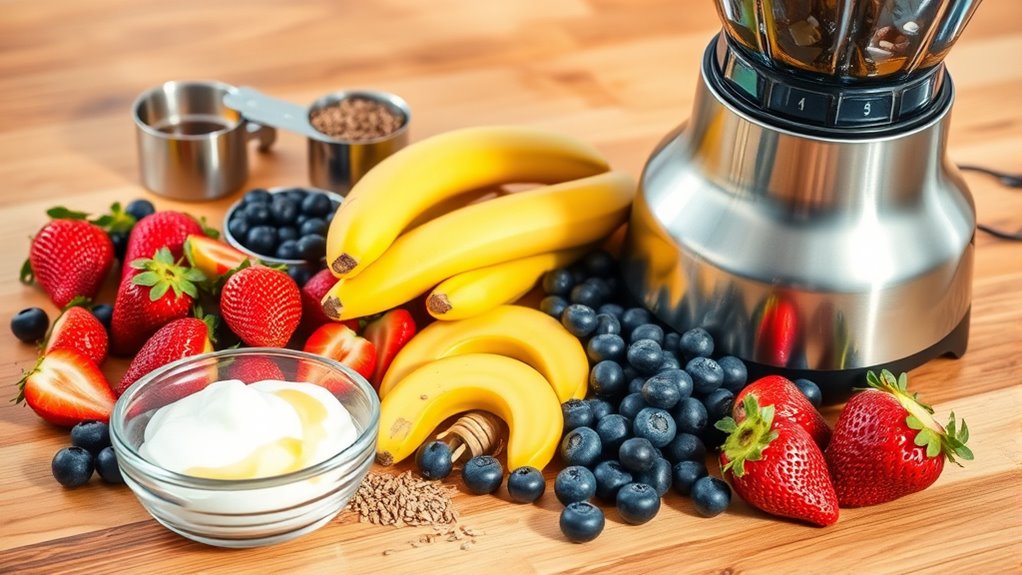
When making fruit smoothies, you’ll typically need three to five key ingredients to achieve the right balance of flavor and texture. Your fruit selection is essential; choose a mix of sweet and tart fruits for complexity. Yogurt types vary in fat content and probiotic benefits, so pick one that fits your dietary goals. Below is a guideline for ingredient quantities that maintain freedom in customization while ensuring a smooth consistency.
| Ingredient | Quantity |
|---|---|
| Mixed Fruits | 1 to 1.5 cups |
| Yogurt (Greek or Regular) | ½ to 1 cup |
| Liquid (Milk or Juice) | ½ cup |
These proportions help you craft a smoothie that’s balanced, nutritious, and tailored to your taste preferences.
Preparations
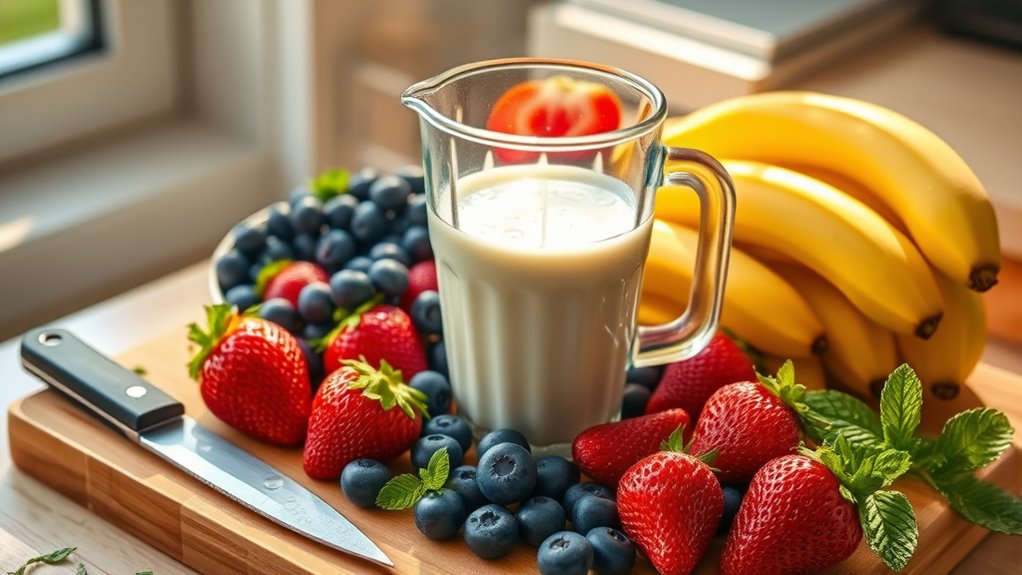
Before you blend your ingredients, it’s important to prepare them properly to assure a smooth texture and ideal flavor. Start by washing and cutting fruits into uniform pieces, which helps assure even blending and prevents chunks. If you’re experimenting with smoothie variations, consider the type of yogurt you use: Greek yogurt offers creaminess and protein, while plant-based yogurts provide dairy-free options without sacrificing texture. Measure your ingredients carefully to maintain balance between fruit sweetness and yogurt tanginess. Also, chilling your fruits or using frozen options can enhance the smoothie’s coldness without watering it down. These preparation steps give you control, allowing you to customize flavors and textures freely, making your fruit smoothie with yogurt both nutritious and enjoyable every time.
How to Prepare
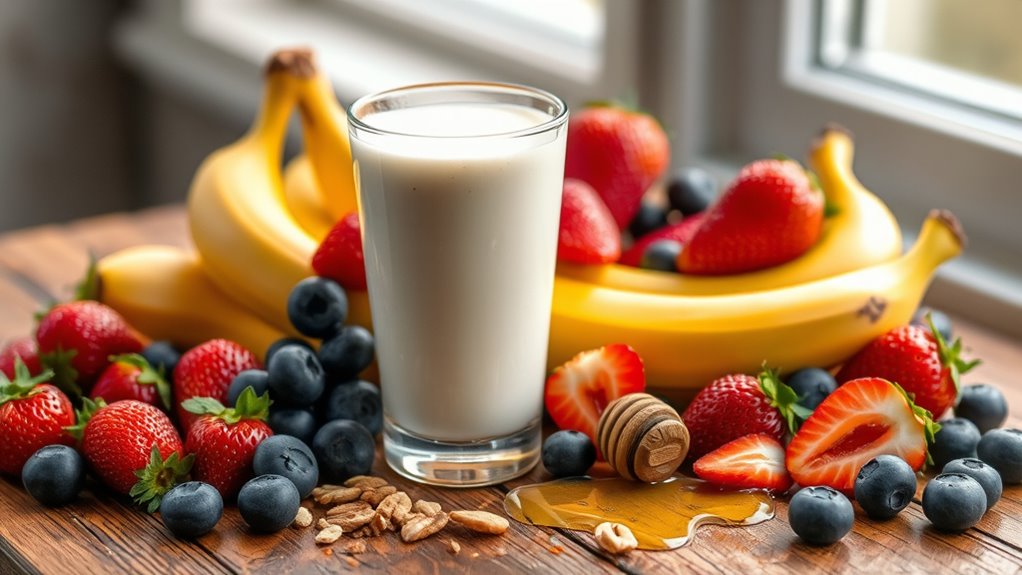
- Choose the right type of yogurt:
- Greek yogurt for creaminess and added protein
- Low-fat or plant-based options for lighter alternatives
- Add fruit, fresh or frozen, to control texture and temperature
- Combine approximately one cup of yogurt with one to one and a half cups of fruit for balanced consistency
- Blend on medium speed, adjusting as needed to achieve preferred smoothness
- Experiment by adding ingredients like honey, nuts, or leafy greens to customize taste and nutritional value
- Keep in mind that precise measurements and blending time affect texture and flavor, allowing you to tailor your perfect smoothie
How to Serve
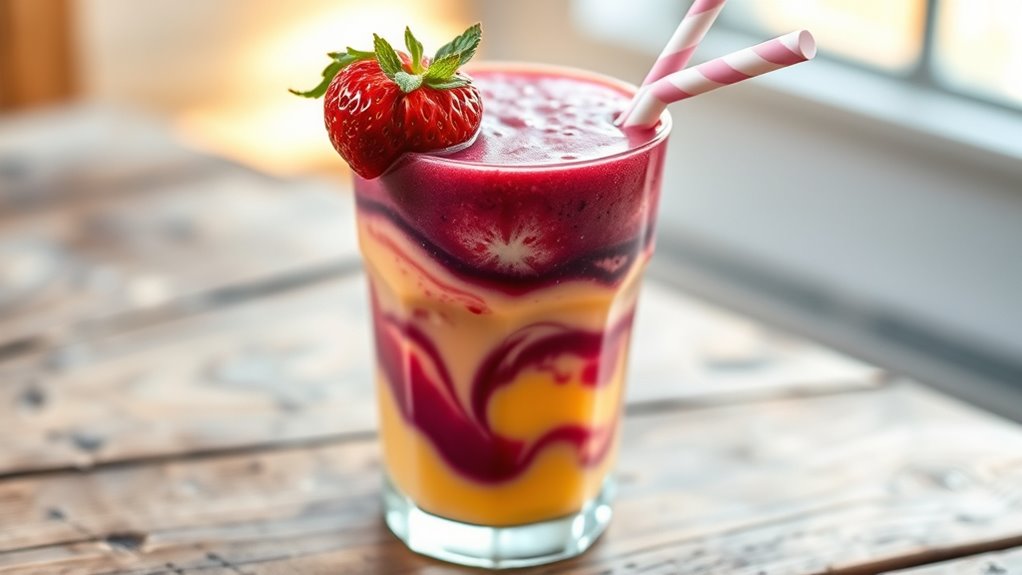
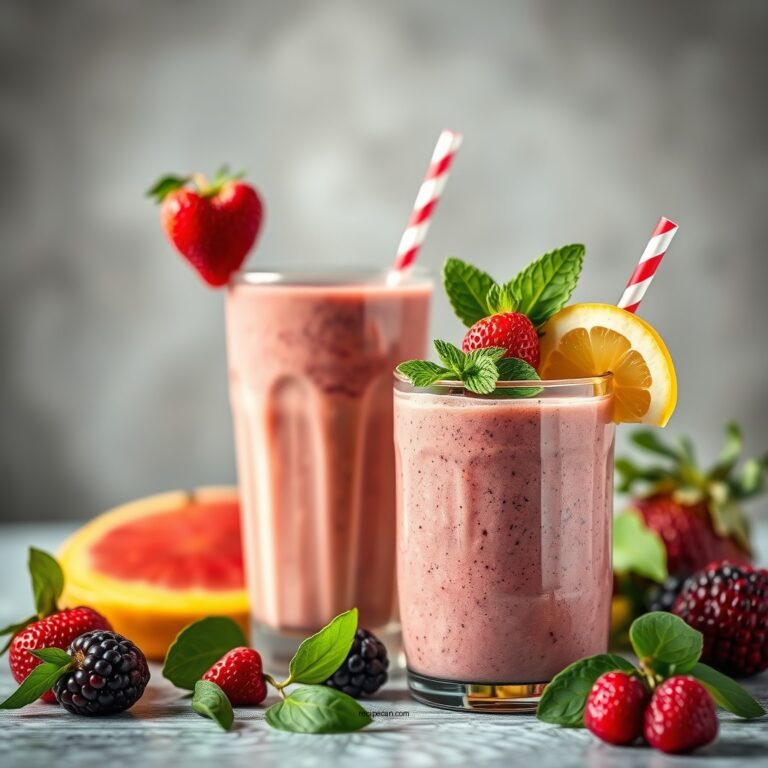
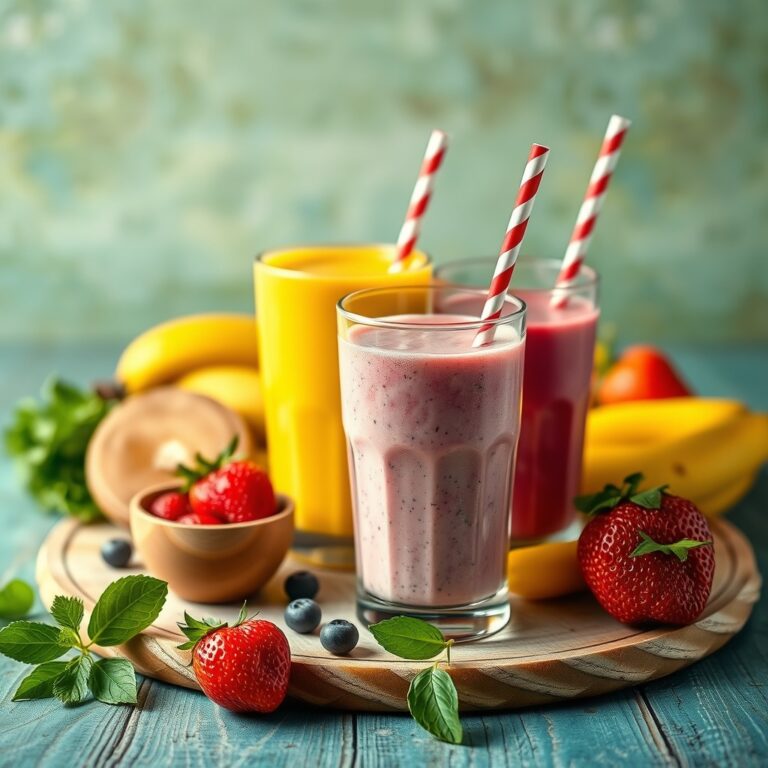
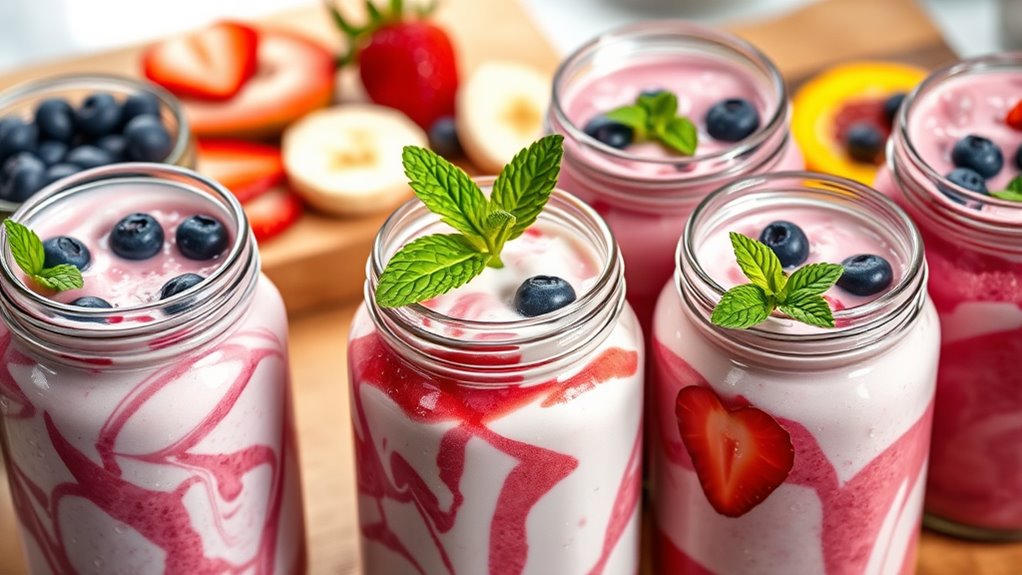
Serving your fruit smoothie in the right way can enhance both its appeal and enjoyment. To elevate your experience, consider presentation ideas like using clear glassware that showcases the vibrant colors of your smoothie. Adding a fresh fruit garnish or a sprig of mint not only boosts visual appeal but also hints at the flavors inside. For serving suggestions, chill your glasses beforehand to keep the smoothie cool longer. You might also serve with a reusable straw to align with eco-friendly values. If you’re sharing, use individual portions to maintain freshness and allow everyone to appreciate their unique blend. These thoughtful touches make your smoothie more inviting and enjoyable, perfectly complementing the freedom you seek in your healthy, delicious choices.
Tips
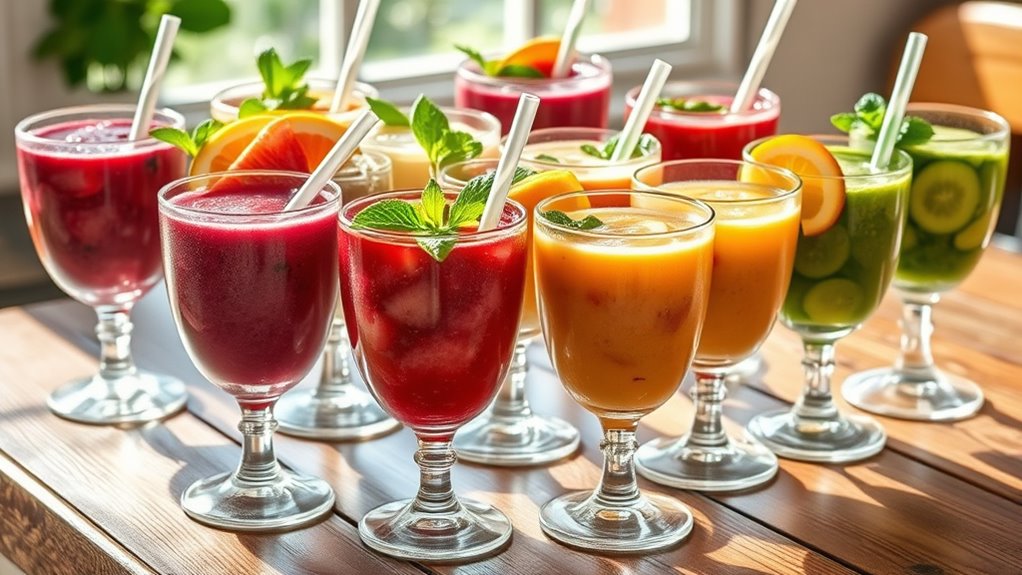
Although fruit smoothies are simple to make, following a few key tips can help you achieve the best texture and flavor every time. First, choose the right yogurt types—Greek yogurt offers creaminess and protein, while flavored yogurts add sweetness without extra sugar. Experiment with smoothie variations by mixing seasonal fruits or adding greens like spinach for nutrients. To avoid a watery texture, freeze your fruit beforehand or add ice cautiously. Blend in stages: start slow to break down ingredients, then increase speed for a smooth consistency. Taste as you go, adjusting sweetness with honey or natural sweeteners rather than excess sugar. By mastering these tips, you’ll enjoy customized smoothies that suit your taste and lifestyle without compromising quality or nutrition.
Food Value and Benefit
Food Value of Fruit Smoothie with Yogurt:
This fruit smoothie blended with yogurt is a nutrient-dense beverage rich in essential vitamins, minerals, protein, and probiotics. It provides a balanced mix of carbohydrates from fruits and protein from yogurt, along with dietary fiber and antioxidants.
Key Vitamins and Minerals:
- Vitamin C (from fruits): supports immune function and skin health
- Vitamin A (from fruits): promotes vision and cellular health
- Potassium (from fruits and yogurt): helps regulate blood pressure
- Calcium (from yogurt): essential for strong bones and teeth
- B vitamins (from yogurt and fruits): aid energy metabolism
- Magnesium (from fruits and yogurt): supports muscle and nerve function
Benefits of Eating This Fruit Smoothie with Yogurt:
- Supports digestive health through probiotics that balance gut microbiome
- Enhances nutrient absorption via improved gut function
- Provides antioxidants that help protect cells from oxidative stress
- Helps maintain a healthy immune system with vitamins and probiotics
- Supplies high-quality protein for muscle repair and satiety
- Offers natural energy from carbohydrates without added sugars
- Promotes bone health with calcium and magnesium content
- Encourages consumption of a variety of fruits for diverse nutrient intake
Frequently Asked Questions
1. What are the benefits of adding yogurt to fruit smoothies?
Adding yogurt to fruit smoothies enhances their creaminess and provides a good source of protein and probiotics, which are beneficial for gut health. Yogurt also contributes calcium and other essential vitamins, making your smoothie more nutritious and satisfying.
2. Can I use any type of yogurt for my smoothies?
Yes, you can use various types of yogurt in your smoothies, including Greek yogurt, regular yogurt, and plant-based yogurts like almond or coconut yogurt. Greek yogurt is thicker and higher in protein, while regular yogurt is creamier. Choose the type that best suits your taste and dietary preferences.
3. What fruits work best in yogurt smoothies?
A variety of fruits can be used in yogurt smoothies, including bananas, berries (strawberries, blueberries, raspberries), mangoes, and peaches. These fruits are not only delicious but also blend well with yogurt, providing natural sweetness and vibrant flavors. Feel free to mix and match fruits to create your favorite combinations!
4. How can I make my smoothie thicker?
To achieve a thicker smoothie, consider using frozen fruits instead of fresh. Additionally, you can add ingredients like oats, chia seeds, or nut butter. Greek yogurt is also a great option to enhance thickness and creaminess. Start with smaller amounts of liquid and gradually add more until you reach your desired consistency.
5. Can I prepare smoothies in advance?
Yes, you can prepare smoothies in advance! To store them, blend your ingredients and pour the smoothie into an airtight container. You can keep it in the refrigerator for up to 24 hours or freeze it for longer storage. If frozen, let it thaw in the refrigerator overnight before consuming, or blend it again if desired for a fresher texture.
References
- https://www.healthyeating.org/healthy-eating/meal-planning/healthy-smoothie-recipes
- https://www.ncbi.nlm.nih.gov/pmc/articles/PMC6520976/
- https://www.cdc.gov/nutrition/infographics/fruitsmoothies.html
- https://www.verywellfit.com/healthy-smoothie-recipes-5117390
- https://www.rd.com/article/smoothie-recipes/