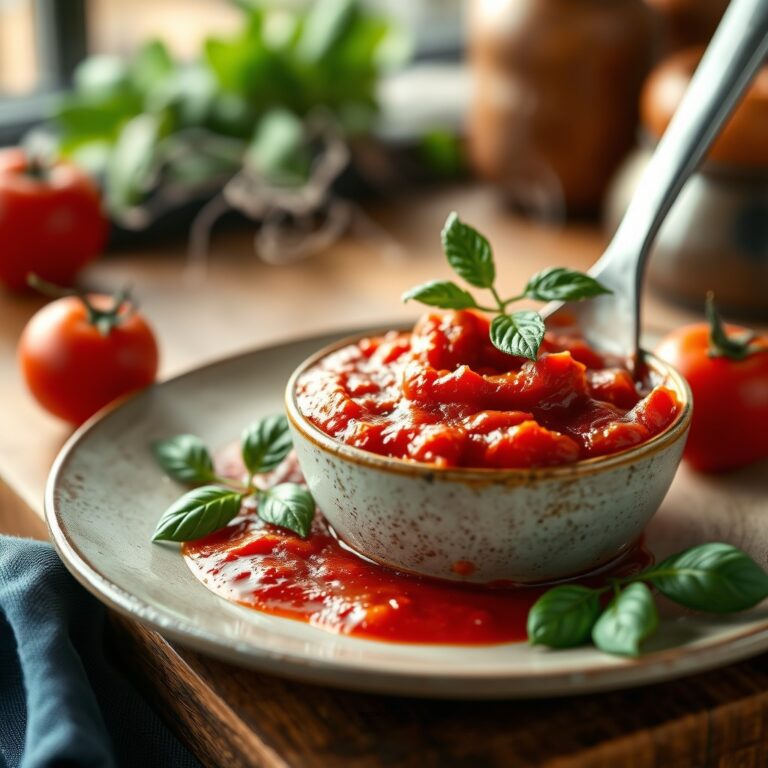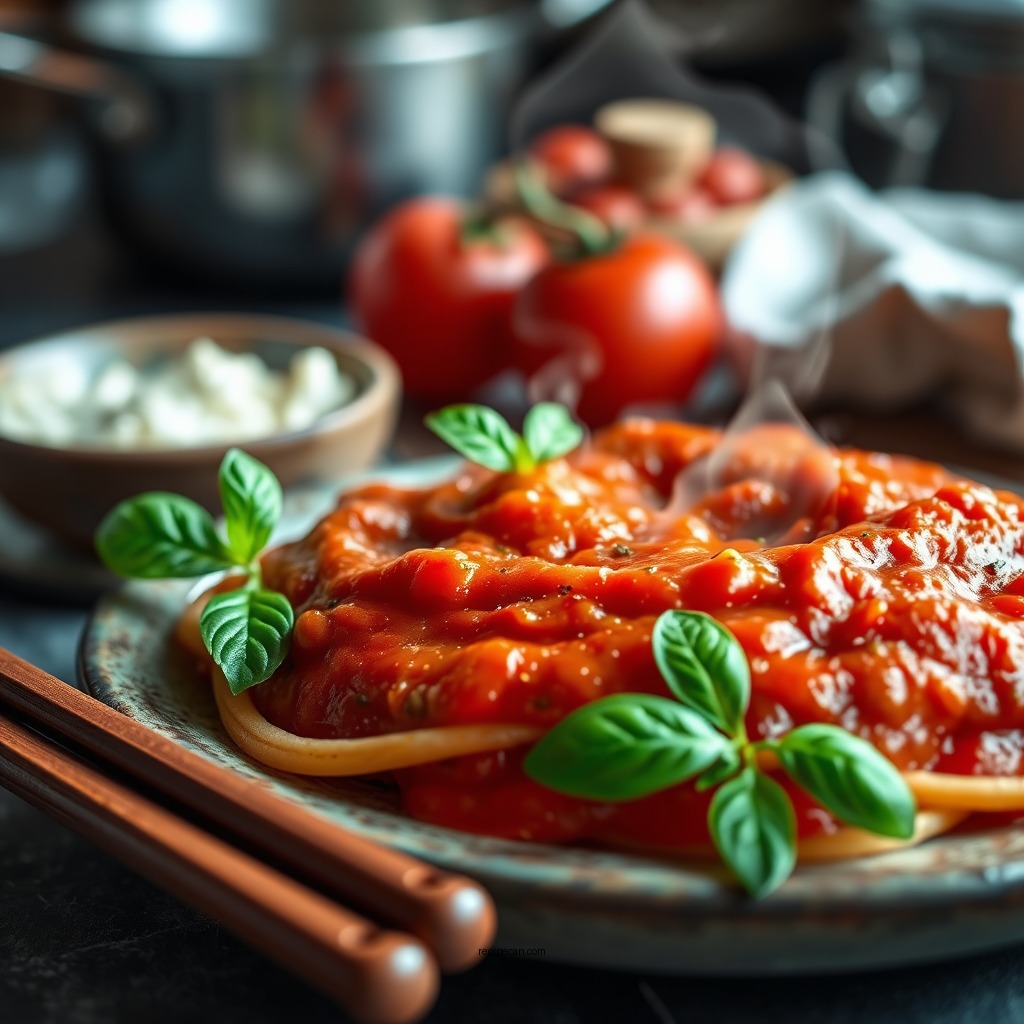
Making fresh tomato sauce is not only simple but also incredibly satisfying. With just a few basic steps, you can turn ripe tomatoes into a rich, flavorful sauce that enhances pasta, pizza, and numerous other dishes. This guide will walk you through the process of selecting the best tomatoes, preparing them, and cooking a delicious sauce that you can easily customize to your taste.
Choosing the Right Tomatoes
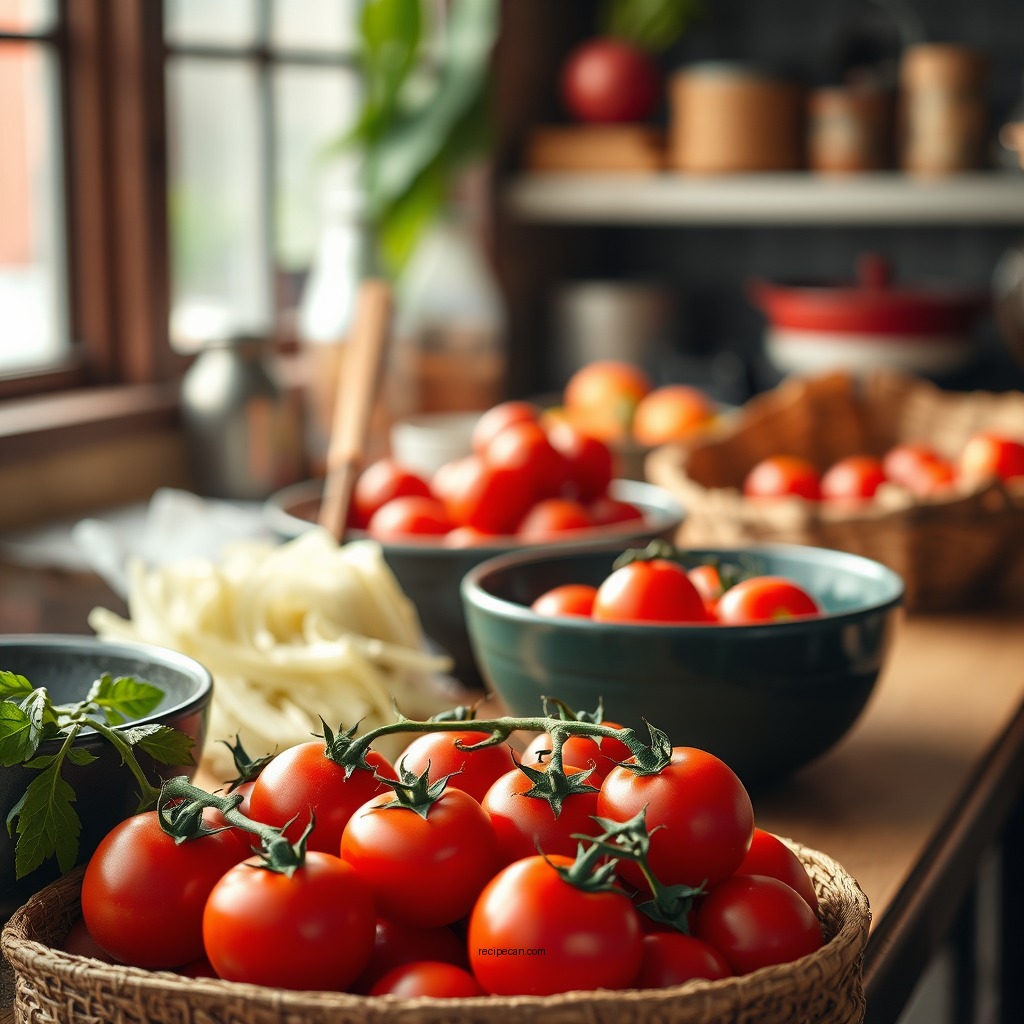
To create a sauce that bursts with flavor, the first step is selecting the right tomatoes. Varieties such as Roma and San Marzano are often recommended for their meaty texture and rich flavor profile. These tomatoes are typically in season during the summer months, making them the ideal choice for a fresh sauce.
When shopping for tomatoes, look for those that are ripe, firm to the touch, and have a slight give when pressed gently. This indicates they are juicy without being overly soft. Avoid tomatoes with blemishes, dark spots, or wrinkled skin, as these can affect the sauce’s taste and texture. Choosing in-season tomatoes not only enhances flavor but also supports local farmers and reduces your carbon footprint.
Preparing the Tomatoes
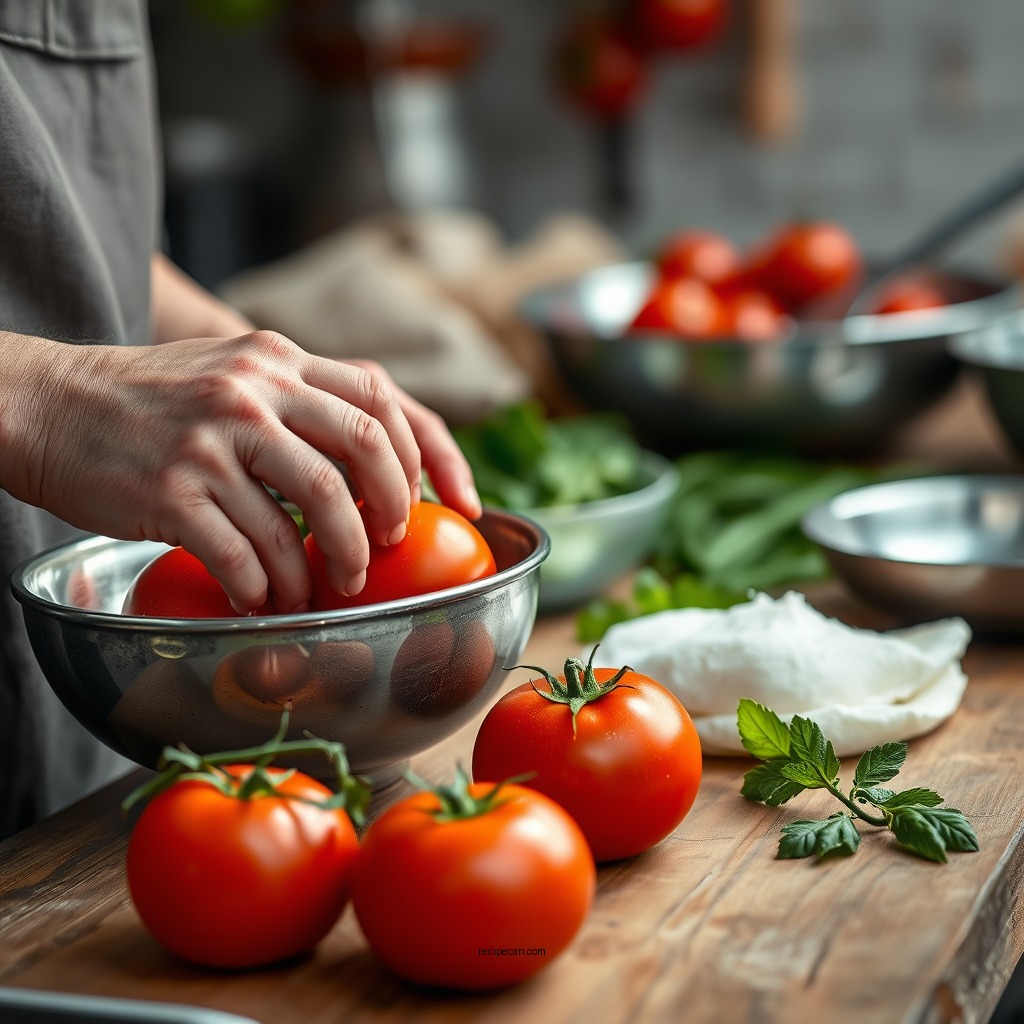
Once you have selected your tomatoes, it’s time to prepare them for cooking. Begin by washing them thoroughly under running water to remove any dirt or residues. This step is crucial, especially if you’re using tomatoes that are not organically grown.
After washing, blanch the tomatoes. Boil a large pot of water and prepare an ice bath in a separate bowl. Carefully place the tomatoes in the boiling water for about 30 seconds; this will make the skins loosen and peel off easily. Once blanched, transfer the tomatoes to the ice bath to stop the cooking process. After a few minutes, the skins will slip off effortlessly, allowing you to chop or crush the tomatoes as desired.
Cooking Techniques
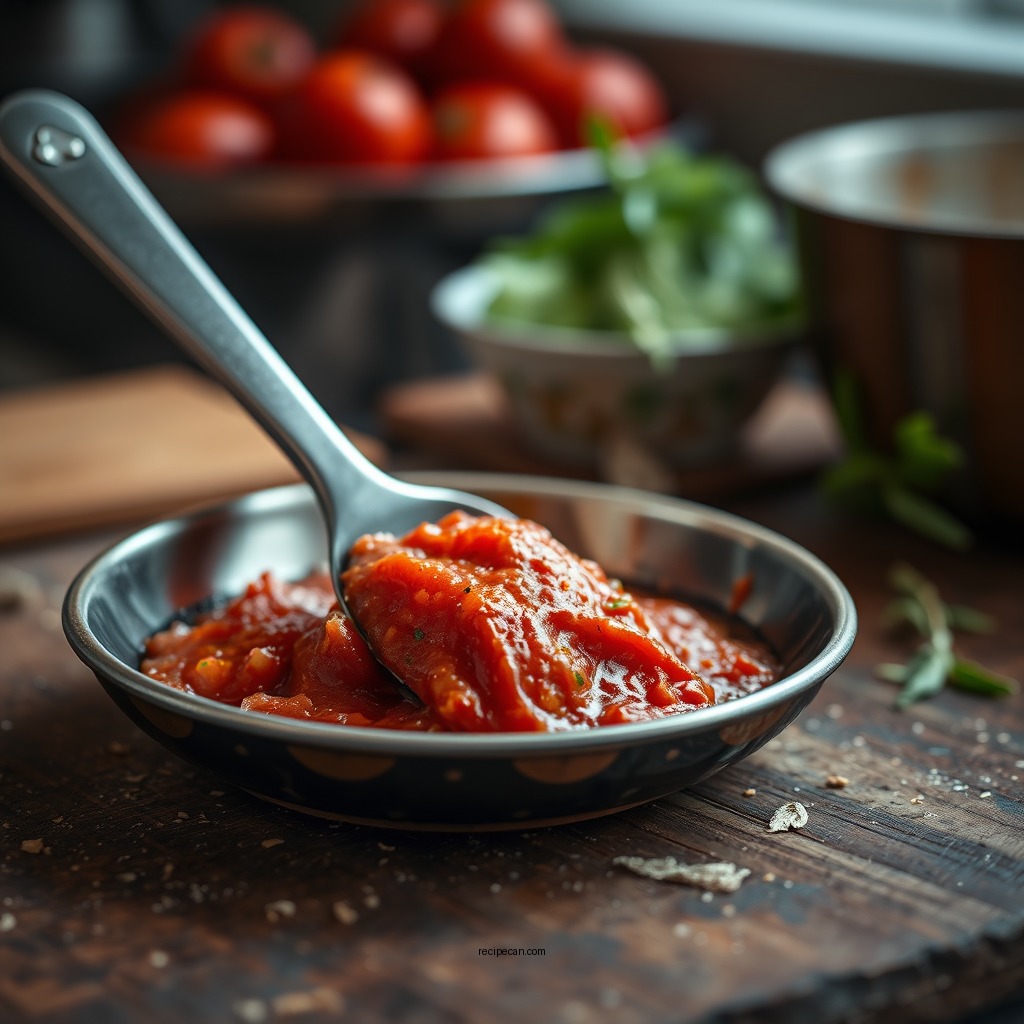
To build a robust flavor for your tomato sauce, start with a base of sautéed onions and garlic. Heat a generous amount of olive oil in a large saucepan over medium heat. Add finely chopped onions and sauté until they become translucent. This usually takes about 5-7 minutes. Then, add minced garlic and cook for an additional minute, being careful not to let it burn.
Once your aromatic base is ready, introduce your prepared tomatoes. Allow the mixture to come to a gentle simmer. Lower the heat and let the sauce simmer for at least 30 minutes. This slow cooking process is essential for developing deep, rich flavors as it allows the natural sugars in the tomatoes to caramelize and the water to evaporate, resulting in a thicker sauce.
Tomato Varieties for Sauce Making
| # | Tomato Variety | Flavor Profile | Best Use | Season |
|---|---|---|---|---|
| 1 | Roma | Rich, Sweet | Sauces, Canning | Summer |
| 2 | San Marzano | Sweet, Low Acidity | Sauces, Pizza | Summer |
| 3 | Beefsteak | Juicy, Meaty | Salsas, Salads | Summer |
| 4 | Cherry | Sweet, Tart | Salads, Garnishes | Summer |
| 5 | Campari | Balanced, Fresh | Salads, Sauces | Summer |
| 6 | Green Zebra | Tangy, Unique | Salsas, Fresh Eating | Summer |
| 7 | Plum | Sweet, Juicy | Sauces, Canning | Summer |
Seasoning the Sauce
Once your sauce has simmered and thickened, it’s time to season it to perfection. Common seasonings include salt and freshly cracked black pepper. These ingredients help to enhance the natural flavors of the tomatoes.
In addition to salt and pepper, fresh herbs play a vital role in elevating your sauce. Fresh basil and oregano are particularly popular choices. Add them towards the end of the cooking process to preserve their bright flavors. If you find the sauce too acidic, a pinch of sugar can help balance the flavors without making the sauce taste sweet.
Storage Tips
To maximize the longevity of your fresh tomato sauce, allow it to cool completely before storing. Transfer the cooled sauce to airtight containers, ensuring to remove as much air as possible to prevent spoilage. In the refrigerator, the sauce can last for up to a week. For longer storage, consider freezing the sauce. It can be stored in freezer-safe containers or freezer bags for up to six months.
When you freeze your sauce, be sure to leave some space in the container, as liquids expand when frozen. Label each container with the date to keep track of freshness.
Serving Suggestions
Fresh tomato sauce is incredibly versatile and can be paired with a variety of dishes. The most common use is as a sauce for pasta. Toss it with your favorite pasta shape, and sprinkle with freshly grated Parmesan cheese for a delightful meal.
Alternatively, use your fresh tomato sauce as a base for homemade pizzas. Spread it evenly over your dough before adding your choice of toppings. The sauce also complements grilled vegetables beautifully, enhancing their natural sweetness. For those who prefer protein, consider adding cooked ground meat or sautéed mushrooms for a heartier dish.
Variations to Try
While the classic fresh tomato sauce is delicious on its own, there are numerous variations to explore. Adding roasted vegetables like bell peppers, zucchini, or eggplant can introduce new flavors and textures. For a spicy kick, consider incorporating chili flakes or fresh chopped chili peppers.
If you enjoy a smoother sauce, blending the mixture after cooking can create a silky texture. Conversely, if you prefer a chunkier sauce, simply crush the tomatoes by hand and leave it unblended for a rustic feel. Each variation opens the door to new culinary experiences, allowing you to tailor the sauce to your personal preferences.
Tomato Sauce Flavor Development Over Time
Using fresh tomatoes to create your own sauce not only elevates your meals but also allows you to control the ingredients and flavors. With these simple steps, you can enjoy a homemade sauce that’s far superior to store-bought options. So grab those ripe tomatoes and start cooking!
Frequently Asked Questions
What are the best fresh tomatoes to use for homemade tomato sauce?
The best fresh tomatoes for making tomato sauce are Roma tomatoes, San Marzano tomatoes, and any paste tomatoes due to their low moisture content and rich flavor. These varieties yield a thicker sauce and require less cooking time, making them ideal for a delicious homemade tomato sauce.
How do I prepare fresh tomatoes for making sauce?
To prepare fresh tomatoes for sauce, first, score the bottoms with an “X” and blanch them in boiling water for about 30 seconds. This will loosen the skin, making it easy to peel off. After peeling, chop the tomatoes and remove excess seeds to ensure a smooth and flavorful tomato sauce.
Why should I make tomato sauce with fresh tomatoes instead of canned?
Making tomato sauce with fresh tomatoes allows you to control the flavor and freshness of the ingredients, resulting in a superior taste. Fresh tomatoes have vibrant flavors and nutrients that can enhance your sauce, while canned tomatoes may contain preservatives or added sugars that affect the overall quality and healthiness.
What is the best way to enhance the flavor of my tomato sauce?
To enhance the flavor of your tomato sauce, consider adding ingredients like fresh basil, garlic, onion, and a splash of red wine during cooking. Simmering your sauce for longer periods allows the flavors to meld beautifully, creating a richer and more aromatic sauce that perfectly complements pasta dishes.
Which kitchen tools do I need to make homemade tomato sauce?
To make homemade tomato sauce, you’ll need a good-quality knife for chopping, a cutting board, a pot for cooking, and a blender or food processor for pureeing. Optional tools include a food mill for a smoother sauce and a strainer if you prefer a seedless texture. Having these tools on hand will streamline the process and help you achieve the best results.
References
- Tomato sauce
https://en.wikipedia.org/wiki/Tomato_sauce - https://www.bbcgoodfood.com/recipes/tomato-sauce
https://www.bbcgoodfood.com/recipes/tomato-sauce - https://www.foodnetwork.com/recipes/articles/50-sauces/tomato-sauce
https://www.foodnetwork.com/recipes/articles/50-sauces/tomato-sauce - https://www.nytimes.com/2022/08/05/dining/tomato-sauce-recipe.html
https://www.nytimes.com/2022/08/05/dining/tomato-sauce-recipe.html - https://www.seriouseats.com/classic-tomato-sauce-recipe-5113568
https://www.seriouseats.com/classic-tomato-sauce-recipe-5113568 - https://www.theguardian.com/food/2019/jul/26/how-to-make-tomato-sauce-from-fresh-tomatoes
https://www.theguardian.com/food/2019/jul/26/how-to-make-tomato-sauce-from-fresh-tomatoes - https://www.cdc.gov/nutrition/food-safety.html
https://www.cdc.gov/nutrition/food-safety.html - Google Scholar Google Scholar
https://scholar.google.com/scholar?q=tomato+sauce+recipe+with+fresh+tomatoes - https://scholar.google.com/scholar?q=tomato+sauce+fresh+tomatoes+nutrition Google Scholar
https://scholar.google.com/scholar?q=tomato+sauce+fresh+tomatoes+nutrition - Google Scholar Google Scholar
https://scholar.google.com/scholar?q=homemade+tomato+sauce+recipe+fresh+ingredients