Fresh tomato pasta sauce is not only easy to prepare but also elevates your dishes with vibrant flavors that are hard to replicate with store-bought alternatives. In just a few simple steps, you can transform ripe, juicy tomatoes into a rich, homemade sauce that enhances any pasta meal. This guide will walk you through choosing the right tomatoes, essential ingredients, step-by-step cooking instructions, flavor enhancement tips, serving suggestions, and how to store and preserve your sauce for future use.
Choosing the Right Tomatoes
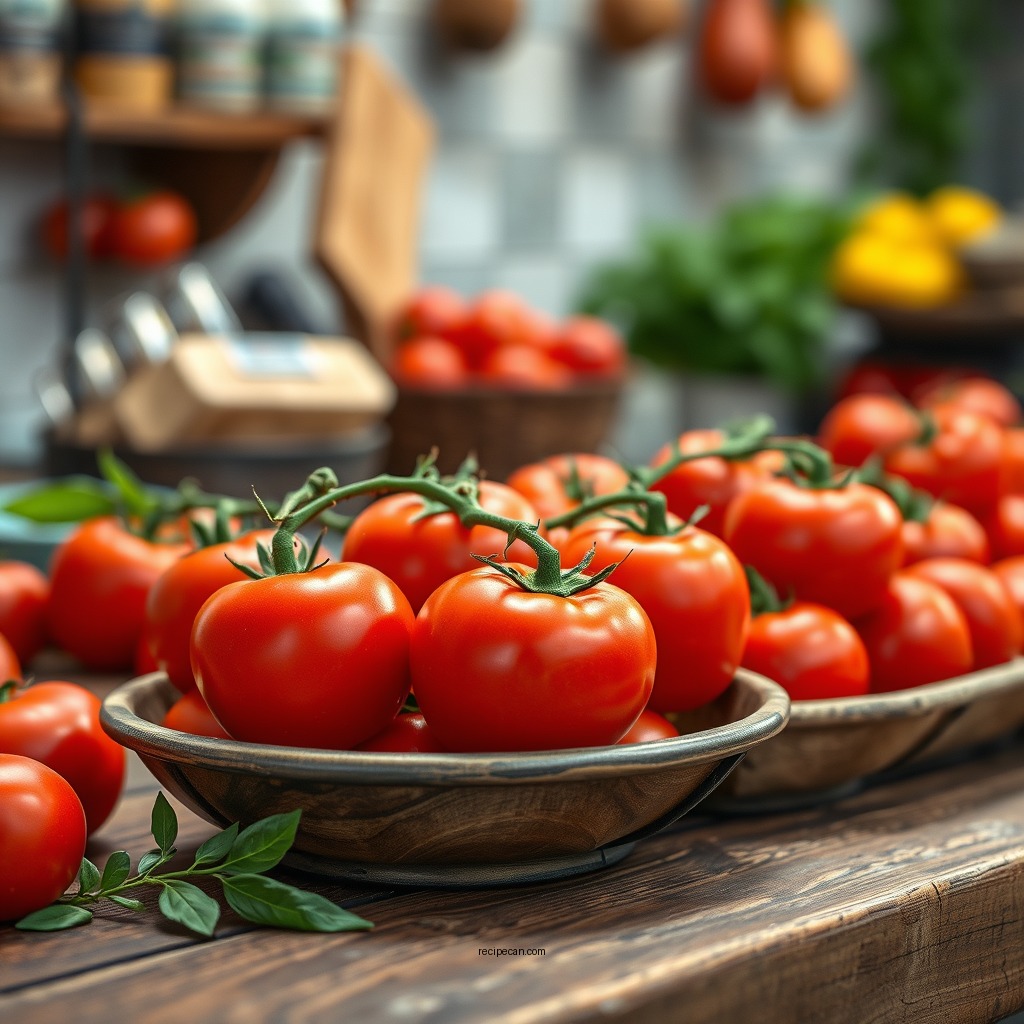
Selecting the best tomatoes is crucial for achieving a flavorful sauce. Opt for ripe, in-season tomatoes, as they are full of flavor and nutrients. Varieties such as Roma and San Marzano are particularly well-suited for sauces due to their dense flesh and low moisture content, which allows for a thicker sauce with a rich, concentrated flavor.
Consider experimenting with a mix of different tomato varieties to add depth to your sauce. For example, combining sweeter cherry tomatoes with the acidity of heirloom tomatoes can create a well-balanced flavor profile that will impress your family and friends.
Essential Ingredients for Your Sauce
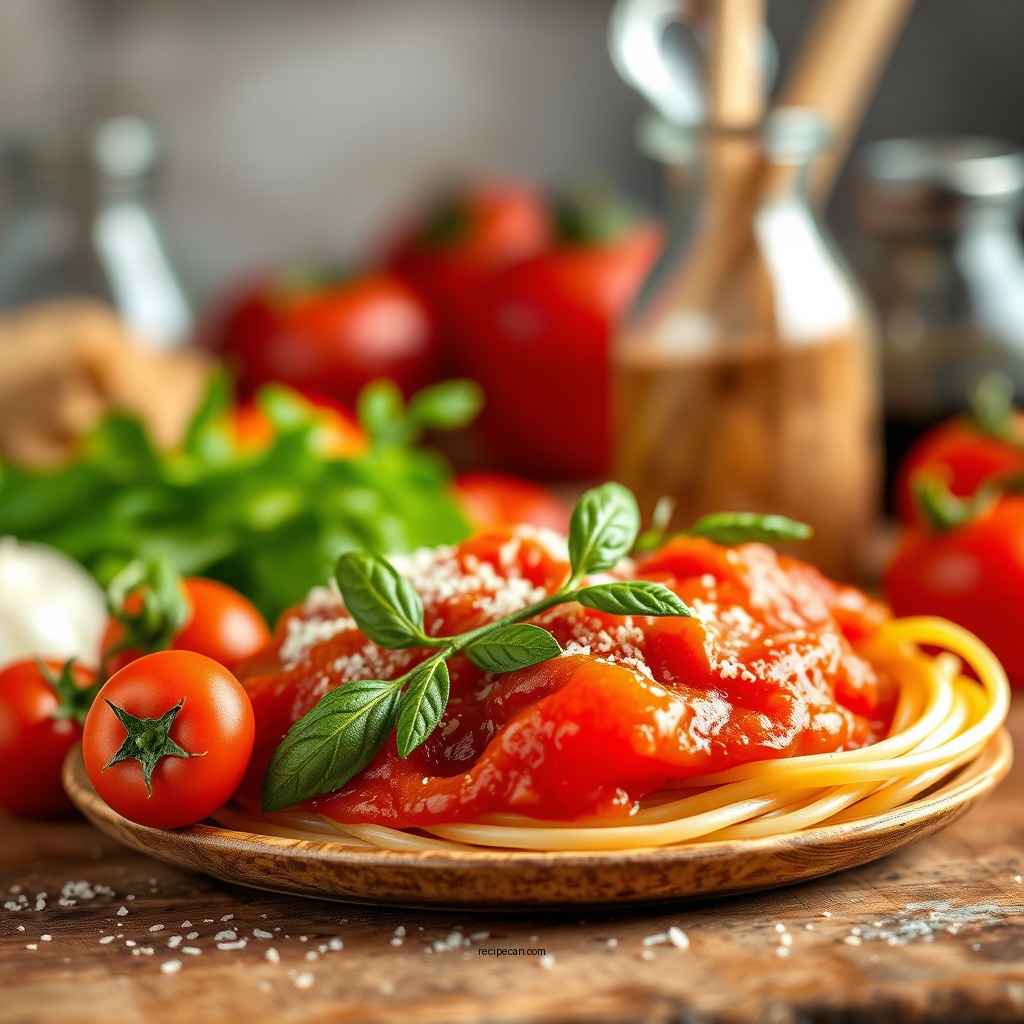
To create a delicious tomato sauce, you will need a few essential ingredients that complement the tomatoes and enhance the overall flavor. Fresh herbs are a must; basil and oregano are classic choices that provide aromatic notes and a hint of earthiness.
A splash of high-quality olive oil is essential, as it helps to sauté the garlic and brings a richness to the sauce. Additionally, a pinch of salt is vital to bring out the natural sweetness of the tomatoes and balance the flavors. You may also want to include a small amount of freshly ground black pepper for a subtle kick.
Step-by-Step Cooking Instructions
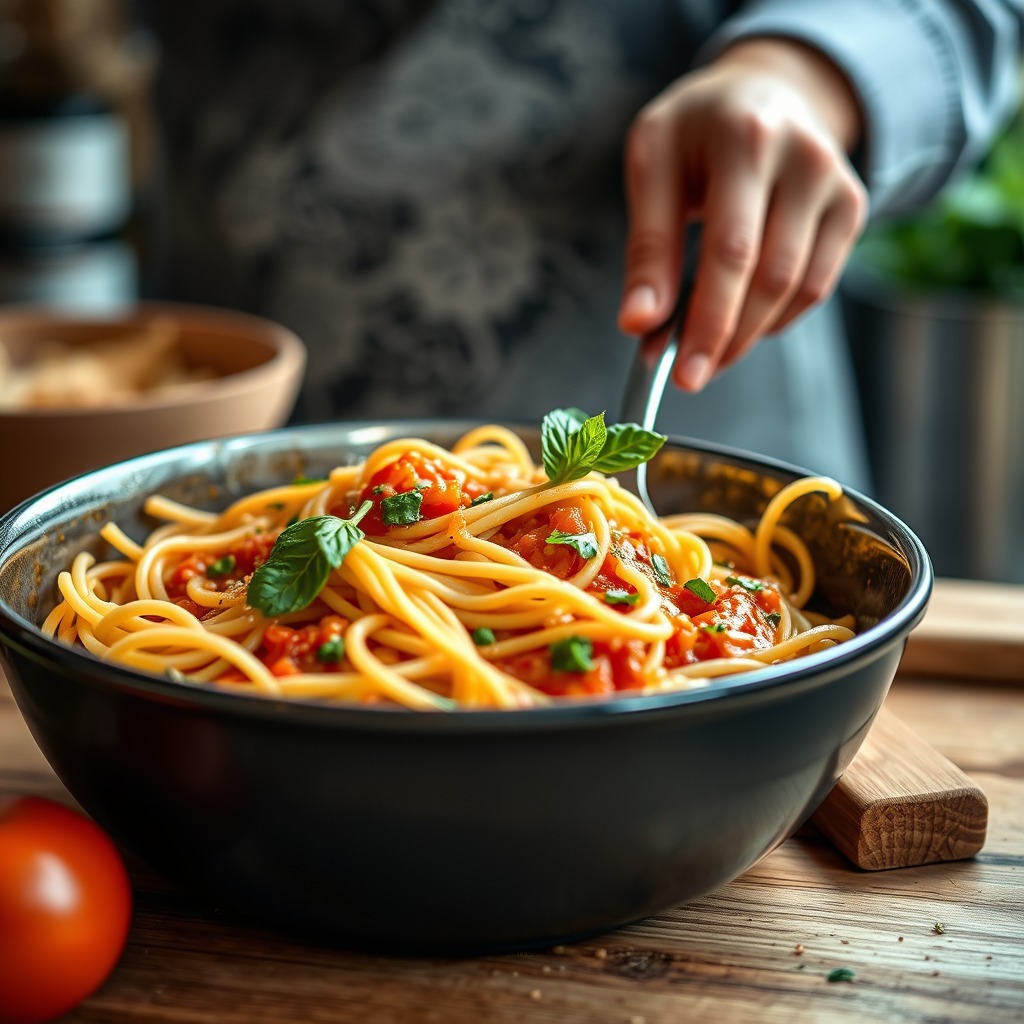
Making fresh tomato pasta sauce is a straightforward process that can be completed in under an hour. Here’s a simple guide:
1. Sauté the Aromatics: In a large saucepan, heat 2 tablespoons of olive oil over medium heat. Add 3-4 minced garlic cloves and sauté until fragrant, about 1-2 minutes. Be careful not to burn the garlic, as it can become bitter.
2. Add the Tomatoes: Chop about 2 pounds of ripe tomatoes and add them to the saucepan. Stir well to combine with the garlic and oil.
3. Simmer: Allow the mixture to simmer over low heat for approximately 30-40 minutes. This is key for developing the flavors. Stir occasionally, and if the sauce becomes too thick, add a splash of water or vegetable broth.
4. Blend (Optional): If you prefer a smoother sauce, use an immersion blender to puree the sauce to your desired consistency.
5. Season: Taste the sauce and adjust the seasoning. Add salt, freshly ground pepper, and a splash of balsamic vinegar if desired.
Now, let’s take a look at some important data regarding tomato varieties, which can help you choose the best option for your sauce.
Top 7 Tomato Varieties for Sauce Making
| # | Tomato Variety | Flavor Profile | Best Use | Water Content |
|---|---|---|---|---|
| 1 | Roma | Rich, Sweet | Sauces, Pastes | Low |
| 2 | San Marzano | Sweet, Balanced | Sauces, Soups | Low |
| 3 | Heirloom | Complex, Sweet | Fresh Eating, Sauces | Medium |
| 4 | Cherry | Sweet, Juicy | Salads, Sauces | High |
| 5 | Beefsteak | Juicy, Mild | Sandwiches, Sauces | High |
| 6 | Yellow Pear | Sweet, Fruity | Fresh Eating, Salads | Medium |
| 7 | Green Zebra | Tangy, Unique | Sauces, Fresh Eating | Medium |
Enhancing the Flavor
Once you have a base sauce, you can enhance its flavor with various ingredients. A splash of red wine not only adds depth and complexity but also pairs wonderfully with tomato sauce, enhancing its natural sweetness. Use a dry red wine, such as Chianti or Merlot, and add it after the tomatoes have begun to break down, allowing it to reduce and mingle with the sauce.
If you find that your sauce is too acidic, a pinch of sugar can help balance the flavors. This is a common trick used by chefs to counteract the natural acidity of tomatoes.
Serving Suggestions
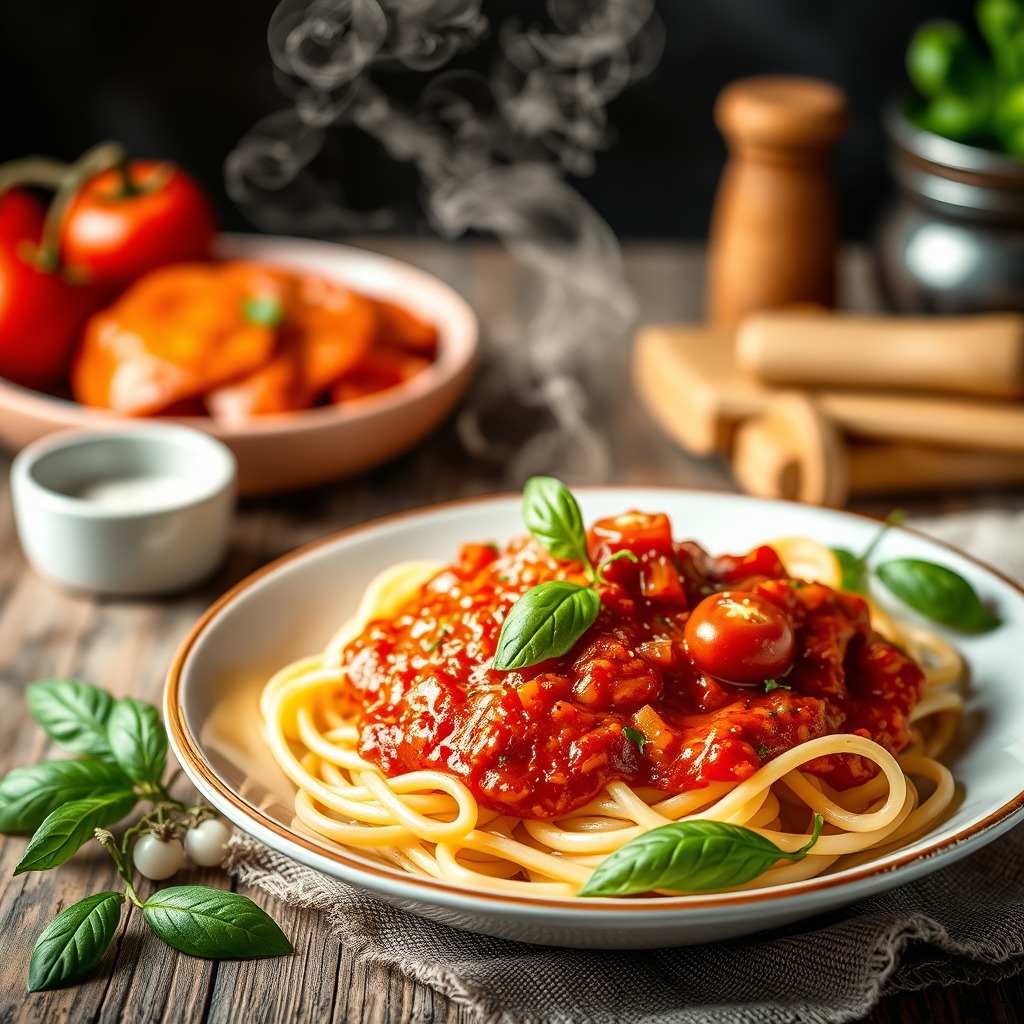
Your fresh tomato pasta sauce can be paired with a variety of pasta types to create delightful meals. Long pasta, such as spaghetti or fettuccine, allows the sauce to cling beautifully, while short pasta like penne or rigatoni is perfect for capturing the sauce in every bite.
For an added touch, top your finished dish with freshly grated Parmesan cheese and a sprinkle of chopped basil or parsley. A drizzle of extra virgin olive oil before serving can also enhance the flavor, making for a visually appealing and delicious plate.
Storing and Preserving Your Sauce
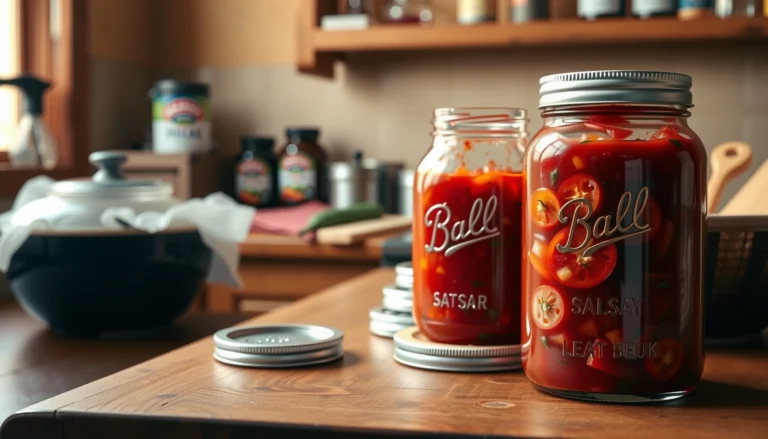
Storing your homemade tomato sauce properly will allow you to enjoy it later. After cooking, let the sauce cool completely before transferring it to an airtight container. It can be stored in the refrigerator for up to a week.
If you want to keep it longer, consider freezing portions. Use freezer-safe containers or heavy-duty freezer bags, and label them with the date. The sauce can last in the freezer for up to three months, making it a perfect solution for busy weeknights when you need a quick meal option.
Tomato Sauce Preparation Time Comparison
Crafting fresh tomato pasta sauce at home is a rewarding experience that elevates your meals. With these straightforward steps and tips, you’ll enjoy a burst of fresh flavors that store-bought sauces simply can’t match. By selecting the right tomatoes, using essential ingredients, following the cooking instructions, and enhancing the flavor, you can create a sauce that will impress anyone who tastes it. Try this recipe today and become a culinary star in your own kitchen!
Frequently Asked Questions
What ingredients do I need for a fresh tomato pasta sauce recipe?
To make a fresh tomato pasta sauce, you will need ripe tomatoes, olive oil, garlic, onion, fresh basil, salt, and pepper. For a richer flavor, consider adding red pepper flakes or a splash of balsamic vinegar. Using high-quality, in-season tomatoes will significantly enhance the overall taste of your sauce.
How long does it take to cook fresh tomato pasta sauce?
Cooking fresh tomato pasta sauce typically takes about 30 to 40 minutes. Start by sautéing garlic and onions in olive oil, then add chopped tomatoes and simmer until the sauce thickens and flavors meld together. This short cooking time preserves the fresh taste of the tomatoes while creating a delicious, vibrant sauce.
Why should I use fresh tomatoes instead of canned for pasta sauce?
Fresh tomatoes provide a brighter, more vibrant flavor compared to canned tomatoes, especially when they are in season. Using fresh ingredients also allows you to control the sauce’s texture and sweetness, making it a healthier option without preservatives. Additionally, fresh tomatoes are rich in vitamins and antioxidants, enhancing the nutritional value of your pasta dish.
What is the best type of tomato for making pasta sauce?
The best types of tomatoes for making pasta sauce are Roma tomatoes and San Marzano tomatoes due to their low water content and rich flavor. These varieties yield a thicker sauce and have fewer seeds, resulting in a smoother texture. For a more complex taste, consider blending different tomato varieties for your sauce.
Which herbs can I add to enhance my fresh tomato pasta sauce?
Besides fresh basil, you can enhance your fresh tomato pasta sauce with herbs like oregano, thyme, and parsley for added depth of flavor. Adding herbs at different stages of cooking can create a more complex taste; for instance, fresh basil should be added at the end, while dried herbs can be incorporated earlier. Experimenting with herbs can personalize your sauce to match your palate.
References
- https://en.wikipedia.org/wiki/Tomato_sauce
https://en.wikipedia.org/wiki/Tomato_sauce - https://www.foodnetwork.com/recipes/articles/50-pasta-sauces
https://www.foodnetwork.com/recipes/articles/50-pasta-sauces - https://www.seriouseats.com/tomato-sauce-recipe-5119297
https://www.seriouseats.com/tomato-sauce-recipe-5119297 - https://www.bbcgoodfood.com/recipes/tomato-sauce
https://www.bbcgoodfood.com/recipes/tomato-sauce - https://www.nytimes.com/2021/08/25/dining/tomato-sauce-recipe.html
https://www.nytimes.com/2021/08/25/dining/tomato-sauce-recipe.html - https://www.theguardian.com/food/2020/aug/19/how-to-make-tomato-sauce
https://www.theguardian.com/food/2020/aug/19/how-to-make-tomato-sauce - https://scholar.google.com/scholar?q=fresh+tomato+pasta+sauce+recipe Google Scholar
https://scholar.google.com/scholar?q=fresh+tomato+pasta+sauce+recipe - https://scholar.google.com/scholar?q=tomato+sauce+nutrition Google Scholar
https://scholar.google.com/scholar?q=tomato+sauce+nutrition - https://scholar.google.com/scholar?q=traditional+tomato+sauce+recipes Google Scholar
https://scholar.google.com/scholar?q=traditional+tomato+sauce+recipes - https://en.wikipedia.org/wiki/Special:Search?search=fresh+tomato+pasta+sauce+recipe
https://en.wikipedia.org/wiki/Special:Search?search=fresh+tomato+pasta+sauce+recipe