Creating a fresh market seafood salad is both straightforward and fulfilling. This dish seamlessly combines the vibrant flavors of the ocean with crisp, refreshing vegetables, resulting in a delightful and nutritious meal. In this guide, you’ll learn how to prepare a refreshing seafood salad that highlights the freshest ingredients, making it perfect for any occasion, whether it’s a casual lunch or an elegant dinner party.
Choosing the Right Seafood
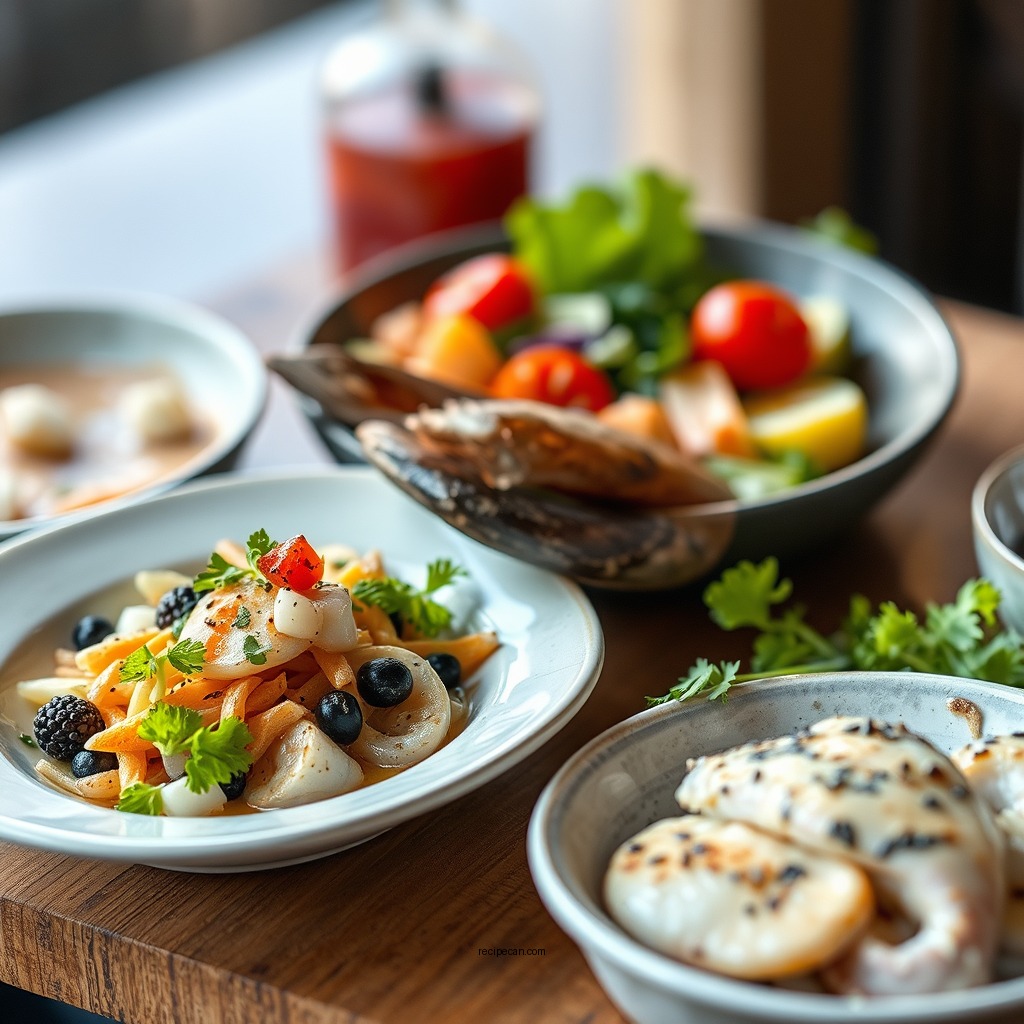
The cornerstone of an exceptional seafood salad is, undoubtedly, the quality of the seafood. When selecting seafood, it is essential to opt for fresh, high-quality options available at your local market. Popular choices include shrimp, crab, and scallops, each bringing unique flavors and textures to the dish. Fresh shrimp should have a firm texture and a mild ocean scent, while crab should be flaky and sweet. Scallops, when fresh, exhibit a sweet aroma and a glossy appearance.
Additionally, sustainability is becoming increasingly important in our seafood choices. Consider sourcing seafood that is responsibly harvested to support ecological balance and ensure the longevity of marine life. Look for certifications such as the Marine Stewardship Council (MSC) or the Aquaculture Stewardship Council (ASC) when shopping. These certifications indicate that the seafood is sourced sustainably and has minimal negative impact on the environment.
Preparing the Seafood
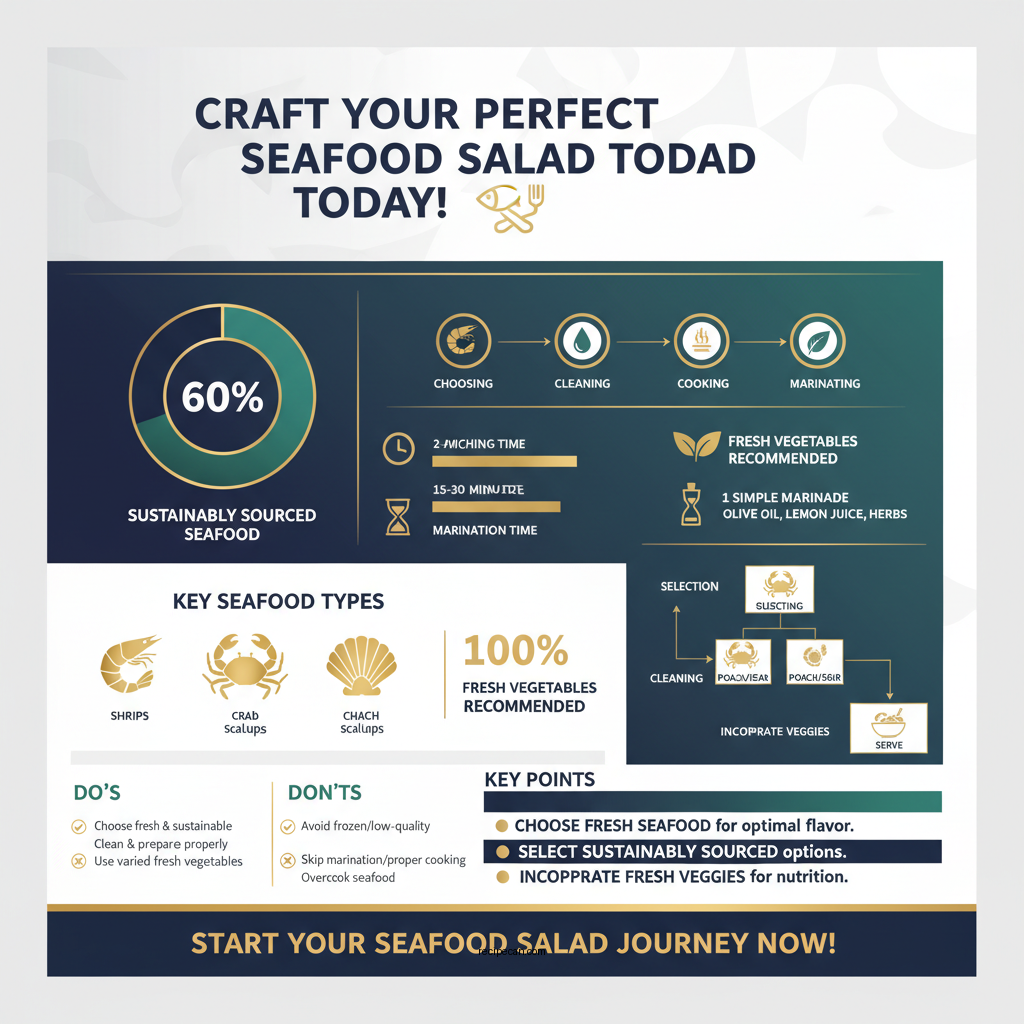
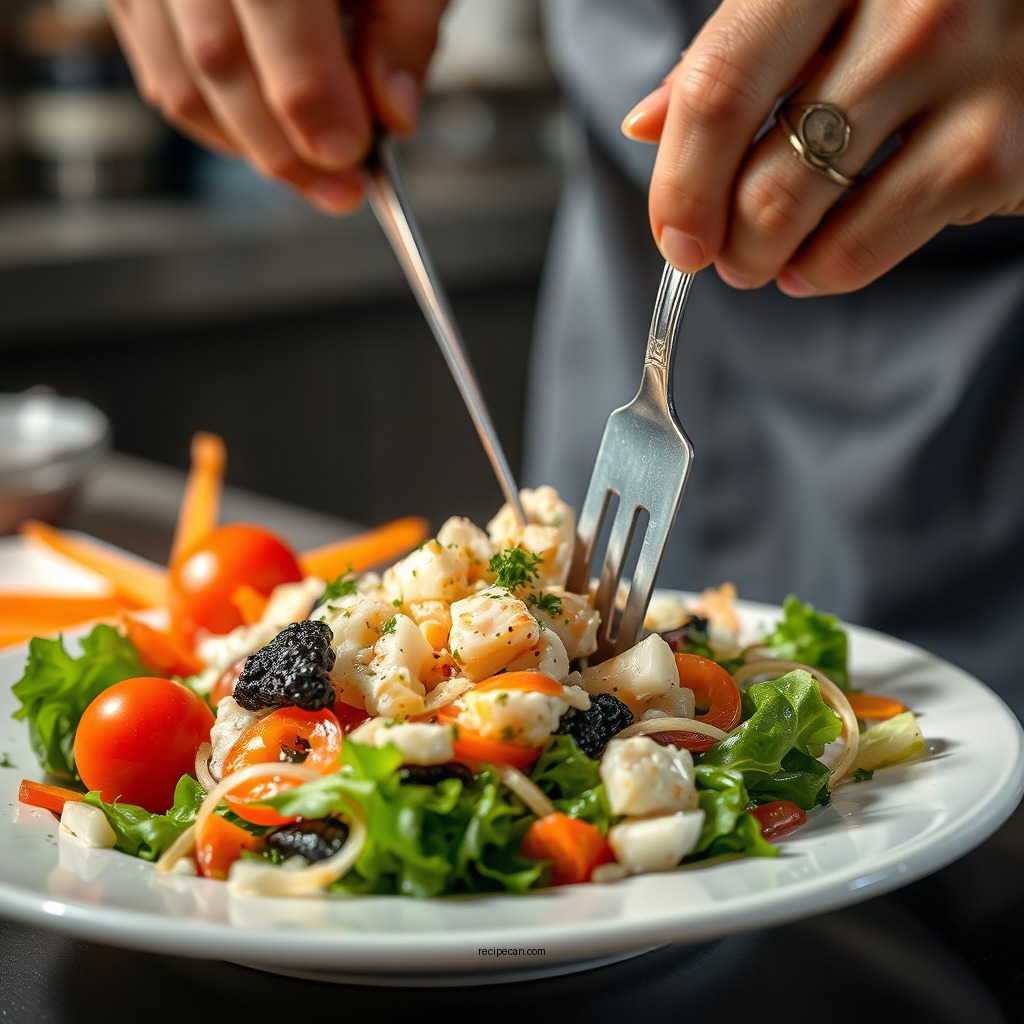
Once you have chosen your seafood, proper preparation is crucial for ensuring both flavor and safety. Begin by thoroughly cleaning your seafood. For shrimp, this means peeling and deveining them, while for scallops, a simple rinse under cold water is sufficient.
Cooking techniques also play a significant role in enhancing the natural flavors of the seafood. Poaching is an excellent method for shrimp and scallops, as it keeps them tender and juicy. To poach shrimp, bring a pot of salted water to a simmer, add the shrimp, and cook until they turn pink and opaque, usually about 2-3 minutes. For scallops, a quick sear on a grill or in a hot pan can add a delightful caramelized flavor.If you prefer grilling, marinating your seafood beforehand can add an extra layer of flavor. A simple marinade of olive oil, lemon juice, and fresh herbs can complement the seafood beautifully. Allow the seafood to marinate for 15-30 minutes before grilling; this enhances the taste while keeping the proteins moist.
Selecting Fresh Vegetables
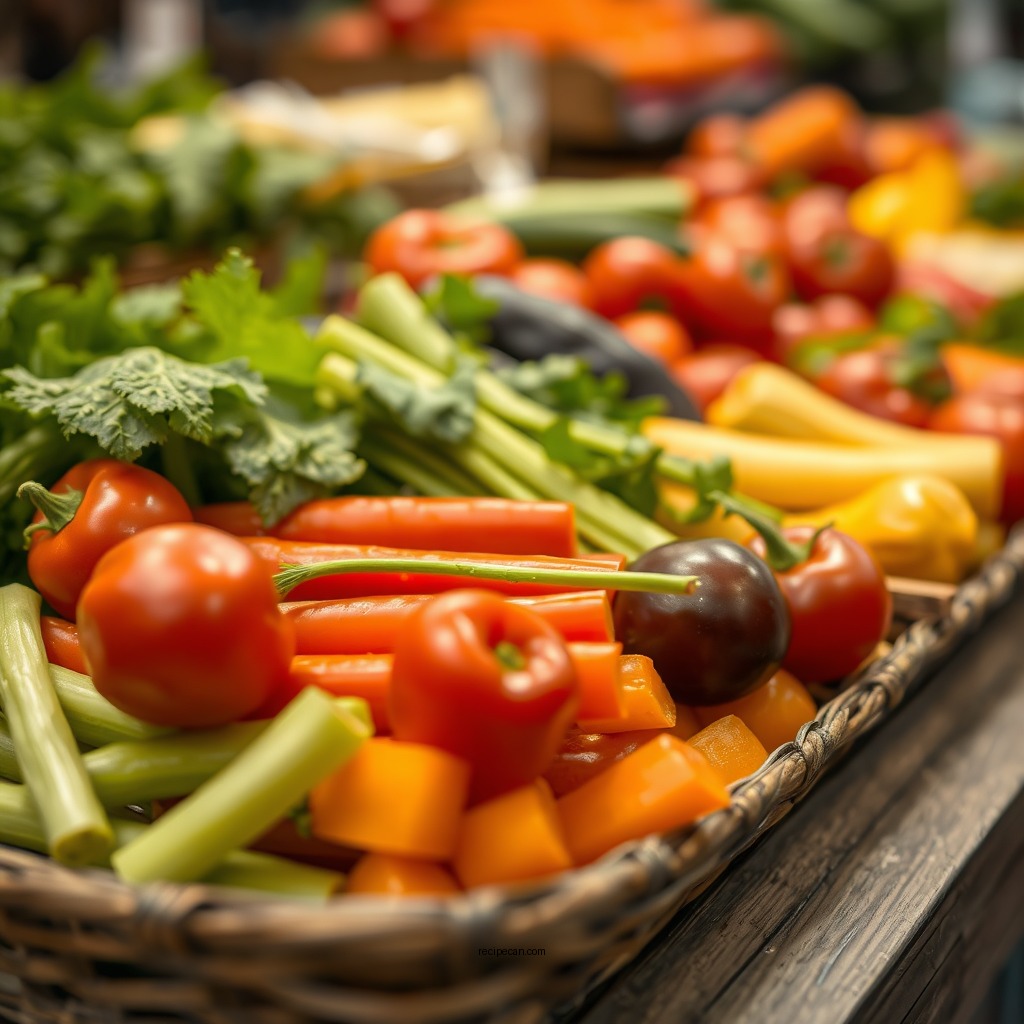
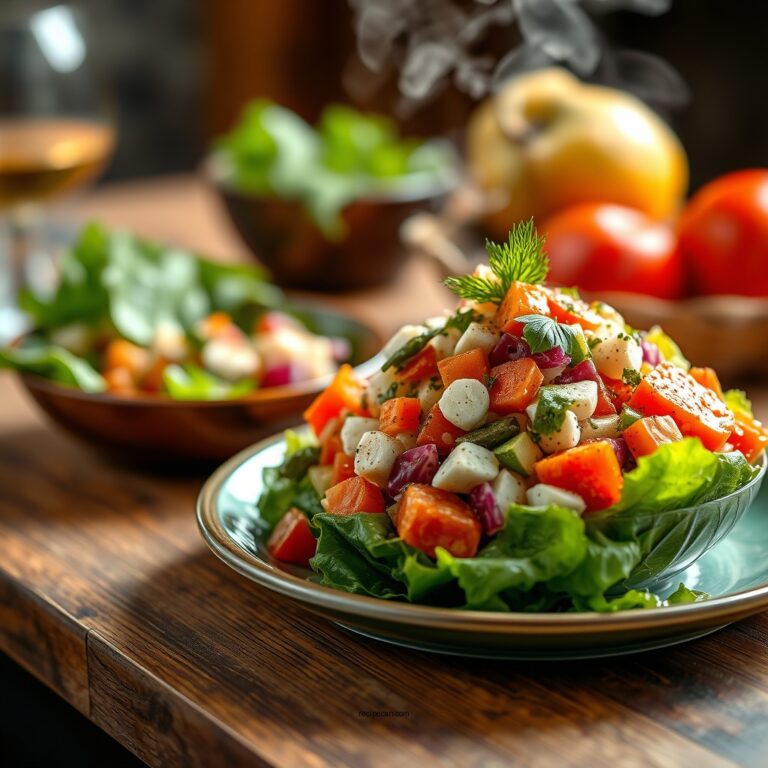
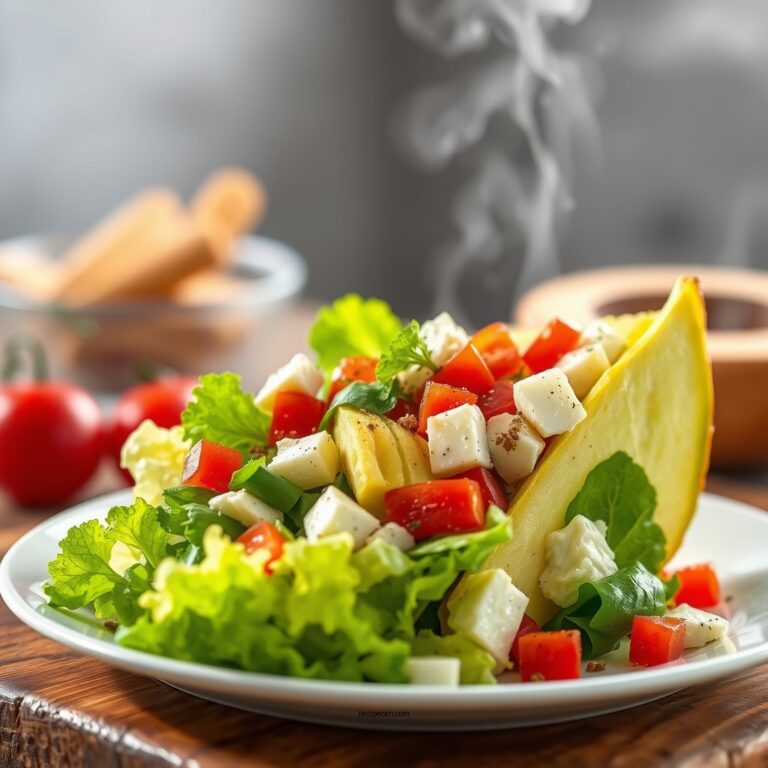
Incorporating a variety of fresh vegetables enhances both the nutritional value and visual appeal of your seafood salad. Aim for a mix of colorful produce such as bell peppers, cucumbers, and avocados. Bell peppers add a sweet crunch, cucumbers provide hydration and crispness, while avocados lend a creamy texture that balances the dish.
When selecting vegetables, consider using seasonal produce for peak flavor and freshness. Seasonal vegetables not only taste better but are often more affordable. For instance, in summer, cherry tomatoes, radishes, and fresh herbs like basil or cilantro can elevate your salad.
Here’s a quick overview of some vegetables and their seasonal availability:
| Vegetable | Season |
|——————–|——————|
| Bell Peppers | Summer to Fall |
| Cucumbers | Summer |
| Avocados | Year-round |
| Cherry Tomatoes | Summer |
| Radishes | Spring to Fall |
Making the Dressing
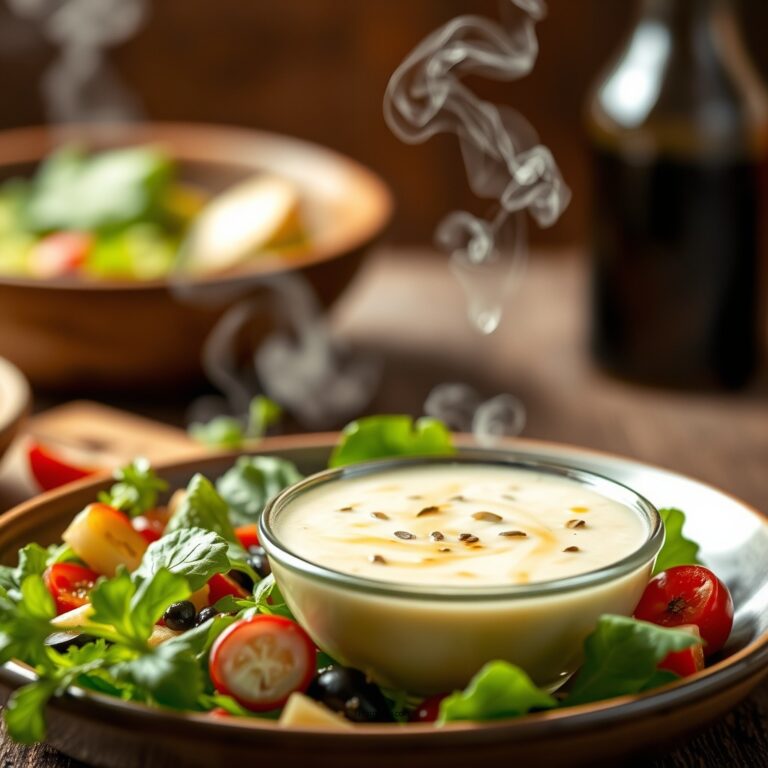
The dressing is a crucial component that ties the seafood and vegetables together, adding brightness and flavor. A light dressing made with olive oil, lemon juice, and a hint of mustard can elevate the overall taste. To make the dressing, whisk together 3 parts olive oil to 1 part lemon juice, adding a teaspoon of mustard for tanginess. Season with salt and pepper to taste.
For added depth, consider experimenting with herbs like dill or parsley, which not only enhance flavor but also add a fresh aroma. Dill pairs particularly well with seafood, while parsley adds a bright note to the dish. You can blend them into the dressing or sprinkle them over the assembled salad.
Assembling the Salad
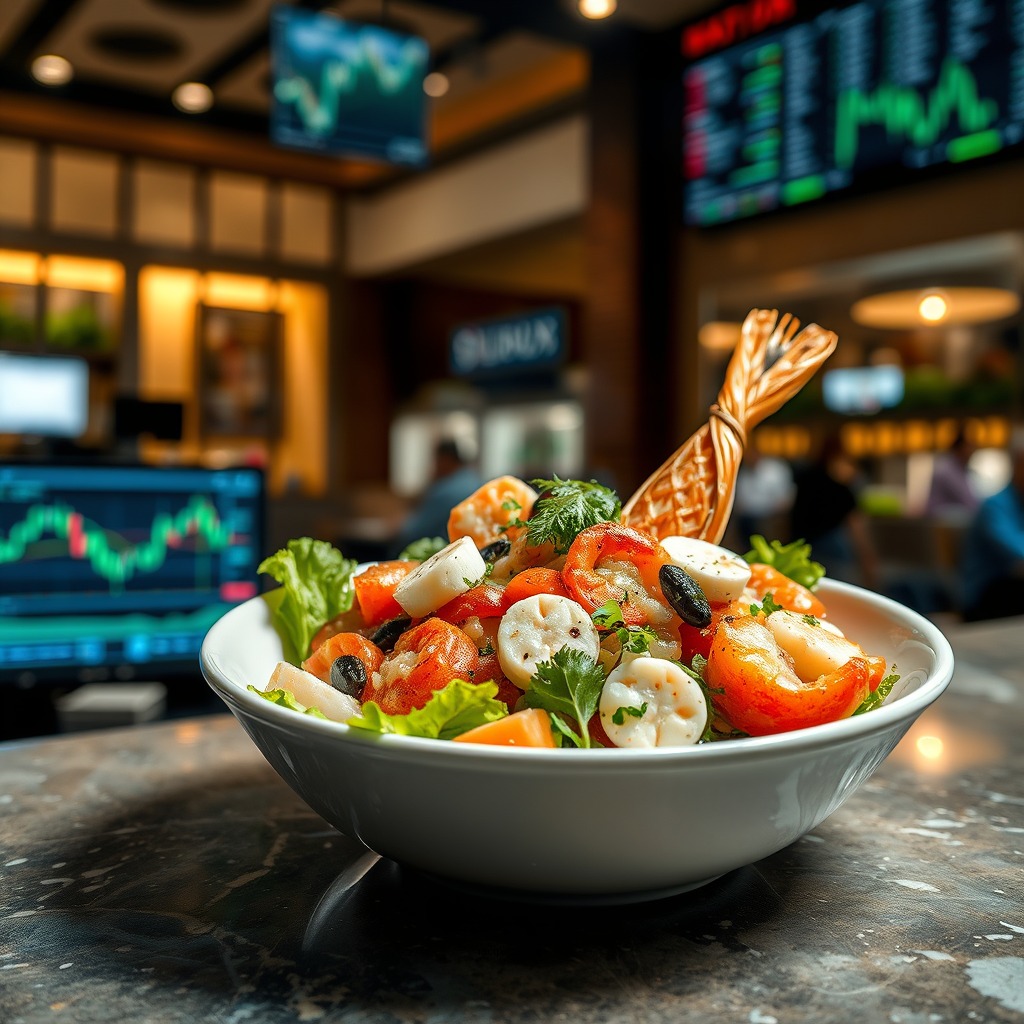
Once all components are prepared, it’s time to assemble your seafood salad. Start by combining your cooked seafood – shrimp, crab, and scallops – with the fresh vegetables in a large mixing bowl. Toss gently to avoid breaking the seafood.
Afterwards, drizzle your prepared dressing over the salad and give it a final gentle toss to ensure even distribution. This is a moment to taste and adjust; feel free to add more seasoning or herbs as desired.
📋 Data: Seafood Salad Ingredient Comparison
Top Seafood Types for Salad (2024)
| # | Seafood Type | Flavor Profile | Texture | Cooking Method |
|---|---|---|---|---|
| 1 | Shrimp | Sweet & Briny | Tender | Grilled, Poached |
| 2 | Crab | Sweet & Rich | Flaky | Steamed, Chilled |
| 3 | Scallops | Sweet & Delicate | Tender | Seared, Poached |
📈 Chart: Cooking Methods for Seafood Salad
Popular Cooking Methods for Seafood (2024)
Serving Suggestions
To truly enjoy your fresh market seafood salad, serve it chilled. A cold salad not only tastes refreshing but also enhances the overall experience, especially on warm days. Pair your salad with crusty bread or artisanal crackers, which can complement the flavors and provide a satisfying crunch. A light white wine or sparkling water with lemon can also elevate the dining experience. Consider garnishing with fresh herbs or citrus slices for a vibrant presentation.
Storing Leftovers
If you find yourself with leftover seafood salad, storing it properly is key to maintaining its freshness. Place any leftover salad in an airtight container and refrigerate it. It is best consumed within 24 hours to ensure quality and safety, as seafood can spoil quickly.
To avoid sogginess, keep the dressing separate until you’re ready to serve the leftovers. This precaution ensures that the vegetables remain crisp and the flavors intact.
Enjoy this fresh market seafood salad as a light lunch or an impressive appetizer at your next gathering. By following these steps, you’ll create a dish that not only looks beautiful but also tastes fantastic. Don’t hesitate to share your variations or favorite additions, as the possibilities are endless when it comes to crafting your perfect seafood salad.
Frequently Asked Questions
What ingredients do I need for a fresh market seafood salad recipe?
To make a delicious fresh market seafood salad, you’ll need a variety of seafood such as shrimp, crab, and scallops, along with fresh vegetables like celery, red onion, and bell peppers. Additionally, a zesty dressing made of olive oil, lemon juice, and seasonings like dill or parsley enhances the flavors. Fresh herbs and greens can also be added for an extra touch.
How do I prepare the seafood for a fresh market seafood salad?
Preparing the seafood for a fresh market seafood salad involves cleaning and cooking each type properly. For shrimp, boil them until they turn pink; for crab, use pre-cooked or lump crab meat; and for scallops, sear them briefly in a hot pan. Ensure all seafood is chilled before combining it with vegetables and dressing for the best taste and texture.
Why is it important to use fresh seafood in my seafood salad recipe?
Using fresh seafood in your seafood salad is crucial for both flavor and safety. Fresh seafood has a superior taste and texture, elevating the dish’s overall quality. Additionally, fresh seafood is less likely to harbor harmful bacteria, making it a healthier choice for your salad.
What is the best way to store leftover seafood salad?
To store leftover seafood salad, place it in an airtight container and refrigerate it immediately. It’s best consumed within 1-2 days for optimal freshness and flavor. Avoid letting it sit at room temperature for extended periods, as this can lead to spoilage.
Which types of seafood are best for a seafood salad recipe?
The best types of seafood for a seafood salad recipe include shrimp, crab, lobster, and scallops, as they provide a variety of textures and flavors. You can also consider adding mussels or clams for an extra seafood kick. Always opt for high-quality, fresh seafood to ensure your salad is both delicious and safe to eat.
References
- List of salads
https://en.wikipedia.org/wiki/Seafood_salad - https://www.ncbi.nlm.nih.gov/pmc/articles/PMC6313442/
https://www.ncbi.nlm.nih.gov/pmc/articles/PMC6313442/ - https://www.mayoclinic.org/healthy-lifestyle/nutrition-and-healthy-eating/in-depth/seafood/art-20045409
https://www.mayoclinic.org/healthy-lifestyle/nutrition-and-healthy-eating/in-depth/seafood/art-20045409 - https://www.cdc.gov/foodsafety/communication/safe-seafood.html
https://www.cdc.gov/foodsafety/communication/safe-seafood.html - https://www.fda.gov/food/food-safety-modernization-act-fsma/seafood-safety
https://www.fda.gov/food/food-safety-modernization-act-fsma/seafood-safety - https://www.sciencedirect.com/science/article/pii/S2352938516300520
https://www.sciencedirect.com/science/article/pii/S2352938516300520 - https://www.bbc.com/future/article/20200729-how-to-eat-seafood-sustainably
https://www.bbc.com/future/article/20200729-how-to-eat-seafood-sustainably - Google Scholar Google Scholar
https://scholar.google.com/scholar?q=fresh+market+seafood+salad+recipe - Google Scholar Google Scholar
https://scholar.google.com/scholar?q=seafood+nutrition+and+health - Google Scholar Google Scholar
https://scholar.google.com/scholar?q=health+benefits+of+seafood+salad