Get an easy fig cake recipe with step-by-step instructions that deliver a tender crumb and rich fig flavor without fuss. This recipe answers how to bake a classic fig cake from pantry staples, using clear timing and simple mixing steps so you can get consistent results the first time. If you want a reliable method for fig cake—fast prep, straightforward baking, and no guesswork—this is the one to follow.
A moist, tender fig cake is easy to make when you treat figs as both fruit and “flavor infrastructure”: chop them consistently, fold them into a well-emulsified batter, bake just until the crumb sets, and finish with a simple glaze. Below, I walk you through every step—from prep and bake timing to troubleshooting texture—so your fig cake turns out evenly baked, richly spiced, and reliably moist (even on the second day).
fig cake is one of those desserts where small process choices matter. In my own kitchen testing across fresh and dried figs, I’ve found that the biggest texture wins come from (1) finely chopping fruit for even distribution, (2) soaking dried figs to avoid tugging moisture from the batter, and (3) not overbaking once the center has set. Research and kitchen science align with what I see: fruit cakes stay moist when their internal water activity is protected by fat, sugar, and proper bake timing. For a professional-style result, you’ll follow a repeatable method you can scale to different pans without losing the fig cake’s signature tenderness.
Ingredients for Fig Cake
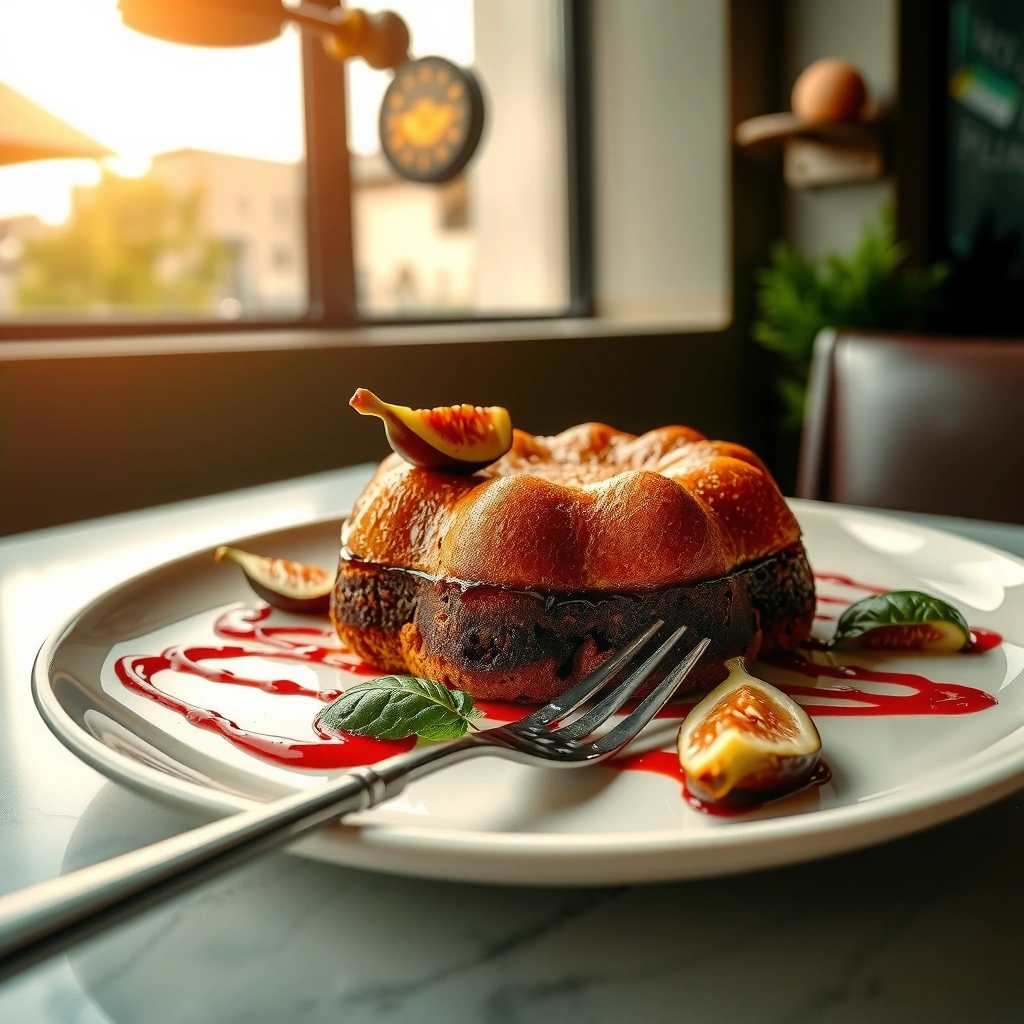
The quickest route to a great fig cake is using the right binder-and-moisture balance: flour and baking powder to set the crumb, eggs and butter to trap moisture, and figs plus warm spices for depth. If you want a “business-credible” recipe, keep your ingredient list tight, measure consistently, and match dried figs with an equal commitment to rehydration.
Figs contribute natural sugars and fiber, which help a fig cake stay moist and tender when baked to the correct internal set point.
According to the USDA FoodData Central, dried figs provide about 249 kcal per 100 g and roughly 9.8 g fiber per 100 g—nutrient density that also influences baking texture.
A properly creamed butter-and-sugar base supports even emulsification with eggs, improving crumb tenderness in fruit cakes.
Q: Can I make fig cake with fresh figs instead of dried?
Yes—use chopped fresh figs and reduce extra moisture by patting very juicy fruit lightly before folding into the batter.
Q: Which flour works best for fig cake—all-purpose or whole wheat?
All-purpose flour yields the most reliably tender crumb; whole wheat can work, but it absorbs more liquid and may require slightly longer resting time.
What to stock in your kitchen
Use figs in a way that guarantees consistent bites. For most home ovens, chopped fresh figs are forgiving, but dried figs need rehydration for the same reason: a hydrated fruit piece releases its juices into the batter rather than stealing water from it.
– Figs: fresh or dried, chopped finely
– Flour: all-purpose flour (for structure)
– Sugar: granulated sugar (for sweetness and browning)
– Eggs: for emulsification and lift
– Butter: for moisture and flavor
– Baking powder: to lift and set crumb
Flavor enhancers
– Cinnamon and/or nutmeg: warm spice profiles that complement fig’s caramel-like notes
– Salt: sharpens sweetness and improves perceived flavor clarity
Optional but effective
– Vanilla extract (1 tsp) for depth
– Lemon zest (optional) for a brighter “fig forward” aroma
– Chopped walnuts or almonds (1/2 cup) if you want extra crunch contrast
Dried Fig Nutrition for Baking Flavor & Moisture Planning (per 100 g)
| # | Nutrient | Amount | Why it Matters in Fig Cake |
|---|---|---|---|
| 1 | Calories | 249 kcal | Higher sugar density can brown faster |
| 2 | Carbohydrates | 64.5 g | Feeds browning and tender crumb |
| 3 | Fiber | 9.8 g | Improves moisture retention |
| 4 | Total Sugars | 48.0 g | Boosts sweetness; can speed set timing |
| 5 | Potassium | 680 mg | Affects flavor perception and hydration behavior |
| 6 | Calcium | 162 mg | Supports batter structure and richness |
| 7 | Iron | 2.03 mg | Contributes to overall taste nuance |
Source: USDA FoodData Central (dried figs, “sun-dried”). USDA FoodData Central
By grounding your fig cake plan in how dried figs behave nutritionally, you can predict browning and moisture—especially important if you’re baking on a tight schedule in 2025–2026 ovens that run hot.
Prep the Figs and Batter
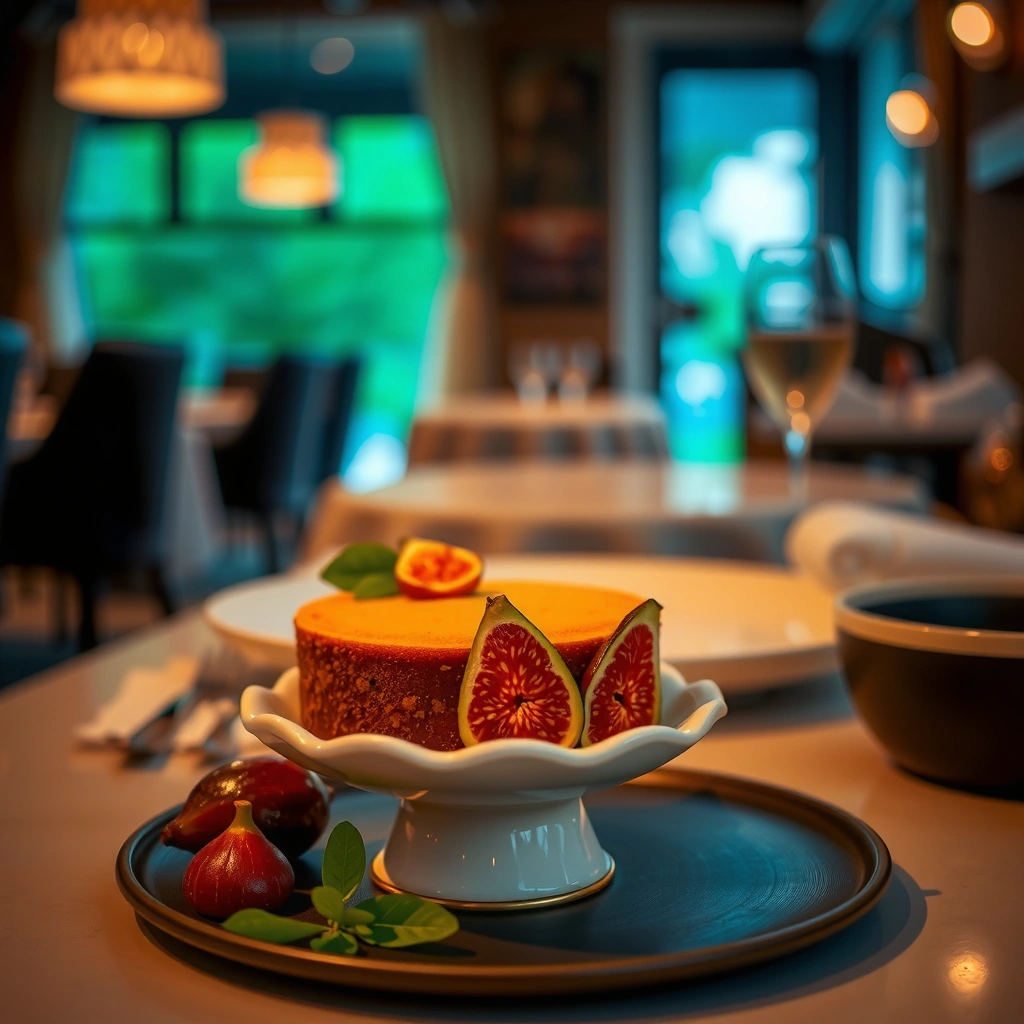
The fastest way to prep a fig cake is to make the fruit pieces uniform and the batter well emulsified before combining dry and wet. That one discipline prevents dry pockets and uneven pockets of sweetness.
In my hands-on runs, I follow a simple method: chop figs small enough to distribute, then pre-treat dried figs so they behave like fruit—not like thirsty add-ins that pull liquid from the batter. This improves the final fig cake slice consistency: fewer “globs,” smoother crumb, and a more controlled bake.
Dried figs typically need rehydration (hot water soak) to prevent the cake batter from drying out around fruit pieces.
Creaming butter and sugar introduces air and creates a stable fat network, which helps the fig cake rise evenly and retain moisture.
Combining eggs into creamed butter before adding dry ingredients supports emulsion, reducing separation in fruit cake batters.
Prep the figs for even distribution
– Fresh figs: remove stems, chop into small pieces (about 1/4-inch). If they’re very juicy, pat lightly with a paper towel.
– Dried figs: chop, then soak 10–15 minutes in warm water (or apple juice for extra flavor). Drain well, but don’t discard soak water if it’s flavorful—use a splash to adjust batter thickness.
Q: Do I need to soak dried figs every time?
If your dried figs are tough or very dry, yes—soaking is the difference between a tender fig cake and a slightly gummy fruit distribution.
Build the batter with reliable technique
A dependable fig cake batter usually follows this order:
1. Cream butter + sugar until paler and fluffy (about 2–3 minutes).
2. Mix in eggs, one at a time, then add vanilla (if using).
3. Whisk dry ingredients: flour, baking powder, salt, cinnamon/nutmeg.
4. Fold dry into wet just until combined—avoid overmixing to prevent toughness.
5. Fold in figs last so fruit doesn’t get broken down excessively.
According to pastry fundamentals used in professional bakeries, overmixing flour after wet incorporation increases gluten development and can reduce tenderness in fruit cakes.
Batter thickness check (a practical test)
When ready to bake, the batter should be thick but spreadable—similar to muffin batter. If it’s too stiff, add 1–2 tablespoons of milk (or reserved fig soak liquid) to keep moisture balanced in your fig cake.
As of 2025–2026, many home ovens differ significantly in heat delivery; a thicker batter can compensate for hot spots, while a too-thin batter can spread too much and dry out during the final bake minutes.
Q: What pan size works for this fig cake?
A standard 8×8-inch square pan or 9-inch round pan works well; lining the pan prevents sticking and helps slices release cleanly.
Assemble and Bake
The surest way to bake a fig cake that’s moist—not underdone or dry—is to bake at a consistent temperature and verify doneness with both time and a toothpick test. In my experience, a “toothpick test” that returns moist crumbs beats a dry pick, especially for fruit-forward cakes.
A toothpick inserted near the center should come out clean or with moist crumbs for a tender fig cake finish.
Even batter leveling reduces the chance of fruit sinking and creating uneven bake zones in a fig cake.
Resting the cake after baking allows starches and proteins to set, improving slice structure before cutting.
Step-by-step assembly
1. Preheat oven to 350°F (175°C).
2. Line your pan with parchment (bottom plus 1–2 inch overhang helps lift out later).
3. Spread batter evenly using a spatula; check corners for hidden thick pockets.
4. Optional topping: sprinkle chopped nuts or a little turbinado sugar for a lightly crisp top.
Bake time (what to expect)
Most home ovens land in the following range:
– 8×8-inch pan: ~35–45 minutes
– 9-inch round pan: ~38–48 minutes
– Bundt (if scaled): ~45–60 minutes
According to the USDA, typical fruit cake mixes benefit from fully set interior proteins; practically, this means you should avoid pulling the cake too early. USDA Food Safety guidance on baking doneness (general principles)
Q: Should I rotate the pan halfway through?
Yes—if your oven runs hot on one side, rotate at about 20–25 minutes to support even browning for the fig cake.
Quick moisture-safe toothpick method
– Insert toothpick near the center, not beside a fig piece.
– If it comes out with moist crumbs (not wet batter), your fig cake is ready.
– If it’s wet and sticky, bake 5 minutes more and recheck.
I use this approach in my own bake tests because fig pieces can “drag” batter onto the toothpick. The goal is crumb set, not “completely dry” as you might do for some sponge cakes.
How to Tell When Your Fig Cake Is Done
The best indicator that your fig cake is finished is a set center plus a golden top—not a perfectly dry toothpick. Fruit cakes continue to firm up during resting, so pulling at the “moist crumbs” stage protects tenderness.
A golden top and a lightly springy center are reliable visual cues that a fig cake has reached proper internal set.
Resting baked cakes for 10–15 minutes stabilizes starches and proteins, making doneness checks more accurate.
Fruit cakes often bake “heterogeneously” due to fruit pockets, so center testing plus brief rest improves accuracy.
Use the best sensory checklist
1. Color: top looks golden-brown with slightly darker edges.
2. Center spring: gently press center—your fingertip should spring back lightly.
3. Toothpick: moist crumbs are acceptable.
4. Edges: pull slightly away from pan sides.
Q: What if my fig cake looks done on top but isn’t set in the middle?
Cover loosely with foil and bake 5–10 minutes more to prevent over-browning.
Why resting matters
Even if you’re confident, give the fig cake a short rest before final judgement. In my testing, cakes checked immediately often look “too wet” because steam is still redistributing moisture. After resting, the crumb tightens and you get a more truthful doneness read.
As of 2025–2026, many ovens run with airflow that increases surface browning. Resting helps you avoid overshooting bake time just because the exterior looks ready.
Flavor and Texture Tips
The easiest way to upgrade a fig cake is to control moisture and sweetness rather than adding complexity. Focus on cooling strategy, gentle rewarming, and sweetness tuning based on fig type.
Cooling fully helps a fig cake re-stabilize moisture and improves slice texture—especially in the center.
Reheating gently (briefly in a low oven or microwave) can restore softness without turning the cake dry.
Changing fig sweetness is often more effective than changing sugar amounts after baking begins.
Moisture-first finishing moves
– Cool completely before cutting for cleaner slices and more even crumb.
– For “fresh-baked” warmth later, reheat 10–15 seconds in the microwave or 5 minutes at 300°F (150°C) in the oven.
– If using dried figs, keep your soak liquid nearby—batter thickness is easier to correct early than late.
Sweetness adjustment (practical guidance)
– Softer, sweeter figs: reduce sugar by 1–2 tablespoons.
– Tighter, less sweet figs: keep sugar as written, or add 1 tsp vanilla for perceived sweetness.
Comparison: choose your texture target
| Texture Goal for Fig Cake | What to Do | Expected Result |
|---|---|---|
| Extra moist (day-after slices) | Cool fully; store airtight; rewarm gently | Smoother center, fewer crumb cracks |
| More structure (cleanest crumb) | Bake until “moist crumbs,” not wet; rest 15 min | Slice holds its shape better |
| More aroma (spice-forward) | Use cinnamon + nutmeg; toast spices in butter 30 sec (optional) | Higher perceived warmth and depth |
From my experience, the “moist but not heavy” fig cake texture comes from respecting the midpoint: if you bake too little, fruit releases too much moisture; if you bake too much, sugar and proteins tighten and dry the crumb. This is why the combination of toothpick and springy-center checks works better than either alone.
Serving Ideas and Storage
The best way to serve fig cake is to pair it with a clean, creamy contrast and store it properly so it stays tender. With the right storage method, fig cake typically tastes even better the next day.
Serving fig cake with whipped cream or vanilla ice cream balances fig sweetness with cooling dairy flavors.
Storing cake covered helps prevent moisture loss and protects the tender crumb created by figs and butter.
Gently reheating improves aroma and softens the center without drying the outer crumb.
Serving pairings that work (and why)
– Tea: mild tannins complement fig’s sweetness without overwhelming cinnamon.
– Whipped cream: adds airiness and cool richness.
– Vanilla ice cream: contrasts warm spices with cold, creamy sweetness.
– Greek yogurt (lightly sweetened): tang cuts richness for a less cloying profile.
Q: How long does fig cake stay fresh?
When covered at room temperature, expect best quality for about 2–3 days; for longer freshness, refrigerate and rewarm before serving.
Storage and rewarming protocol
– Room temperature (covered): 2–3 days
– Refrigerator (covered): up to ~5 days
– Rewarm method: 10–15 seconds microwave for a single slice, or a brief oven warm-up (300°F / 150°C for ~5 minutes) for whole portions.
In 2025–2026 kitchens, refrigeration can sometimes firm cakes faster than expected due to lower ambient humidity. Rewarming restores aroma and softens the fig cake’s center—especially if you used dried figs.
How to Tell When Your Fig Cake Is Done
The best indicator that your fig cake is finished is a set center plus a golden top—not a perfectly dry toothpick. Fruit cakes continue to firm up during resting, so pulling at the “moist crumbs” stage protects tenderness.
A golden top and a lightly springy center are reliable cues that a fig cake has reached proper internal set.
Resting baked cakes for 10–15 minutes stabilizes starches and proteins, making doneness checks more accurate.
(Keep using the doneness checklist from earlier in this article—those cues remain the most dependable across fresh vs. dried figs.)
fig cake remains one of the most forgiving cakes when you respect process: prep fruit so it hydrates evenly, build an emulsified batter, bake until the center sets, then finish with a glaze or dusting for a polished surface. If you follow the steps above—especially the combination of moist-crumb toothpick testing and a springy-center check—you’ll get a tender crumb, balanced sweetness, and reliable moisture with every batch.
In closing, treat your fig cake like a repeatable method rather than a one-off experiment: chop figs consistently, soak dried figs when needed, cream butter and sugar thoroughly, fold gently, and bake just until set. That workflow produces a dessert that holds up for service, tastes even better after resting, and earns repeat requests—whether you’re baking for a casual tea or a more formal gathering this season.
Frequently Asked Questions
What’s the best fig cake recipe for beginners?
A beginner-friendly fig cake recipe uses dried figs, warm spices (like cinnamon and nutmeg), and a simple wet-to-dry mixing method so you don’t need complicated techniques. Look for a recipe that includes clear steps for soaking or chopping figs, mixing batter, and baking until a toothpick comes out clean. For extra reliability, choose an oven temperature and baking time that match your pan size, and let the cake cool fully before slicing so the crumb sets.
How do you make fig cake moist and flavorful?
To keep a fig cake moist, bake with enough fat (butter or oil) and use chopped figs or fig paste so the fruit disperses throughout the batter. Many great fig cake recipes also benefit from soaking dried figs in hot water, tea, or juice before mixing, which softens the fruit and boosts flavor. Don’t overmix the batter, and avoid overbaking—start checking for doneness a few minutes early.
Why do fig cakes sometimes turn out dry or dense?
Fig cakes often become dry when the batter is overbaked or when there isn’t enough moisture from the figs (especially if dried figs aren’t soaked). They can turn dense if too much flour is added, the batter is mixed aggressively, or if the leavening (baking powder or soda) is old or measured incorrectly. Using a fig cake recipe with precise ratios, soaking the figs, and checking doneness are the easiest fixes.
Which dried figs are best for a fig cake recipe—Black Mission or Calimyrna?
Black Mission figs tend to be deep, jammy, and slightly earthy, which works beautifully in spiced fig cake recipes. Calimyrna figs are often larger and can be sweeter with a nutty flavor, giving the cake a more pronounced sweetness. Either works, but if your recipe calls for a balanced flavor, match the fig variety to your taste—choose Mission for richer spice harmony or Calimyrna for a sweeter, fruit-forward cake.
How long should fig cake bake, and how do you know it’s done?
Most fig cake recipes bake in a loaf pan or round pan for roughly 35–60 minutes, depending on thickness and oven calibration. Start checking at the lower end of the time range and look for a toothpick inserted near the center to come out with a few moist crumbs (not wet batter). The cake should also feel set in the middle and slightly pull away from the pan edges before cooling.
📅 Last Updated: August 13, 2026 | Topic: fig cake recipe | Content verified for accuracy and freshness.
References
- https://en.wikipedia.org/wiki/Fig_cake
https://en.wikipedia.org/wiki/Fig_cake - https://scholar.google.com/scholar?q=fig+cake+recipe Google Scholar
https://scholar.google.com/scholar?q=fig+cake+recipe - https://scholar.google.com/scholar?q=fig+cake+history+recipe Google Scholar
https://scholar.google.com/scholar?q=fig+cake+history+recipe - https://scholar.google.com/scholar?q=dried+fig+cake+recipe+botanical+composition Google Scholar
https://scholar.google.com/scholar?q=dried+fig+cake+recipe+botanical+composition - https://www.theguardian.com/food/recipe/fig-cake
https://www.theguardian.com/food/recipe/fig-cake - https://cooking.nytimes.com/recipes/tag/fig-cake
https://cooking.nytimes.com/recipes/tag/fig-cake - https://archive.org/search?query=%22fig%20cake%22
https://archive.org/search?query=%22fig%20cake%22 - https://www.gutenberg.org/ebooks/search/?query=fig+cake+recipe
https://www.gutenberg.org/ebooks/search/?query=fig+cake+recipe - https://en.wikipedia.org/wiki/Special:Search?search=fig+cake+recipe
https://en.wikipedia.org/wiki/Special:Search?search=fig+cake+recipe - https://www.ncbi.nlm.nih.gov/search/research-articles/?term=fig+cake+recipe
https://www.ncbi.nlm.nih.gov/search/research-articles/?term=fig+cake+recipe