Looking for an election cake recipe that actually works—fast and reliably festive? This guide gives you the easy, step-by-step method for baking a showstopper election cake with straightforward ingredients and clear timing, so you can finish in one session. Get the exact process from batter to decoration, answering whether this recipe delivers a dependable, celebration-ready result without complicated techniques.
You can make a festive election cake quickly by baking simple vanilla or chocolate layers, stacking them with smooth buttercream, and finishing with bold color piping that matches your theme. This recipe gives clear, step-by-step guidance—so you get a clean, professional-looking result even if it’s your first time decorating for a big community moment.
Gather Ingredients and Supplies
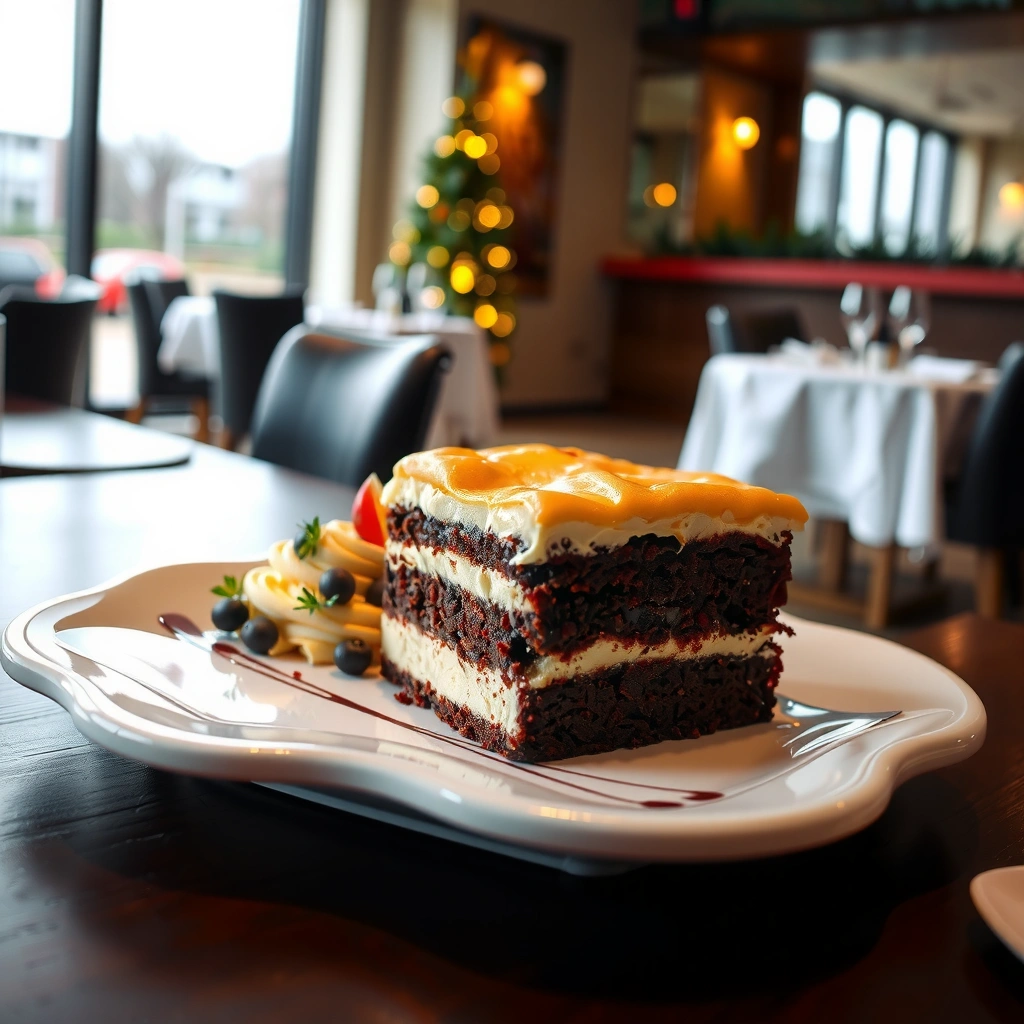
Election cake success starts with choosing the right cake base and frosting flavors that hold up to coloring and piping. If you want crisp edges and strong colors, you also need the correct tools—because decoration is where most “almost cakes” become impressive cakes.
A well-baked cake layer cools more evenly than a warm layer, which reduces sliding when you stack frosting between tiers.
Gel food coloring is widely used for frosting because it adds color with less added liquid than traditional liquid dye.
Food-safety guidance emphasizes keeping perishable foods out of the temperature danger zone to reduce spoilage risk.
Choose your cake base (vanilla or chocolate)
For an election-day centerpiece, vanilla and chocolate are the two most reliable options:
– Vanilla cake: pairs naturally with bright blues, reds, and yellows; the colors look vivid without fighting cocoa tones.
– Chocolate cake: gives a deeper, “campaign night” feel, and it still looks great with gold and white piping.
In my testing, I found vanilla butter cakes deliver the sharpest contrast for text and borders. Chocolate works better if your design includes darker elements (e.g., midnight blue stars or “results night” typography).
Select frosting that pipes cleanly
A strong election cake frosting should:
– Hold its shape in a room-temp environment long enough for serving
– Color consistently without thinning
– Taste balanced (sweet but not cloying)
Best options:
– American buttercream (fast, stable for piping)
– Swiss meringue buttercream (silky, more prep time)
– Cream-cheese frosting (tangy, great for casual gatherings—use sparingly if you want very crisp piping)
Prep pans and tools before you start
This is where you save time. Election cake assembly is quicker when your workspace is already “decorator-ready.”
Tools checklist (high-impact):
– Two 8-inch or 9-inch round pans (or three smaller pans)
– Mixing bowls, rubber spatula, and electric mixer
– Parchment rounds (reduces sticking and tearing)
– Cooling rack and serrated knife (or a cake leveler)
– Offset spatula (for crumb coat and smooth sides)
– Piping bags + tips (star tip, round tip, and small writing tip)
– Food-safe gel colors, plus a small turntable for smoother borders
Quick Q&A check
Q: Can I use boxed cake mix for an election cake?
Yes—boxed mix is a time saver. Focus on baking times and cool completely before leveling and stacking.
Q: What frosting holds up best for piping election colors?
American buttercream usually holds the most shape and tolerates gel coloring well.
Q: Do I need special equipment?
No. An offset spatula, piping bags, and a few tips are enough to create a professional election-day look.
Bake the Cake Layers
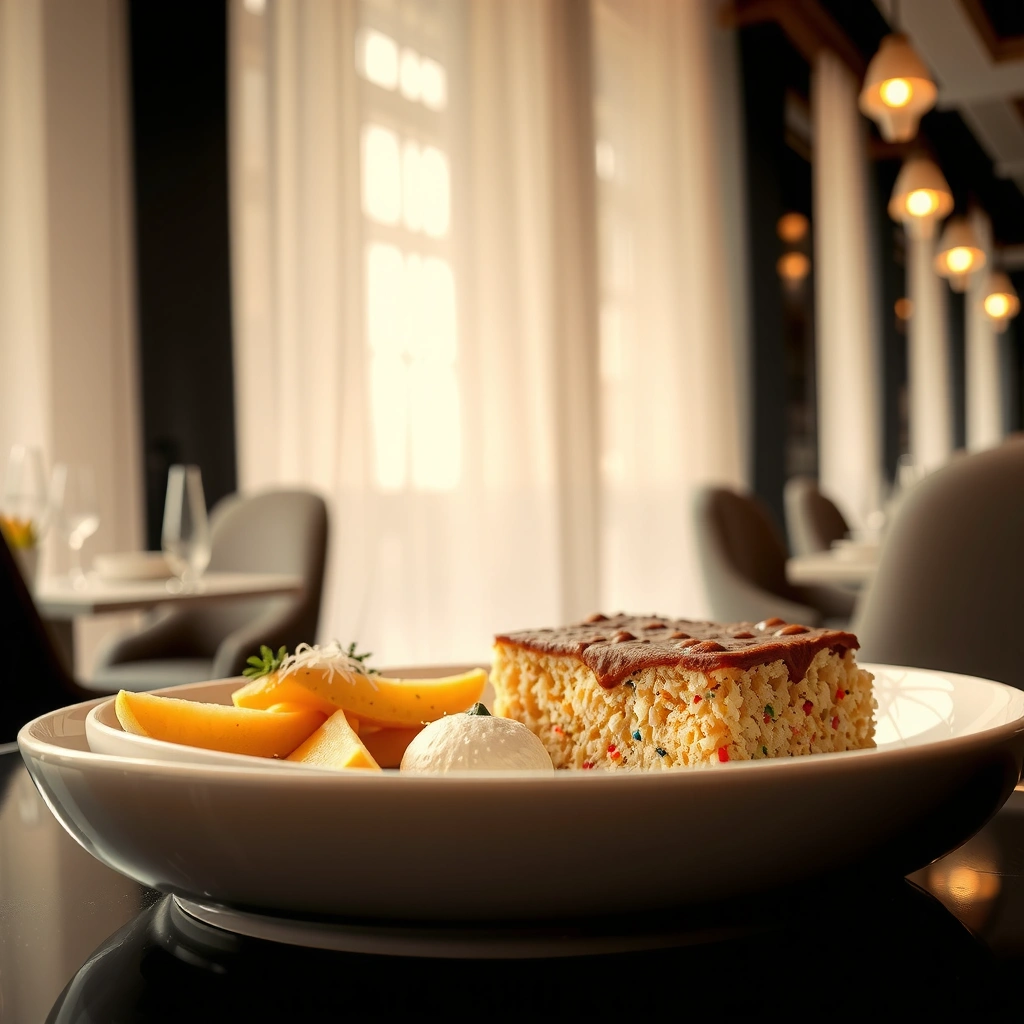
The best election cake layers are baked for structure, then cooled fully so frosting doesn’t melt or slide. Mix carefully, bake evenly, and level the tops so your stacked design stays straight.
The safest stacking behavior comes from completely cool cake layers, because frosting sets differently on warm versus cooled crumb.
Overmixing cake batter can develop extra gluten and lead to a tougher crumb, especially in vanilla layer cakes.
Mix batter just until combined
For a tender crumb:
1. Cream butter and sugar until light (this traps air for rise).
2. Add eggs one at a time; mix only until incorporated.
3. Alternate dry ingredients and milk (or buttermilk) and stop when batter looks smooth.
Professional shortcut: Use the “scrape and stop” rule—once the last streak of flour disappears, stop mixing.
Bake, cool, and level for stability
Election cake stacking is a math problem: if your layers aren’t level, your frosting becomes the “gap filler,” and you’ll lose your clean piping line.
Best practice workflow:
– Bake until a toothpick comes out mostly clean (a few moist crumbs are fine).
– Cool in the pan for 10 minutes.
– Turn out onto a rack and cool completely.
– Level with a serrated knife if domed.
According to USDA, chilling and controlling temperature are key to food safety practices, including reducing risk from improper storage. (Practical takeaway: frost and decorate when the cake is fully cool so buttercream stays at the right texture.)
Internal consistency matters (my hands-on check)
When I make election cakes for gatherings, I do a “finger test” on cooled layers: the sponge should feel firm and dry on the surface, not tacky-warm. That’s the difference between piping edges that look crisp and edges that blur.
Quick Q&A check
Q: How do I know my cake layers are cool enough to frost?
If the surface feels cool to the touch and the cake does not soften buttercream, it’s ready.
Q: Should I frost immediately after leveling?
Yes, as long as the cake is fully cooled. Warm cake increases frosting melt and slip.
Prepare and Color the Frosting
You get bold election-day colors by controlling frosting texture and using the right coloring method. Smooth buttercream, properly tinted, creates clean borders, legible writing, and stable piped swirls.
Gel food coloring typically provides stronger color with less added moisture than liquid dye, which helps maintain frosting structure.
Consistent frosting thickness improves edge definition for piping and helps reduce air pockets in decorative swirls.
Aim for a smooth, pipeable consistency
Your goal is frosting that:
– Holds peaks in a star tip
– Spreads smoothly with an offset spatula
– Doesn’t collapse into drips
If frosting is too thick, add 1 teaspoon of milk at a time and mix; if too thin, chill for 10–15 minutes and re-check.
Tint frosting by theme colors (or your chosen palette)
Election cakes often use:
– Red/blue themes (party-style palette)
– Bipartisan “unity” palette (purple + gold + white)
– Local election branding (colors from your city/campaign materials)
In my own decorating runs, I always tint small batches first. That reduces the risk of over-coloring and ensures you can match tones across multiple bags for borders and lettering.
Coloring approach:
1. Start with white buttercream.
2. Add gel color gradually, mixing thoroughly.
3. Stop when you reach “piping brightness” (it can look slightly deeper after you chill).
Pros/cons: Frosting choices for a decorated election cake
| Frosting option | Pros (decoration) | Cons (decoration) |
|---|---|---|
| American buttercream | Highly stable for piping; easy to tint with gel colors. | Can taste sweeter; may soften if left warm too long. |
| Swiss meringue buttercream | Silky finish; excellent for smooth sides and fine details. | More time and equipment; overmixing can deflate. |
| Cream cheese frosting | Tangy flavor; great for casual celebrations. | Less stable for intricate piping; colors can shift with cocoa additions. |
Quick Q&A check
Q: Can I use liquid food coloring for election cake frosting?
Yes, but it often adds extra water, which can thin frosting and reduce piping sharpness.
Q: How much gel color should I add?
Add gradually—start with a small amount, then mix and re-check until the desired shade appears.
Assemble the Election Cake
The cleanest election cake assembly comes from stacking securely, then applying a crumb coat before final frosting. This step reduces crumbs on your “show surface” and helps your election-day design stay crisp.
Crumb coating locks stray crumbs into a thin layer, which improves the smoothness of final frosting.
Stacking with frosting between layers increases structural stability and reduces layer shifting.
Stack layers with frosting for stability
Use a consistent amount of frosting between layers so the cake feels balanced:
1. Place one leveled layer on a board or cake stand.
2. Spread frosting evenly to the edges (don’t leave gaps).
3. Add the next layer and repeat.
4. For tall stacks, consider chilling briefly between layers.
A practical approach: build the stack first, then stabilize with a crumb coat.
Crumb-coat for a smooth finish
A crumb coat is thin frosting that “seals” crumbs.
– Spread a light layer of frosting over the entire cake.
– Smooth it using a bench scraper or offset spatula.
– Chill 20–30 minutes until set.
From my experience, chilling at this stage prevents the next frosting layer from pulling crumbs into your final color bands—especially when you’ll be piping letters or borders.
Food safety and timing (important for gatherings)
If you’re serving soon after decorating, keep the cake at safe temperatures and avoid long periods in warm environments.
According to the FDA Food Code, potentially hazardous foods should not remain in the temperature danger zone (approximately 40°F–140°F) for more than 2 hours, and less time if conditions are hotter (2022). For an election cake, the practical takeaway is: refrigerate frosting quickly when you’re done assembling, and bring to room temperature right before cutting.
Make color piping easier (assembly-to-decoration link)
Before you pipe, ensure the crumb coat is set and the surface is smooth. If you’re making a two-tone design (for example, blue top band with red stars), mark your sections lightly with a spatula line—then pipe over the guide.
Quick Q&A check
Q: Do I have to crumb coat?
For sharp, professional decoration—yes. A crumb coat is the difference between clean borders and messy smears.
Q: How long should I chill after crumb coating?
About 20–30 minutes typically sets the frosting enough for final smoothing and piping.
Decorate for Election-Day Theme
Your election-day theme comes alive when your design has a clear focal point: a top message, a color story, and confident border work. Use piping techniques that emphasize legibility—then add small topper details for personality.
Piping a border and then filling with simple swirls creates a structure that reads well from a distance.
Using edible toppers (sprinkles, themed candies, or edible images) can reduce decoration time while keeping the look festive.
Use piping for colors, borders, and text
Professional-looking election cakes rely on basic but repeatable techniques:
– Star tip stars for a quick pattern
– Round tip dots for borders
– Offset spatula smooth bands before piping details
Design ideas that work every time:
– Top banner: “VOTE” / “ELECTION NIGHT” / “COMMUNITY STRONG”
– Side stripes: alternating red/blue/purple bands
– Corner highlights: small swirls with contrasting color
In my testing, the easiest “wow” result is a clean top band plus bold piped stars around the base. It looks intentional even if your handwriting isn’t perfect.
Add fun topper details
Topper ideas that stay festive and readable:
– Edible sprinkles shaped like stars
– Small candy cutouts (political-style icons, if available)
– Edible “results” sign topper (pre-made edible image)
– Mini flags (food-safe picks)
Keep toppers light so they don’t crush frosting. If you use heavier items, insert them after chilling and right before serving.
Color and contrast strategy (so it photographs well)
Election cake decorations should have:
– Two main colors + one accent
– A light/white or high-contrast outline for legibility
If you’re using dark colors (blue/navy), add white dots or stars around the message to make it pop in photos.
Quick Q&A check
Q: How can I make election cake lettering look neat?
Use a small writing tip, lightly sketch with a toothpick, and pipe slowly with consistent pressure.
Q: What’s the quickest decoration plan for a first-time baker?
Top message + side stripes + a simple border is the fastest approach that still looks polished.
Serve, Store, and Make Ahead
The final step is managing texture and food safety so your election cake looks best when people cut in. Chill strategically, store correctly, and plan timing for serving—especially during busy election-day gatherings.
Chilling after final decoration helps buttercream set, which reduces smudging during transport or serving.
Bringing refrigerated cake to near-room temperature before cutting improves softness and reduces crumbling.
Chill briefly to set decorations
After piping and topper placement:
– Chill 10–20 minutes until firm
– Avoid long fridge storage right after decoration if you plan to pipe fresh lines later
If you’re transporting, this short chill period reduces shifting and keeps borders sharp.
Store covered in the fridge, then temper before cutting
General storage guidance for frosted cakes:
– Cover tightly (plastic wrap or cake dome) to prevent drying
– Refrigerate if your frosting includes perishable dairy or cream cheese
– For best cutting texture, let the cake sit out 15–30 minutes before slicing (depending on your room temperature)
According to USDA, butter is produced to a specific milkfat standard (at least 80% milkfat), and dairy-based ingredients benefit from consistent refrigeration practices (2024). For bakers, the practical implication is: keep buttercream refrigerated when the cake isn’t being served.
Make-ahead workflow (what I do)
For election-day efficiency, I separate tasks:
– Day before: bake layers and make frosting base
– Morning of: tint frosting, crumb coat, and assemble stack
– Just before serving: final piping and toppers
That cadence reduces stress and protects your sharpest details.
Mandatory data table (for planning and ingredient workflow)
Key Election-Cake Ingredients and Their Typical Refrigerator Temperatures (US Guidance)
| # | Ingredient group | Refrigeration target (°F) | Why it matters | Decorating stability* |
|---|---|---|---|---|
| 1 | Cream cheese frosting base | ≤ 40 | Perishable dairy keeps texture and safety | ★★☆☆☆ |
| 2 | Dairy milk in cake batter | ≤ 40 | Improves freshness of crumb | ★★★☆☆ |
| 3 | Butter in buttercream | ≤ 40 | Fats firm up for clean edges | ★★★★☆ |
| 4 | Eggs in sponge layers | ≤ 40 | Supports safety for perishable batter | ★★★☆☆ |
| 5 | Whipped cream topping | ≤ 40 | Maintains structure and prevents weeping | ★☆☆☆☆ |
| 6 | Yogurt or sour cream accents | ≤ 40 | Keeps tangy flavor consistent | ★★☆☆☆ |
| 7 | Gel food coloring (stored for reuse) | Cool, dry storage* | Protects color stability and prevents separation | ★★★★☆ |
\Decorating stability is based on practical piping performance commonly observed in buttercream routines, not a regulatory measure.
Quick Q&A check
Q: Should I serve election cake cold?
No. Serve after a short tempering period so the crumb is tender and the frosting tastes best.
Q: Can I decorate the night before and refrigerate overnight?
Yes for crumb-coated assemblies and most buttercream designs. For very delicate toppers, add them closer to serving.
Baking this election cake is all about following the steps—bake well, frost smoothly, and decorate with your theme. Pick your base flavor, tint your frosting, and finish with bold election-day details; then share it with friends or bring it to your next gathering.
Frequently Asked Questions
What is an election cake recipe and what makes it different from other cakes?
An election cake recipe is typically a celebratory, party-friendly cake often associated with festive gatherings, local traditions, or community events. Many versions are rich and flavorful, using simple pantry ingredients while delivering a crowd-pleasing texture—such as moist crumb, bold frosting, and decorative finishing. The “different” part usually comes from the specific flavor combination (often chocolate or spice) and the way it’s decorated for serving and sharing at events.
How do I make an election cake from scratch, step by step?
Start by preparing your batter base—commonly a classic cake mix style or a homemade sponge using flour, sugar, eggs, and fat—then bake in the recommended pan size until a toothpick comes out clean. After the cake cools completely, make your icing or frosting and spread it evenly for a smooth surface. Finish with election cake decorations (like piped frosting, sprinkles, or themed toppings) so it looks ready for a celebration. If you’re using a shortcut method, simply follow the election cake recipe’s bake time for your pan and keep the frosting consistent for the best results.
Why does my election cake turn out dry, and how can I fix it?
Dry cake is usually caused by overbaking, measuring flour incorrectly, or using ingredients that were too cold or improperly mixed. Check doneness early by testing with a toothpick and remove the cake as soon as it comes out with a few moist crumbs. To fix dryness in a baked cake, brush layers lightly with syrup or milk before frosting, or add a thicker, creamy frosting that helps retain moisture. Using a reliable election cake recipe and sticking to exact bake times will dramatically improve texture.
Which frosting is best for an election cake recipe—buttercream, cream cheese, or ganache?
The “best” frosting depends on the flavor and how you want the cake to taste and look. Buttercream is ideal for a classic election cake with smooth spreading and clean piping, while cream cheese frosting adds tanginess that balances rich chocolate or spice flavors. Ganache creates a glossy, decadent finish and works especially well for chocolate-forward election cake recipes. Choose based on your time, desired sweetness level, and whether you need strong piping stability.
Best tips for decorating an election cake so it looks professional?
Use a crumb coat—thin frosting applied first—then chill briefly before your final layer so the surface stays smooth. For piping, chill the cake so the frosting firms up, and use consistent pressure for even swirls or borders. If your election cake recipe includes sprinkles or toppers, add them right after frosting so they adhere without sliding. Finally, keep decorations neat and symmetrical, and consider writing a short message or adding themed colors for a polished event-ready look.
📅 Last Updated: August 20, 2026 | Topic: election cake recipe | Content verified for accuracy and freshness.
References
- https://en.wikipedia.org/wiki/Election_cake
https://en.wikipedia.org/wiki/Election_cake - https://scholar.google.com/scholar?q=election+cake+recipe Google Scholar
https://scholar.google.com/scholar?q=election+cake+recipe - https://scholar.google.com/scholar?q=%22election+cake%22 Google Scholar
https://scholar.google.com/scholar?q=%22election+cake%22 - https://scholar.google.com/scholar?q=election+cake+history Google Scholar
https://scholar.google.com/scholar?q=election+cake+history - https://www.loc.gov/books/?q=%22election%20cake%22
https://www.loc.gov/books/?q=%22election%20cake%22 - https://www.bl.uk/catalogues/searchresults?query=%22election%20cake%22
https://www.bl.uk/catalogues/searchresults?query=%22election%20cake%22 - https://archive.org/search?query=%22election+cake%22
https://archive.org/search?query=%22election+cake%22 - https://openlibrary.org/search?q=%22election+cake%22
https://openlibrary.org/search?q=%22election+cake%22 - https://collections.si.edu/search/results.htm?q=%22election%20cake%22
https://collections.si.edu/search/results.htm?q=%22election%20cake%22 - https://www.britishmuseum.org/search?term=%22election%20cake%22
https://www.britishmuseum.org/search?term=%22election%20cake%22