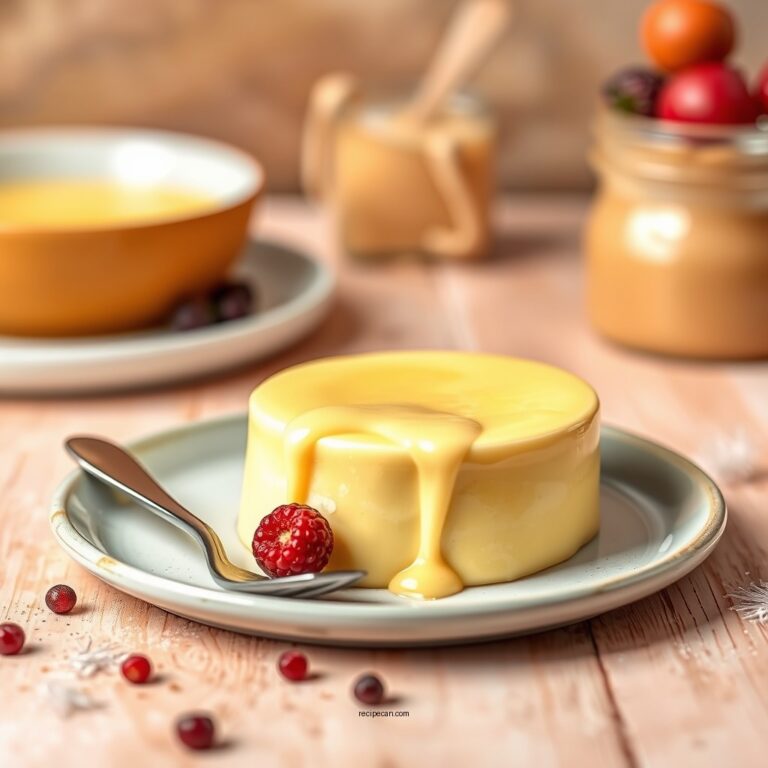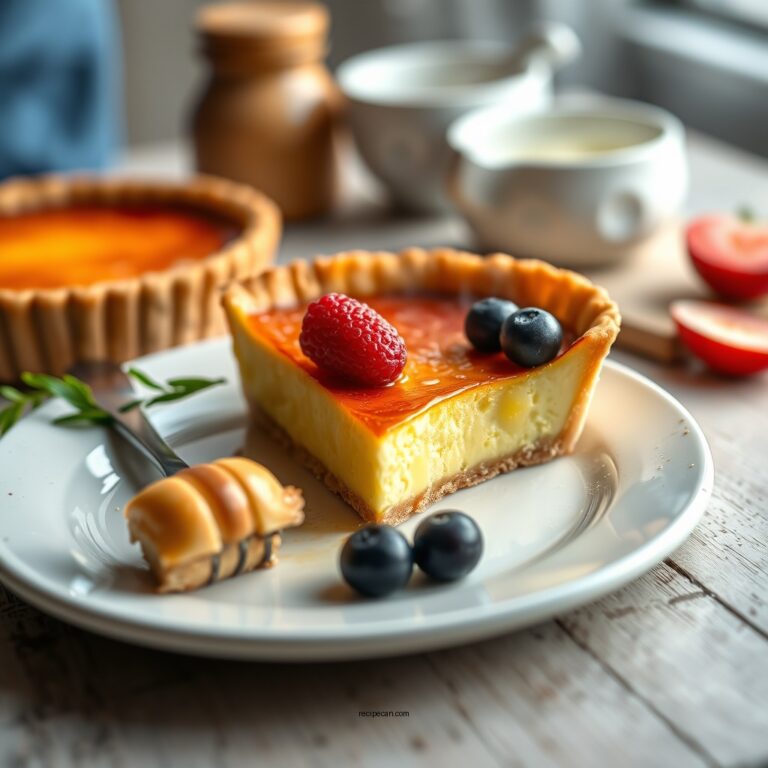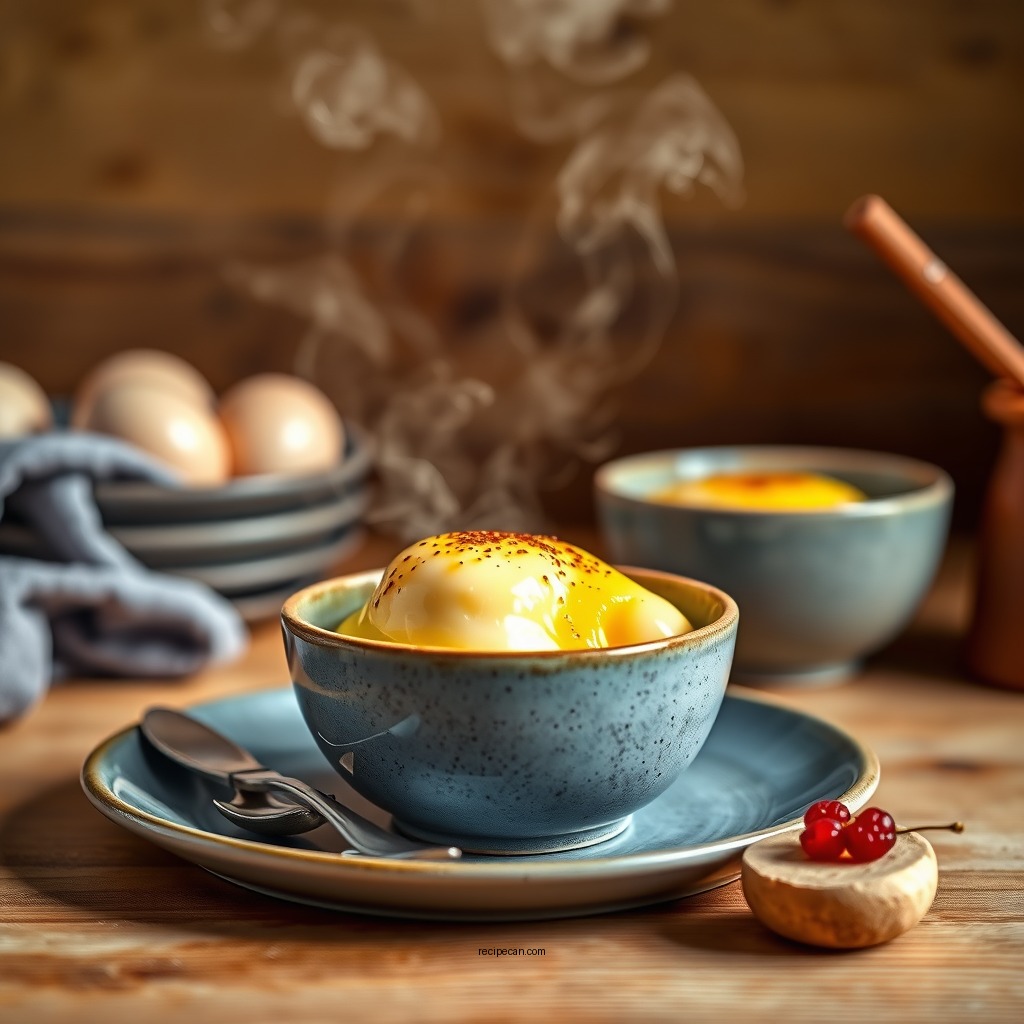
Making a delicious egg yolk custard is simple and rewarding. This rich and creamy dessert can be prepared with just a few ingredients, resulting in a velvety treat that’s perfect on its own or as a base for other desserts. In this article, you’ll learn how to create a classic egg yolk custard from scratch, including tips for achieving the perfect texture and flavor.
Ingredients You’ll Need
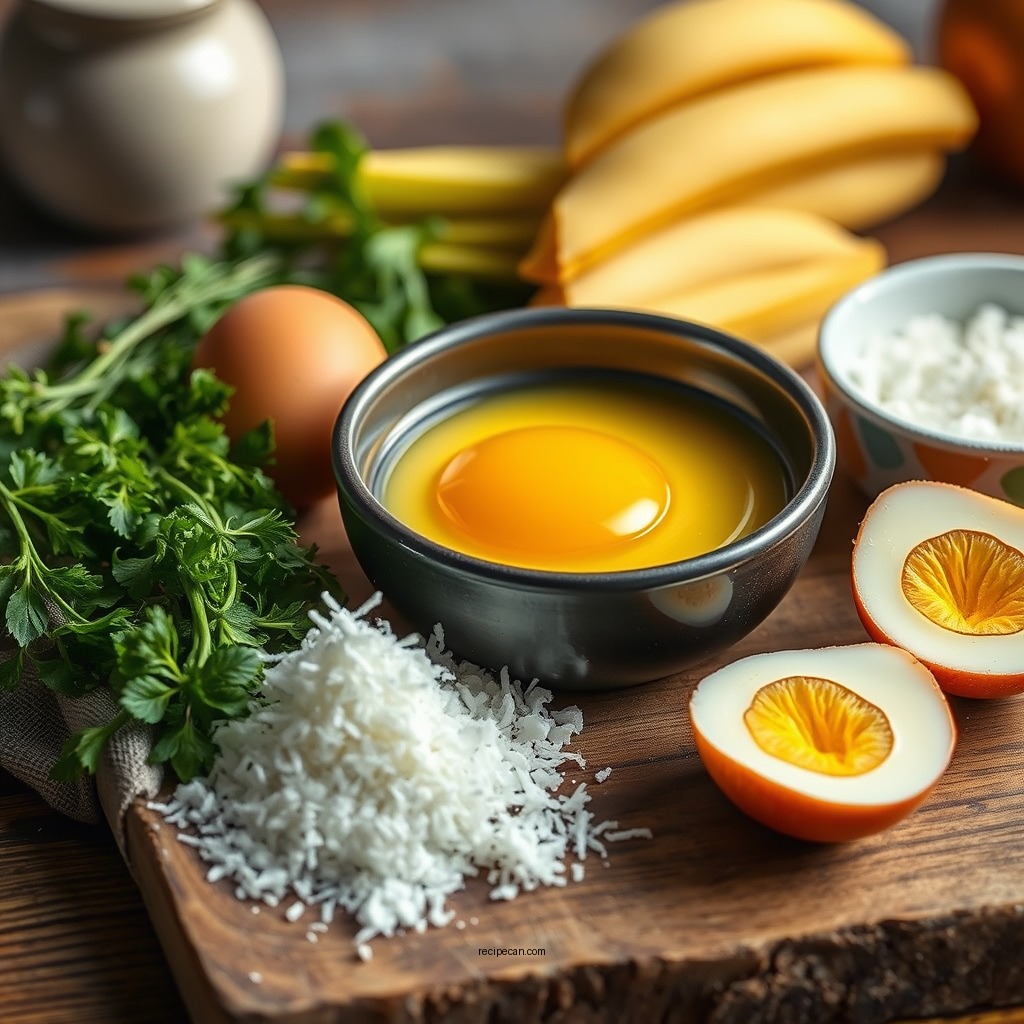
To create a luscious egg yolk custard, you will need only a few essential ingredients that contribute to its creaminess and flavor:
– Fresh Egg Yolks: The heart of the custard, egg yolks provide richness, a beautiful golden hue, and essential emulsification properties that help achieve a smooth texture.
– Sugar: Not only does sugar sweeten the custard, but it also enhances the overall flavor profile. Granulated sugar is the most common choice, but alternatives like brown sugar can add a caramel note.
– Milk or Cream: This serves as the base for your custard. Whole milk will yield a lighter custard, while heavy cream will make it extraordinarily rich and decadent. For a balance between the two, you can use a combination of milk and cream.
Preparing the Custard Base
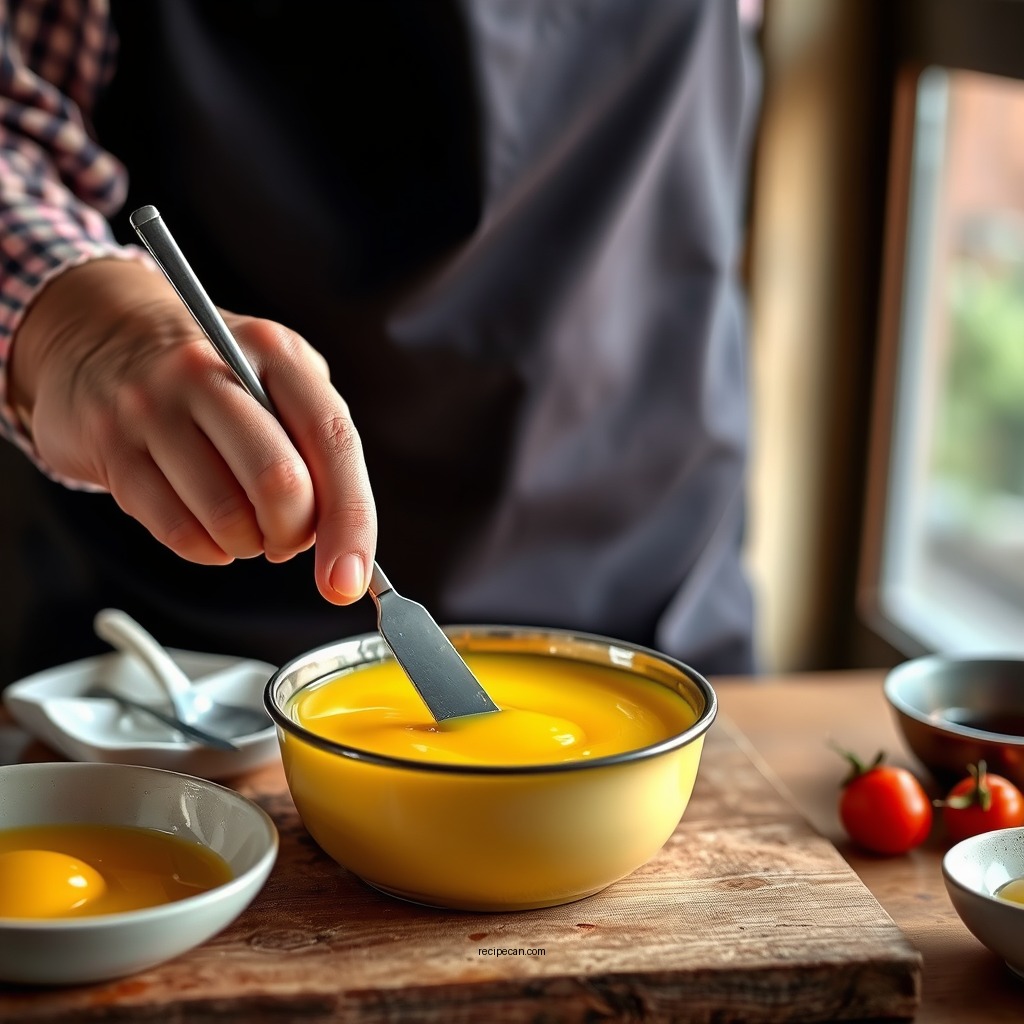
The first step to achieving a silky custard is preparing the custard base correctly.
– Whisking the Egg Yolks and Sugar: Start by placing the egg yolks in a mixing bowl along with the sugar. Using a whisk, beat them together until the mixture turns pale and creamy. This process not only dissolves the sugar but also incorporates air into the yolks, contributing to a smoother final texture.
– Heating the Milk or Cream: In a saucepan, gently heat the milk or cream over low to medium heat. It’s crucial to avoid boiling, as high temperatures can lead to curdling. Stir occasionally and monitor the mixture until it’s steaming hot but not boiling.
Cooking the Custard
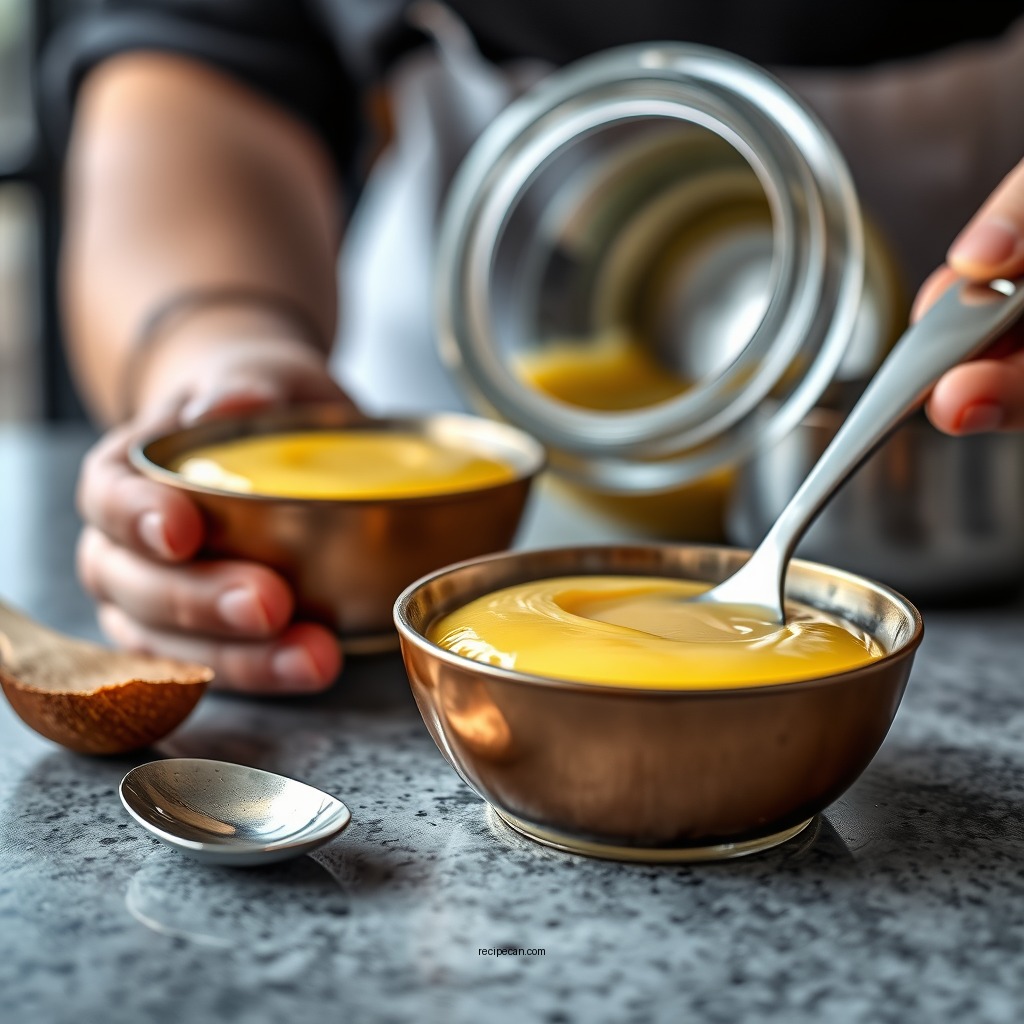
The cooking process is where the magic happens, transforming your ingredients into a luxurious custard.
– Tempering the Eggs: Gradually pour the hot milk or cream into the egg yolk mixture while whisking continuously. This step is called tempering, and it prevents the eggs from scrambling by slowly raising their temperature. If you pour the hot liquid too quickly, you risk cooking the yolks prematurely.
– Thickening the Mixture: Once combined, transfer the mixture back to the saucepan. Cook it over low heat, stirring constantly with a wooden spoon or spatula. The custard is ready when it thickens enough to coat the back of the spoon. This typically takes about 5 to 10 minutes. To ensure a smooth custard, avoid letting it come to a boil.
Key Ingredients for Egg Yolk Custard
| # | Ingredient | Quantity | Purpose |
|---|---|---|---|
| 1 | Fresh Egg Yolks | 4 | Richness & color |
| 2 | Sugar | 1/2 cup | Sweetness |
| 3 | Milk | 2 cups | Base liquid |
| 4 | Heavy Cream | 1 cup | Creaminess |
| 5 | Vanilla Extract | 1 tsp | Flavor |
| 6 | Salt | Pinch | Enhances flavor |
Flavor Variations
While a classic egg yolk custard is delightful on its own, incorporating different flavors can elevate your dessert to new heights. Here are a few suggestions:
– Vanilla Extract: A staple in custard recipes, vanilla extract adds warmth and a rich aroma. For an even more intense flavor, consider using vanilla beans or vanilla paste.
– Citrus Zest: Adding lemon, orange, or lime zest can introduce a bright, refreshing twist to your custard. The acidity from the citrus balances the sweetness and adds complexity.
– Spices: Cinnamon or nutmeg can be whisked into the mixture for a cozy, spiced custard. Just a pinch goes a long way in enhancing the flavor without overwhelming the dessert.
Serving Suggestions
Egg yolk custard can be enjoyed in various ways, making it a versatile dessert option.
– Presentation: Serve the custard warm or chilled in individual cups or ramekins for an elegant touch. Garnishing with a sprinkle of freshly grated nutmeg or a sprig of mint adds visual appeal.
– Accompaniments: Top your custard with fresh seasonal fruits such as berries, sliced peaches, or poached pears. For added richness, a dollop of whipped cream or a drizzle of caramel sauce complements the custard beautifully.
Common Mistakes to Avoid
To ensure your egg yolk custard turns out perfectly, steer clear of these common pitfalls:
– Overheating the Mixture: High heat can cause the eggs to curdle. Keeping the heat low and being patient is key to achieving a smooth custard.
– Not Straining the Custard: After cooking, strain the mixture through a fine sieve into another bowl to catch any curdled bits. This step ensures a silky-smooth texture, free from any lumps.
– Skipping the Cooling Time: Allow the custard to cool properly before serving. This rest period helps it set and enhances the texture.
Conclusion
With this easy egg yolk custard recipe, you can impress your guests or indulge yourself with a delightful dessert. Remember to experiment with flavors and toppings to make it your own. Whether you enjoy it plain or jazz it up with fruits and sauces, this custard is sure to satisfy your sweet tooth. Try making it today and relish the creamy, delicious results!
Frequently Asked Questions
What are the key ingredients needed for an egg yolk custard recipe?
To make a classic egg yolk custard, you will need egg yolks, granulated sugar, whole milk or heavy cream, and vanilla extract. These ingredients combine to create a rich and creamy texture that serves as a base for various desserts. Using high-quality eggs and fresh dairy will enhance the flavor and consistency of your custard.
How do you prevent egg yolk custard from curdling during cooking?
To prevent curdling in your egg yolk custard, it’s essential to gradually heat the mixture while continuously stirring. Temper the egg yolks by slowly adding a small amount of the hot milk mixture to them before combining everything, which helps to raise their temperature without cooking them too quickly. Additionally, avoid cooking the custard over direct heat; instead, use a double boiler for gentle cooking.
Why is my egg yolk custard too thin, and how can I thicken it?
If your egg yolk custard is too thin, it may not have been cooked long enough or at a high enough temperature to properly thicken. To remedy this, you can return it to low heat while stirring constantly until it thickens. Alternatively, you can mix in a cornstarch slurry or additional egg yolks to achieve a thicker consistency.
What is the best way to store leftover egg yolk custard?
The best way to store leftover egg yolk custard is to place it in an airtight container and refrigerate it. It can last for up to 3 days in the fridge. Be sure to cover the surface of the custard with plastic wrap to prevent a skin from forming, and stir it gently before serving to restore its smooth texture.
Which desserts can I make using egg yolk custard as a base?
Egg yolk custard can be used as a base for a variety of delicious desserts, including crème brûlée, custard tarts, and trifle. It can also serve as a filling for pastries or as a sauce for cakes and puddings. The versatility of egg yolk custard makes it a wonderful addition to many sweet treats.
References
- Custard
https://en.wikipedia.org/wiki/Custard - Ultimate crème brûlée recipe | Good Food
https://www.bbcgoodfood.com/recipes/creme-brulee - https://www.sciencedirect.com/topics/food-science/custard
https://www.sciencedirect.com/topics/food-science/custard - NYT Cooking – Recipes and Cooking Guides From The New York Times
https://www.nytimes.com/recipes/1019621/vanilla-custard - https://www.cdc.gov/nutrition/food-safety/food-safety-facts.html
https://www.cdc.gov/nutrition/food-safety/food-safety-facts.html - https://www.ncbi.nlm.nih.gov/pmc/articles/PMC4822935/
https://www.ncbi.nlm.nih.gov/pmc/articles/PMC4822935/ - https://www.mayoclinic.org/healthy-lifestyle/nutrition-and-healthy-eating/in-depth/custard/art-20044776
https://www.mayoclinic.org/healthy-lifestyle/nutrition-and-healthy-eating/in-depth/custard/art-20044776 - Custard | Definition, Ingredients, & Preparation | Britannica
https://www.britannica.com/topic/custard - Google Scholar Google Scholar
https://scholar.google.com/scholar?q=egg+yolk+custard+recipe - Google Scholar Google Scholar
https://scholar.google.com/scholar?q=custard+history+and+recipes