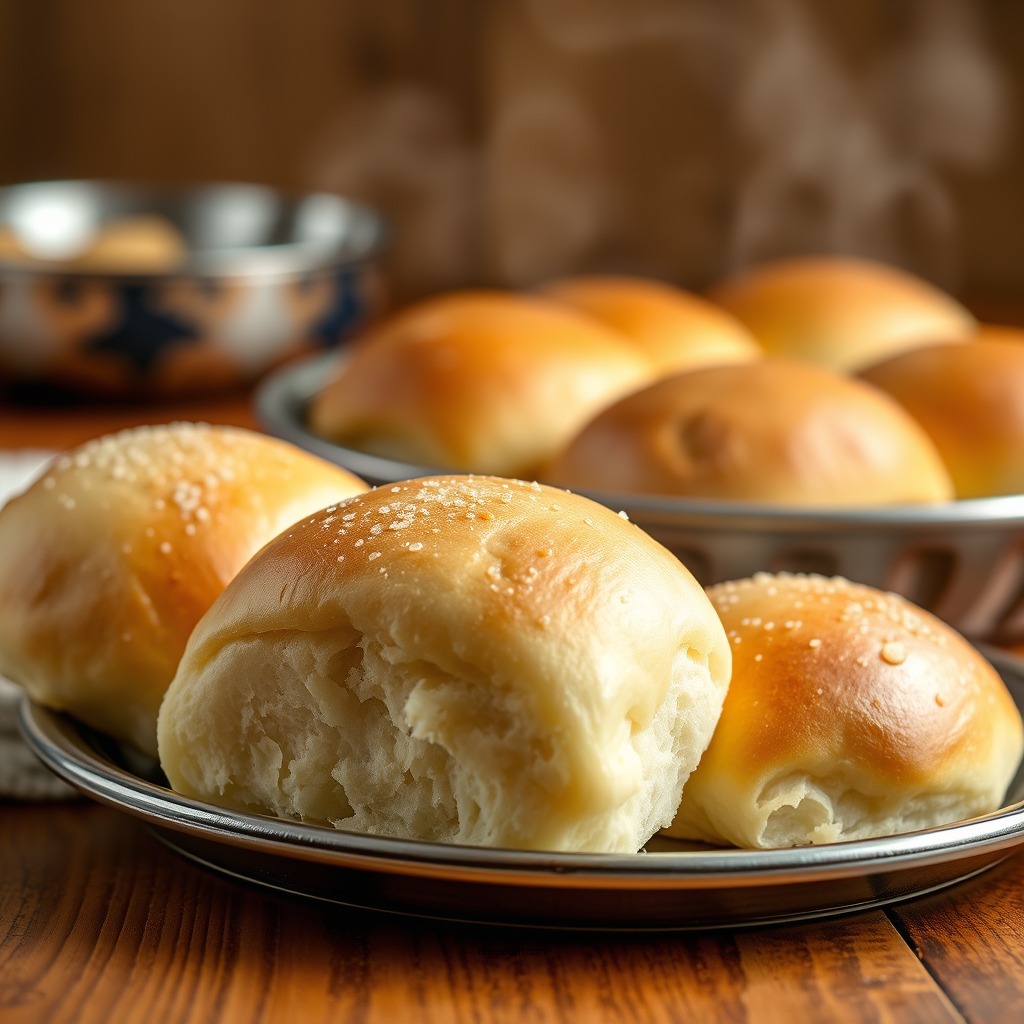
Making easy yeast rolls is a straightforward process that yields delicious, fluffy bread perfect for any meal. In this article, you’ll learn a simple yeast roll recipe that requires minimal ingredients and effort while delivering delightful results. Whether you’re a novice baker or an experienced cook, these rolls will impress your family and friends.
Ingredients You’ll Need

To create perfect yeast rolls, you’ll need a combination of basic pantry staples and potentially some optional ingredients that can elevate the flavor and texture. The essential ingredients include:
– Flour: All-purpose flour is the most commonly used for yeast rolls, providing the necessary gluten structure for elasticity and chewiness.
– Sugar: A small amount of sugar not only adds sweetness but also helps activate the yeast, promoting a good rise.
– Salt: This ingredient is crucial for flavor and controlling yeast activity, ensuring the rolls don’t rise too quickly.
– Yeast: Active dry yeast or instant yeast can be used. Both types will yield excellent results, but instant yeast can be mixed directly with dry ingredients.
– Water: Warm water (about 110°F or 43°C) is essential for activating the yeast. Too hot or too cold water can affect yeast performance.
– Optional Additions: For enhanced flavor, consider adding melted butter or warm milk to the dough. These ingredients can enrich the texture and taste of the rolls.
Preparing the Dough
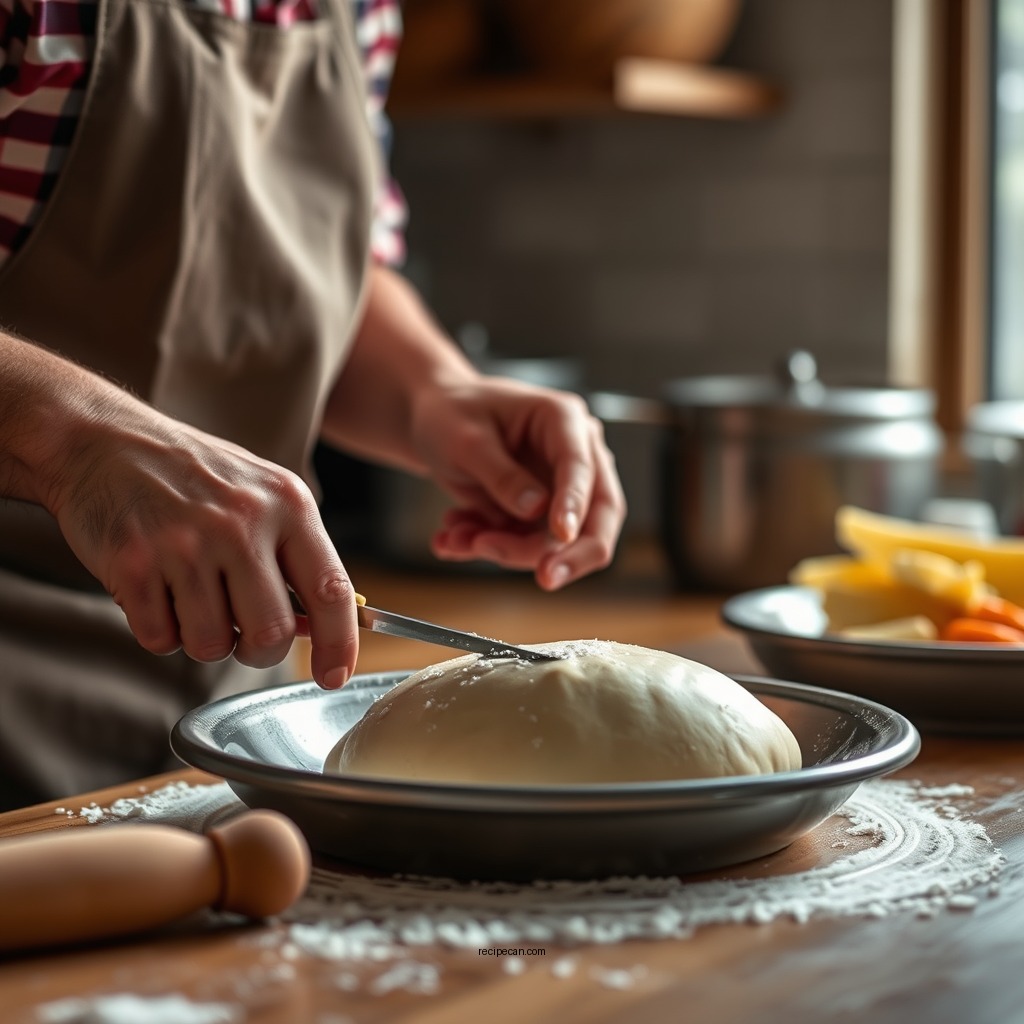
The dough preparation is a critical step, setting the foundation for your yeast rolls.
– Mix dry ingredients: In a large mixing bowl, combine 4 cups of all-purpose flour, 1/4 cup of sugar, and 1 teaspoon of salt. Ensure even distribution for optimal flavor throughout the dough.
– Activate the yeast: In a separate bowl, dissolve 2 1/4 teaspoons (one packet) of yeast in 1 1/2 cups of warm water. Allow the mixture to sit for about 5-10 minutes until it becomes frothy. This step indicates that the yeast is active and ready to work its magic in the dough.
Kneading the Dough
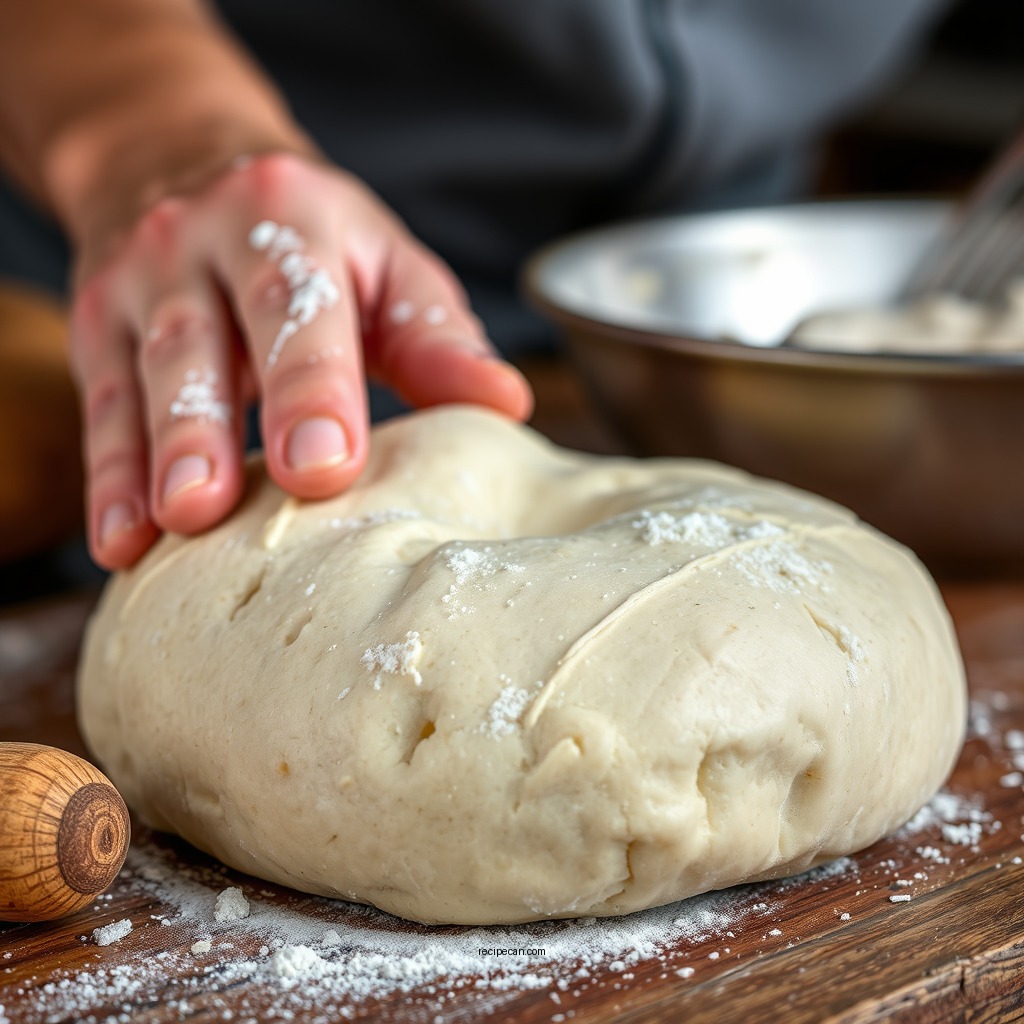
Kneading is crucial for developing the gluten structure necessary for fluffy rolls.
– Technique: Lightly flour your work surface and turn the dough out onto it. Using the palms of your hands, push the dough away from you, fold it back, and rotate it a quarter turn. Repeat this process.
– Timing: Knead the dough for about 5-10 minutes until it is smooth and elastic. You should be able to stretch a small piece of dough without it tearing, indicating that the gluten has developed properly.
First Rise
The first rise is an essential fermentation step that allows the dough to develop flavor and volume.
– Cover and let rise: Place the kneaded dough in a greased bowl, cover it with a clean cloth or plastic wrap, and let it rise in a warm area until it doubles in size, which typically takes about 1 hour.
– Ideal environment: A warm, draft-free area is ideal for rising. You can create a suitable environment by turning on your oven for a minute and then turning it off. Alternatively, placing the dough in a slightly warmed oven (not exceeding 100°F or 38°C) can also facilitate a good rise.
Shaping the Rolls
Shaping the rolls correctly ensures that they rise evenly and have a pleasing appearance.
– Divide and shape: Once the dough has doubled, gently punch it down to release the air. Turn it out onto a lightly floured surface and divide it into 12-15 equal pieces. Shape each piece into a ball by rolling it between your palms.
– Arrange in the pan: Place the shaped rolls in a greased baking dish, ensuring they are placed close together but not touching. This allows them to rise properly during the second rise.
Second Rise
The second rise is essential for achieving that light, airy texture characteristic of yeast rolls.
– Let them puff: Cover the rolls with a cloth and allow them to rise again until they double in size, which typically takes 30-45 minutes. This step is crucial for achieving a soft texture.
– Preheat the oven: While the rolls are rising, preheat your oven to 375°F (190°C). Preheating is vital to ensure that the rolls start baking immediately for the best texture.
Baking and Serving
Baking is the final step, transforming your dough into delicious rolls.
– Bake to perfection: Once the rolls have risen sufficiently, place them in the preheated oven and bake for 15-20 minutes. They should be golden brown on top and sound hollow when tapped on the bottom, indicating they are fully cooked.
– Serve warm: For an added touch, brush the hot rolls with melted butter immediately after removing them from the oven. This not only adds flavor but also gives the tops a beautiful sheen.
Top 7 Yeast Roll Recipes (2024)
| # | Recipe Name | Preparation Time | Bake Time | Ease of Preparation |
|---|---|---|---|---|
| 1 | Classic Yeast Rolls | 1 hr | 20 min | Easy |
| 2 | Garlic Herb Rolls | 1 hr 15 min | 18 min | Moderate |
| 3 | Cheddar Cheese Rolls | 1 hr 10 min | 15 min | Easy |
| 4 | Honey Butter Rolls | 1 hr | 22 min | Challenging |
| 5 | Sweet Potato Rolls | 1 hr 20 min | 20 min | Moderate |
| 6 | Cinnamon Rolls | 1 hr 30 min | 25 min | Challenging |
| 7 | Dinner Rolls | 1 hr | 20 min | Easy |
Popular Yeast Roll Variations by Preference (2024)
These easy yeast rolls are perfect for any occasion, and with this simple recipe, you’ll be able to impress your loved ones with homemade goodness. Don’t hesitate to try different variations, like adding herbs or cheese, to make them even more special. Enjoy baking!
Frequently Asked Questions
What ingredients do I need for an easy yeast roll recipe?
To make an easy yeast roll recipe, you’ll typically need all-purpose flour, active dry yeast, sugar, salt, warm water, and butter. Some variations may include milk or eggs for added richness. This simple combination of ingredients creates soft, fluffy rolls that are perfect for any meal.
How long does it take to make easy yeast rolls from start to finish?
The total time to make easy yeast rolls is about 2 to 2.5 hours, including preparation and rising time. The dough usually requires a 1-hour rise, followed by a second 30-minute rise after shaping the rolls. Baking takes around 15-20 minutes, making this recipe manageable for both beginner and experienced bakers.
Why did my easy yeast rolls not rise properly?
If your easy yeast rolls did not rise properly, it could be due to expired yeast, insufficient warm water, or a drafty environment. Ensure your yeast is fresh and activate it in warm water before mixing. Additionally, allow the dough to rise in a warm, draft-free place to achieve the best results.
What is the best method for shaping easy yeast rolls?
The best method for shaping easy yeast rolls is to divide the dough into equal portions, then gently shape each piece into a smooth ball by tucking the edges under. Place the shaped rolls seam side down on a baking sheet, allowing enough space for them to expand. This technique helps create a uniform shape and ensures even baking.
Which toppings or glazes can enhance my easy yeast rolls?
To enhance your easy yeast rolls, consider brushing them with melted butter right after baking for a rich flavor. You can also sprinkle them with garlic powder, herbs, or sesame seeds before baking for added texture and taste. A sweet glaze made from powdered sugar and milk can also be used for a delicious finish.
References
- Bread
https://en.wikipedia.org/wiki/Bread - https://www.sciencedirect.com/topics/food-science/yeast
https://www.sciencedirect.com/topics/food-science/yeast - Google Scholar Google Scholar
https://scholar.google.com/scholar?q=easy+yeast+roll+recipe - https://www.ncbi.nlm.nih.gov/pmc/articles/PMC3490266/
https://www.ncbi.nlm.nih.gov/pmc/articles/PMC3490266/ - https://www.britannica.com/topic/yeast
https://www.britannica.com/topic/yeast - Google Scholar Google Scholar
https://scholar.google.com/scholar?q=yeast+rolls+recipe - Enforcing protein import | Nature Reviews Molecular Cell Biology
https://www.nature.com/articles/nrm.2017.114 - https://www.cdc.gov/foodsafety/food-safety-education-month/yeast.html
https://www.cdc.gov/foodsafety/food-safety-education-month/yeast.html - https://www.nytimes.com/2020/04/16/dining/yeast-bread-recipe.html
https://www.nytimes.com/2020/04/16/dining/yeast-bread-recipe.html - Grass-fed beef: What are the heart-health benefits? – Mayo Clinic
https://www.mayoclinic.org/healthy-lifestyle/nutrition-and-healthy-eating/expert-answers/yeast/faq-20058059