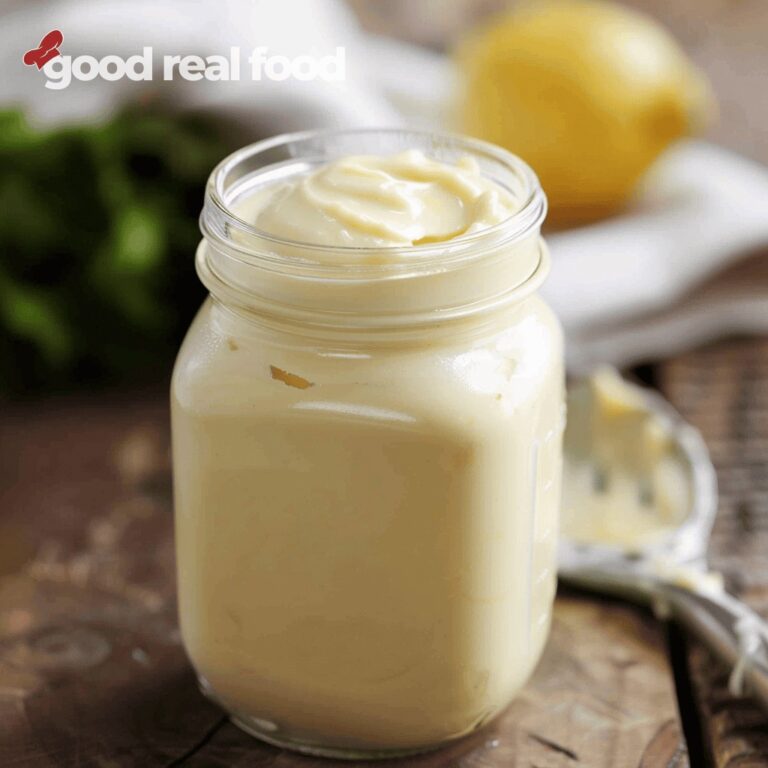
Easy whole egg mayonnaise is the perfect homemade condiment that elevates sandwiches and salads with minimal effort. This recipe guarantees a creamy, flavorful result that outshines store-bought versions, especially when you want freshness without preservatives. Discover the simple steps to create a delicious mayonnaise that enhances any dish.
Making whole egg mayonnaise at home is a straightforward and rewarding process that can elevate your culinary creations. This recipe provides a creamy, flavorful alternative to store-bought mayonnaise, using just a few basic ingredients. Not only is homemade mayonnaise healthier, but it also allows for customization based on your taste preferences, making it a versatile condiment for sandwiches, salads, and dips.
Ingredients You’ll Need
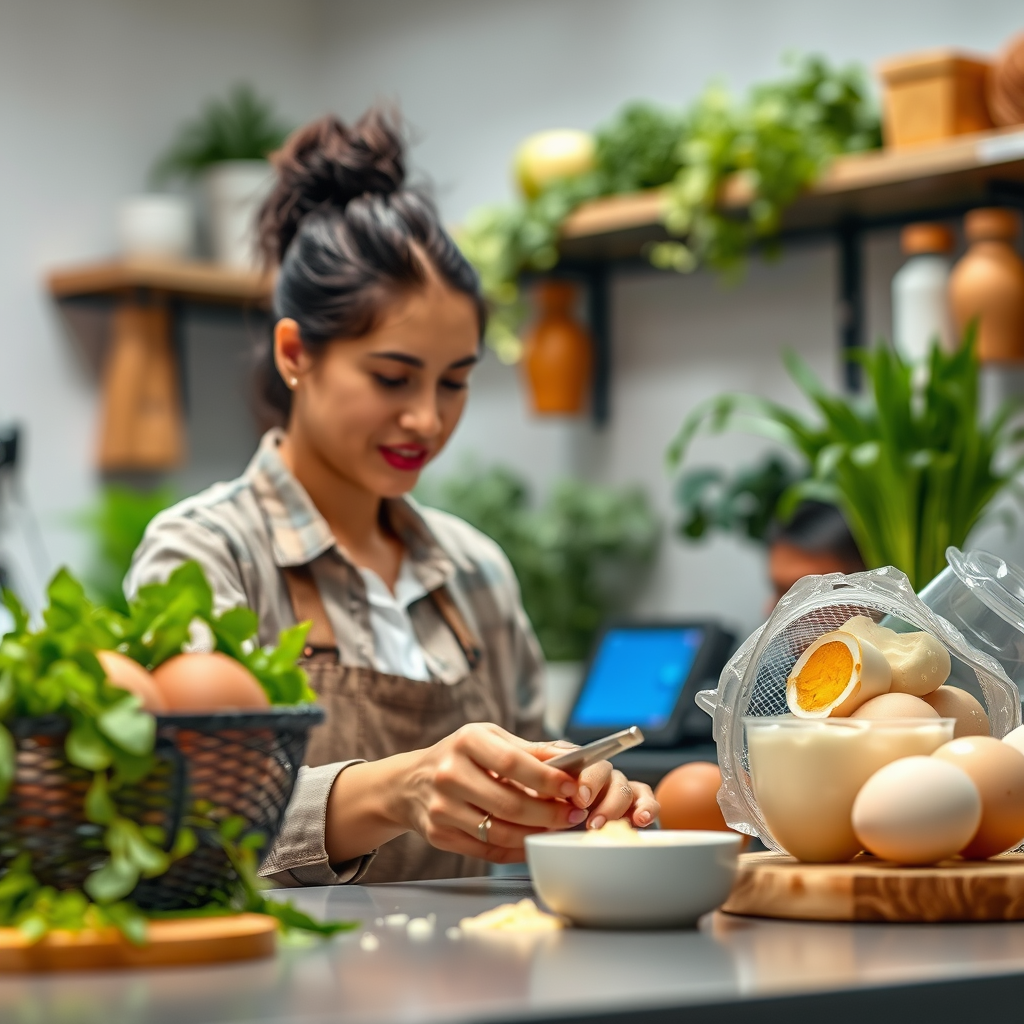
To create the perfect whole egg mayonnaise, you’ll need the following essential ingredients:
– Whole Eggs: The star of the recipe, whole eggs provide the necessary emulsification and creaminess. Using fresh eggs ensures a rich flavor and a velvety texture.
– Oil: It’s crucial to select a neutral oil such as canola oil or light olive oil. These oils won’t overpower the flavor of the mayonnaise while still contributing to its smooth consistency.
– Vinegar or Lemon Juice: The addition of acid is vital for balancing flavors and enhancing the overall brightness of the mayonnaise. Both vinegar and lemon juice serve this purpose effectively, with each imparting its unique taste.
Step-by-Step Instructions

Creating homemade mayonnaise is easy if you follow these straightforward steps:
1. Prepare Your Ingredients: Start with room temperature eggs and oil to ensure the best emulsification. Cold ingredients can lead to a broken emulsion.
2. Blend the Base: In a tall container, add the whole eggs and your choice of vinegar or lemon juice. Use an immersion blender or a standard blender to combine these ingredients until smooth.
3. Incorporate the Oil: While continuously blending, slowly drizzle in the oil. It’s crucial to add the oil gradually—this allows the mixture to emulsify properly and achieve the desired creamy texture. Continue blending until the mayonnaise thickens and reaches your preferred consistency.
4. Taste and Adjust: Once your mayonnaise has reached the desired thickness, taste it and adjust the seasoning. You can add salt, pepper, or additional lemon juice to enhance the flavor.
Tips for Perfect Emulsification
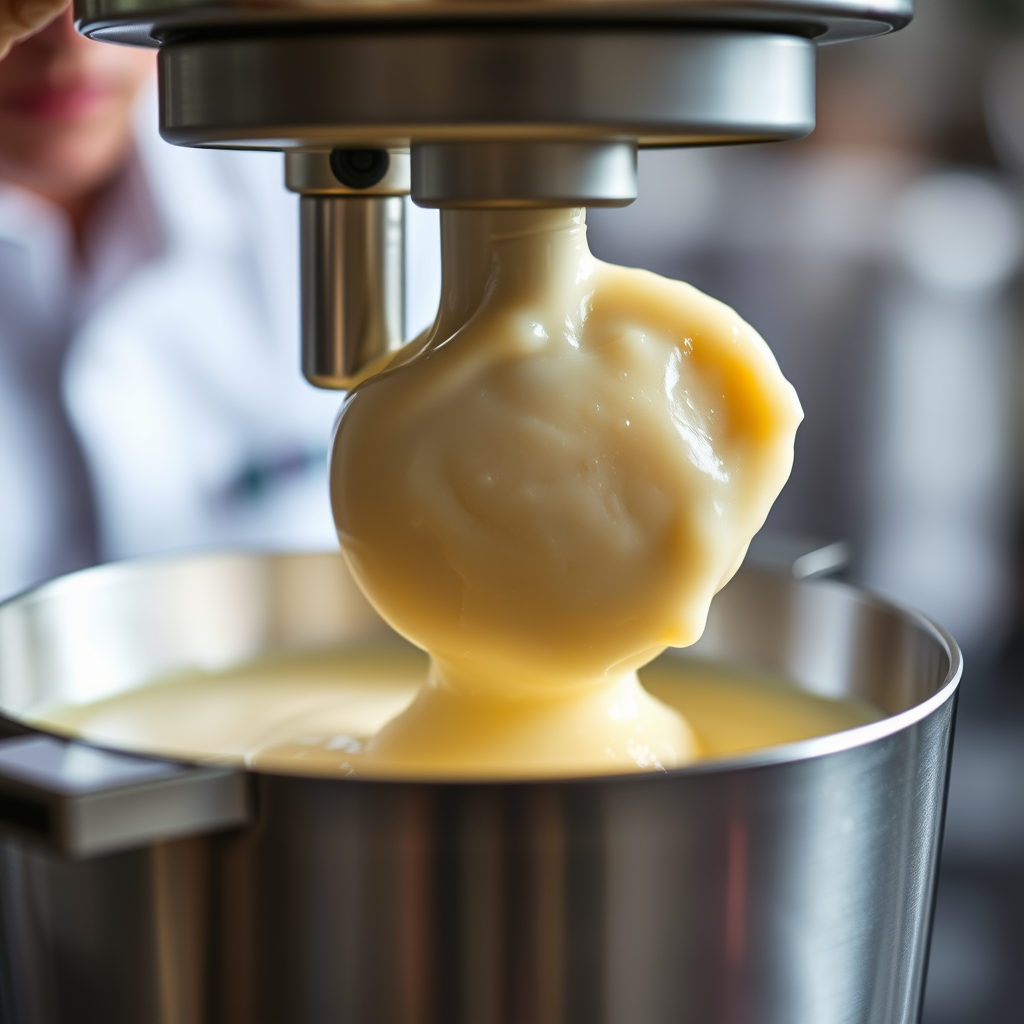
Achieving the right consistency in your mayonnaise can sometimes be tricky. Here are some tips to ensure perfect emulsification:
– Use an Immersion Blender: An immersion blender is ideal for making mayonnaise, as it allows for easy blending right in the container without the need for transferring ingredients.
– Add Oil Slowly: The key to a successful emulsion is to add the oil very slowly. If you pour it in too quickly, the mayonnaise may separate. A steady, thin stream is essential for proper emulsification.
– Room Temperature Ingredients: Cold ingredients can hinder the emulsification process, causing the mayonnaise to break. Allow your eggs and oil to reach room temperature before starting.
Flavor Variations to Try

One of the best aspects of making mayonnaise at home is the ability to customize the flavor. Here are some delicious variations to consider:
– Garlic Aioli: Add a clove or two of minced garlic to your mayonnaise for a classic aioli flavor. This variation pairs beautifully with seafood and roasted vegetables.
– Herbed Mayonnaise: Incorporate fresh herbs such as basil, dill, or chives to create a flavorful herbed mayonnaise. This works wonderfully as a spread for sandwiches or a dip for fresh vegetables.
– Spicy Mayonnaise: For those who enjoy a kick, mix in some sriracha or cayenne pepper. This spicy mayonnaise is perfect for drizzling over tacos or using in spicy potato salads.
Storage Tips for Homemade Mayonnaise

Proper storage is essential to maintain the freshness and quality of your homemade mayonnaise:
– Use an Airtight Container: Store your mayonnaise in a clean, airtight container. Glass jars with tight-fitting lids work particularly well.
– Refrigeration: Keep your mayonnaise in the refrigerator to prevent spoilage. Homemade mayonnaise does not contain preservatives like store-bought versions, so it has a shorter shelf life.
– Consume Within a Week: For the best quality and flavor, consume your homemade mayonnaise within a week. Always check for any off-smells or changes in texture before use.
Common Mistakes to Avoid
To ensure your mayonnaise turns out perfectly, be aware of these common pitfalls:
– Cold Ingredients: As mentioned earlier, using cold eggs or oil can lead to a broken emulsion. Always start with room temperature ingredients.
– Quick Oil Addition: Pouring the oil too quickly is a common mistake that can lead to separation. Take your time and drizzle the oil in slowly while blending.
– Neglecting Taste: Don’t forget to taste your mayonnaise before storing it. Adjusting the seasoning right after blending can make a significant difference in flavor.
Top 7 Oil Choices for Homemade Mayonnaise
| # | Oil Type | Smoke Point (°F) | Flavor Profile | Best For |
|---|---|---|---|---|
| 1 | Canola Oil | 400 | Neutral | Mayonnaise |
| 2 | Light Olive Oil | 465 | Mild | Dressing |
| 3 | Avocado Oil | 520 | Buttery | Dressing |
| 4 | Grapeseed Oil | 420 | Neutral | Mayonnaise |
| 5 | Sunflower Oil | 440 | Neutral | Mayonnaise |
| 6 | Peanut Oil | 450 | Nutty | Asian Dishes |
| 7 | Coconut Oil | 350 | Coconut | Not Recommended |
In summary, making whole egg mayonnaise at home is both simple and satisfying. With just a few ingredients, you can create a creamy, delicious condiment that far surpasses the flavor of store-bought varieties. Don’t hesitate to experiment with various oils and flavorings to discover your favorite version. The ability to tailor the taste to your preferences adds a personal touch to your culinary creations, making homemade mayonnaise a worthy addition to your kitchen repertoire. Enjoy the process of making it from scratch, and relish the delightful flavors that come from your efforts!
Frequently Asked Questions
What ingredients do I need for a whole egg mayonnaise recipe?
To make a simple whole egg mayonnaise, you’ll need one large egg at room temperature, one tablespoon of Dijon mustard, one tablespoon of white vinegar or lemon juice, and one cup of neutral oil, such as canola or sunflower oil. Salt and pepper can be added to taste, enhancing the flavor of your homemade mayonnaise.
How do I make whole egg mayonnaise from scratch?
To make whole egg mayonnaise, combine the egg, mustard, and vinegar in a tall container. Using an immersion blender, blend the mixture while slowly drizzling in the oil until it emulsifies and thickens. Season with salt and pepper, and your creamy whole egg mayonnaise is ready to use!
Why is using a whole egg better for mayonnaise than just egg yolks?
Using a whole egg in your mayonnaise recipe creates a creamier texture and a lighter flavor compared to using just egg yolks. The egg white helps stabilize the emulsion, making the mayonnaise less likely to separate and resulting in a smoother, more consistent product.
What is the best method for storing homemade whole egg mayonnaise?
The best way to store homemade whole egg mayonnaise is in an airtight container in the refrigerator. It can typically last for about one week, but always check for signs of spoilage, such as an off smell or discoloration, before using.
Which oil is best for making whole egg mayonnaise?
For making whole egg mayonnaise, neutral oils like canola, grapeseed, or sunflower oil are recommended because they have a mild flavor that won’t overpower the taste. However, you can also use light olive oil for a richer flavor, just be mindful that it may alter the final taste of your mayonnaise.
References
- Mayo
https://en.wikipedia.org/wiki/Mayo - Checking your browser – reCAPTCHA
https://www.ncbi.nlm.nih.gov/pmc/articles/PMC6628296/ - https://www.sciencedirect.com/science/article/pii/S2211912417301790
https://www.sciencedirect.com/science/article/pii/S2211912417301790 - https://www.bbc.co.uk/food/recipes/mayonnaise_84633
https://www.bbc.co.uk/food/recipes/mayonnaise_84633 - https://www.mayoclinic.org/healthy-lifestyle/nutrition-and-healthy-eating/in-depth/mayonnaise/art-20045866
https://www.mayoclinic.org/healthy-lifestyle/nutrition-and-healthy-eating/in-depth/mayonnaise/art-20045866 - Mayonnaise whole egg foods
https://www.nutritionvalue.org/Mayonnaise%2C_whole_egg_nutritional_value.html - Google Scholar Google Scholar
https://scholar.google.com/scholar?q=whole+egg+mayonnaise+recipe - Google Scholar Google Scholar
https://scholar.google.com/scholar?q=mayonnaise+nutritional+content - Google Scholar Google Scholar
https://scholar.google.com/scholar?q=homemade+mayonnaise+recipe - https://www.healthline.com/nutrition/mayonnaise-healthy-or-unhealthy
https://www.healthline.com/nutrition/mayonnaise-healthy-or-unhealthy