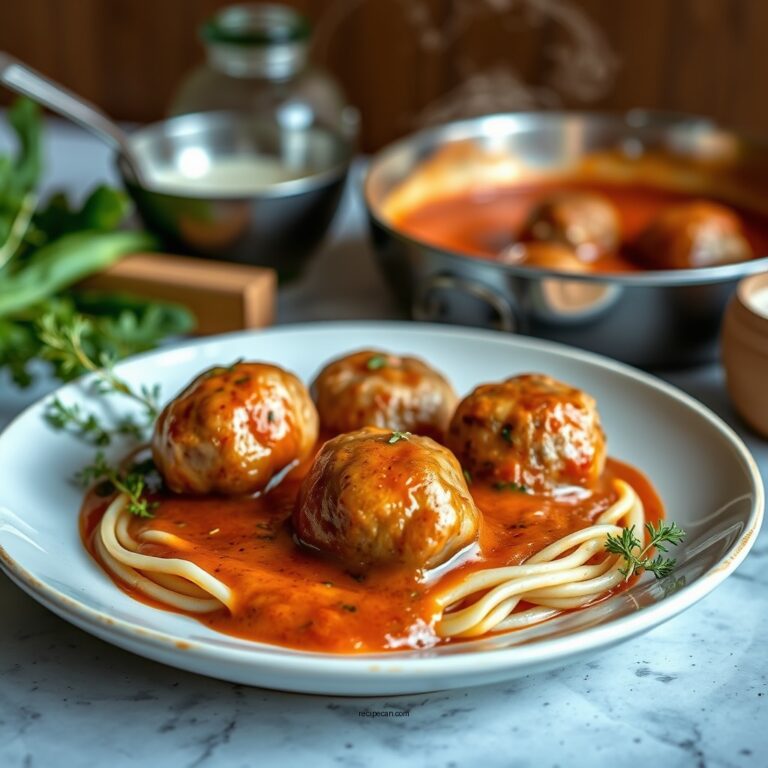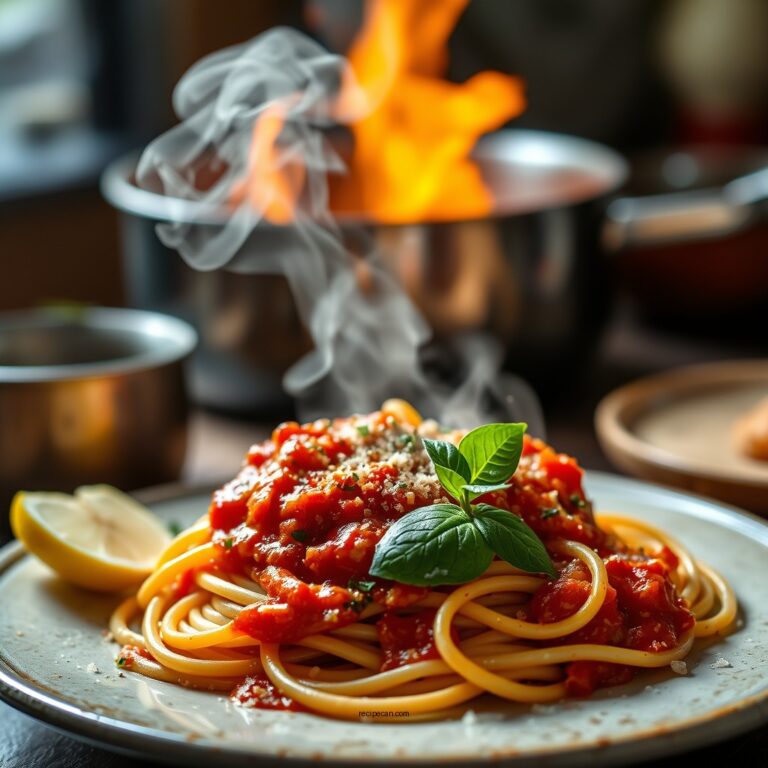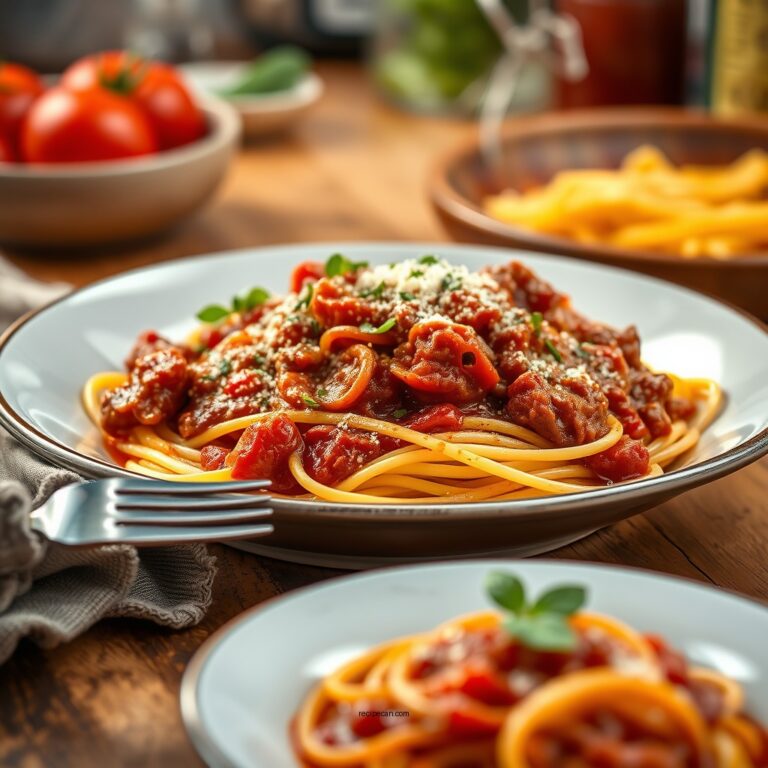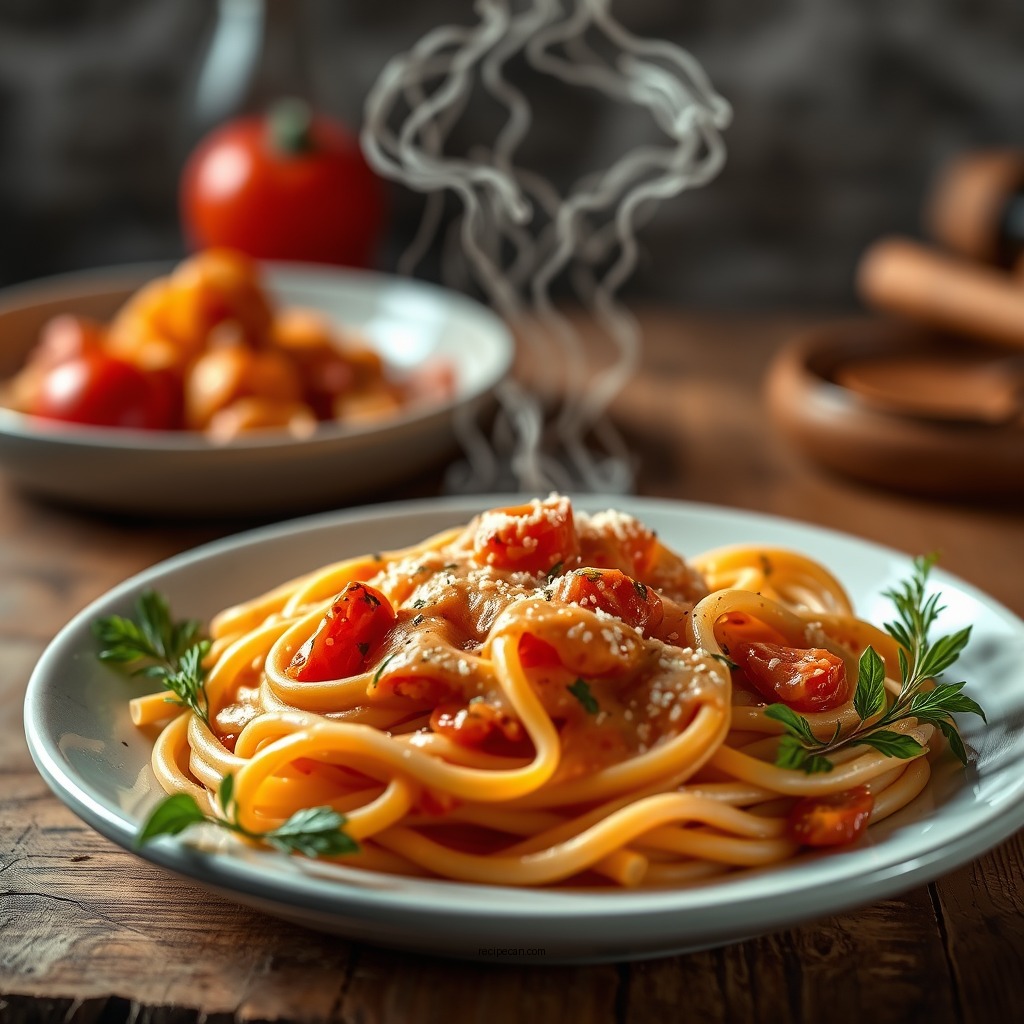
Making a delicious vodka sauce at home is simple and requires just a few key ingredients. This creamy, flavorful sauce can elevate your pasta dishes and impress your guests. In this article, you’ll learn how to make a classic vodka sauce from scratch, along with tips for perfecting it. From understanding the ingredients to exploring diverse pasta pairings, this guide will empower you to create a restaurant-quality dish in your own kitchen.
Ingredients You’ll Need
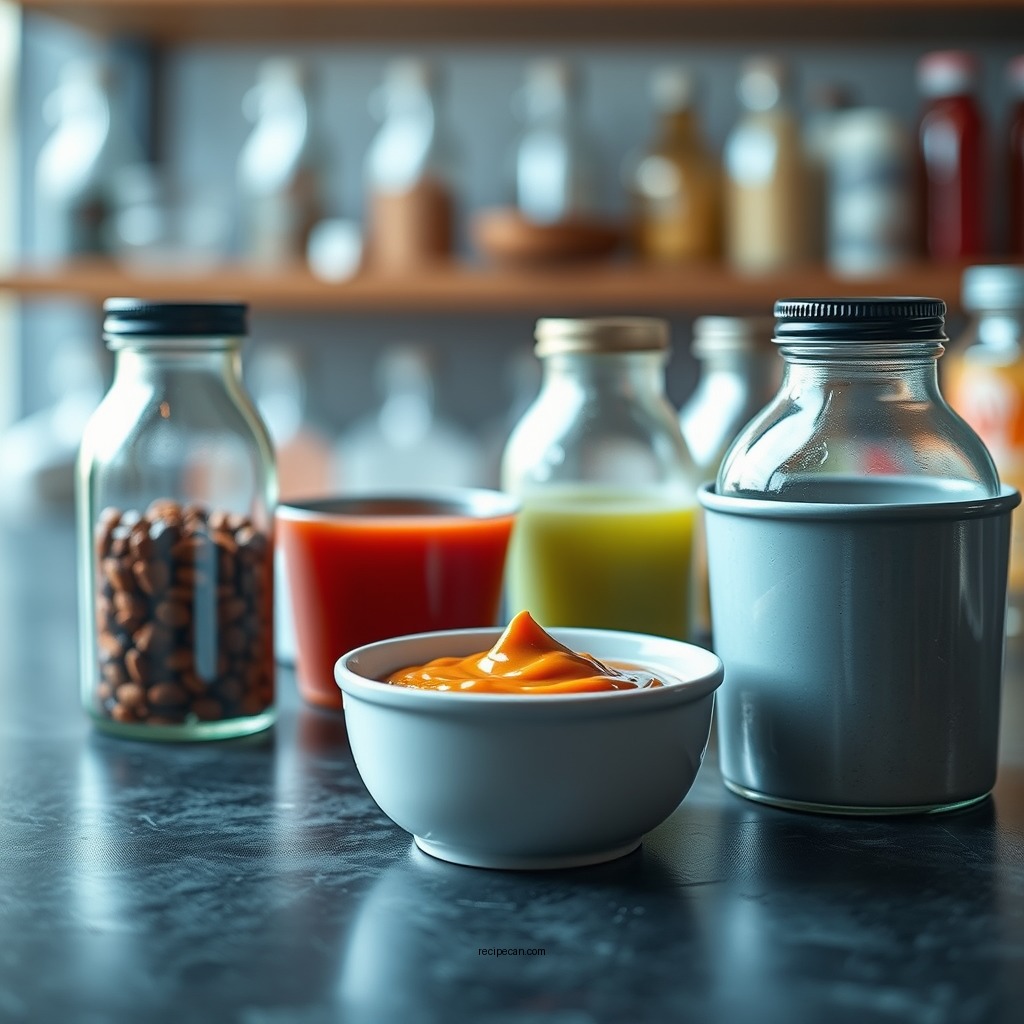
To embark on your vodka sauce-making journey, you’ll need a few essential ingredients that combine to create a rich and savory flavor profile. Here’s a detailed breakdown:
– Olive Oil, Butter, and Garlic: These ingredients serve as the flavorful base of your sauce. The olive oil adds a fruity note, while butter contributes creaminess and depth. Garlic, when sautéed, releases its aromatic oils, enhancing the overall flavor.
– Crushed Tomatoes and Heavy Cream: Crushed tomatoes provide a tangy base that complements the vodka, while heavy cream adds a luxurious creaminess that binds the sauce together. The balance of acidity from the tomatoes and richness from the cream is what makes vodka sauce so appealing.
– Vodka: Although it might seem counterintuitive, vodka plays a crucial role in this sauce. It helps to enhance the flavors of the tomatoes and cream by adding a subtle warmth and depth that transforms the sauce from ordinary to extraordinary.
Step-by-Step Cooking Instructions
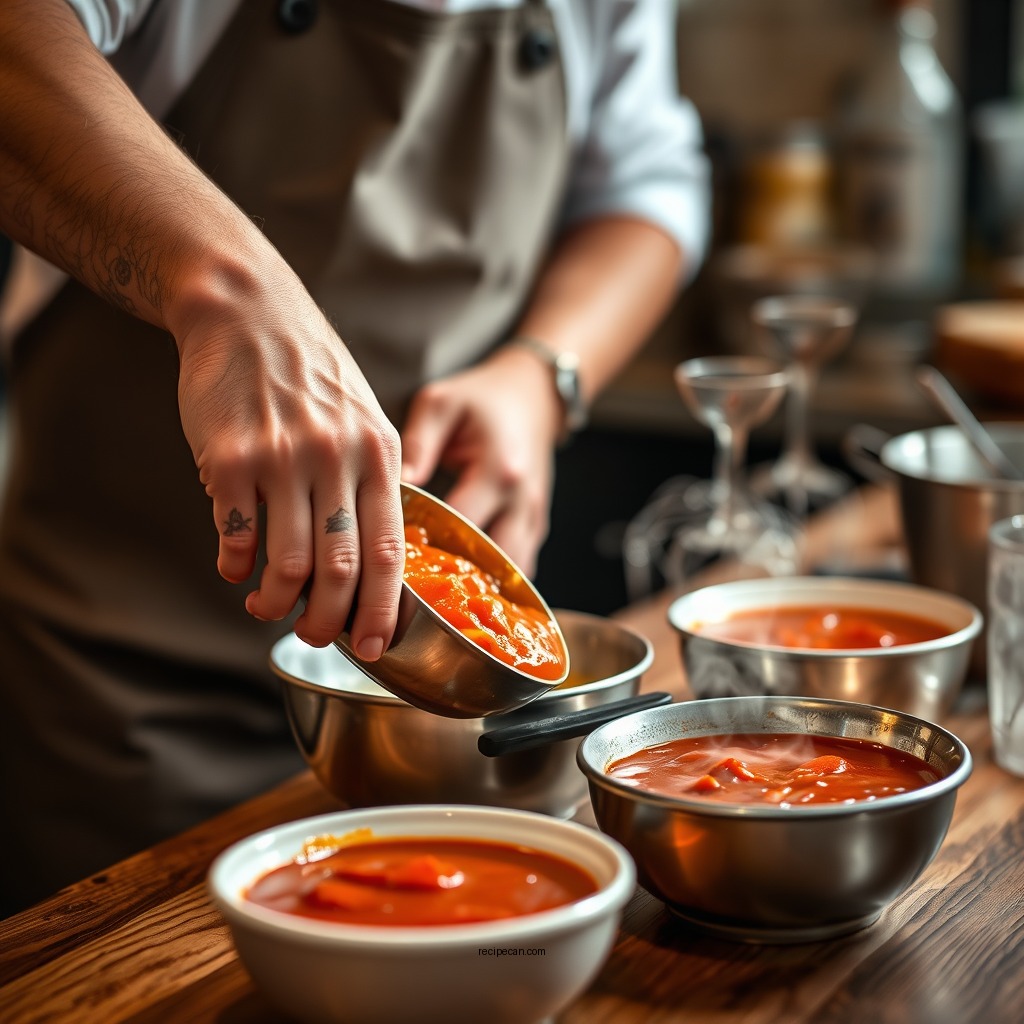
Creating vodka sauce is straightforward and can usually be accomplished in under 30 minutes. Follow these step-by-step instructions to achieve a perfect sauce:
1. Sauté the Garlic: In a medium saucepan, heat a tablespoon of olive oil and a tablespoon of butter over medium heat. Add 2-3 minced garlic cloves and sauté until fragrant, about 1-2 minutes. Be cautious not to burn the garlic, as it can impart a bitter taste.
2. Add the Crushed Tomatoes: Once the garlic is aromatic, incorporate one can (about 28 ounces) of crushed tomatoes. Stir well and bring to a gentle simmer. Allow the mixture to simmer for about 15 minutes, stirring occasionally. This simmering process helps to deepen the flavors and reduce the acidity of the tomatoes.
3. Incorporate the Vodka: After simmering, add ½ cup of vodka to the sauce. Let it cook for an additional 5-7 minutes. This step is crucial as it allows the alcohol to evaporate, leaving behind its flavor without the harshness of raw vodka.
4. Finish with Heavy Cream: Lastly, reduce the heat to low and stir in 1 cup of heavy cream. Mix until fully combined, and let it warm through for a couple of minutes. Taste and adjust seasoning with salt and pepper as needed.
5. Serve: Your vodka sauce is now ready to be tossed with your favorite pasta!
Tips for Perfecting Your Vodka Sauce
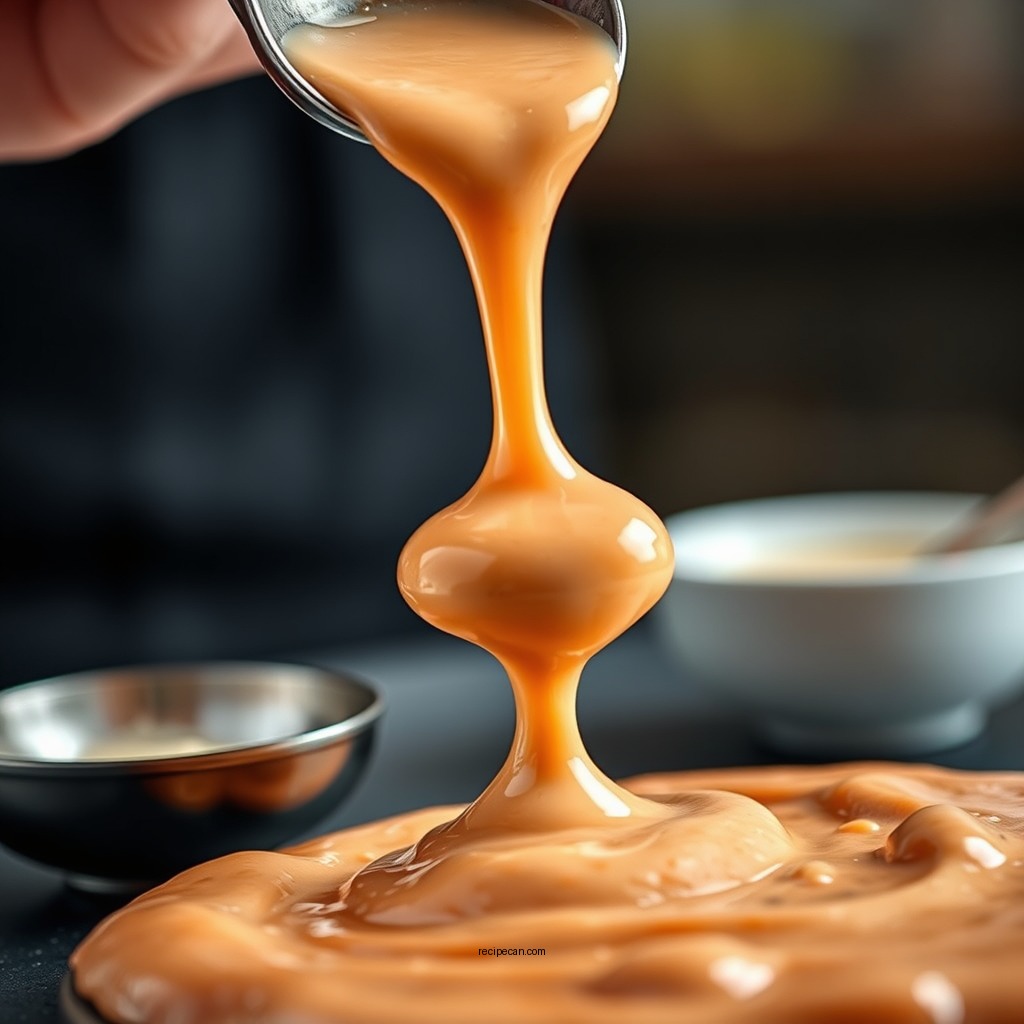
To truly master your vodka sauce, consider the following tips:
– Use High-Quality Vodka: The quality of the vodka you choose can significantly affect the taste of your sauce. Opt for a mid-range vodka that you enjoy drinking, as its flavor will be present in the final dish.
– Adjust the Creaminess: The amount of heavy cream can be modified to suit your preference. For a lighter sauce, reduce the cream; for a richer texture, add more.
– Spice it Up: For those who enjoy a little heat, sprinkle in some red pepper flakes during the simmering process. This addition can elevate the flavor complexity and provide a delightful kick.
Suggested Pasta Pairings
Vodka sauce is versatile and pairs well with various pasta types. Here are some suggestions:
– Penne: The classic choice, penne’s tubular shape captures the sauce perfectly, ensuring every bite is flavorful.
– Spaghetti: For a traditional Italian experience, spaghetti is always a hit. The long strands soaked in creamy sauce create a satisfying dish.
– Fettuccine: This flat pasta offers a different textural experience and holds the sauce beautifully.
– Gnocchi: For a hearty twist, consider pairing vodka sauce with gnocchi. The fluffy potato dumplings complement the sauce’s richness.
Storage and Reheating Tips
If you have leftover vodka sauce, proper storage and reheating are essential to maintain its quality:
– Storage: Allow the sauce to cool completely before transferring it to an airtight container. It can be stored in the refrigerator for up to a week.
– Reheating: When reheating, do so gently on the stove over low heat. If the sauce appears too thick, add a splash of cream or water to loosen it.
– Freezing: Vodka sauce can also be frozen for up to three months. Store it in freezer-safe containers, leaving some space for expansion. Thaw in the refrigerator overnight before reheating.
Variations to Try
While the classic vodka sauce is delicious on its own, consider these variations to enhance your dish:
– Add Vegetables: Incorporate sautéed mushrooms, spinach, or bell peppers for added nutrition and flavor.
– Experiment with Herbs: Fresh herbs like basil or oregano can complement the sauce beautifully. Consider adding them toward the end of cooking for a burst of freshness.
– Vegan Version: For a plant-based alternative, substitute heavy cream with coconut cream and use a plant-based vodka. This version offers a unique twist while remaining creamy and satisfying.
Top Ingredients for a Classic Vodka Sauce
| # | Ingredient | Amount | Flavor Profile |
|---|---|---|---|
| 1 | Olive Oil | 1 tbsp | Fruity, Mild |
| 2 | Butter | 1 tbsp | Creamy, Rich |
| 3 | Garlic | 2-3 cloves | Aromatic, Pungent |
| 4 | Crushed Tomatoes | 1 can (28 oz) | Tangy, Sweet |
| 5 | Vodka | ½ cup | Smooth, Mild |
| 6 | Heavy Cream | 1 cup | Rich, Creamy |
| 7 | Salt & Pepper | To taste | Seasoning |
Popular Pasta Types for Vodka Sauce
In summary, this easy vodka sauce recipe provides a quick and delicious way to enhance your pasta meals. With just a handful of ingredients and a few simple steps, you can create a creamy sauce that rivals those found in high-end restaurants. Feel free to experiment with different variations and pairings to make it your own. Try it out tonight and impress your family or guests with a homemade touch. Don’t forget to share your results or any variations you create!
Frequently Asked Questions
What ingredients are needed for a classic vodka sauce recipe?
A classic vodka sauce recipe typically requires ingredients like crushed tomatoes, heavy cream, vodka, garlic, onion, and Parmesan cheese. Some variations may include red pepper flakes for heat and fresh basil for added flavor. These ingredients combine to create a rich, creamy sauce that’s perfect for pasta dishes.
How do you make vodka sauce from scratch?
To make vodka sauce from scratch, start by sautéing minced garlic and onion in olive oil until soft. Add crushed tomatoes and vodka, allowing it to simmer to cook off the alcohol, then stir in heavy cream and Parmesan cheese until smooth. Season with salt, pepper, and red pepper flakes to taste for a delicious and easy homemade vodka sauce.
Why does vodka enhance the flavor of tomato sauce?
Vodka enhances the flavor of tomato sauce by helping to extract and release flavors from the tomatoes and other ingredients. The alcohol in vodka acts as a solvent, allowing fat-soluble flavors to meld together, resulting in a richer and more complex sauce. This unique quality makes vodka sauce a popular choice for pasta dishes.
What is the best pasta to serve with vodka sauce?
The best pasta to serve with vodka sauce includes penne, rigatoni, or farfalle, as their shapes hold the sauce well. Penne is particularly popular due to its tubular shape, which captures the creamy sauce inside. Choosing the right pasta will elevate your vodka sauce experience and ensure each bite is flavorful.
Which variations can I try to customize my vodka sauce recipe?
You can customize your vodka sauce recipe by adding ingredients like sautéed mushrooms, spinach, or cooked sausage for added texture and flavor. For a spicy kick, incorporate crushed red pepper or hot Italian sausage. Experimenting with different cheeses, such as ricotta or goat cheese, can also create unique flavor profiles, making your vodka sauce truly your own.
References
- Penne alla vodka
https://en.wikipedia.org/wiki/Vodka_sauce - https://www.britannica.com/topic/vodka-sauce
https://www.britannica.com/topic/vodka-sauce - https://www.sciencedirect.com/topics/food-science/vodka-sauce
https://www.sciencedirect.com/topics/food-science/vodka-sauce - Google Scholar Google Scholar
https://scholar.google.com/scholar?q=vodka+sauce+recipe - Google Scholar Google Scholar
https://scholar.google.com/scholar?q=vodka+sauce+culinary+history - Google Scholar Google Scholar
https://scholar.google.com/scholar?q=vodka+sauce+ingredients - NYT Cooking – Recipes and Cooking Guides From The New York Times
https://www.nytimes.com/recipes/1019293/vodka-sauce - https://www.cdc.gov/nutrition/resources-publications/food-safety.html
https://www.cdc.gov/nutrition/resources-publications/food-safety.html - https://www.bbc.com/food/recipes/vodka_sauce_24864
https://www.bbc.com/food/recipes/vodka_sauce_24864 - Page Not Found – Site Help – Mayo Clinic
https://www.mayoclinic.org/healthy-lifestyle/nutrition-and-healthy-eating/expert-answers/what-is-the-nutritional-value-of-vodka/faq-20057706