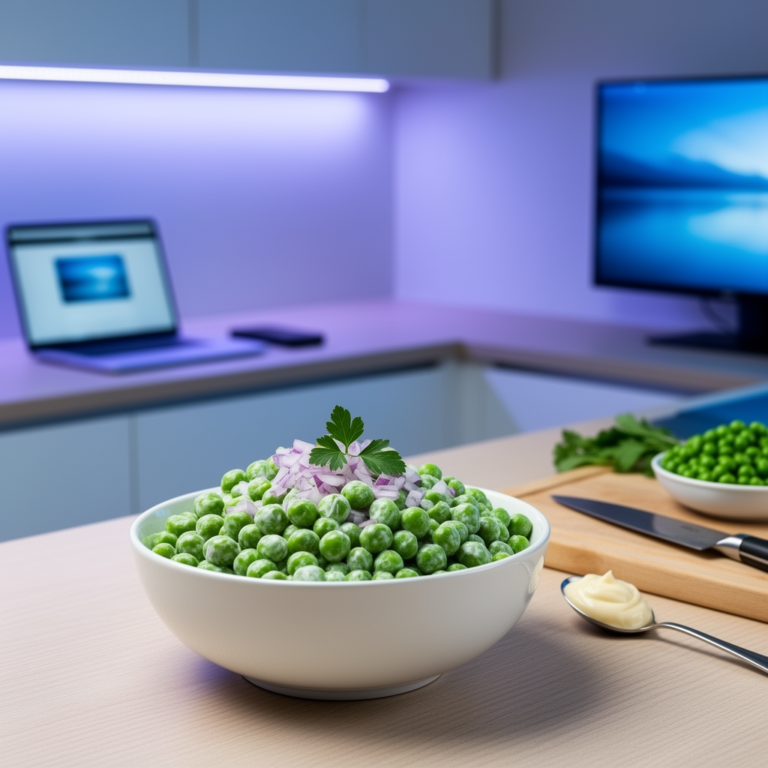
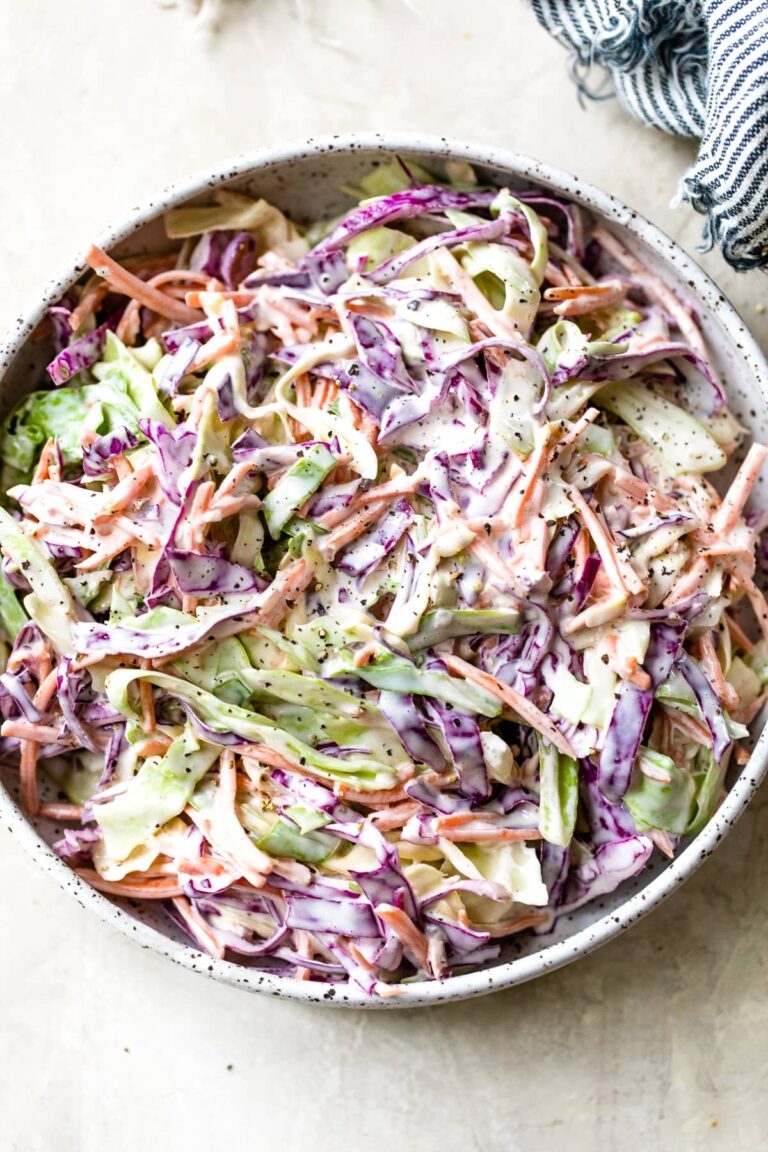
This easy veg mayonnaise recipe stands out as the ultimate choice for anyone seeking a delicious, plant-based spread that rivals traditional options. With just a few simple ingredients, you can whip up a creamy and flavorful mayonnaise that enhances sandwiches, dips, and salads. Discover how this homemade alternative not only satisfies your taste buds but also aligns with a healthier lifestyle. Say goodbye to store-bought versions and embrace the freshness of your own creation.
Making your own veg mayonnaise at home is incredibly easy and requires just a handful of ingredients. This creamy, plant-based alternative not only caters to vegan diets but also enhances the flavor of sandwiches, salads, and dips. In this article, you’ll learn how to whip up your own veg mayonnaise in no time, allowing you to enjoy a homemade spread that is both healthy and delicious.
Ingredients Needed for Veg Mayonnaise

To create a rich and creamy veg mayonnaise, you’ll need a few essential ingredients. The base can be made from silken tofu or aquafaba, both of which provide the necessary creaminess without the use of eggs or dairy. Silken tofu is particularly popular due to its smooth texture, while aquafaba, the liquid from canned chickpeas, is an excellent alternative for those looking to avoid soy.
In addition to the base, you will require flavor enhancers to give your mayonnaise that zesty kick. Lemon juice is crucial for acidity and freshness, mustard adds a tangy depth, and garlic can be included for an aromatic touch. Other optional ingredients may include nutritional yeast for a cheesy flavor or a splash of vinegar to further balance the richness of the mayo.
Step-by-Step Preparation Guide

Creating your veg mayonnaise is a straightforward process. Follow these steps for a perfect result:
1. Blend the Base Ingredients: Start by adding your chosen base (silken tofu or aquafaba) into a high-speed blender. Add a tablespoon of lemon juice, a teaspoon of mustard, and a clove of garlic (if desired). Blend these ingredients until they are completely smooth and creamy, which should take about 30 seconds.
2. Add Oil Gradually: With the blender running, slowly drizzle in approximately ¾ cup of neutral oil, such as sunflower or canola oil. This step is essential for emulsification, resulting in a thick and creamy texture. Continue blending until the mixture has reached your desired consistency.
3. Adjust Seasoning: Once blended, taste your mayonnaise and adjust the seasoning. You may want to add salt, pepper, or additional lemon juice based on your preference.
By following these simple steps, you’ll have a delicious veg mayonnaise ready in just a few minutes.
Flavor Variations to Try

One of the best aspects of homemade veg mayonnaise is its versatility. Here are some flavor variations you can experiment with:
– Herb-Infused Mayo: Incorporate fresh or dried herbs such as dill, basil, or chives into your mayonnaise for an aromatic twist. Simply blend these herbs in with the base ingredients.
– Spicy Mayo: If you enjoy a bit of heat, consider adding spices like paprika, cayenne, or even sriracha. These spices can provide a delightful kick that pairs wonderfully with sandwiches and wraps.
– Smoky Flavor: For a smoky flavor, try adding a small amount of smoked paprika or liquid smoke. This can elevate the taste of your veg mayonnaise, making it perfect for barbecued or grilled dishes.
Here’s a quick comparison of flavor variations you can try:
Flavor Variations for Veg Mayonnaise
| Flavor Variation | Ingredients | Usage |
|---|---|---|
| Herb-Infused | Dill, Basil | Sandwiches, Salads |
| Spicy | Cayenne, Sriracha | Wraps, Dips |
| Smoky | Smoked Paprika | Grilled Veggies |
| Garlic & Herb | Garlic, Parsley | Dips, Spreads |
| Citrus Zest | Lemon Zest | Salads, Sandwiches |
| Beetroot | Cooked Beetroot | Colorful Spreads |
| Avocado | Avocado | Creamy Dips |
Tips for Perfecting Your Veg Mayonnaise

To ensure that your homemade veg mayonnaise turns out perfectly every time, consider the following tips:
– Use Chilled Ingredients: Starting with chilled silken tofu or aquafaba can help achieve better emulsification. Cold ingredients blend more smoothly and create a thicker consistency.
– Adjust Seasoning to Taste: Don’t hesitate to taste your mayonnaise as you prepare it. Adjusting the salt, acidity, and other seasonings during the blending process will help you achieve a balanced flavor profile.
– Experiment with Oils: While neutral oils are typically used, you can experiment with different oils such as olive or avocado oil to add unique flavors and health benefits.
Implementing these tips will enhance the quality of your veg mayonnaise and make it a standout addition to your meals.
Storage and Shelf Life

Once you’ve prepared your veg mayonnaise, it’s important to store it properly to maintain its freshness. Transfer the mayonnaise to an airtight container and store it in the refrigerator. Properly stored, your veg mayonnaise can last for about 5-7 days. However, it’s always best to consume it as soon as possible for the best flavor and texture.
If you notice any changes in smell, color, or texture, it’s advisable to discard the mayonnaise to ensure food safety.
Serving Suggestions
Your homemade veg mayonnaise can be used in a variety of delicious ways:
– Pair with Fresh Vegetables: Serve your veg mayonnaise as a dip alongside fresh vegetables and crackers for a healthy snack option that is both satisfying and nutritious.
– Spread on Sandwiches or Wraps: Use your creamy veg mayonnaise as a spread on sandwiches or wraps, adding flavor and moisture to your meals. It works beautifully with both grilled and cold sandwiches.
– Enhance Salads: Mix your veg mayonnaise into salads, whether it be a classic potato salad, coleslaw, or pasta salad, to provide creaminess without the dairy.
These serving suggestions not only enhance the flavors of your dishes but also provide a wholesome alternative to traditional mayonnaise.
Common Mistakes to Avoid
When making veg mayonnaise, certain common pitfalls can lead to undesirable results. Here are some mistakes to avoid:
– Over-Blending: While blending is essential for achieving a creamy texture, over-blending can lead to a watery consistency. Blend just until smooth and creamy, then stop.
– Neglecting to Taste: Failing to taste your mayonnaise as you go can result in unbalanced flavors. Always sample and adjust seasoning to ensure the best outcome.
– Using Too Much Oil: Adding oil too quickly can hinder emulsification, leading to an unstable mayonnaise. Gradually incorporate the oil while blending for the best texture.
By being mindful of these common mistakes, you can craft a superior veg mayonnaise that delights your palate.
Crafting your own veg mayonnaise not only allows for flavor customization but also ensures that you know exactly what’s in your spread. With these easy steps, tips, and variations, you can enjoy a delicious, plant-based mayonnaise that enhances your favorite dishes. Experiment with this recipe today and impress your friends and family with your homemade creation!
Frequently Asked Questions
What ingredients do I need for a basic veg mayonnaise recipe?
To make a basic veg mayonnaise, you will need 1 cup of neutral oil (like sunflower or canola), 1 cup of soy milk or any non-dairy milk, 1 tablespoon of apple cider vinegar or lemon juice, and a pinch of salt. These simple ingredients come together to create a creamy, egg-free mayonnaise that is perfect for vegan diets.
How can I make my veg mayonnaise thicker?
To achieve a thicker consistency in your veg mayonnaise, you can gradually add more oil while blending. Additionally, using less non-dairy milk or incorporating a tablespoon of cornstarch can help to thicken the mixture. Blending the ingredients at a lower speed can also contribute to a creamier texture.
Why is my veg mayonnaise not emulsifying properly?
If your veg mayonnaise isn’t emulsifying, it may be due to adding the oil too quickly or using ingredients that are too cold. To fix this, ensure all ingredients are at room temperature and drizzle the oil slowly while blending continuously. If it still doesn’t emulsify, you can try adding a teaspoon of mustard to help stabilize the emulsion.
What is the best way to store homemade veg mayonnaise?
The best way to store homemade veg mayonnaise is in an airtight container in the refrigerator. It can last up to 1 week if stored properly. Make sure to give it a good stir before each use, as some separation may occur over time.
Which variations can I try to enhance my veg mayonnaise recipe?
To enhance your veg mayonnaise, consider adding flavors like garlic, herbs, or spices. For example, mixing in fresh basil or dill can create a herb-infused mayo, while adding roasted garlic can give it a savory twist. You can also experiment with different vinegars, such as balsamic or red wine vinegar, to change the flavor profile.
References
- Mayo
https://en.wikipedia.org/wiki/Mayo - Checking your browser – reCAPTCHA
https://www.ncbi.nlm.nih.gov/pmc/articles/PMC4610686/ - A Fully-Adjusted Two-Stage Procedure for Rank Normalization in Genetic Association Studies – PMC
https://www.ncbi.nlm.nih.gov/pmc/articles/PMC6416071/ - https://www.sciencedirect.com/topics/food-science/mayonnaise
https://www.sciencedirect.com/topics/food-science/mayonnaise - Vegan mayonnaise recipe no soy | Good Food
https://www.bbcgoodfood.com/recipes/vegan-mayonnaise - https://www.theguardian.com/food/2021/apr/17/how-to-make-perfect-vegan-mayonnaise
https://www.theguardian.com/food/2021/apr/17/how-to-make-perfect-vegan-mayonnaise - https://www.healthline.com/nutrition/vegan-mayonnaise
https://www.healthline.com/nutrition/vegan-mayonnaise - Google Scholar Google Scholar
https://scholar.google.com/scholar?q=veg+mayonnaise+recipe - Google Scholar Google Scholar
https://scholar.google.com/scholar?q=homemade+vegan+mayonnaise - Google Scholar Google Scholar
https://scholar.google.com/scholar?q=plant-based+mayonnaise+recipe