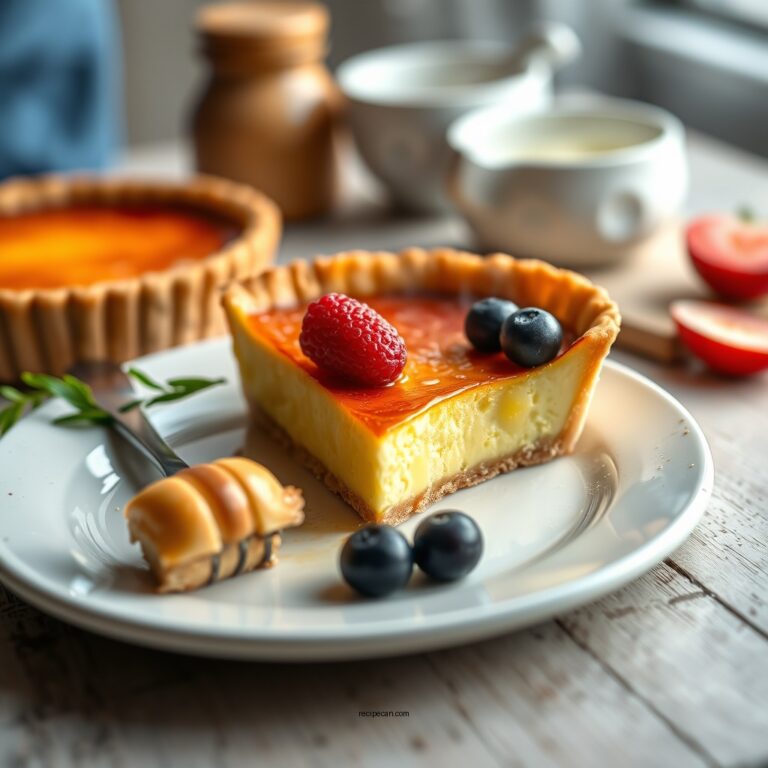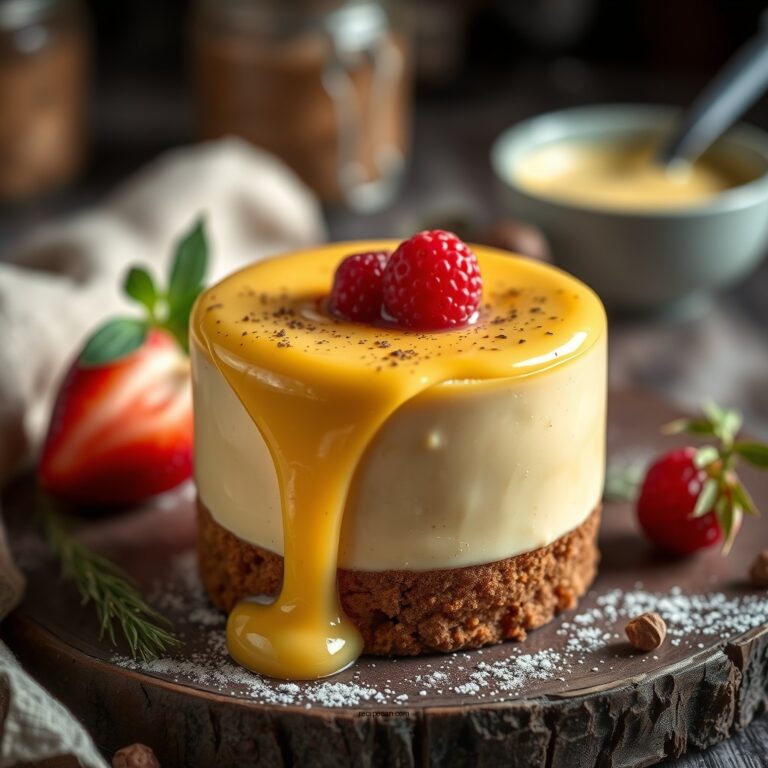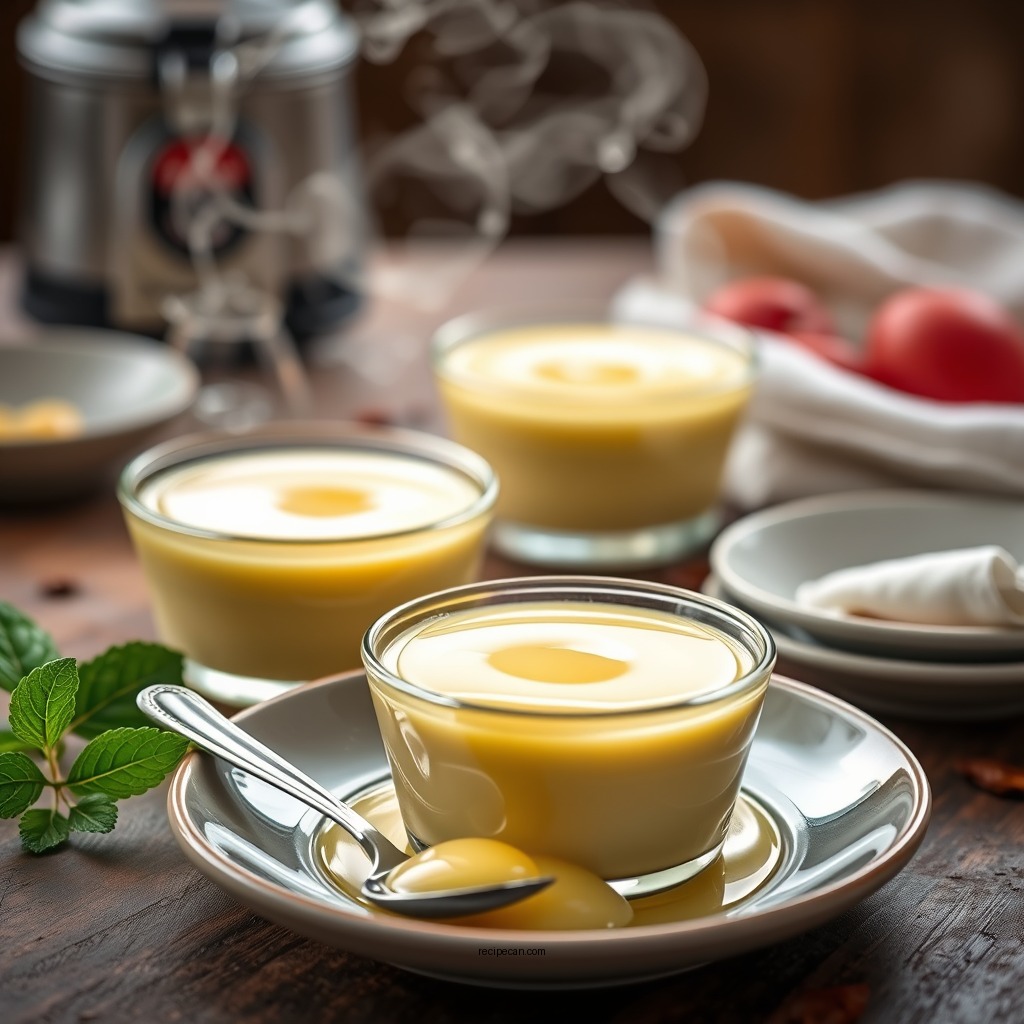
Creating a delicious vanilla custard at home is simple and requires just a few ingredients. In this article, you’ll learn how to prepare a creamy and rich vanilla custard that can be enjoyed on its own or used as a delightful filling for various desserts. With straightforward steps and a few tips, you will master this classic recipe and impress your family and friends with your culinary skills.
Ingredients Needed
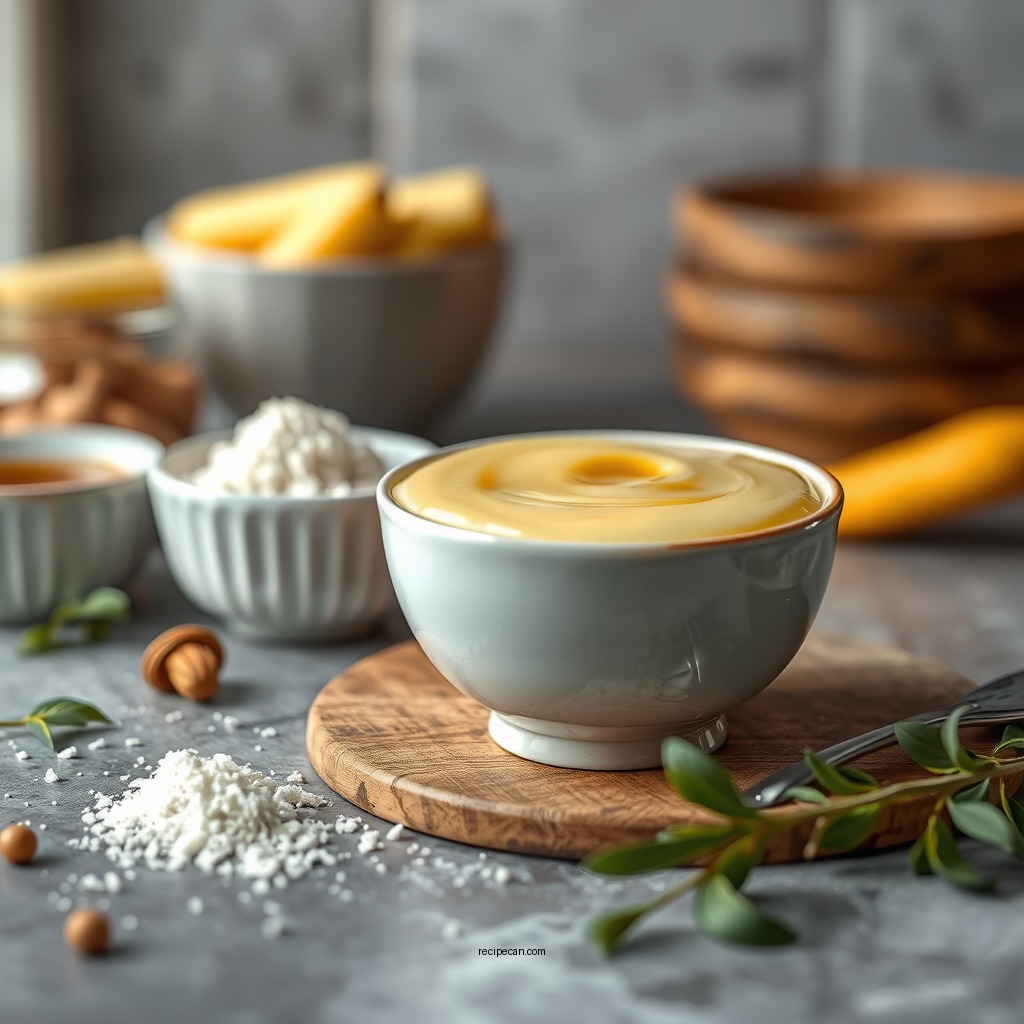
To make a perfect vanilla custard, you will need the following essential ingredients:
– Milk: 2 cups (whole milk is recommended for a creamier texture).
– Heavy Cream: 1 cup (this adds richness).
– Granulated Sugar: 3/4 cup (adjust to taste).
– Egg Yolks: 4 large (these provide stability and richness).
– Vanilla Extract: 1 tablespoon (or the seeds from one vanilla bean for an even more intense flavor).
– Cornstarch: 2 tablespoons (this helps to thicken the custard).
When selecting vanilla extract, opt for high-quality pure vanilla extract rather than imitation. Pure extracts are sourced from real vanilla beans and provide a far superior flavor. Look for extracts that are dark brown in color and have a rich aroma, indicating they are made from real vanilla beans.
Preparation Steps

1. Combine Ingredients: In a medium saucepan, mix the milk and cream together over medium heat. Stir in the sugar until dissolved.
2. Whisk Egg Yolks: In a separate bowl, whisk together the egg yolks and cornstarch until well combined.
3. Temper the Eggs: Once the milk mixture begins to steam (but not boil), slowly pour about half of it into the egg yolk mixture, whisking constantly. This process, known as tempering, prevents the eggs from curdling by gradually raising their temperature.
4. Combine Mixtures: Pour the tempered egg mixture back into the saucepan with the remaining milk mixture.
5. Cook the Custard: Continue to cook over medium-low heat, stirring constantly until the custard thickens enough to coat the back of a spoon (this usually takes about 5-10 minutes).
6. Add Vanilla: Remove from heat and stir in the vanilla extract.
7. Strain (Optional): For an ultra-smooth texture, strain the custard through a fine-mesh sieve to remove any lumps or cooked egg pieces.
8. Cool: Transfer the custard to a bowl, cover with plastic wrap (pressing it directly on the surface to prevent a skin from forming), and let it cool to room temperature before refrigerating.
Tempering the eggs is crucial; if done improperly, you risk scrambling the eggs, which will compromise the smooth texture of your custard.
Cooking Techniques
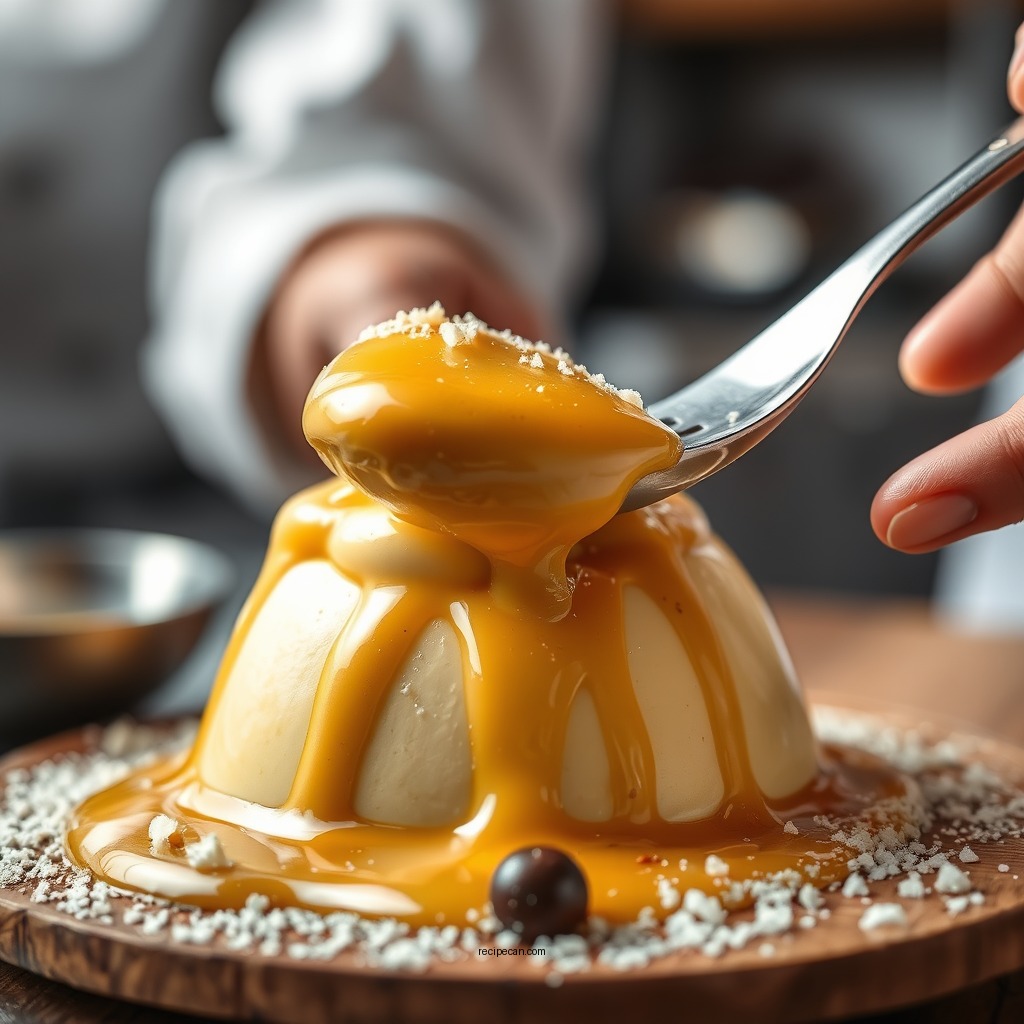
The stovetop method is the most traditional approach for making custard. Here are some tips to achieve the perfect consistency:
– Temperature Control: Always cook over medium to medium-low heat. High heat can cause the custard to cook unevenly and curdle.
– Constant Stirring: Stir continuously with a wooden spoon or silicone spatula to prevent the custard from sticking to the bottom of the pan and burning.
– Visual Cues: The custard is ready when it thickens enough to coat the back of the spoon. You can test this by dipping the spoon into the custard and running your finger across the back; if it holds the line, it’s done.
📋 DATA
Nutritional Comparison of Custard Ingredients
| # | Ingredient | Calories (per 100g) | Fat (g) | Sugar (g) |
|---|---|---|---|---|
| 1 | Whole Milk | 61 | 3.4 | 5 |
| 2 | Heavy Cream | 345 | 37 | 0.4 |
| 3 | Granulated Sugar | 387 | 0 | 100 |
| 4 | Egg Yolks | 322 | 27 | 0.6 |
| 5 | Vanilla Extract | 288 | 0.1 | 0.4 |
| 6 | Cornstarch | 381 | 0.1 | 0.1 |
📈 CHART
Cooking Time vs. Custard Thickness
Cooling and Serving Suggestions
Once your custard is ready, cooling it properly is essential for achieving the best texture. Here are some tips for cooling:
– Immediate Cooling: After cooking, pour the custard into a bowl and cover it with plastic wrap, pressing it directly against the surface to avoid a skin forming. Allow it to cool at room temperature before transferring it to the refrigerator.
– Chill Thoroughly: Let the custard chill in the refrigerator for at least 2-3 hours, or until completely set.
For serving suggestions, vanilla custard can be enjoyed on its own, garnished with fresh berries or a sprinkle of cinnamon. It also makes an excellent filling for pastries, tarts, or trifles. Consider pairing it with poached fruits or incorporating it into a layered dessert for added elegance.
Variations of Vanilla Custard
While vanilla custard is a classic, there are numerous flavor variations you can experiment with:
– Chocolate Custard: Add melted chocolate to the base custard mixture, whisking until fully incorporated. Use high-quality cocoa powder for a richer flavor.
– Coffee Custard: Infuse the milk with coffee beans or instant coffee granules before combining with the egg yolks, providing a delightful coffee flavor.
– Alternative Milks: For a dairy-free version, consider substituting whole milk and cream with almond milk, coconut milk, or oat milk. Each will impart its unique flavor and texture.
These variations can add an exciting twist to the traditional recipe, catering to different tastes and dietary preferences.
Common Mistakes to Avoid
When making custard, there are several pitfalls to watch out for:
– Cooking at Too High a Temperature: This can lead to curdled eggs, resulting in a lumpy custard. Always maintain a low, steady heat.
– Not Stirring Continuously: Failing to stir can cause the custard to stick and scorch, altering the flavor and texture.
– Overcooking: If the custard thickens too much, it may become grainy. Remove it from heat as soon as it coats the back of a spoon.
If your custard does break or curdle, you can salvage it by blending it with a hand blender to achieve a smooth consistency.
Storing and Reheating Custard
To ensure your custard remains fresh, follow these best practices:
– Storage: Store leftover custard in an airtight container in the refrigerator. It typically lasts for about 3-4 days.
– Reheating: When reheating custard, do so gently over low heat, stirring continuously. Avoid boiling, as this can lead to separation or curdling. If the custard appears too thick, whisk in a little milk or cream to restore its creamy texture.
Summarizing the key steps to create a perfect vanilla custard, you now have the tools and knowledge to impress your friends and family with this classic dessert. Don’t hesitate to experiment with flavors or uses for your custard, and enjoy the delightful results!
Frequently Asked Questions
What ingredients do I need for a classic vanilla custard recipe?
To make a classic vanilla custard, you will need whole milk, heavy cream, granulated sugar, egg yolks, and pure vanilla extract. These simple ingredients combine to create a rich and creamy custard that can be used in various desserts or enjoyed on its own.
How do I prevent my vanilla custard from curdling during cooking?
To prevent curdling when making vanilla custard, it’s essential to gradually heat the mixture and stir constantly. Temper the egg yolks by slowly adding a bit of the hot milk mixture before combining everything, which helps to raise the temperature of the eggs gradually without cooking them too quickly.
Why is my vanilla custard too runny after cooling?
If your vanilla custard is too runny after cooling, it may not have been cooked long enough or at a high enough temperature to properly thicken. Ensure you cook the custard until it reaches at least 170°F (77°C) and coats the back of a spoon. Additionally, allow it to cool completely in the refrigerator to set properly.
What is the best way to use vanilla custard in desserts?
The best way to use vanilla custard is as a base for various desserts, such as trifles, tarts, or as a filling for pastries. You can also serve it warm or cold with fresh fruits, chocolate sauce, or as a topping for cakes, making it a versatile addition to your dessert repertoire.
Which type of vanilla extract is best for making vanilla custard?
For the best flavor in your vanilla custard, opt for pure vanilla extract rather than imitation vanilla. Pure vanilla extract offers a richer, more complex flavor profile that elevates the custard, making it truly delicious and appealing in both taste and aroma.
References
- Custard
https://en.wikipedia.org/wiki/Custard - https://www.bbc.co.uk/food/recipes/vanilla_custard_68239
https://www.bbc.co.uk/food/recipes/vanilla_custard_68239 - https://www.foodnetwork.com/recipes/vanilla-custard-recipe-1915969
https://www.foodnetwork.com/recipes/vanilla-custard-recipe-1915969 - Google Scholar Google Scholar
https://scholar.google.com/scholar?q=vanilla+custard+recipe - Google Scholar Google Scholar
https://scholar.google.com/scholar?q=custard+preparation+techniques - Google Scholar Google Scholar
https://scholar.google.com/scholar?q=vanilla+custard+history - https://pubmed.ncbi.nlm.nih.gov/25988210/
https://pubmed.ncbi.nlm.nih.gov/25988210/ - https://www.sciencedirect.com/topics/food-science/custard
https://www.sciencedirect.com/topics/food-science/custard - Custard | Definition, Ingredients, & Preparation | Britannica
https://www.britannica.com/topic/custard - vanilla custard recipe – Search results
https://en.wikipedia.org/wiki/Special:Search?search=vanilla+custard+recipe