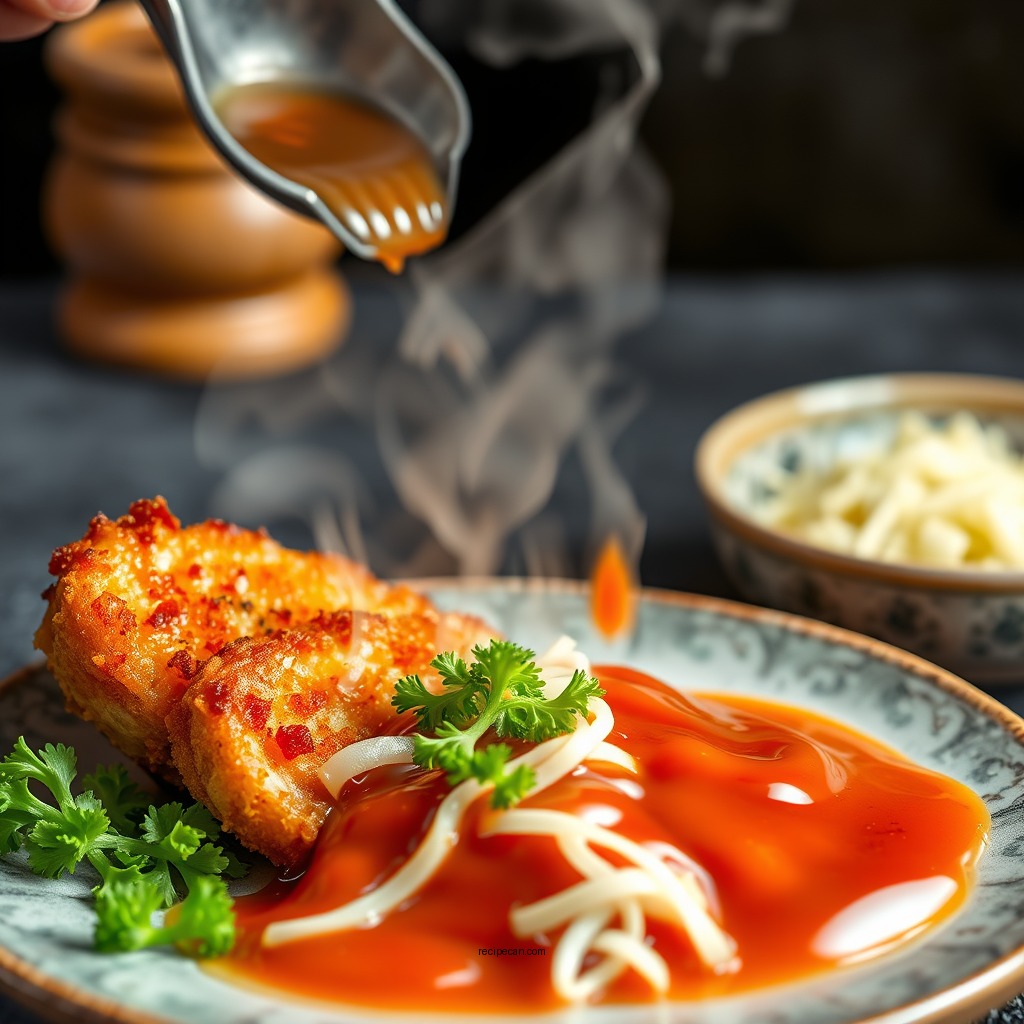
Tonkatsu sauce is a versatile condiment that adds a delightful tangy sweetness to breaded and fried pork cutlets. Making this sauce at home is not only simple but also allows you to customize the flavors to suit your taste. By following this easy recipe, you can elevate your Japanese dishes with authentic flavors, using ingredients you likely already have in your pantry.
Understanding Tonkatsu Sauce
Tonkatsu sauce is a beloved Japanese condiment that originated in the late 19th century. It is characterized by its thick, sweet, and tangy profile, making it the perfect accompaniment for tonkatsu—breaded and deep-fried pork cutlets. The sauce is traditionally made from a rich blend of fruits and vegetables, soy sauce, and various spices, resulting in a complex flavor that enhances many dishes beyond just tonkatsu.
This sauce often draws comparisons to Western sauces like barbecue sauce, but its unique combination of umami and sweetness distinguishes it in the culinary landscape. The balance of flavors in tonkatsu sauce is what makes it so versatile—it can be used as a dip, marinade, or dressing, lending itself well to both traditional Japanese cuisine and modern fusion dishes.
Essential Ingredients for Tonkatsu Sauce
To create a delicious homemade tonkatsu sauce, you will need a few key ingredients that you may already have on hand:
– Ketchup: This forms the base of the sauce, providing sweetness and a rich tomato flavor.
– Worcestershire sauce: Adds depth and a complex flavor profile with its unique blend of vinegar, molasses, and spices.
– Soy sauce: Provides a salty umami flavor that complements the sweetness of the ketchup.
– Sugar: Enhances the sweetness and balances the tanginess of the sauce.
In addition to these core ingredients, you can enhance the sauce with optional flavorings:
– Mirin: A sweet rice wine that adds sweetness and complexity.
– Mustard: Offers a gentle heat and sharpness to the sauce.
– Garlic: Fresh or powdered garlic can add a savory depth.
These ingredients not only contribute to the sauce’s distinctive taste but also allow for customization according to personal preference.
Step-by-Step Instructions
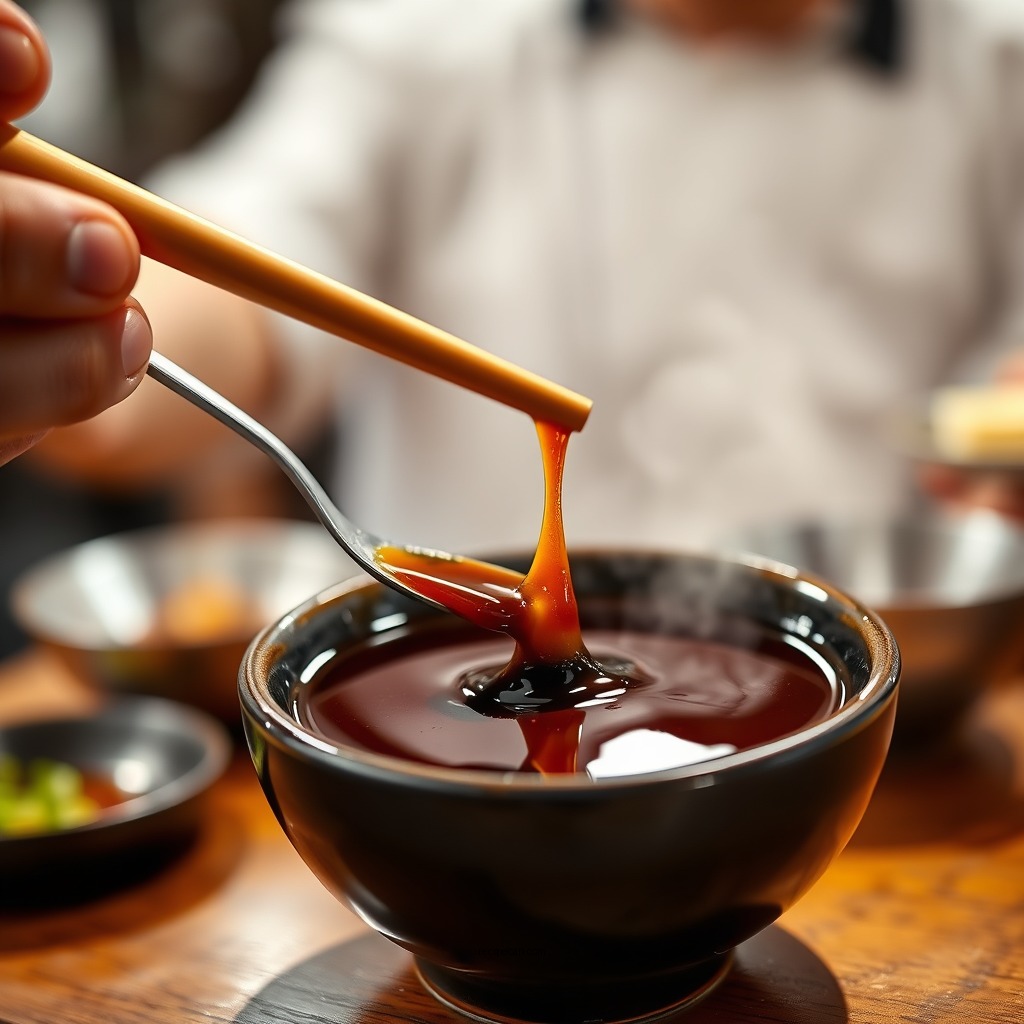
Creating your own tonkatsu sauce is straightforward. Follow these simple steps:
1. Gather your ingredients: Measure out the following quantities for a basic recipe:
– 1/2 cup of ketchup
– 2 tablespoons of Worcestershire sauce
– 1 tablespoon of soy sauce
– 1 tablespoon of sugar
– Optional: 1 tablespoon of mirin, 1 teaspoon of mustard, and 1 teaspoon of minced garlic
2. Mix the ingredients: In a medium-sized bowl, combine all the measured ingredients. Use a whisk or a fork to mix thoroughly until the sugar is dissolved and there are no lumps. The mixture should have a smooth, glossy consistency.
3. Taste and adjust: Sample your sauce and adjust the flavors as desired. If you prefer it sweeter, add more sugar. For a tangier profile, consider increasing the Worcestershire sauce or soy sauce.
4. Store the sauce: Once mixed, transfer the sauce to an airtight container. It can be refrigerated for up to two weeks, allowing the flavors to meld and deepen.
📋 DATA
Top 7 Ingredients for Homemade Tonkatsu Sauce
| # | Ingredient | Common Usage | Flavor Profile |
|---|---|---|---|
| 1 | Ketchup | Base sauce | Sweet, tangy |
| 2 | Worcestershire Sauce | Flavor enhancer | Savory, complex |
| 3 | Soy Sauce | Saltiness | Umami |
| 4 | Sugar | Sweetness | Sweet |
| 5 | Mirin | Sweetener | Sweet, mild |
| 6 | Mustard | Kick | Spicy, tangy |
| 7 | Garlic | Depth | Savory |
📈 CHART
Popularity of Tonkatsu Sauce Ingredients
Tips for Customizing Your Sauce
One of the great advantages of making tonkatsu sauce at home is the ability to tailor it to your taste preferences. Here are some tips for customization:
– Sweetness and Tanginess: Depending on your palate, you can adjust the sweetness by increasing or decreasing the sugar content. Similarly, if you prefer a more tangy sauce, increase the vinegar or Worcestershire sauce.
– Spice Level: If you’re looking to add a bit of heat, consider incorporating spices such as freshly grated ginger or a pinch of chili powder. These ingredients can elevate the flavor profile and add an exciting kick.
– Texture Variations: For a chunkier sauce, consider adding finely chopped vegetables like onions or apples, which can enhance the flavor while providing texture.
Experimenting with these ingredients can result in a unique sauce that complements your personal taste and the specific dishes you plan to serve it with.
Storing and Using Tonkatsu Sauce
After preparing your homemade tonkatsu sauce, proper storage is essential for maintaining its flavor and freshness. Here are some tips:
– Storage: Transfer the sauce into an airtight container and refrigerate it. Properly stored, it can last for up to two weeks. For longer storage, you may also consider freezing the sauce in ice cube trays for up to three months, allowing you to defrost small portions as needed.
– Usage: While tonkatsu sauce is traditionally served with pork cutlets, its versatility means it can also be used as a dipping sauce for a variety of fried dishes, such as chicken katsu or shrimp tempura. Additionally, you might consider using it as a marinade for grilled meats or a zesty dressing for salads, adding a unique flavor twist to your meals.
Serving Suggestions
Tonkatsu sauce shines when paired with traditional Japanese dishes. Here are a few serving suggestions:
– Tonkatsu: Serve it drizzled over crispy pork cutlets, allowing the sauce to soak into the meat and breadcrumbs, enhancing every bite.
– Chicken Katsu: This sauce works equally well with breaded and fried chicken cutlets, offering a delightful contrast to the savory meat.
– Vegetable Tempura: Use tonkatsu sauce as a dipping sauce for an assortment of tempura vegetables, adding a fresh and tangy flavor.
– Salads: For a unique twist, consider using tonkatsu sauce as a dressing for salads, providing a bold flavor that can elevate simple greens or slaw.
– Marinades: You can also use it as a marinade for grilled meats, imparting its rich flavors during the cooking process.
By exploring these pairing ideas, you can enjoy tonkatsu sauce beyond its traditional uses and experience its full culinary potential.
Your own homemade tonkatsu sauce can elevate your meals and is simple to make. With just a few ingredients and a bit of mixing, you’ll have a flavorful condiment that can enhance a variety of dishes. Try out this recipe today and enjoy the authentic taste of Japan right at home!
Frequently Asked Questions
What ingredients are needed to make homemade tonkatsu sauce?
To make a delicious homemade tonkatsu sauce, you will need Worcestershire sauce, ketchup, soy sauce, sugar, and a hint of mustard. Some recipes also include mirin for sweetness and complexity. These ingredients combine to create a rich, tangy flavor that perfectly complements tonkatsu, the Japanese breaded pork cutlet.
How do you adjust the flavor of tonkatsu sauce to suit your taste?
You can easily customize the flavor of your tonkatsu sauce by adjusting the proportions of the ingredients. For a sweeter sauce, add more sugar or ketchup; for a tangier profile, increase the Worcestershire sauce. Experimenting with the ratio allows you to create a sauce that perfectly matches your palate and enhances your tonkatsu dish.
Why is tonkatsu sauce important for the dish?
Tonkatsu sauce is essential because it adds a burst of flavor that balances the richness of the fried pork cutlet. Its sweet and tangy profile complements the savory, crispy texture of tonkatsu, elevating the overall dining experience. Without this sauce, the dish would lack the signature taste that makes tonkatsu so beloved.
What is the best way to store homemade tonkatsu sauce?
The best way to store homemade tonkatsu sauce is in an airtight container in the refrigerator, where it can last for up to a month. Make sure to label the container with the date it was made. For longer storage, you can also freeze the sauce in ice cube trays and transfer the frozen cubes to a zip-top bag, allowing you to use small portions as needed.
Which type of tonkatsu sauce is best for specific dishes?
The best type of tonkatsu sauce for your dish often depends on personal preference and the accompanying ingredients. If you’re serving it with classic tonkatsu, a traditional tonkatsu sauce with a balance of sweetness and tanginess works best. For a spicier kick, consider adding chili sauce or sriracha to your homemade recipe, which pairs well with other fried foods like shrimp or vegetables.
References
- Tonkatsu
https://en.wikipedia.org/wiki/Tonkatsu - https://www.britannica.com/topic/tonkatsu
https://www.britannica.com/topic/tonkatsu - Google Scholar Google Scholar
https://scholar.google.com/scholar?q=tonkatsu+sauce+recipe - https://www.ncbi.nlm.nih.gov/pmc/articles/PMC5372853/
https://www.ncbi.nlm.nih.gov/pmc/articles/PMC5372853/ - https://www.sciencedirect.com/topics/agricultural-and-biological-sciences/tonkatsu
https://www.sciencedirect.com/topics/agricultural-and-biological-sciences/tonkatsu - Google Scholar Google Scholar
https://scholar.google.com/scholar?q=japanese+cuisine+tonkatsu+sauce - Japan Centre Online
https://www.japancentre.com/en/recipes/2326-tonkatsu-sauce - https://www.cdc.gov/nutrition/resources-publications/healthy-eating.html
https://www.cdc.gov/nutrition/resources-publications/healthy-eating.html - https://www.nytimes.com/2018/05/01/dining/tonkatsu-japan.html
https://www.nytimes.com/2018/05/01/dining/tonkatsu-japan.html - tonkatsu sauce recipe – Search results
https://en.wikipedia.org/wiki/Special:Search?search=tonkatsu+sauce+recipe