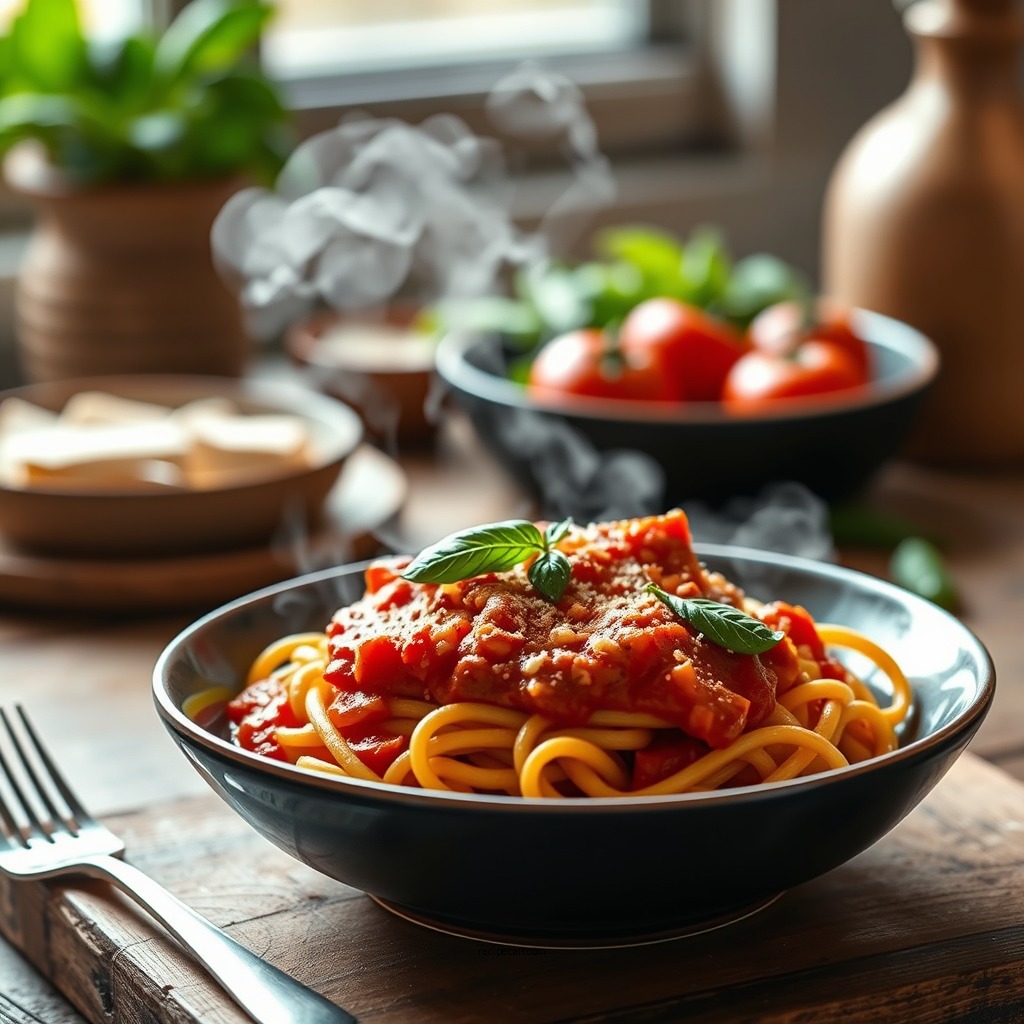
Making a simple tomato pasta sauce at home is not only quick but also elevates your pasta dishes to a whole new level. In just a few steps, you can create a flavorful sauce using fresh ingredients that will impress your family and friends. This article will guide you through creating a rich and savory tomato pasta sauce that complements any pasta.
Choosing the Right Tomatoes
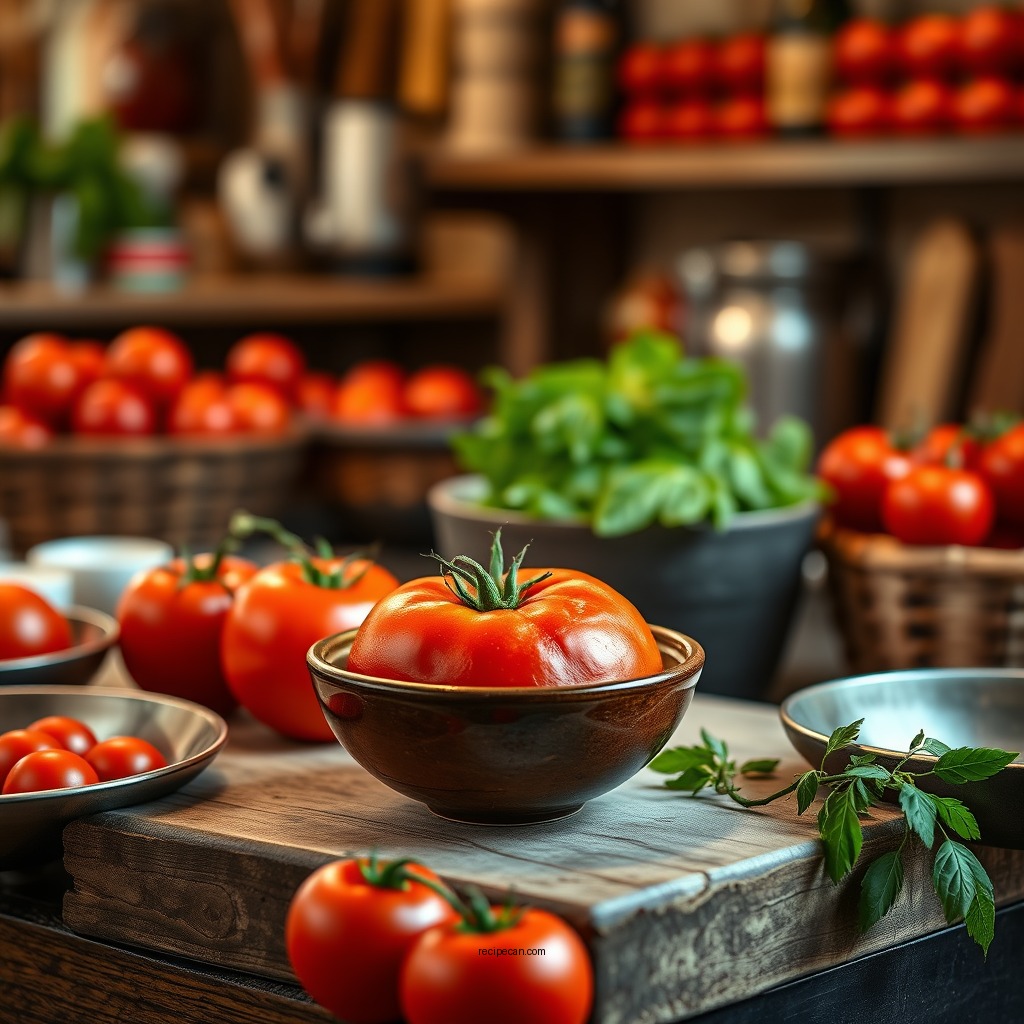
Selecting the right tomatoes is crucial for achieving a flavorful pasta sauce. Fresh, ripe tomatoes are ideal, particularly varieties like Roma or San Marzano. Roma tomatoes are known for their dense flesh and low moisture content, which makes them perfect for sauces. San Marzano tomatoes, on the other hand, offer a sweet flavor and are highly sought after in Italian cuisine.
If fresh tomatoes are not available, canned tomatoes can be a great alternative. Opt for whole or crushed varieties, ensuring they are free from preservatives. High-quality canned tomatoes can retain the taste of summer all year round and often save you time in preparation. Look for brands that are packed in their own juices without added sugars or artificial ingredients to maintain authenticity and depth of flavor.
Essential Ingredients for Flavor
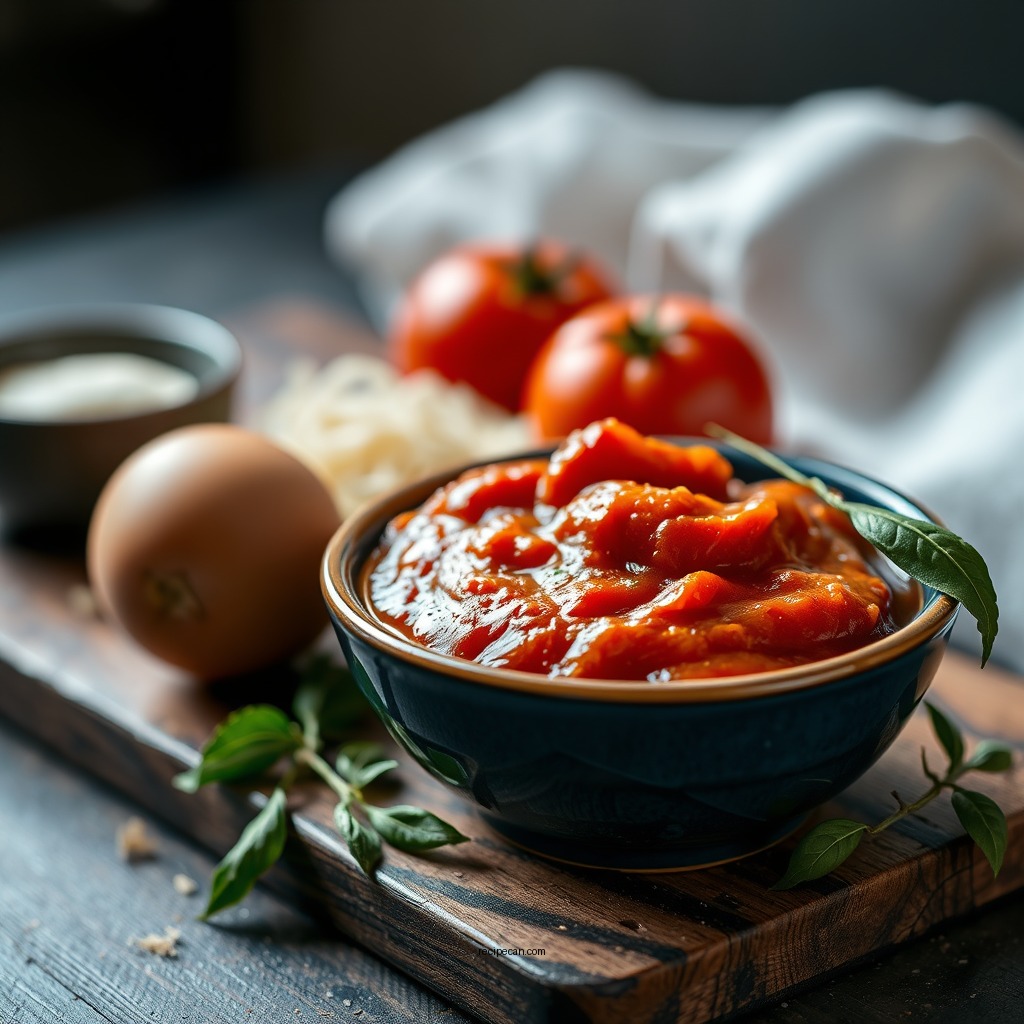
To create a tomato sauce that bursts with flavor, certain ingredients are essential. Start with aromatic staples like garlic and onion. Sautéing these ingredients in olive oil until they are golden and fragrant lays the foundation for your sauce. The natural sugars in these vegetables caramelize, enhancing the overall taste of your dish.
Incorporating fresh herbs such as basil and oregano into the sauce can significantly elevate its aroma and flavor profile. These herbs not only contribute to the classic Italian taste but also add freshness that balances the acidity of the tomatoes. For best results, add the herbs toward the end of the cooking process to preserve their vibrant flavors.
Essential Ingredients Table
Essential Ingredients for Tomato Pasta Sauce
| # | Ingredient | Quantity | Flavor Contribution |
|---|---|---|---|
| 1 | Fresh Tomatoes | 2 lbs | Base Flavor |
| 2 | Garlic | 4 cloves | Aromatic |
| 3 | Onion | 1 medium | Sweetness |
| 4 | Olive Oil | 2 tbsp | Richness |
| 5 | Fresh Basil | 1/4 cup | Fresh Aroma |
| 6 | Dried Oregano | 1 tsp | Herbal Depth |
| 7 | Salt & Pepper | To taste | Balance |
Cooking Techniques
The technique you employ while cooking your tomato sauce can significantly impact the final product. Begin by heating olive oil in a saucepan over medium heat. Add chopped garlic and onion, stirring frequently until they are soft and translucent. This process not only enhances their flavors but also lays the groundwork for the sauce.
Once the aromatics are ready, add your tomatoes. If you’re using fresh tomatoes, you may want to remove the skins by blanching them in boiling water for a minute before chopping. For canned tomatoes, simply pour them in, including their juices. Allow the sauce to simmer gently, which helps deepen the flavors and thicken the consistency. The simmering process allows the water in the tomatoes to evaporate, intensifying the sauce’s richness.
Customizing Your Sauce
While the basic tomato sauce recipe serves as a great foundation, there are numerous ways to customize it to suit your palate. If you find the sauce too acidic, consider adding a pinch of sugar to balance the flavors. Sugar can counteract the natural acidity of tomatoes without altering the overall taste significantly.
For those who enjoy a bit of heat, incorporating red pepper flakes can add a delightful kick to your sauce. Alternatively, a splash of red wine can deepen the flavor and add complexity. Allow the wine to cook off for a few minutes before serving to ensure the alcohol evaporates while the flavors meld with the sauce.
Sauce Customization Options Table
Customization Options for Tomato Sauce
| # | Customization | Effect |
|---|---|---|
| 1 | Pinch of Sugar | Balances acidity |
| 2 | Red Pepper Flakes | Adds heat |
| 3 | Splash of Red Wine | Enhances depth |
| 4 | Parmesan Cheese | Adds richness |
| 5 | Carrots | Natural sweetness |
| 6 | Mushrooms | Earthy flavor |
| 7 | Zucchini | Added texture |
Serving Suggestions
Once your tomato pasta sauce is ready, it’s time to serve it with your favorite pasta. Spaghetti and penne are excellent choices as they pair well with the sauce’s texture. For a more gourmet touch, try serving with homemade pasta or gnocchi.
To enhance the presentation and flavor, top the pasta with freshly grated Parmesan cheese and a sprinkle of fresh herbs. This not only adds visual appeal but also complements the sauce’s flavors. A drizzle of high-quality extra virgin olive oil before serving can also enhance the richness and aroma of the dish.
Storing and Reheating
If you have leftover sauce, storing it properly will ensure its freshness for future meals. Transfer the sauce into an airtight container and store it in the refrigerator, where it will remain good for up to a week. For longer storage, consider freezing the sauce in portions. This allows you to enjoy your homemade sauce even when you’re short on time.
When it comes time to reheat, do so gently on the stove or in the microwave. If the sauce thickens too much during storage, adding a splash of water or broth while reheating can help restore its original consistency.
Conclusion
By following these simple steps, you can create a delicious tomato pasta sauce that enhances your meals. Remember to choose high-quality tomatoes, incorporate aromatic ingredients, and make adjustments based on your taste preferences. This versatile recipe allows for endless customization and is perfect for sharing with family and friends. Enjoy your cooking adventure, and don’t hesitate to showcase your culinary skills with this delightful sauce!
Frequently Asked Questions
What are the essential ingredients for a basic tomato pasta sauce recipe?
A basic tomato pasta sauce recipe typically requires ripe tomatoes, garlic, olive oil, onion, salt, and fresh basil. You can enhance the flavor by adding red pepper flakes, oregano, or a splash of balsamic vinegar. Using San Marzano tomatoes can elevate the sauce’s taste due to their sweetness and low acidity.
How do you make a homemade tomato pasta sauce from fresh tomatoes?
To make a homemade tomato pasta sauce from fresh tomatoes, start by blanching and peeling the tomatoes. Sauté chopped onion and garlic in olive oil until golden, then add the peeled tomatoes, salt, and any desired herbs. Simmer the mixture for about 30 minutes, stirring occasionally, until it thickens into a rich sauce.
Why is it important to use fresh herbs in a tomato pasta sauce recipe?
Using fresh herbs in a tomato pasta sauce recipe enhances the overall flavor and aroma, making the sauce more vibrant and appealing. Fresh basil, for instance, adds a sweet and peppery note that complements the acidity of the tomatoes. Dried herbs can be used in a pinch, but fresh ingredients will always yield a superior taste.
What is the best way to store leftover tomato pasta sauce?
The best way to store leftover tomato pasta sauce is to let it cool completely before transferring it to an airtight container. It can be refrigerated for up to a week or frozen for up to three months. When reheating, add a splash of water or broth to restore its consistency and flavor.
Which pasta varieties pair well with tomato pasta sauce?
Tomato pasta sauce pairs beautifully with a variety of pasta types, including spaghetti, penne, and fettuccine. For a hearty meal, consider using thicker pasta like rigatoni or pappardelle, which hold the sauce well. Ultimately, the choice of pasta can depend on personal preference and the texture you desire in your dish.
References
- Tomato sauce
https://en.wikipedia.org/wiki/Tomato_sauce - https://www.bbc.co.uk/food/recipes/tomato_sauce_00130
https://www.bbc.co.uk/food/recipes/tomato_sauce_00130 - NYT Cooking – Recipes and Cooking Guides From The New York Times
https://www.nytimes.com/recipes/1019890/tomato-sauce - https://www.sciencedirect.com/topics/food-science/tomato-sauce
https://www.sciencedirect.com/topics/food-science/tomato-sauce - https://www.mayoclinic.org/healthy-lifestyle/nutrition-and-healthy-eating/in-depth/healthy-eating/art-20045334
https://www.mayoclinic.org/healthy-lifestyle/nutrition-and-healthy-eating/in-depth/healthy-eating/art-20045334 - https://www.health.harvard.edu/staying-healthy/tomatoes-a-superfood
https://www.health.harvard.edu/staying-healthy/tomatoes-a-superfood - Tomato sauce canned no salt added foods
https://www.nutritionvalue.org/Tomato_sauce%2C_canned%2C_no_salt_added_nutritional_value.html - Google Scholar Google Scholar
https://scholar.google.com/scholar?q=tomato+pasta+sauce+recipe - Google Scholar Google Scholar
https://scholar.google.com/scholar?q=tomato+sauce+nutritional+value - Google Scholar Google Scholar
https://scholar.google.com/scholar?q=health+benefits+of+tomato+sauce