Creating a delicious Thai peanut sauce at home is straightforward and requires just a few ingredients. This versatile sauce can be used for dipping, drizzling, or as a base for various dishes. In this article, you’ll discover a straightforward recipe to whip up your own Thai peanut sauce in no time, allowing you to enjoy the rich, nutty flavors that are a hallmark of Thai cuisine.
Thai peanut sauce is not only easy to make, but it also adds a delightful dimension to many dishes. Whether you are hosting a dinner party or simply looking for an easy way to enhance your meals, this sauce can elevate your culinary experience. With just a handful of common ingredients, you can create a flavorful sauce that rivals those found in authentic Thai restaurants.
Ingredients You’ll Need
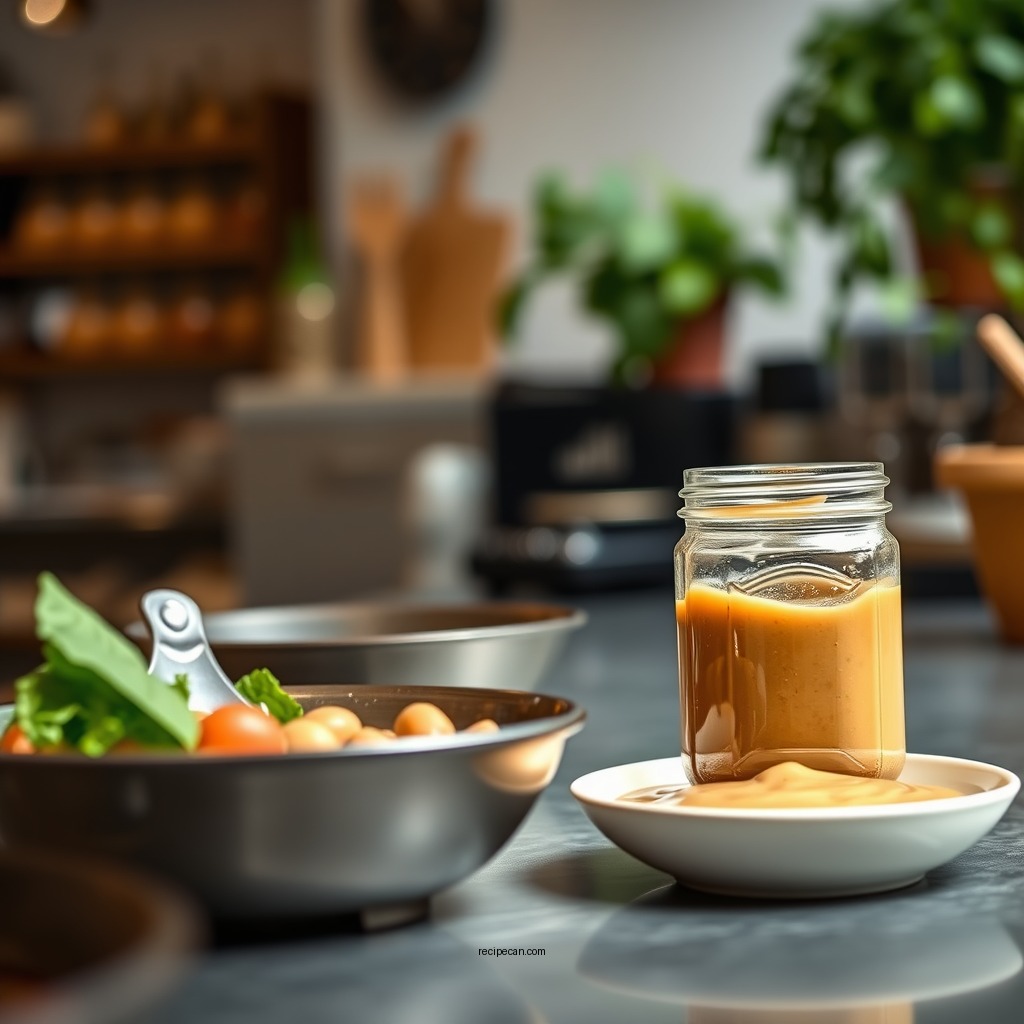
To create your homemade Thai peanut sauce, gather the following ingredients:
– Peanut Butter: Use creamy or chunky peanut butter based on your preferred texture. Creamy peanut butter yields a smooth sauce, while chunky offers delightful bits of peanuts.
– Soy Sauce: Traditional soy sauce works well, but for a gluten-free option, tamari is an excellent substitute that maintains flavor.
– Fresh Lime Juice: The acidity from lime juice enhances the flavors of the sauce, providing a fresh and tangy contrast to the richness of the peanut butter.
– Honey or Maple Syrup: These natural sweeteners balance the savory notes of the sauce. For a vegan version, maple syrup is the ideal choice.
– Garlic and Ginger: Fresh garlic and ginger add depth and warmth to the sauce, making it aromatic and flavorful.
Step-by-Step Instructions

1. Combine All Ingredients: In a medium-sized mixing bowl or a blender, add the peanut butter, soy sauce, fresh lime juice, honey or maple syrup, minced garlic, and grated ginger.
2. Mix or Blend: Use a whisk or a blender to mix the ingredients until the sauce reaches a smooth consistency. If the sauce is too thick for your liking, you can adjust the texture by adding a small amount of water, one teaspoon at a time, until you achieve your desired consistency.
3. Taste and Adjust: Before serving, taste the sauce and adjust any ingredients as necessary. You may want to add more lime juice for acidity or more sweetener for a sweeter profile.
Customization Tips

Thai peanut sauce is incredibly versatile, and you can customize it to fit your taste preferences:
– Add Spice: For those who enjoy a little heat, consider adding chili flakes or a dash of sriracha to the sauce. This will give your peanut sauce a spicy kick that complements the nutty flavor.
– Incorporate Coconut Milk: For a creamier texture, stir in some coconut milk. This addition not only enhances the richness but also adds a subtle sweetness that pairs beautifully with the other ingredients.
– Experiment with Nut Butters: While peanut butter is traditional, you can experiment with other nut butters, like almond or cashew, for a unique twist on this classic sauce.
Storage and Shelf Life
To ensure your Thai peanut sauce stays fresh:
– Storage: Transfer the sauce to an airtight container and store it in the refrigerator. Ensure the lid is tightly sealed to keep out air and moisture.
– Shelf Life: The sauce will last for up to one week in the refrigerator. Before using it again, give it a good stir, as separation may occur.
Serving Suggestions
Your homemade Thai peanut sauce can be used in various delicious ways:
– Dipping Sauce: Serve it as a dip for fresh spring rolls or an assortment of vegetables. Its creamy texture and bold flavor make it the perfect accompaniment.
– Drizzle Over Dishes: Enhance grilled chicken, tofu, or salads by drizzling the sauce over the top. It adds a delicious layer of flavor that transforms simple dishes into something extraordinary.
– Stir-Fry Ingredient: Incorporate the sauce into stir-fries for a nutty twist. As it cooks, the sauce will thicken, coating the vegetables and proteins nicely.
Frequently Asked Questions
– Can I make it vegan? Yes, simply swap out honey for maple syrup, and you’ll have a delicious vegan peanut sauce that everyone can enjoy.
– What can I use if I’m allergic to peanuts? If you have a peanut allergy, almond butter or sunflower seed butter can serve as excellent alternatives. Just be aware that the flavor profile will change slightly.
Popular Ingredients for Thai Peanut Sauce (2024)
| # | Ingredient | Usage (%) | Popularity |
|---|---|---|---|
| 1 | Peanut Butter | 95% | ★ ★ ★ ★ ★ |
| 2 | Soy Sauce | 90% | ★ ★ ★ ★ ★ |
| 3 | Lime Juice | 85% | ★ ★ ★ ★ |
| 4 | Honey | 80% | ★ ★ ★ ★ |
| 5 | Garlic | 75% | ★ ★ ★ ★ |
| 6 | Ginger | 70% | ★ ★ ★ |
| 7 | Coconut Milk | 60% | ★ ★ ★ |
Homemade Thai Peanut Sauce Popularity (%)
In summary, preparing your own Thai peanut sauce at home is not only easy but also allows for a great deal of customization. With just a few ingredients, you can create a sauce that enhances a variety of dishes, from salads to stir-fries to appetizers. By making this sauce yourself, you can ensure it meets your dietary preferences and flavor preferences, making it a perfect addition to your culinary repertoire. Enjoy the process of creating this delicious sauce and share it with friends and family for a delightful experience.
Frequently Asked Questions
What ingredients do I need for a basic Thai peanut sauce recipe?
To make a basic Thai peanut sauce, you will need creamy peanut butter, soy sauce, lime juice, brown sugar, garlic, and coconut milk. These ingredients combine to create a rich and flavorful sauce that can be used for dipping or drizzling over various dishes.
How can I make my Thai peanut sauce spicier?
To add some heat to your Thai peanut sauce, you can incorporate ingredients like crushed red pepper flakes, sriracha, or fresh chopped chilies. Start with a small amount and gradually add more until you reach your desired spice level, ensuring the balance of flavors remains intact.
Why is my Thai peanut sauce too thick, and how can I fix it?
If your Thai peanut sauce turns out too thick, it’s often due to the peanut butter being too concentrated. To adjust the consistency, simply whisk in a small amount of warm water or coconut milk until you achieve the desired thickness, keeping the sauce creamy and smooth.
What is the best way to store leftover Thai peanut sauce?
The best way to store leftover Thai peanut sauce is in an airtight container in the refrigerator, where it can last for up to one week. Be sure to stir it well before using, as the ingredients may separate over time, and consider adding a splash of water or coconut milk to restore its creamy texture.
Which dishes pair well with Thai peanut sauce?
Thai peanut sauce pairs beautifully with a variety of dishes such as spring rolls, grilled chicken, or tofu, and salads. It can also be used as a dressing for noodle dishes or as a dip for fresh vegetables, making it a versatile addition to your culinary repertoire.
References
- Peanut sauce
https://en.wikipedia.org/wiki/Peanut_sauce - Thai Fried Bananas (Kluai Khaek) Recipe
https://www.thespruceeats.com/thai-peanut-sauce-recipe-3217390 - https://www.seriouseats.com/thai-peanut-sauce-recipe-5117644
https://www.seriouseats.com/thai-peanut-sauce-recipe-5117644 - https://www.foodnetwork.com/recipes/peanut-sauce-recipe-1941303
https://www.foodnetwork.com/recipes/peanut-sauce-recipe-1941303 - https://www.ncbi.nlm.nih.gov/pmc/articles/PMC6467756/
https://www.ncbi.nlm.nih.gov/pmc/articles/PMC6467756/ - https://www.ncbi.nlm.nih.gov/pmc/articles/PMC7306798/
https://www.ncbi.nlm.nih.gov/pmc/articles/PMC7306798/ - Google Scholar Google Scholar
https://scholar.google.com/scholar?q=thai+peanut+sauce+recipe - https://scholar.google.com/scholar?q=thai+cuisine+peanut+sauce Google Scholar
https://scholar.google.com/scholar?q=thai+cuisine+peanut+sauce - Google Scholar Google Scholar
https://scholar.google.com/scholar?q=nutritional+benefits+of+peanut+sauce - https://en.wikipedia.org/wiki/Special:Search?search=thai+peanut+sauce+recipe
https://en.wikipedia.org/wiki/Special:Search?search=thai+peanut+sauce+recipe