Sweet and sour sauce can be effortlessly made at home with just a few simple ingredients. This versatile sauce is perfect for stir-frying, dipping, or drizzling over your favorite dishes. In this article, you’ll learn a straightforward recipe that will have you whipping up this delicious sauce in no time. Whether you’re preparing a quick weeknight dinner or hosting a gathering, this sauce will elevate your meals and impress your guests.
Ingredients You’ll Need

Creating a delightful sweet and sour sauce requires just a handful of basic pantry staples, making it both convenient and accessible. Here’s what you need:
– Basic Ingredients:
– Ketchup: Provides the base and adds sweetness.
– White vinegar or apple cider vinegar: Contributes the tangy flavor that balances the sweetness.
– Granulated sugar: Enhances the sweetness and helps achieve the desired texture.
– Optional Ingredients for Flavor Enhancement:
– Soy sauce: Adds umami depth and a savory element to the sauce.
– Pineapple juice: Introduces a fruity note and enhances the sweetness while also brightening the flavor.
– Cornstarch: Used for thickening, giving the sauce a glossy finish.
– Garlic powder or minced garlic: Offers additional flavor complexity.
Incorporating these ingredients allows for flexibility based on your taste preferences and what you have on hand. This recipe can easily be adjusted to suit dietary restrictions or flavor profiles.
Step-by-Step Instructions

Making sweet and sour sauce is a straightforward process that takes minimal time and effort. Follow these simple steps for a delicious result:
1. Combine the Ingredients:
In a medium saucepan, combine 1 cup of ketchup, 1/3 cup of white vinegar, and 1/2 cup of granulated sugar. If you’re using optional ingredients like soy sauce or pineapple juice, add them now. For a thicker sauce, mix 1 tablespoon of cornstarch with 2 tablespoons of water to create a slurry and add it to the mixture.
2. Cook the Sauce:
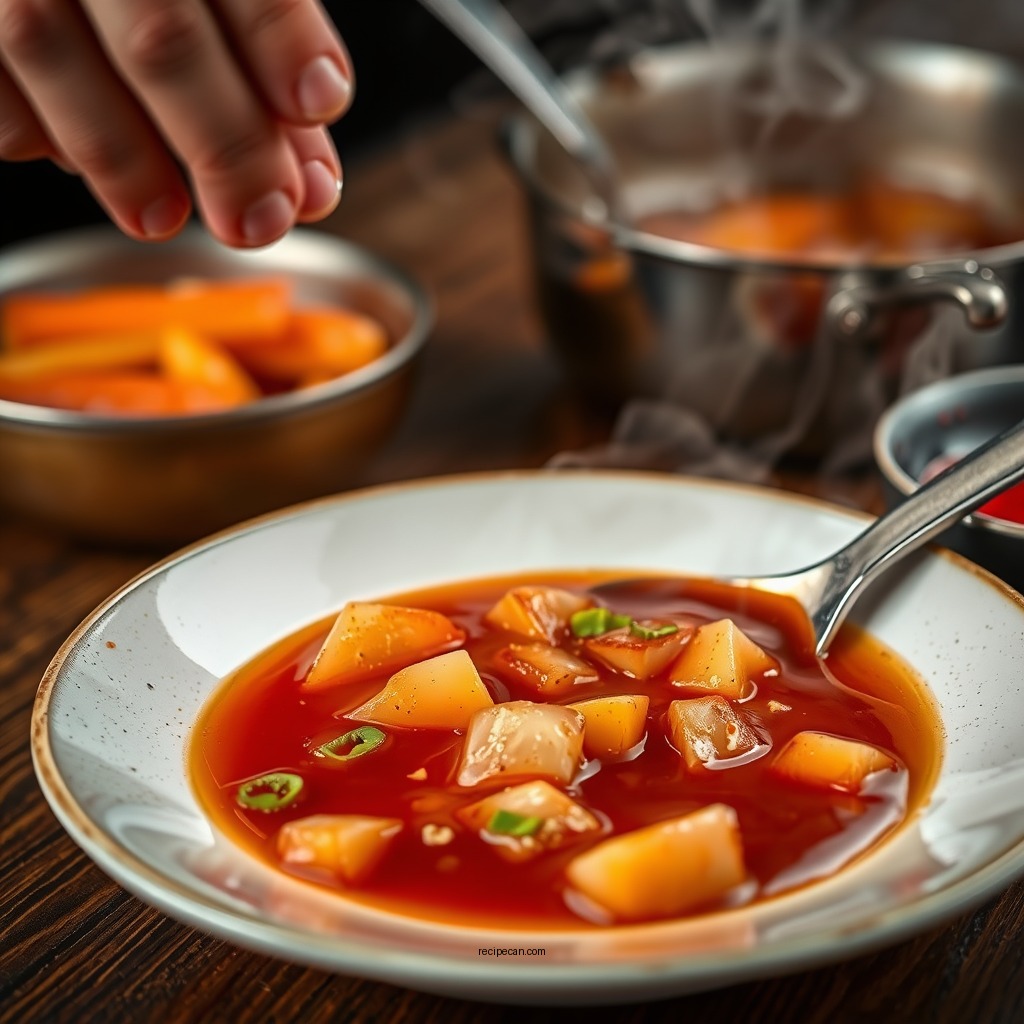
Place the saucepan over medium heat. Stir continuously with a whisk or spoon to ensure that the sugar dissolves completely and the ingredients are well combined. As the mixture heats up, it will begin to thicken. This should take about 5-10 minutes. Keep stirring until it reaches your desired consistency. If you prefer a thicker sauce, allow it to simmer for a few extra minutes.
3. Taste and Adjust:
Before removing the sauce from the heat, taste it. If you prefer it sweeter, add more sugar; if you like it tangier, a splash more vinegar might do the trick.
4. Cool and Store:
Once the sauce has thickened to your liking, remove it from the heat and let it cool. It can be served immediately or stored for future use.
Variations to Try
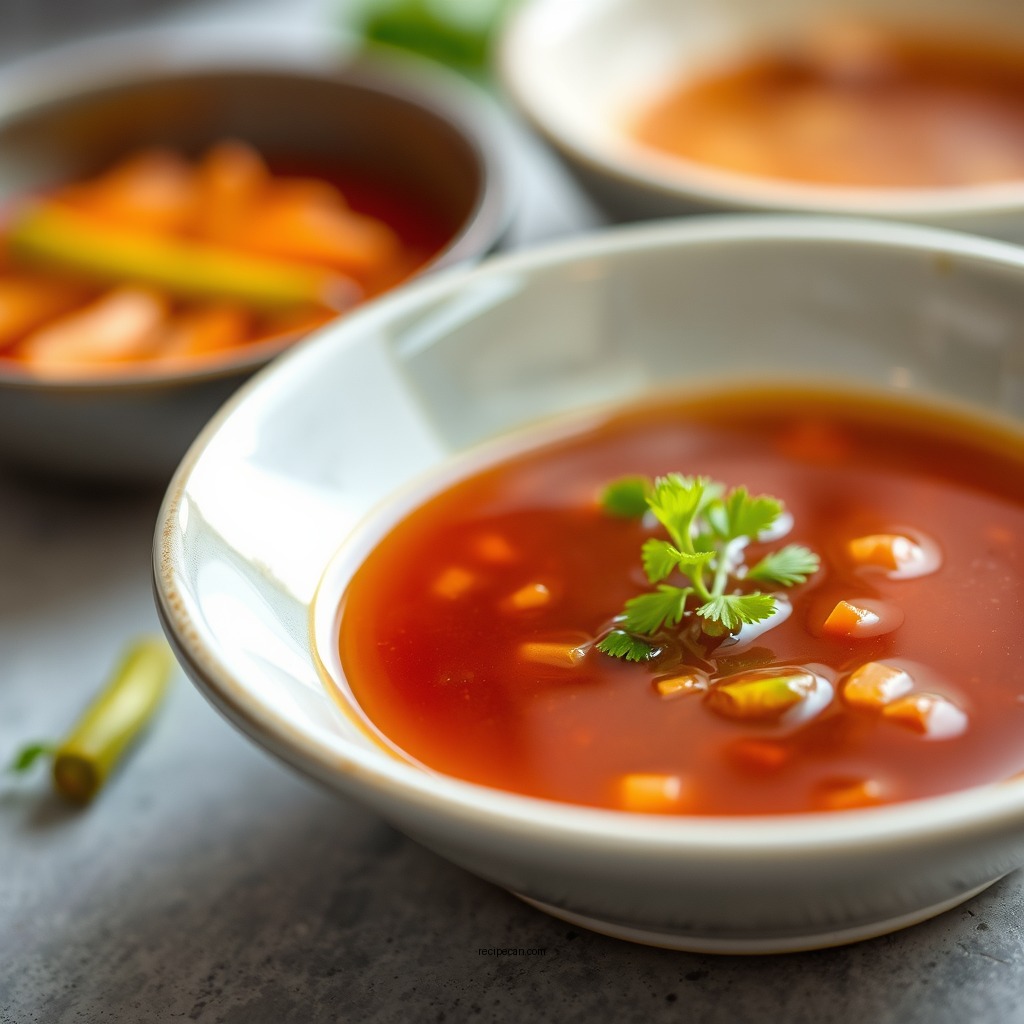
The classic sweet and sour sauce is delicious on its own, but there are numerous variations that you can explore to enhance its flavor:
– Add Fruit: Consider incorporating diced pineapple or mango for a tropical twist. This not only adds a fruity flavor but also provides a bit of texture to the sauce.
– Adjust Sweetness or Tanginess: If you prefer a sweeter sauce, increase the amount of sugar or add more pineapple juice. For a tangier taste, add extra vinegar or include some lime juice.
– Spice it Up: For those who enjoy heat, adding a dash of chili paste or crushed red pepper flakes can create a sweet and sour sauce with a kick.
Experimenting with these variations allows you to create a unique sauce that suits your personal taste or complements specific dishes.
Top Ingredients for Homemade Sweet and Sour Sauce
| # | Ingredient | Usage (%) | Flavor Impact |
|---|---|---|---|
| 1 | Ketchup | 40% | Sweet |
| 2 | Vinegar | 30% | Tangy |
| 3 | Sugar | 25% | Sweet |
| 4 | Soy Sauce | 20% | Savory |
| 5 | Pineapple Juice | 15% | Fruity |
| 6 | Cornstarch | 10% | Thickening |
| 7 | Garlic (optional) | 5% | Flavor |
Tips for Perfecting Your Sauce
Creating the perfect sweet and sour sauce requires attention to detail and a few helpful tips:
– Taste and Adjust: Always taste your sauce while cooking. Adding a little more sugar or vinegar can significantly change the flavor, so adjust according to your preference.
– Use Fresh Ingredients: Fresh ingredients can elevate your sauce’s flavor profile. Opt for fresh garlic instead of powdered if you want a bolder garlic taste, and consider using freshly squeezed pineapple juice for a more vibrant flavor.
– Balance is Key: The essence of a great sweet and sour sauce lies in achieving the right balance between sweetness and tanginess. Don’t shy away from experimenting until you find your perfect ratio.
These tips can help ensure that you not only create a delicious sauce but also enjoy the process of making it.
Serving Suggestions
Sweet and sour sauce is incredibly versatile and can be served in a variety of ways:
– Main Dishes: It pairs beautifully with chicken, pork, or tofu. Consider using it as a glaze for grilled meats or as a stir-fry sauce with vegetables and your preferred protein.
– Dipping Sauce: Use sweet and sour sauce as a dip for appetizers like spring rolls, crispy vegetables, or fried wontons. Its tangy flavor complements fried items beautifully.
– Drizzling: Drizzle it over rice or noodles for an added flavor boost. You can also use it as a finishing sauce for roasted vegetables.
These serving suggestions highlight the sauce’s versatility and encourage creativity in the kitchen.
Sweet and Sour Sauce Flavor Profile
Storing Your Sauce
Knowing how to store your sweet and sour sauce can help maintain its freshness and flavor:
– Refrigeration: Store in an airtight container in the refrigerator for up to two weeks. This allows the flavors to meld and develop further over time.
– Freezing: For longer storage, consider freezing the sauce in small portions. Ice cube trays work well for this; once frozen, transfer the cubes to a resealable bag. This way, you can easily defrost just the amount you need for future meals.
Proper storage ensures that you always have this delicious sauce on hand when you need it.
Sweet and sour sauce is a delightful addition to many meals, and making it at home is easier than you might think. By following this simple recipe and tips, you can enjoy a fresh, flavorful sauce that elevates your dishes. Whether you use it as a marinade, glaze, or dipping sauce, it guarantees to enhance your culinary creations. Give it a try today and enjoy the balance of sweet and tangy flavors!
Frequently Asked Questions
What ingredients do I need for a homemade sweet and sour sauce recipe?
To make a classic homemade sweet and sour sauce, you’ll need sugar, vinegar, ketchup, soy sauce, and cornstarch. Some recipes also include pineapple juice and garlic for added flavor. These ingredients combine to create a balance of sweet and tangy tastes that can enhance various dishes.
How can I adjust the sweetness in my sweet and sour sauce recipe?
If you find your sweet and sour sauce too sweet, you can balance it by adding a bit more vinegar or soy sauce. Alternatively, consider incorporating more pineapple juice or even a splash of lemon juice for acidity. Adjusting these ingredients allows you to customize the flavor to your liking while maintaining the traditional sweet and sour profile.
Why is my sweet and sour sauce too thick or too thin?
The thickness of sweet and sour sauce largely depends on the cornstarch used as a thickening agent. If your sauce is too thick, you can add a small amount of water or vinegar to thin it out. Conversely, if it’s too thin, simmer it longer to allow it to reduce or mix in a slurry of cornstarch and water to thicken it up.
What is the best way to store homemade sweet and sour sauce?
The best way to store homemade sweet and sour sauce is in an airtight container in the refrigerator, where it can last for about one week. For longer storage, consider freezing it in small portions. This way, you can easily thaw just the amount you need for future meals.
Which dishes pair well with sweet and sour sauce?
Sweet and sour sauce pairs excellently with a variety of dishes, particularly fried foods like chicken or shrimp, and can also be used as a dipping sauce for spring rolls. Additionally, it complements stir-fried vegetables and rice dishes beautifully, making it a versatile condiment in Asian cuisine.
References
- Sweet and sour
https://en.wikipedia.org/wiki/Sweet_and_sour_sauce - https://www.bbc.co.uk/food/recipes/sweet_and_sour_sauce_07371
https://www.bbc.co.uk/food/recipes/sweet_and_sour_sauce_07371 - https://www.sciencedirect.com/topics/food-science/sweet-and-sour-sauce
https://www.sciencedirect.com/topics/food-science/sweet-and-sour-sauce - https://www.ncbi.nlm.nih.gov/pmc/articles/PMC6837334/
https://www.ncbi.nlm.nih.gov/pmc/articles/PMC6837334/ - https://www.ncbi.nlm.nih.gov/pmc/articles/PMC6510206/
https://www.ncbi.nlm.nih.gov/pmc/articles/PMC6510206/ - NYT Cooking – Recipes and Cooking Guides From The New York Times
https://www.nytimes.com/recipes/1019827/sweet-and-sour-sauce - Google Scholar Google Scholar
https://scholar.google.com/scholar?q=sweet+and+sour+sauce+recipe - Google Scholar Google Scholar
https://scholar.google.com/scholar?q=sweet+and+sour+sauce - https://www.britannica.com/topic/sweet-and-sour-sauce
https://www.britannica.com/topic/sweet-and-sour-sauce - https://www.who.int/foodsafety/publications/food-safety-ingredients/en/
https://www.who.int/foodsafety/publications/food-safety-ingredients/en/