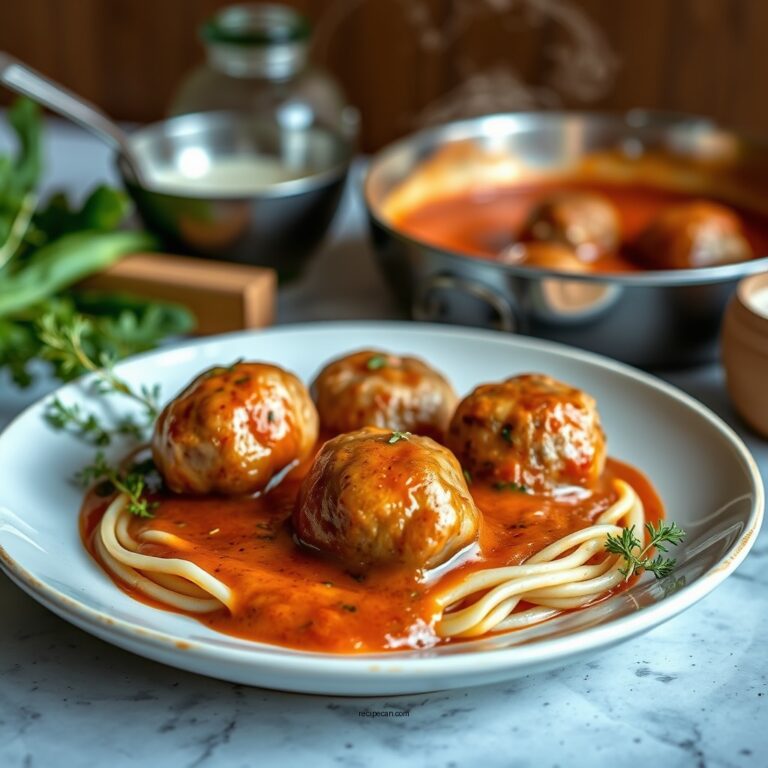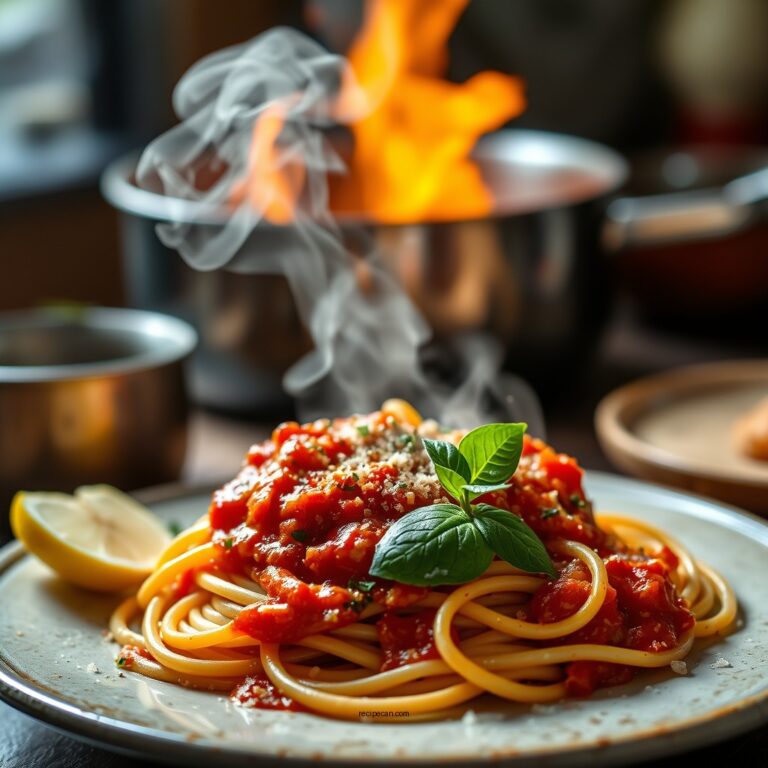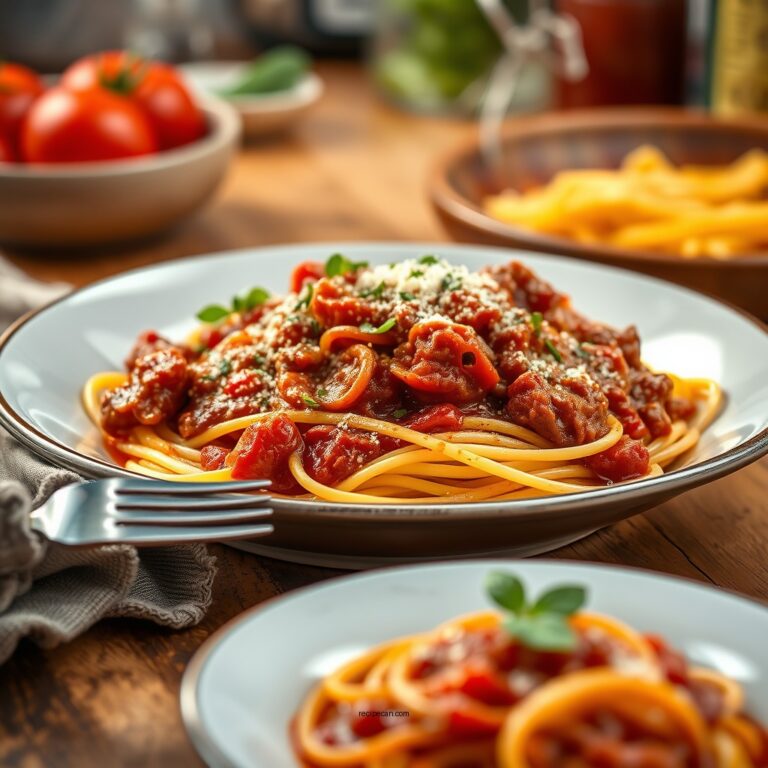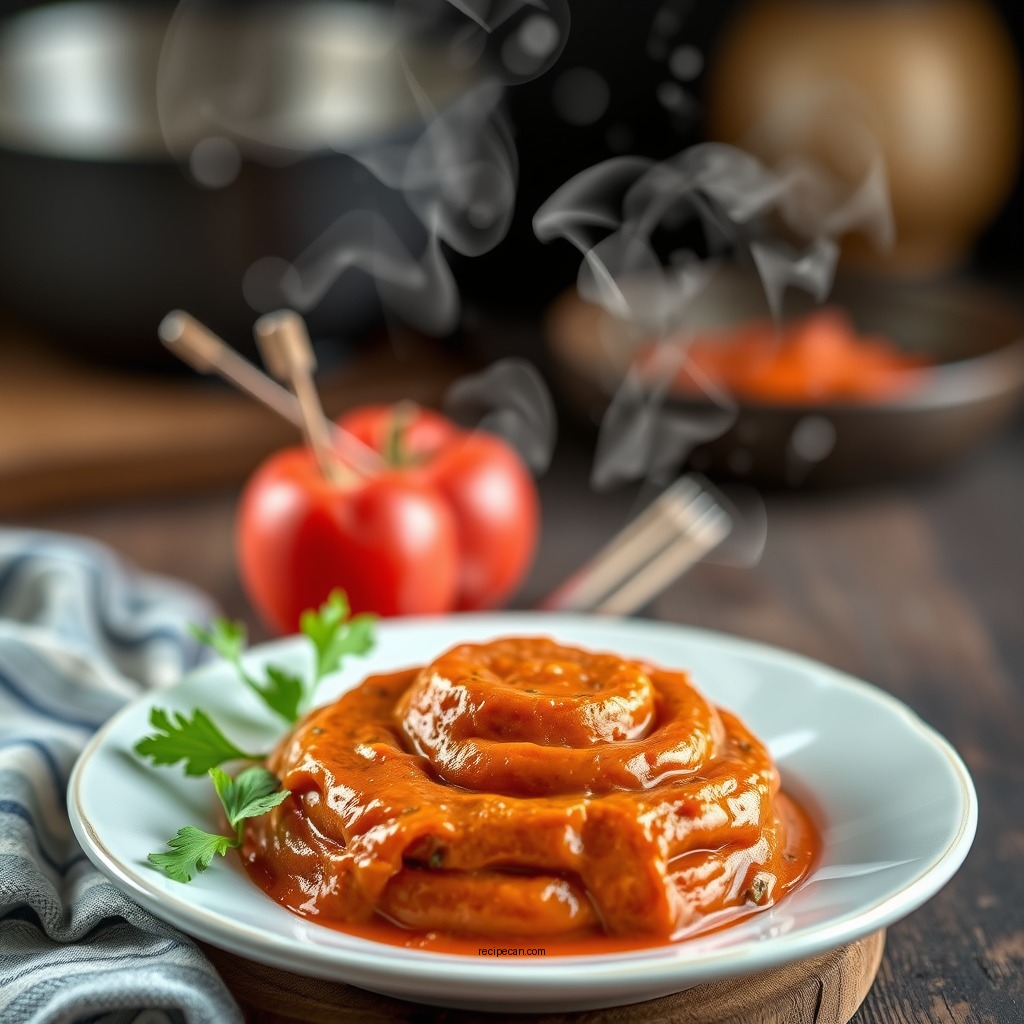
Romesco sauce is a vibrant Spanish condiment that adds depth and excitement to a variety of dishes. This easy romesco sauce recipe combines roasted red peppers, nuts, and spices, producing a rich and tangy flavor that can elevate anything from grilled vegetables to seafood. In this article, you’ll learn how to make an authentic romesco sauce that will impress your friends and family, enhancing your culinary experiences with a delightful Spanish twist.
Ingredients You’ll Need
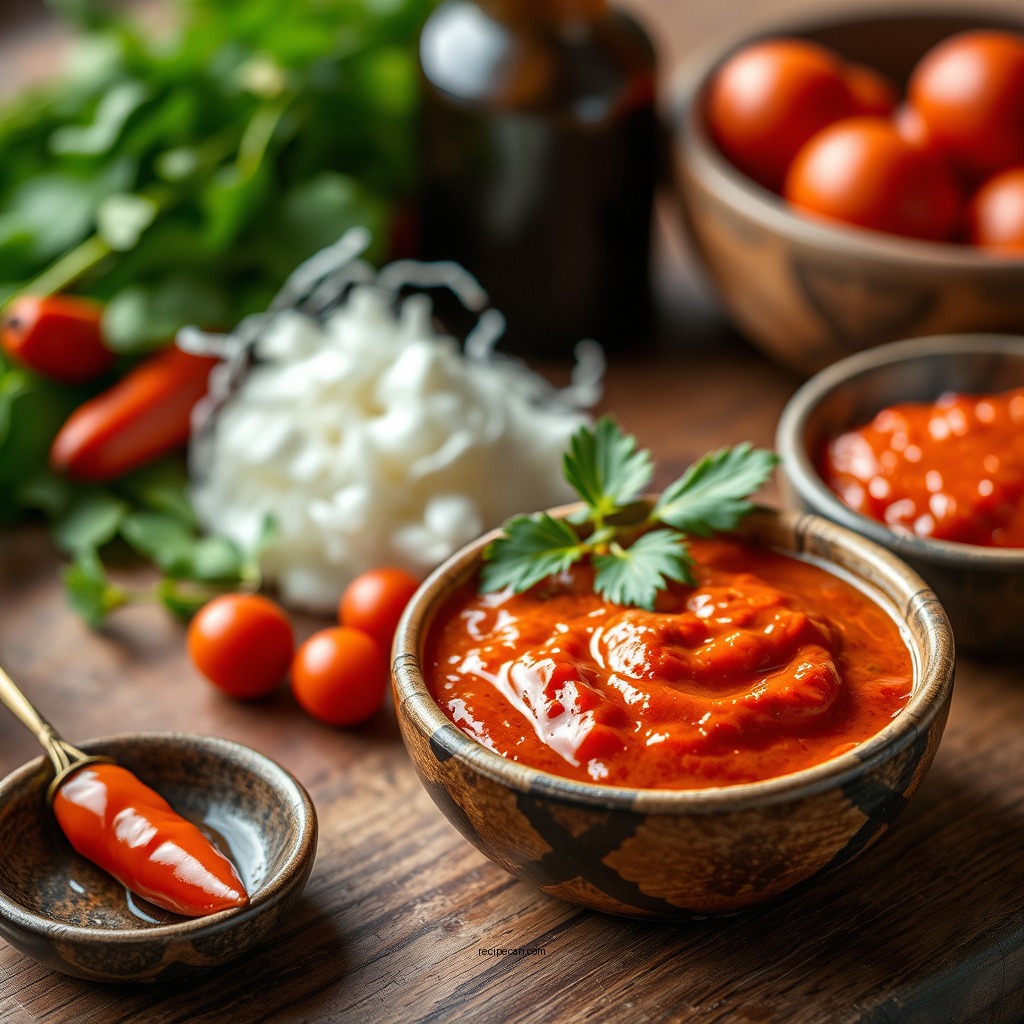
To create a classic romesco sauce, you’ll need the following essential ingredients:
– Roasted Red Peppers: 2 large, jarred or homemade.
– Almonds: 1/2 cup, preferably blanched.
– Garlic: 2-3 cloves, roasted or raw based on your preference.
– Olive Oil: 1/2 cup, extra virgin for the best flavor.
– Red Wine Vinegar: 2 tablespoons for acidity.
– Salt: To taste.
– Smoked Paprika: 1 teaspoon for that signature smoky flavor.
– Cayenne Pepper: Optional, for a bit of heat.
For customization, consider adding:
– Tomatoes: 1 medium, roasted or fresh for added sweetness.
– Spices: Such as cumin or coriander to enhance the flavor profile.
– Herbs: A handful of fresh basil or parsley for a fresh touch.
Step-by-Step Preparation
Preparing the Ingredients
1. Roast the Peppers: If using fresh red peppers, roast them over an open flame or in a broiler until charred. Once cool, peel off the skins, remove the seeds, and set aside.
2. Prepare the Nuts: Lightly toast the almonds in a dry skillet over medium heat, stirring frequently until golden and fragrant. This step enhances their flavor.
3. Garlic: If using raw garlic, you may want to roast it by wrapping it in foil and placing it in the oven during the last 15 minutes of roasting the peppers. Roasted garlic provides a milder flavor.
Blending the Ingredients
1. In a food processor, combine the roasted peppers, toasted almonds, garlic, smoked paprika, cayenne (if using), and salt.
2. Pulse the mixture a few times to start breaking down the ingredients.
3. While the processor is running, gradually add the olive oil and vinegar, blending until you achieve a smooth, but slightly chunky consistency. Adjust the seasoning as necessary.
Tips for the Best Flavor
To ensure your romesco sauce is as flavorful as possible, consider the following tips:
– Balancing Flavors: The key to a great romesco sauce is balancing the sweetness of the peppers with the acidity of the vinegar. Taste and adjust the vinegar and salt as needed to achieve your desired flavor profile.
– Fresh vs. Jarred Ingredients: While jarred roasted peppers offer convenience, using fresh ones will give a more vibrant flavor. If you have the time, roasting your own peppers can yield superior results.
Variations of Romesco Sauce
Romesco sauce is highly adaptable, allowing you to create your version. Here are some variations to try:
– Different Nuts: Instead of almonds, you could use hazelnuts or walnuts to impart unique flavors. Hazelnuts add a sweet, earthy tone, while walnuts offer a slightly bitter edge.
– Herbs and Spices: Adding fresh herbs like cilantro or basil can create a refreshing twist. Alternatively, spices like cumin or coriander can enhance the sauce’s complexity.
Popular Variations of Romesco Sauce Ingredients
| # | Ingredient | Type | Flavor Profile |
|---|---|---|---|
| 1 | Hazelnuts | Nuts | Sweet, Earthy |
| 2 | Walnuts | Nuts | Bitter, Rich |
| 3 | Cilantro | Herb | Fresh, Citrusy |
| 4 | Basil | Herb | Sweet, Savory |
| 5 | Cumin | Spice | Earthy, Warm |
| 6 | Smoked Paprika | Spice | Smoky, Sweet |
| 7 | Tomatoes | Vegetable | Sweet, Juicy |
Serving Suggestions
Romesco sauce is incredibly versatile and can be served in various ways:
– With Grilled Meats: Drizzle over grilled chicken, pork, or lamb for a delicious flavor contrast.
– Seafood Dishes: Pair with grilled fish or shellfish. The tangy sauce complements the natural sweetness of seafood beautifully.
– Dips for Appetizers: Use it as a dip for fresh bread, vegetables, or as a spread on sandwiches.
– Salad Dressing: Thin the sauce with a bit of water or extra olive oil to create a vibrant salad dressing.
Storing and Freezing Romesco Sauce
To ensure your romesco sauce stays fresh:
– Refrigeration: Store the leftover sauce in an airtight container in the refrigerator. It should last for about 5-7 days.
– Freezing: For longer storage, freeze the sauce in small portions in freezer-safe containers or ice cube trays. It can last up to 3 months.
– Reviving After Freezing: To revive frozen romesco, simply thaw it in the refrigerator overnight and stir in a little extra olive oil before serving to restore its original consistency.
Romesco Sauce Storage Duration
Romesco sauce is not only easy to make but also a fantastic addition to many meals. By following these steps, you can create a vibrant sauce that enhances your cooking. Don’t hesitate to experiment with ingredients and flavors to make it your own! Enjoy your culinary adventure with this delightful Spanish sauce.
Frequently Asked Questions
What ingredients do I need for a traditional romesco sauce recipe?
A traditional romesco sauce recipe typically includes roasted red peppers, almonds, garlic, olive oil, vinegar, and tomatoes. These ingredients combine to create a rich and flavorful sauce that pairs well with grilled meats, vegetables, and seafood.
How do I make romesco sauce from scratch?
To make romesco sauce from scratch, start by roasting red peppers and tomatoes until charred. Then, blend them with toasted almonds, garlic, olive oil, and a splash of vinegar until smooth. Adjust seasoning with salt and pepper to taste for a delicious homemade romesco sauce.
Why is my romesco sauce too thick, and how can I fix it?
If your romesco sauce is too thick, it may be due to an excess of nuts or not enough liquid. To fix it, simply add a bit more olive oil or water while blending until you reach your desired consistency. This will make the sauce smoother and easier to use.
What is the best way to store leftover romesco sauce?
The best way to store leftover romesco sauce is in an airtight container in the refrigerator, where it can last for up to a week. For longer storage, consider freezing it in small portions. This preserves its flavor and makes it easy to use in future meals.
Which dishes pair well with romesco sauce?
Romesco sauce pairs wonderfully with grilled vegetables, fish, and meats, particularly chicken or lamb. It can also enhance the flavor of roasted potatoes or serve as a dip for crusty bread. Its versatility makes it a fantastic addition to various dishes in Mediterranean cuisine.
References
- Romesco
https://en.wikipedia.org/wiki/Romesco - https://www.bbc.co.uk/food/recipes/romesco_sauce_10399
https://www.bbc.co.uk/food/recipes/romesco_sauce_10399 - NYT Cooking – Recipes and Cooking Guides From The New York Times
https://www.nytimes.com/recipes/1019490/romesco-sauce - https://www.theguardian.com/food/2020/jan/22/how-to-make-romesco-sauce-recipe
https://www.theguardian.com/food/2020/jan/22/how-to-make-romesco-sauce-recipe - https://www.sciencedirect.com/topics/food-science/romesco-sauce
https://www.sciencedirect.com/topics/food-science/romesco-sauce - https://pubmed.ncbi.nlm.nih.gov/29218656/
https://pubmed.ncbi.nlm.nih.gov/29218656/ - https://www.ncbi.nlm.nih.gov/pmc/articles/PMC7876008/
https://www.ncbi.nlm.nih.gov/pmc/articles/PMC7876008/ - Google Scholar Google Scholar
https://scholar.google.com/scholar?q=romesco+sauce+recipe - Google Scholar Google Scholar
https://scholar.google.com/scholar?q=romesco+sauce+nutritional+value - Google Scholar Google Scholar
https://scholar.google.com/scholar?q=romesco+sauce+history