Remoulade sauce is a tangy and flavorful condiment that elevates a variety of dishes. In this article, you will learn how to make a classic remoulade sauce at home with simple ingredients. This versatile sauce is perfect for seafood, sandwiches, and more, making it a must-try in your culinary repertoire.
What is Remoulade Sauce?
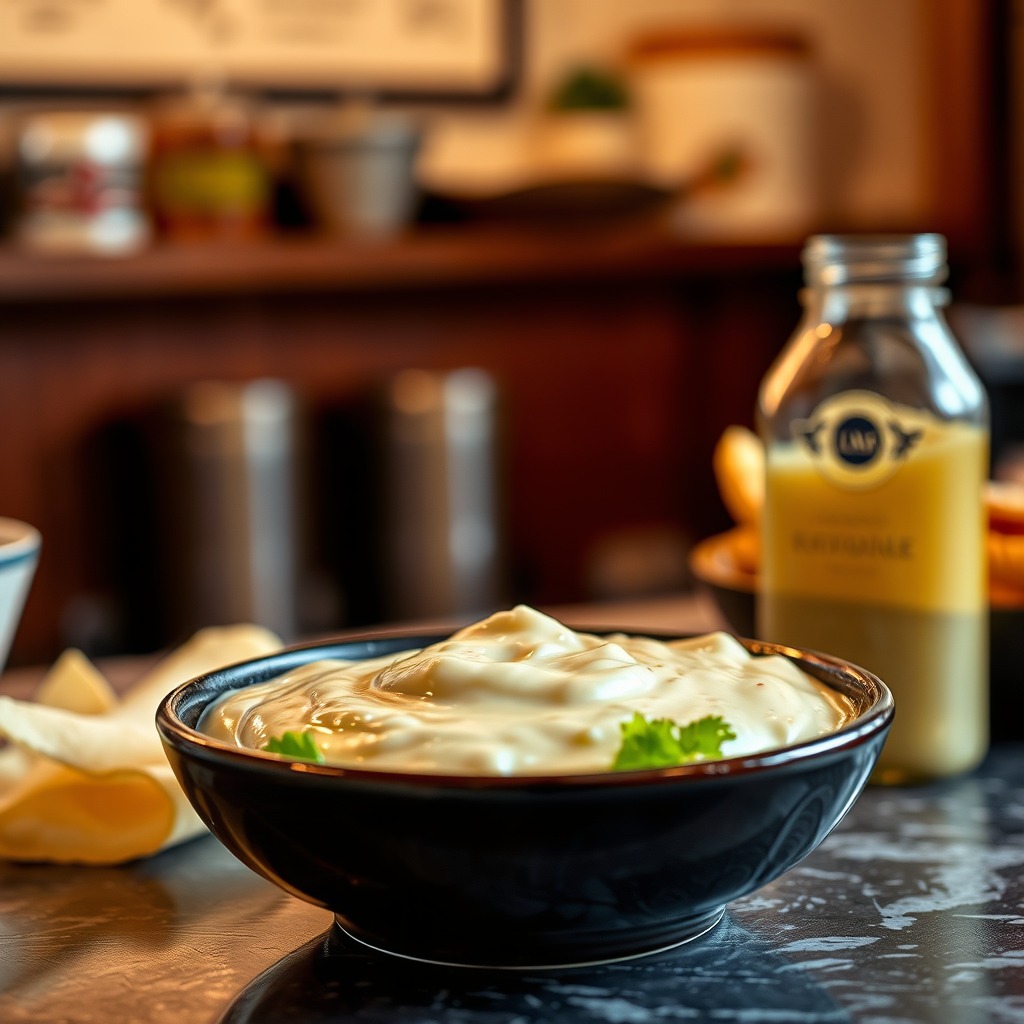
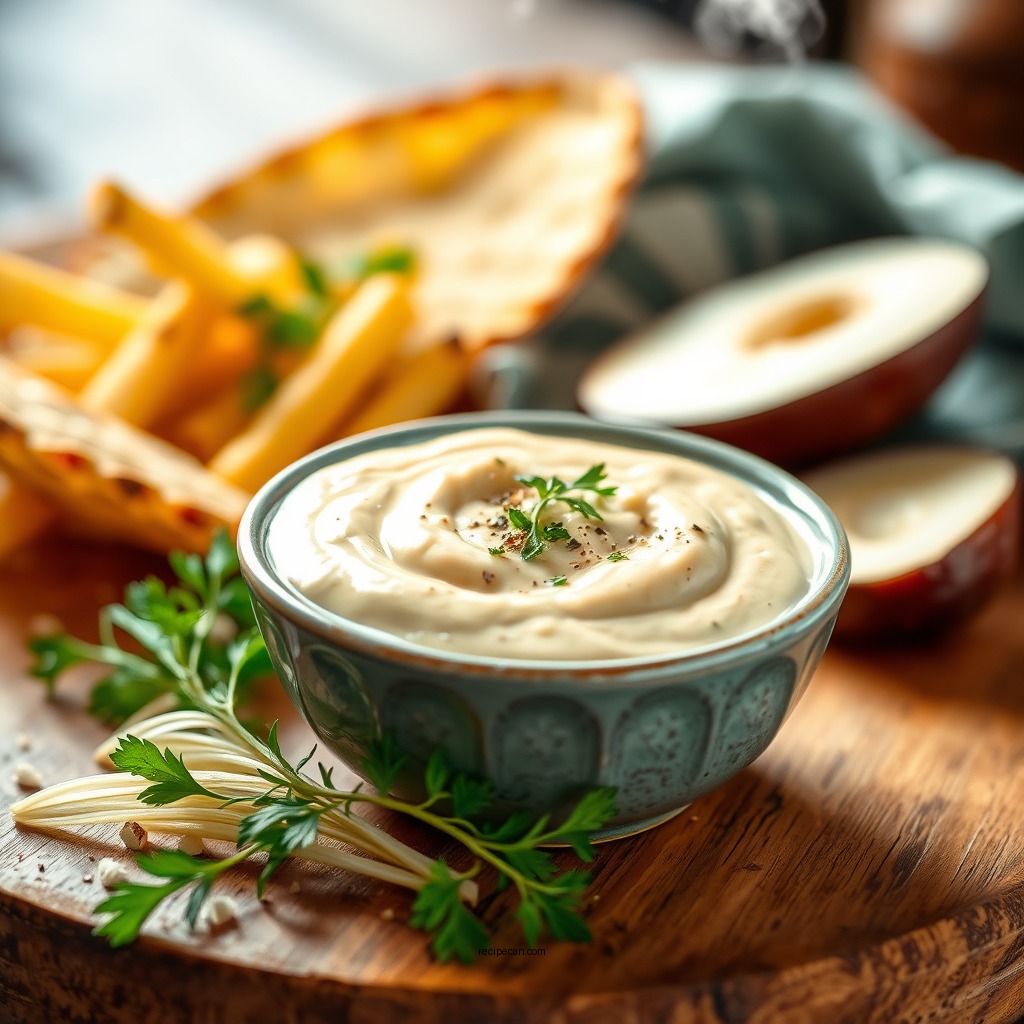
Originating from French cuisine, remoulade is a mayonnaise-based sauce often flavored with herbs and spices. Traditionally served as a dip or a condiment, remoulade offers a delightful balance of creaminess and acidity, making it an excellent accompaniment for a range of dishes. While it can be served cold or at room temperature, its versatility shines through in how it complements various flavors—whether drizzled over poached shrimp, slathered on a po’ boy sandwich, or served alongside crispy fried fish.
The beauty of remoulade lies not only in its flavor but also in its adaptability; it can be tailored to fit different culinary styles, reflecting regional ingredients and personal tastes. The classic versions use a combination of mustard, herbs, and a hint of spice, making it a staple in many kitchens around the world.
Key Ingredients for Remoulade Sauce
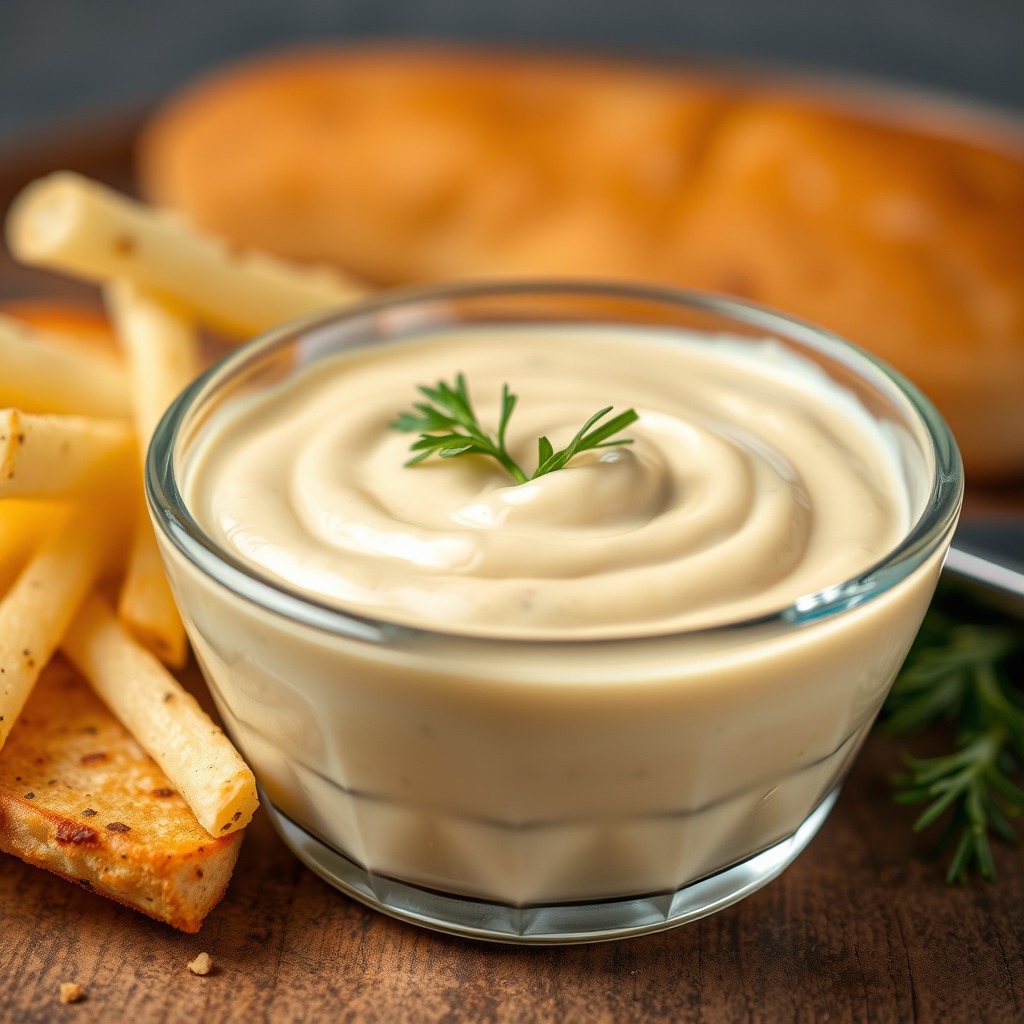
Creating a delicious remoulade sauce requires just a few key ingredients:
– Mayonnaise: This serves as the creamy base of the sauce, providing richness and a smooth texture. High-quality mayonnaise can elevate the overall flavor, so consider using homemade or premium brands.
– Mustard: Typically, Dijon mustard is favored for its sharpness and complexity, but yellow mustard can also work well. The mustard adds a tangy kick that complements the richness of the mayonnaise.
– Herbs: Fresh herbs such as parsley, dill, or chives are essential for enhancing the flavor profile. They contribute freshness and aroma, making the sauce vibrant and inviting.
– Additional Ingredients: Depending on your taste preferences, you might consider adding capers, horseradish, or even a splash of lemon juice for extra zest. These ingredients can help create a more complex flavor, enhancing the sauce’s versatility.
Step-by-Step Remoulade Sauce Preparation
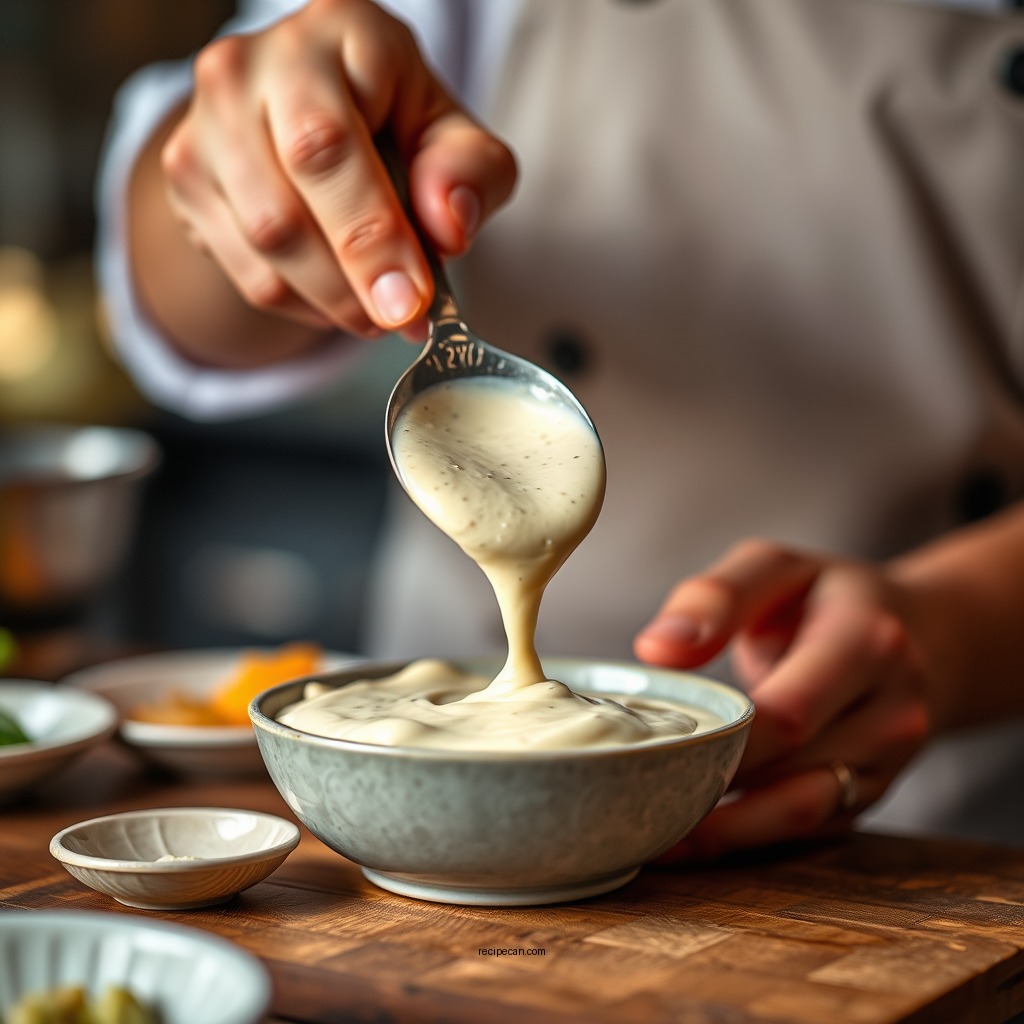
Making remoulade sauce at home is both simple and rewarding. Follow these steps to create your own:
1. Combine Ingredients: In a mixing bowl, add a cup of mayonnaise and two tablespoons of Dijon mustard. You can adjust these proportions based on how tangy you want your sauce to be.
2. Add Fresh Herbs and Seasonings: Finely chop your choice of fresh herbs (about two tablespoons total) and mix them into the mayonnaise and mustard. Incorporate salt and pepper to taste, and feel free to add a teaspoon of hot sauce for a spicy kick.
3. Whisk Until Smooth: Using a whisk or a fork, mix all the ingredients thoroughly until the sauce is smooth and homogeneous. Make sure there are no lumps.
4. Refrigerate: For the best flavor, cover the bowl with plastic wrap or transfer the sauce to an airtight container and refrigerate it for at least 30 minutes. This resting time allows the flavors to meld beautifully.
5. Taste and Adjust: After chilling, taste the remoulade and adjust the seasoning if necessary. You can add more mustard, salt, or herbs as desired.
📋 MANDATORY DATA TABLE
Top Ingredients for Classic Remoulade Sauce
| # | Ingredient | Quantity | Flavor Profile |
|---|---|---|---|
| 1 | Mayonnaise | 1 cup | Creamy |
| 2 | Dijon Mustard | 2 tbsp | Tangy |
| 3 | Fresh Herbs | 2 tbsp | Fresh |
| 4 | Lemon Juice | 1 tsp | Zesty |
| 5 | Hot Sauce | 1 tsp | Spicy |
| 6 | Salt & Pepper | To taste | Savory |
| 7 | Horseradish (optional) | 1 tsp | Pungent |
📈 MANDATORY BAR CHART
Flavor Intensity of Remoulade Components
Flavor Variations to Try
While the classic remoulade is delicious as is, variations can introduce exciting new flavors:
– Spicy Remoulade: For those who enjoy heat, adding hot sauce or cayenne pepper can provide a delightful kick. This version pairs perfectly with fried seafood and can enhance the flavor of sandwiches.
– Cajun Remoulade: Incorporating Cajun spices like paprika, garlic powder, and cayenne gives the sauce a Southern twist, making it ideal for shrimp po’ boys or fried green tomatoes.
– Herbaceous Remoulade: Experimenting with a variety of fresh herbs such as tarragon, basil, or cilantro can create unique flavor profiles that complement different cuisines. This variation works well with grilled vegetables or as a dressing for salads.
Serving Suggestions
The versatility of remoulade sauce makes it an ideal condiment for many dishes:
– Seafood: Pair with shrimp, crab cakes, or fried fish for a classic combination that enhances the natural flavors of the seafood.
– Sandwiches and Burgers: Use as a spread on sandwiches or burgers to add a creamy, tangy layer that elevates the overall taste.
– Vegetables: Serve with roasted or grilled vegetables for a fresh and flavorful dip. Remoulade can also be used as a dip for crispy fries or vegetable sticks, making it a fantastic appetizer.
Storage Tips for Remoulade Sauce
To ensure your remoulade sauce stays fresh and flavorful:
– Refrigeration: Store the sauce in an airtight container in the refrigerator. It can typically last up to a week, allowing you to enjoy it across multiple meals.
– Stir Before Use: As with many sauces, the ingredients may settle over time. Be sure to give the remoulade a good stir before using it to redistribute the flavors.
In conclusion, remoulade sauce is an incredibly versatile condiment that can enhance a wide variety of dishes. With its creamy base and tangy flavor, making remoulade at home is straightforward and rewarding. Whether you stick to the classic recipe or experiment with different flavors, this sauce is sure to become a staple in your kitchen. We encourage you to try making your own remoulade sauce, explore the flavor variations, and share your culinary creations with others. Enjoy the delightful taste of this classic sauce and watch as it transforms your meals!
Frequently Asked Questions
What ingredients are needed for a classic remoulade sauce recipe?
A classic remoulade sauce recipe typically includes mayonnaise, Dijon mustard, capers, chopped herbs like parsley and tarragon, lemon juice, and a dash of hot sauce. For added flavor, you can incorporate diced pickles or shallots. This combination creates a creamy and tangy sauce perfect for seafood dishes or as a dip.
How do you make a spicy remoulade sauce?
To make a spicy remoulade sauce, start with a base of mayonnaise and mix in Dijon mustard, horseradish, and cayenne pepper for heat. You can also add diced jalapeños or a splash of hot sauce to elevate the spice level. This version is excellent for serving with fried shrimp or crab cakes.
Why is remoulade sauce often served with seafood?
Remoulade sauce is often served with seafood because its tangy and creamy flavor complements the natural taste of fish and shellfish. The acidity from ingredients like lemon juice and pickles helps cut through the richness of fried or grilled seafood, enhancing the overall dining experience.
What is the best way to store homemade remoulade sauce?
The best way to store homemade remoulade sauce is in an airtight container in the refrigerator. It can typically last for up to one week, allowing the flavors to meld and develop over time. Always give it a good stir before using, as separation may occur.
Which dishes pair well with remoulade sauce?
Remoulade sauce pairs well with a variety of dishes, particularly seafood such as fried shrimp, crab cakes, and fish fillets. It also complements boiled potatoes, sandwiches, and even vegetable platters, making it a versatile condiment for enhancing flavors in many meals.
References
- Remoulade
https://en.wikipedia.org/wiki/Remoulade - https://www.britannica.com/food/remoulade
https://www.britannica.com/food/remoulade - https://www.ncbi.nlm.nih.gov/pmc/articles/PMC7040494/
https://www.ncbi.nlm.nih.gov/pmc/articles/PMC7040494/ - https://www.sciencedirect.com/topics/food-science/remoulade
https://www.sciencedirect.com/topics/food-science/remoulade - Google Scholar Google Scholar
https://scholar.google.com/scholar?q=remoulade+sauce+recipe - Google Scholar Google Scholar
https://scholar.google.com/scholar?q=remoulade+ingredients - Google Scholar Google Scholar
https://scholar.google.com/scholar?q=remoulade+sauce+history - https://www.cdc.gov/foodsafety/communication/food-safety-tips.html
https://www.cdc.gov/foodsafety/communication/food-safety-tips.html - https://www.nytimes.com/2021/06/16/dining/remoulade-sauce-recipe.html
https://www.nytimes.com/2021/06/16/dining/remoulade-sauce-recipe.html - https://www.nature.com/articles/s41598-018-22681-7
https://www.nature.com/articles/s41598-018-22681-7