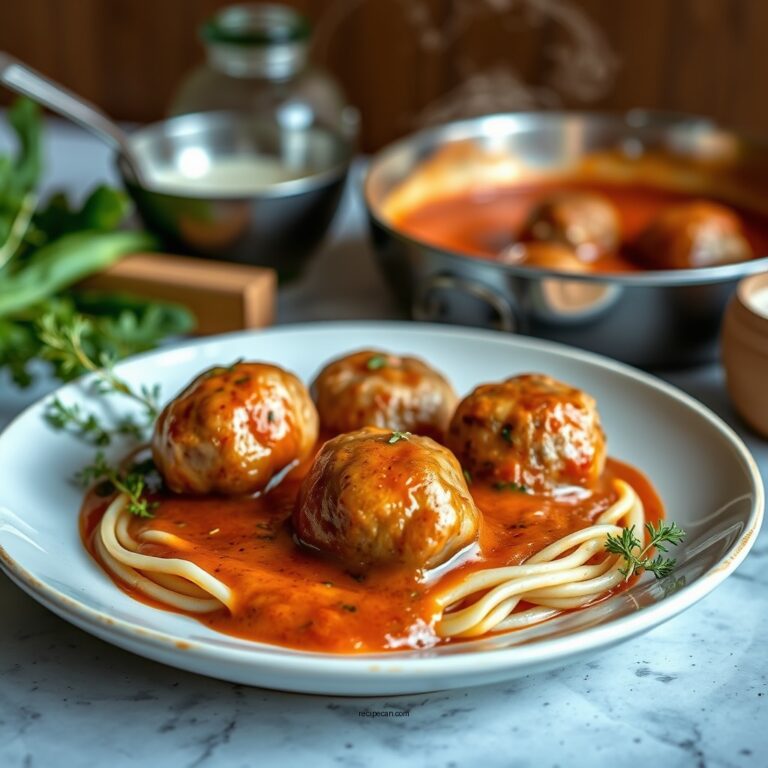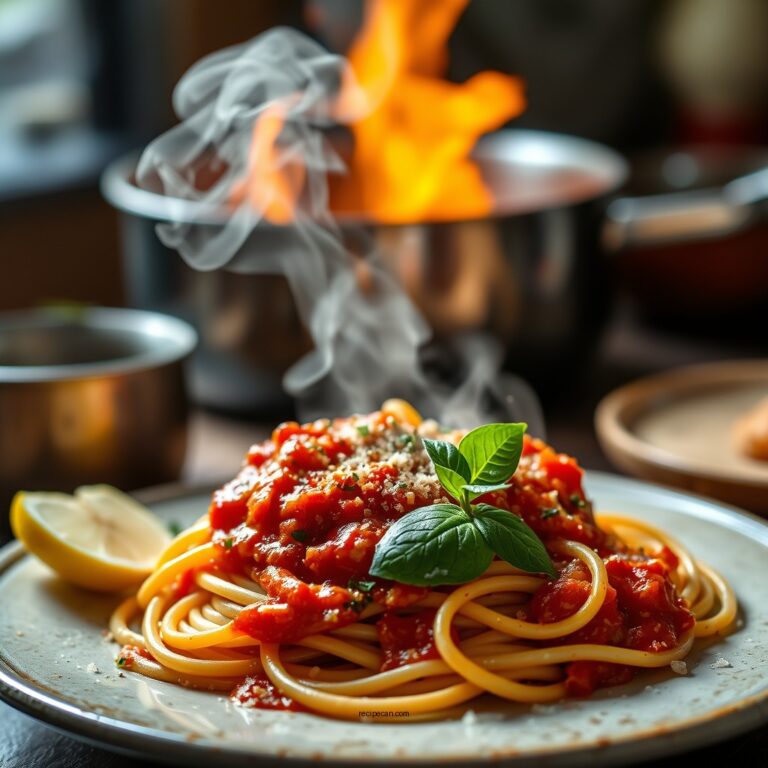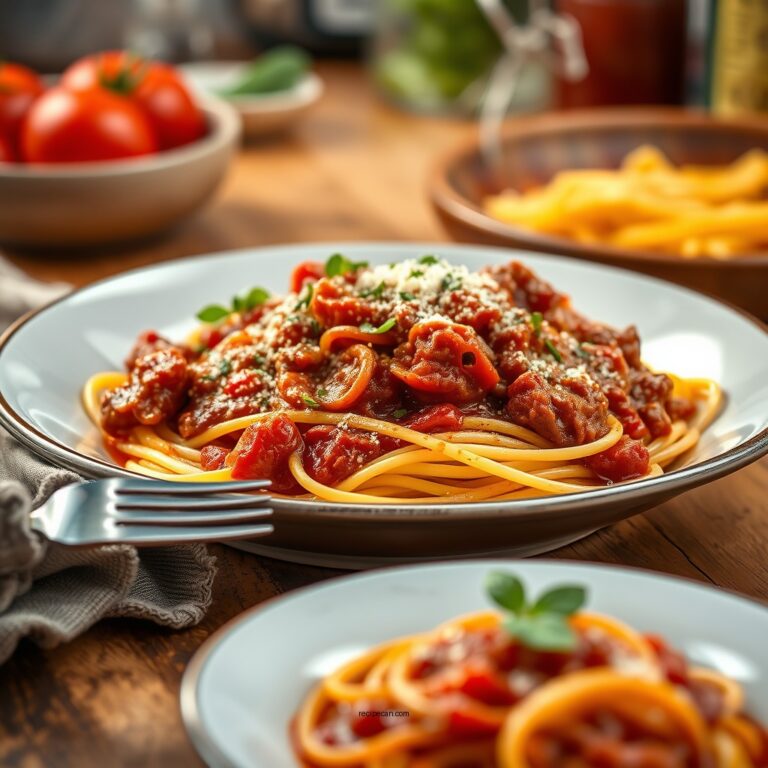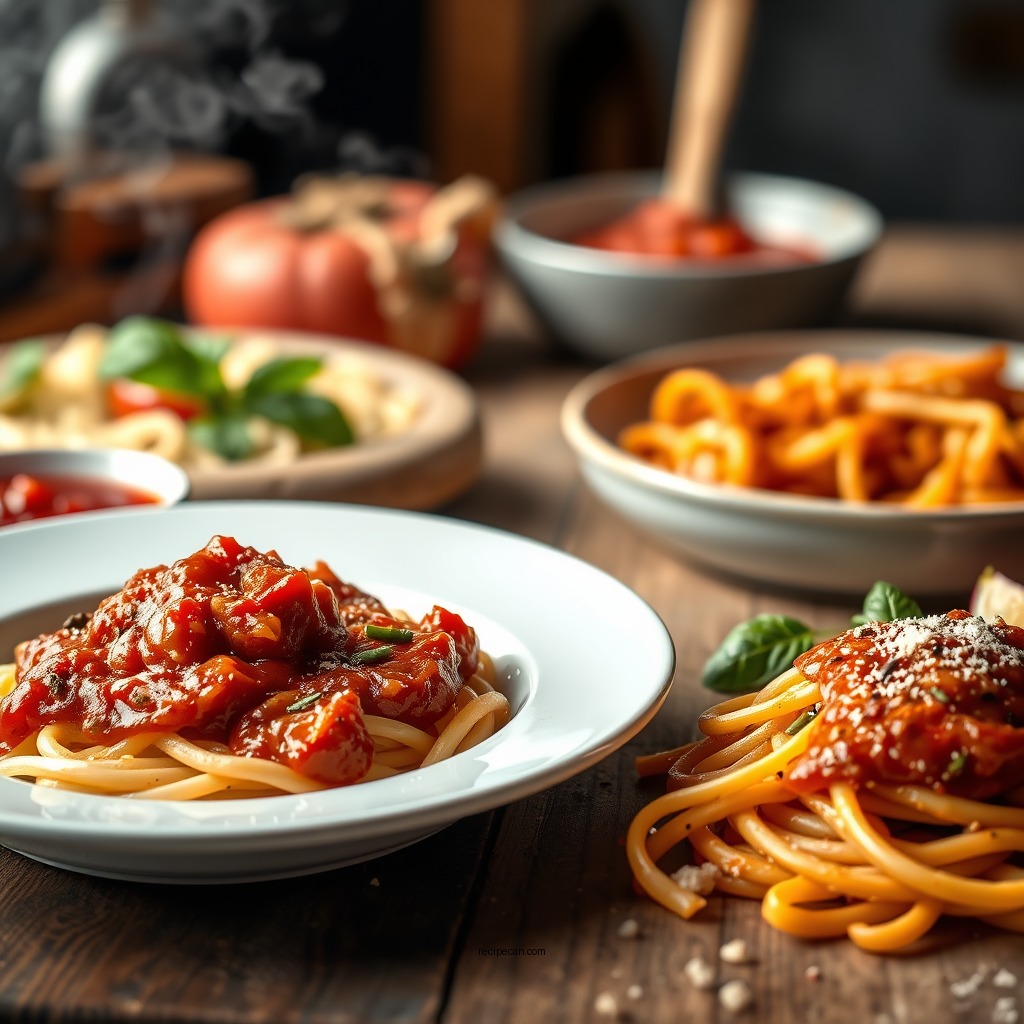
Creating a flavorful red sauce at home is not only simple but also incredibly rewarding. With this easy red sauce recipe, you can craft a rich and savory sauce that will enhance any pasta, pizza, or Italian dish you prepare. This guide will walk you through the essential ingredients and steps needed to make a classic red sauce that promises to elevate your meals and impress your guests.
Essential Ingredients for Red Sauce
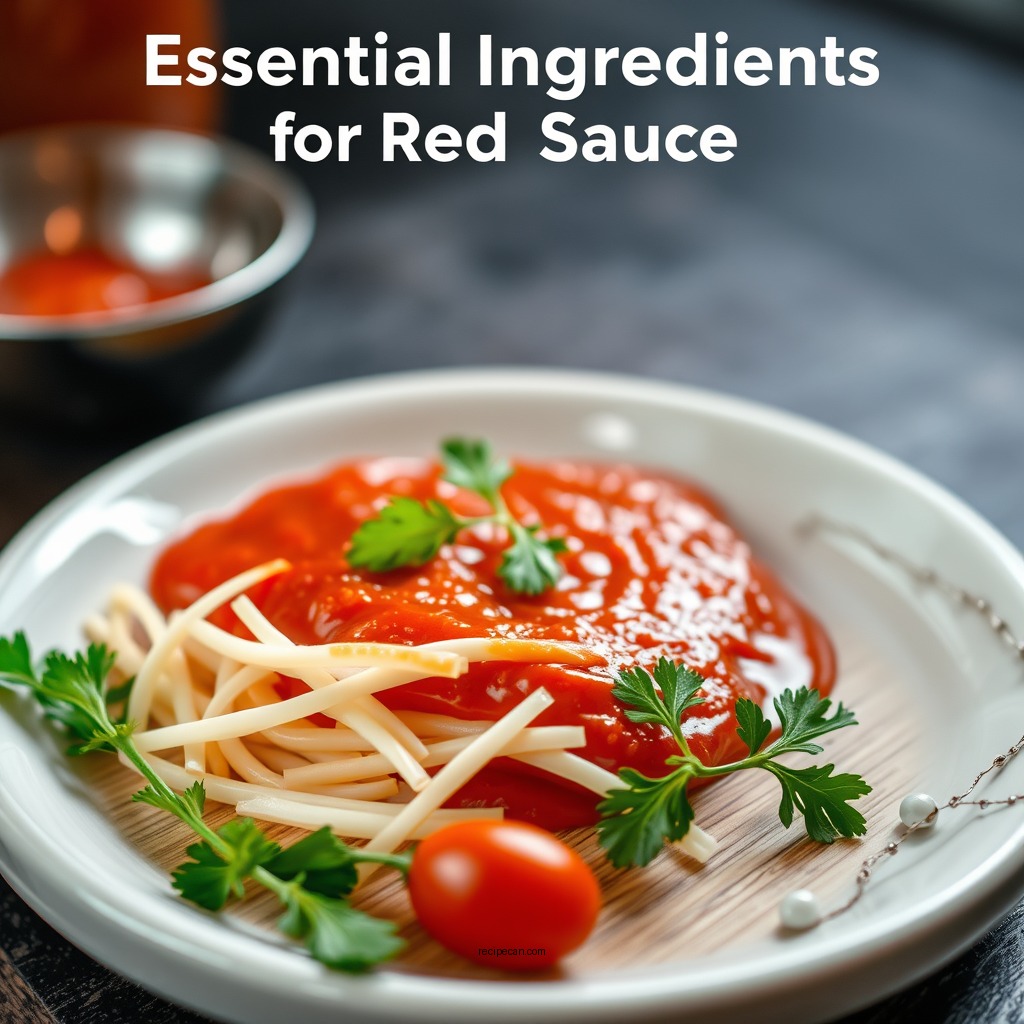
To create a classic red sauce, sourcing quality ingredients is key. The following components are essential to developing a well-balanced and flavorful sauce:
– Fresh Tomatoes or Canned Tomatoes: The foundation of any red sauce, tomatoes provide the necessary acidity and sweetness. Fresh, ripe tomatoes are ideal, but high-quality canned tomatoes (preferably San Marzano) offer convenience and consistency.
– Aromatics: Onions and garlic are crucial for building depth in flavor. Onions create a sweet and savory base, while garlic adds a pungent, aromatic quality that enhances the overall taste of the sauce.
– Olive Oil: A good quality extra virgin olive oil is essential for sautéing the aromatics and provides richness to the sauce. It also contributes healthy fats, making your dish more satisfying.
– Seasonings: Salt and pepper are vital for enhancing the flavors, while herbs such as basil and oregano add a classic Italian touch.
– Optional Additions: Depending on your preference, you could include ingredients like sugar (to balance acidity), carrots (for sweetness), or red wine (for complexity).
Choosing the right ingredients is the first step in achieving a delicious red sauce that complements your pasta perfectly.
Step-by-Step Instructions

Making a red sauce from scratch is straightforward. Here’s a step-by-step guide to help you through the process:
1. Sauté the Aromatics: In a large saucepan, heat about 2 tablespoons of olive oil over medium heat. Add 1 diced onion and 2-3 minced garlic cloves. Sauté until the onions are translucent and lightly browned, about 5-7 minutes. This step is crucial as it forms the aromatic base for your sauce.
2. Add Tomatoes: If you are using fresh tomatoes, roughly chop them (about 2-3 cups). If using canned, simply pour in the contents of one 28-ounce can of crushed tomatoes. Mix well with the sautéed onions and garlic.
3. Simmer the Sauce: Increase the heat slightly and bring the mixture to a gentle boil. Once boiling, reduce the heat to low and let it simmer for at least 30 minutes. This simmering time allows the flavors to meld and develop. Stir occasionally to prevent sticking.
4. Season Your Sauce: Add salt and pepper to taste. For an authentic Italian flavor, stir in 1-2 teaspoons of dried oregano and a handful of fresh basil leaves. Feel free to adjust the seasoning according to your preference.
5. Final Adjustments: If you desire a thicker sauce, continue to simmer for an additional 10-15 minutes. For a smoother consistency, use an immersion blender to carefully blend the sauce to your desired texture.
Following these steps will yield a delicious red sauce that serves as a perfect base for various Italian dishes.
Variations for Added Flavor
While the basic red sauce recipe is fantastic on its own, there are numerous ways to customize it for added depth and complexity:
– Incorporate Red Wine or Balsamic Vinegar: Adding a splash of red wine during the simmering process can enhance the sauce’s richness. Balsamic vinegar can also provide a sweet acidity that beautifully balances the tomatoes.
– Add Spice: If you enjoy a kick, consider incorporating crushed red pepper flakes or a dash of hot sauce to your sauce. This can elevate the flavor profile and add an exciting dimension.
– Experiment with Herbs: While basil and oregano are traditional, you can also introduce thyme, rosemary, or even parsley for a unique twist. Fresh herbs tend to provide a more vibrant flavor compared to dried, so opt for fresh when possible.
– Vegetable Additions: You can add finely chopped carrots or bell peppers during the sautéing process for additional sweetness and texture.
These variations allow for creativity, enabling you to tailor the sauce to your specific tastes and preferences.
Top 7 Tomato Varieties for Sauce Making (2024)
| # | Tomato Variety | Acidity Level | Sweetness | Best For |
|---|---|---|---|---|
| 1 | San Marzano | High | Medium | Sauces |
| 2 | Roma | Medium | Medium | Sauces |
| 3 | Beefsteak | Low | High | Salsas |
| 4 | Cherry | Low | Very High | Fresh Eating |
| 5 | Early Girl | Medium | High | Sauces |
| 6 | Plum | Medium | Medium | Sauces |
| 7 | Heirloom | High | Medium | Sauces |
Cooking Tips for Perfect Consistency
Achieving the perfect consistency for your red sauce can make all the difference in your dish. Here are some valuable tips:
– Simmer Longer for Thickness: If you prefer a thicker sauce, allow it to simmer for a longer duration. The evaporation of excess moisture will naturally thicken the sauce, intensifying the flavors.
– Adjusting Consistency: If your sauce becomes too thick during cooking, simply add a splash of water or vegetable broth. This will help maintain the desired consistency without compromising flavor.
– Blending for Smoothness: For a smooth finish, consider using an immersion blender or a standing blender to purée the sauce. This method is particularly beneficial if you’ve added chunky vegetables or wish to achieve a more refined texture.
By following these tips, you can customize your red sauce to suit your culinary needs and preferences.
Red Sauce Consistency Adjustments
Serving Suggestions
Now that you have prepared your red sauce, consider the following serving suggestions to maximize its flavor potential:
– Pasta Pairings: This red sauce is perfect for classic pasta dishes. Whether you choose spaghetti, penne, or fettuccine, simply toss the cooked pasta with the sauce for a delightful meal. Adding freshly grated Parmesan cheese will enhance the dish further.
– Pizza Base: Use your homemade red sauce as a base for pizza. Spread a thin layer on your pizza dough, add your favorite toppings, and bake until bubbly for an authentic Italian pizza experience.
– Heartier Dishes: For a more substantial meal, consider adding proteins such as meatballs, Italian sausage, or sautéed chicken to the sauce. Allow it to simmer together for a rich, hearty dish that is perfect for family dinners.
These serving ideas not only showcase the versatility of your red sauce but also provide opportunities to impress your dinner guests.
Storing Your Red Sauce
Knowing how to properly store your red sauce can help you enjoy it at a later date. Here are some essential storage tips:
– Cooling Before Storage: Allow your red sauce to cool completely at room temperature before transferring it to containers. This prevents condensation and helps maintain freshness.
– Refrigeration: Store the sauce in an airtight container in the refrigerator for up to one week. Ensure that the container is well-sealed to prevent any unwanted odors from affecting the sauce.
– Freezing for Later Use: For longer-term storage, consider freezing the sauce. Portion it into freezer-safe containers or resealable bags, labeling them with the date. The sauce can be frozen for up to three months.
– Reheating Tips: When ready to use, reheat the sauce gently on the stove. If it has thickened during storage, add a splash of water or broth to restore its original consistency.
By following these storage guidelines, you can ensure that your homemade red sauce remains flavorful and ready for use whenever you need it.
Creating your own red sauce at home is an easy and satisfying process that enhances any dish. By following this straightforward recipe, you can enjoy a rich flavor that rivals any restaurant’s offering. So, gather your ingredients and start cooking your delicious red sauce today!
Frequently Asked Questions
What are the essential ingredients for a classic red sauce recipe?
A classic red sauce recipe typically requires canned tomatoes, garlic, onion, olive oil, and fresh herbs like basil and oregano. You can also add salt, pepper, and a pinch of sugar to balance the acidity of the tomatoes. For a richer flavor, consider incorporating red wine or crushed red pepper flakes for a hint of spice.
How can I make my red sauce thicker without using cornstarch?
To thicken your red sauce without cornstarch, you can simmer it uncovered to allow excess moisture to evaporate, concentrating the flavors. Additionally, blending a portion of the sauce and then mixing it back in can create a thicker consistency. Adding grated Parmesan cheese or pureed vegetables like carrots can also enhance thickness and flavor.
Why does my red sauce taste bland, and how can I improve it?
A bland red sauce often results from insufficient seasoning or cooking time. To enhance the flavor, try sautéing your garlic and onions until golden before adding tomatoes. Additionally, incorporating salt, freshly cracked black pepper, and herbs like thyme or bay leaves can elevate the taste significantly; consider letting the sauce simmer longer to deepen the flavors.
What is the best type of tomato to use for a homemade red sauce?
The best type of tomato for a homemade red sauce is San Marzano tomatoes, known for their rich flavor and low acidity. If those aren’t available, you can use high-quality canned whole or crushed tomatoes. Fresh Roma tomatoes also work well, but they require peeling and seeding for the best texture in your sauce.
Which red sauce recipe is perfect for pasta and versatile dishes?
A simple marinara sauce is perfect for pasta and versatile dishes, as it requires minimal ingredients and can be customized easily. Start with sautéing garlic and onions in olive oil, then add crushed tomatoes and herbs. This sauce can be used for pasta, pizza, or as a base for casseroles, making it a staple in any kitchen.
References
- Red sauce
https://en.wikipedia.org/wiki/Red_sauce - NYT Cooking – Recipes and Cooking Guides From The New York Times
https://www.nytimes.com/recipes/1020233/red-sauce - https://www.sciencedirect.com/topics/food-science/tomato-sauce
https://www.sciencedirect.com/topics/food-science/tomato-sauce - Sauce | Description, Types, & Uses | Britannica
https://www.britannica.com/topic/sauce - https://pubmed.ncbi.nlm.nih.gov/18521730/
https://pubmed.ncbi.nlm.nih.gov/18521730/ - https://www.mayoclinic.org/healthy-lifestyle/nutrition-and-healthy-eating/in-depth/sauces/art-20046085
https://www.mayoclinic.org/healthy-lifestyle/nutrition-and-healthy-eating/in-depth/sauces/art-20046085 - Google Scholar Google Scholar
https://scholar.google.com/scholar?q=red+sauce+recipe - Google Scholar Google Scholar
https://scholar.google.com/scholar?q=tomato+sauce+cooking - Google Scholar Google Scholar
https://scholar.google.com/scholar?q=homemade+red+sauce+nutrition - red sauce recipe – Search results
https://en.wikipedia.org/wiki/Special:Search?search=red+sauce+recipe