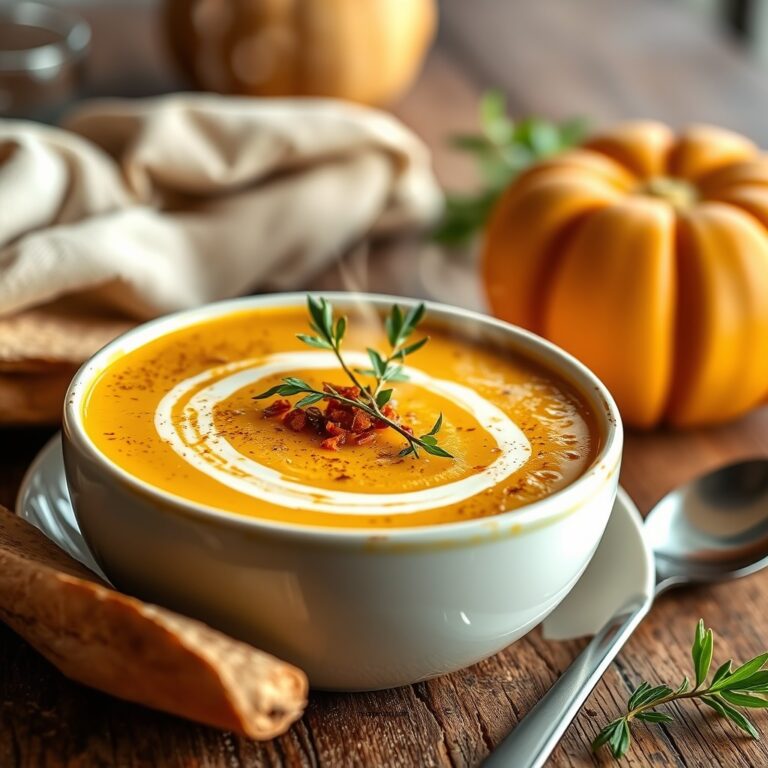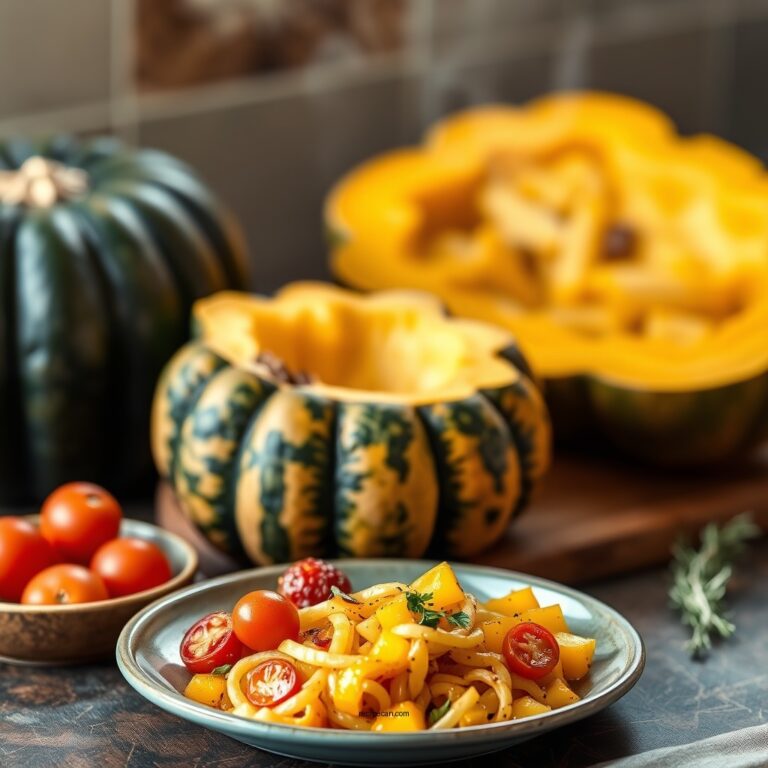
Frying squash is a straightforward and delicious method to enjoy this nutritious vegetable. Whether you’re looking for a crispy side dish or a flavorful snack, frying squash delivers both taste and texture with minimal effort. In this article, you will learn how to select, prepare, bread, and fry squash to perfection, along with tips for variations that can elevate your dish.
Selecting the Right Squash
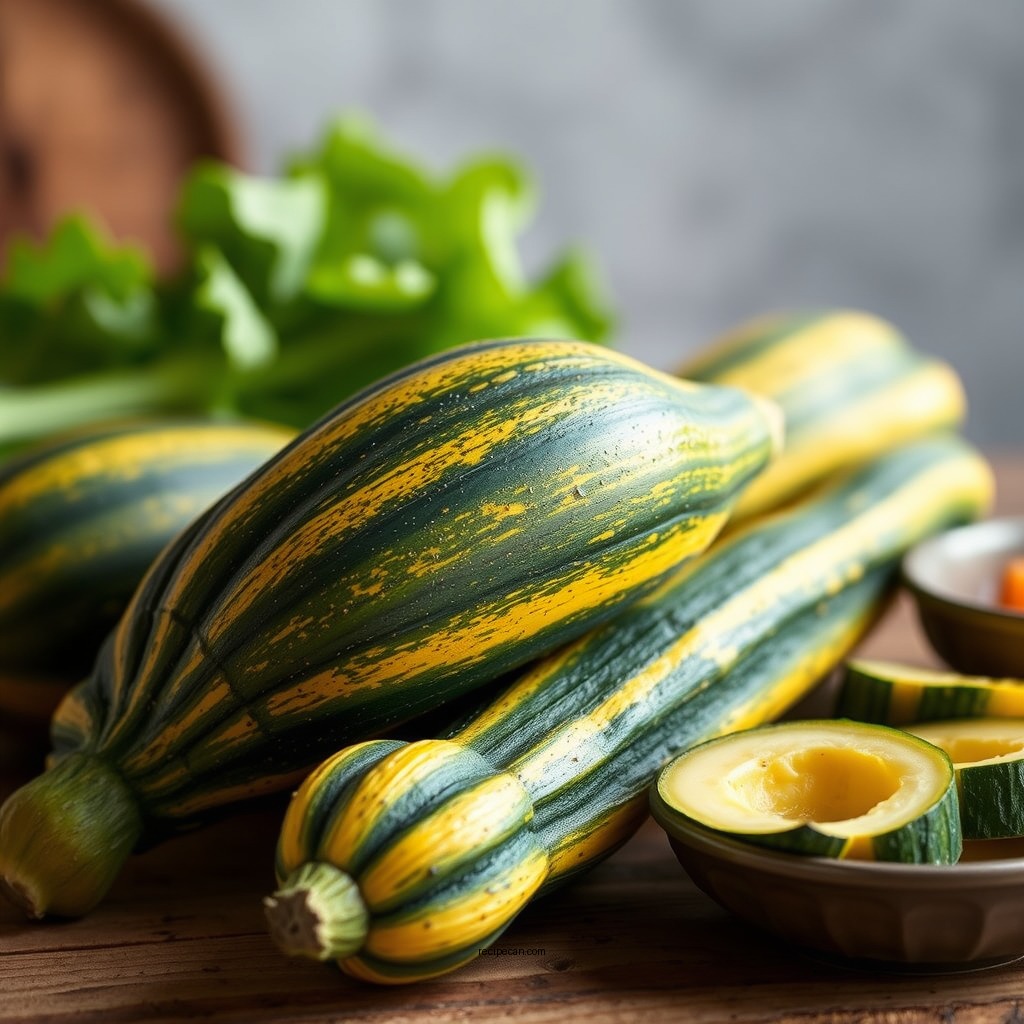
Choosing the right squash is crucial for achieving the best flavor and texture in your fried dish. Fresh summer squash varieties, particularly zucchini and yellow squash, are ideal because of their tender flesh and subtle sweetness. When selecting squash, look for specimens that are firm, with smooth, unblemished skin. Avoid any squash that shows signs of decay, such as soft spots or discoloration, as these will compromise the quality of your final dish. Additionally, consider the size; smaller squash tend to be more flavorful and tender compared to larger ones, which may have a tougher texture.
Preparing the Squash
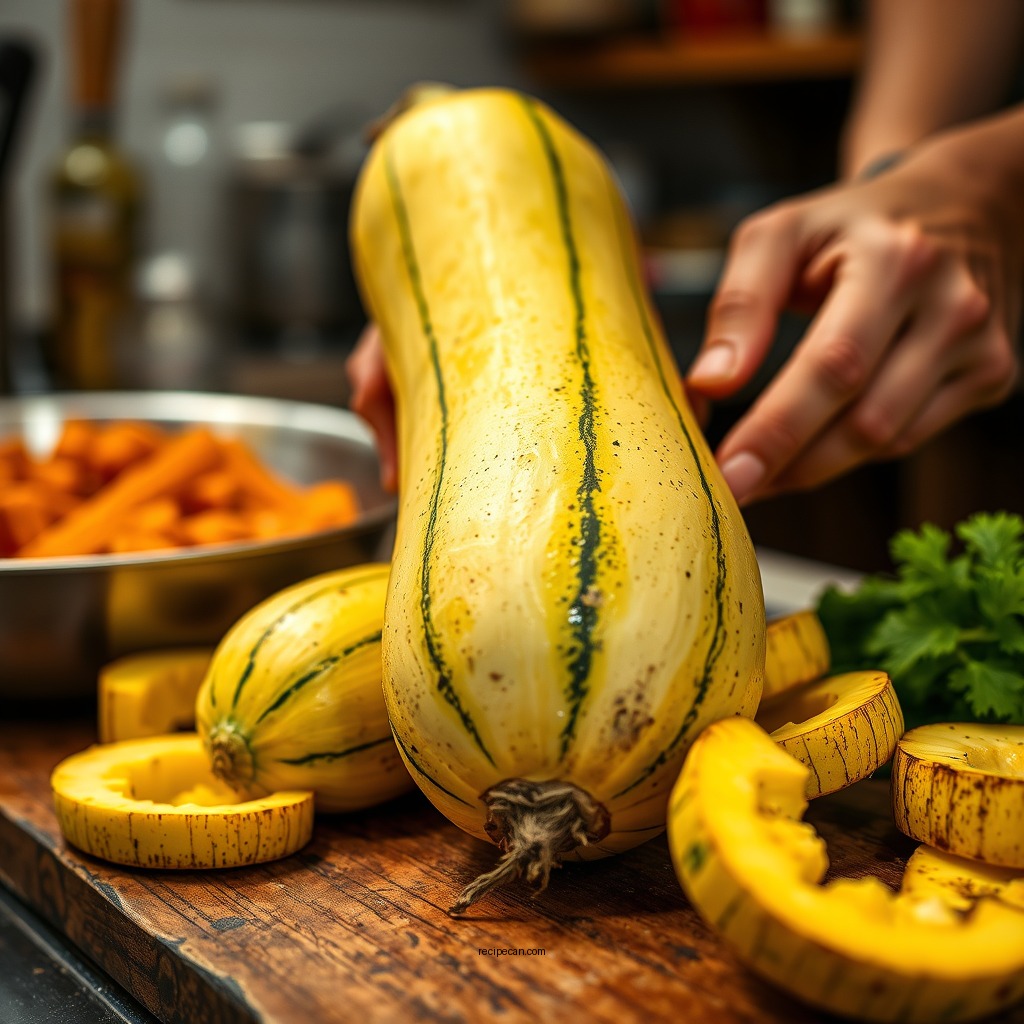
Preparation is key to ensuring that your fried squash cooks evenly and retains its natural flavor. Begin by washing the squash thoroughly under running water to remove any dirt or pesticides. Once cleaned, slice the squash into even rounds or half-moons, about ¼ inch thick. Cutting the squash uniformly helps it cook evenly, preventing some pieces from being overcooked while others remain underdone. Aim for a consistent thickness to ensure a uniform cooking experience, enhancing the overall texture of the dish.
Breading the Squash
Breading adds a delightful crunch to your fried squash, elevating its appeal. Start by dipping the sliced squash in beaten egg; this will act as a binding agent for the breading. For the breading, you can use a mixture of flour, cornmeal, or breadcrumbs, seasoned with salt and pepper. A simple ratio could be 1 cup of flour to ½ cup of cornmeal or breadcrumbs, adjusted to your desired texture. For added flavor, consider mixing in spices such as garlic powder, onion powder, or even Italian seasoning. Ensure each slice is evenly coated with the breading mixture, pressing gently to help it adhere.
Top 7 Types of Squash for Frying
| # | Squash Type | Flavor Profile | Best Season | Cooking Time (min) |
|---|---|---|---|---|
| 1 | Zucchini | Mild, Sweet | Summer | 3-5 |
| 2 | Yellow Squash | Sweet, Nutty | Summer | 3-5 |
| 3 | Pattypan | Sweet, Tender | Summer | 3-5 |
| 4 | Crookneck | Mild, Creamy | Summer | 4-6 |
| 5 | Kabocha | Sweet, Earthy | Fall | 5-7 |
| 6 | Acorn | Nutty, Sweet | Fall | 5-7 |
| 7 | Butternut | Sweet, Creamy | Fall | 6-8 |
Frying Techniques
Once your squash is prepared and breaded, the frying technique is essential for achieving that perfect crispy texture. Begin by heating a generous amount of oil, such as vegetable or canola oil, in a skillet over medium heat. The oil should be hot enough that a drop of water sizzles when it hits the surface, indicating it is ready for frying. Carefully add the breaded squash slices to the skillet, ensuring not to overcrowd the pan. Fry in batches if necessary to maintain the oil temperature, which is crucial for crispiness.
Cooking Time and Tips
Cooking time is critical for ensuring that your fried squash turns out golden brown and crispy. Fry each side for about 2-3 minutes, keeping a close eye on the color. The goal is to achieve a rich golden hue without burning the breading. Once done, use a slotted spoon to remove the squash from the oil, allowing excess oil to drain. Place the fried squash on a plate lined with paper towels to absorb any remaining oil. This step is vital for preventing sogginess and maintaining the desired crunch.
Preferred Cooking Methods for Squash (2024)
Serving Suggestions
To serve your fried squash, present it hot and crispy, garnished with fresh herbs such as parsley or basil for a pop of color and added flavor. A sprinkle of Parmesan cheese can enhance the dish further, providing a rich, umami contrast to the sweetness of the squash. For dipping, consider pairing your fried squash with ranch dressing, marinara sauce, or even a spicy aioli to complement the crispy texture and bring additional flavors to the forefront.
Variations and Flavor Boosts
Fried squash is a versatile dish that allows for endless experimentation. To customize your recipe, consider adding spices such as garlic powder, paprika, or cayenne pepper to the breading mix for a flavor kick. For a cheesy version, incorporate grated cheese directly into the breading to create a gooey, flavorful coating. You can also experiment with different types of squash or even mix several varieties for a colorful and diverse platter. Lastly, adjusting the thickness of your squash slices can yield different results in texture, with thinner slices offering a crispier bite.
Frying squash is not only a quick and enjoyable method to savor this versatile vegetable, but it also provides an opportunity to explore and customize your cooking. With the right preparation and techniques, you can achieve a delightful dish that appeals to all palates. As you grow more comfortable with the process, don’t hesitate to try different variations and flavors to make the dish your own. Happy cooking!
Frequently Asked Questions
What ingredients do I need for a basic fried squash recipe?
For a basic fried squash recipe, you’ll need fresh summer squash (such as yellow squash or zucchini), all-purpose flour, cornmeal, salt, pepper, and oil for frying. You can also add spices or herbs to the flour mixture for extra flavor, such as garlic powder or paprika.
How do I prepare squash for frying?
To prepare squash for frying, first wash the squash thoroughly and slice it into even rounds or half-moons, about 1/4 inch thick. Next, combine flour, cornmeal, salt, and pepper in a bowl, then dredge the squash slices in the mixture to ensure an even coating before frying for a crispy texture.
Why is my fried squash soggy, and how can I prevent this?
Soggy fried squash often results from excess moisture or overcrowding in the frying pan. To prevent this, make sure to pat the squash dry with paper towels before coating, and fry in batches to avoid steaming. Using a hot oil temperature (around 350°F) also helps achieve a crispy exterior.
What is the best oil for frying squash?
The best oil for frying squash is one with a high smoke point, such as canola oil, vegetable oil, or peanut oil. These oils can withstand high temperatures without burning, which is crucial for achieving that golden, crispy finish on your fried squash.
Which dipping sauces pair well with fried squash?
Fried squash pairs well with a variety of dipping sauces, including ranch dressing, spicy mayo, or a tangy remoulade. Additionally, a simple homemade garlic aioli or lemon herb dip can enhance the flavors of the fried squash and provide a refreshing contrast.
References
- https://en.wikipedia.org/wiki/Squash
https://en.wikipedia.org/wiki/Squash - https://www.ncbi.nlm.nih.gov/pmc/articles/PMC6412452/
https://www.ncbi.nlm.nih.gov/pmc/articles/PMC6412452/ - https://www.healthline.com/nutrition/squash-benefits
https://www.healthline.com/nutrition/squash-benefits - https://www.sciencedirect.com/topics/agricultural-and-biological-sciences/squash
https://www.sciencedirect.com/topics/agricultural-and-biological-sciences/squash - https://www.bbc.co.uk/food/recipes/fried_squash_97535
https://www.bbc.co.uk/food/recipes/fried_squash_97535 - https://www.nutrition.gov/topics/food-safety/food-safety-tips
https://www.nutrition.gov/topics/food-safety/food-safety-tips - https://www.verywellfit.com/squash-nutrition-facts-4110130
https://www.verywellfit.com/squash-nutrition-facts-4110130 - Laryngospasm: What causes it? – Mayo Clinic
https://www.mayoclinic.org/healthy-lifestyle/nutrition-and-healthy-eating/expert-answers/vegetable-nutrition-facts/faq-20058269 - Google Scholar Google Scholar
https://scholar.google.com/scholar?q=recipe+for+frying+squash - Google Scholar Google Scholar
https://scholar.google.com/scholar?q=squash+cooking+methods