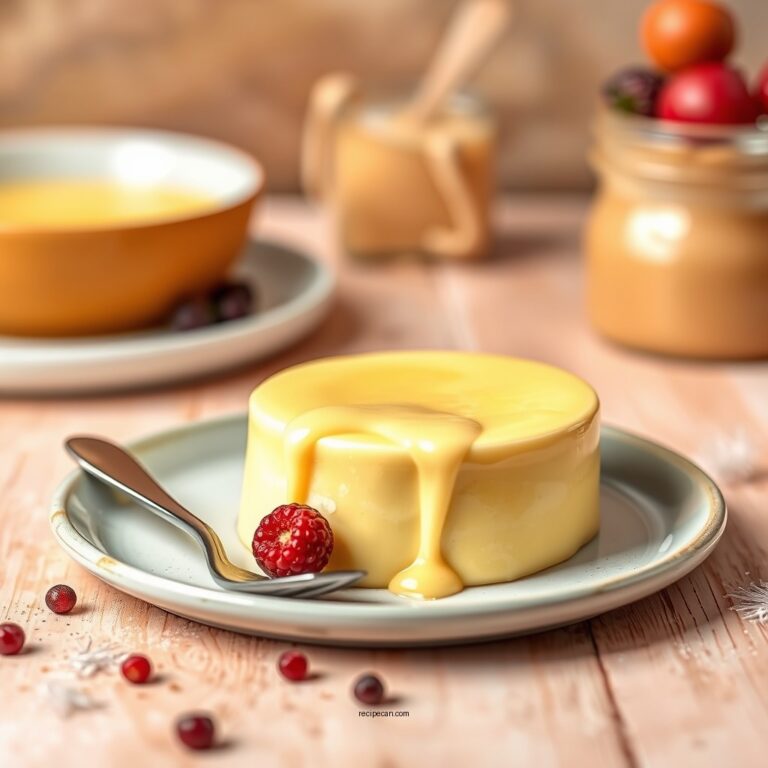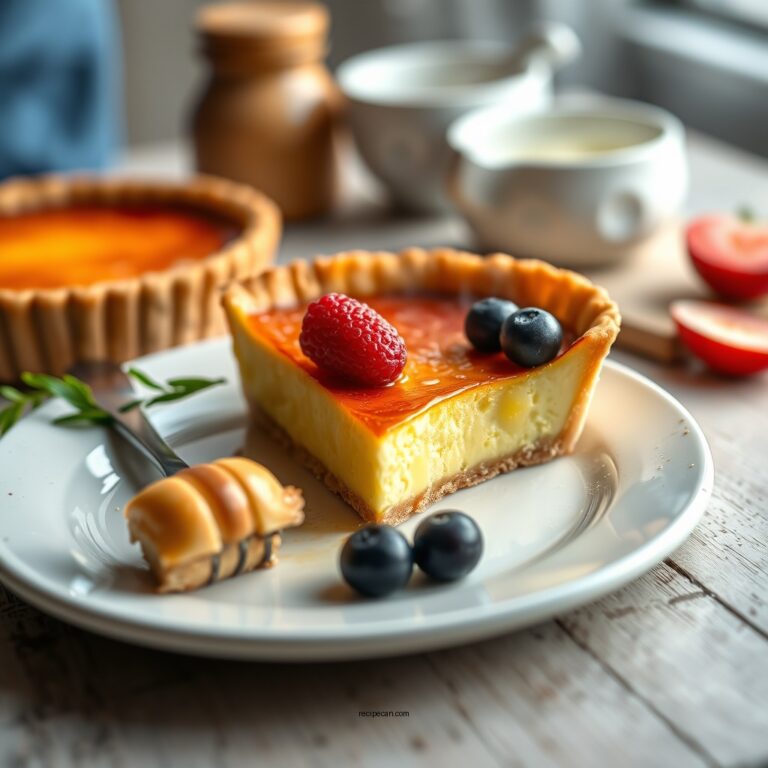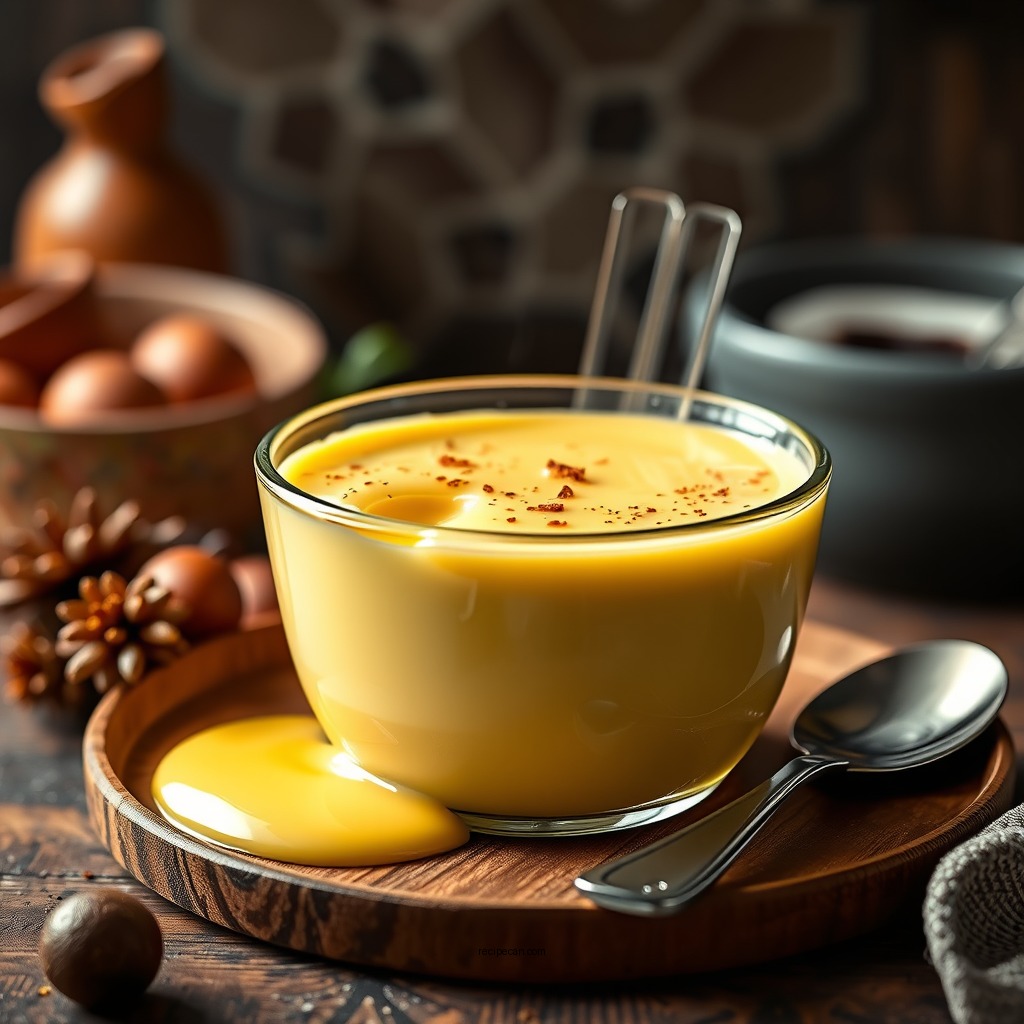
Creating a creamy and smooth custard is simpler than you might think! With just a few basic ingredients and straightforward steps, you can whip up this delightful dessert that serves as a perfect base for many dishes or can be enjoyed on its own. In this article, you’ll learn how to make custard from scratch, along with tips and variations to enhance your culinary experience. Custard is a versatile and timeless classic that can elevate your culinary repertoire.
Understanding Custard: What It Is and Types
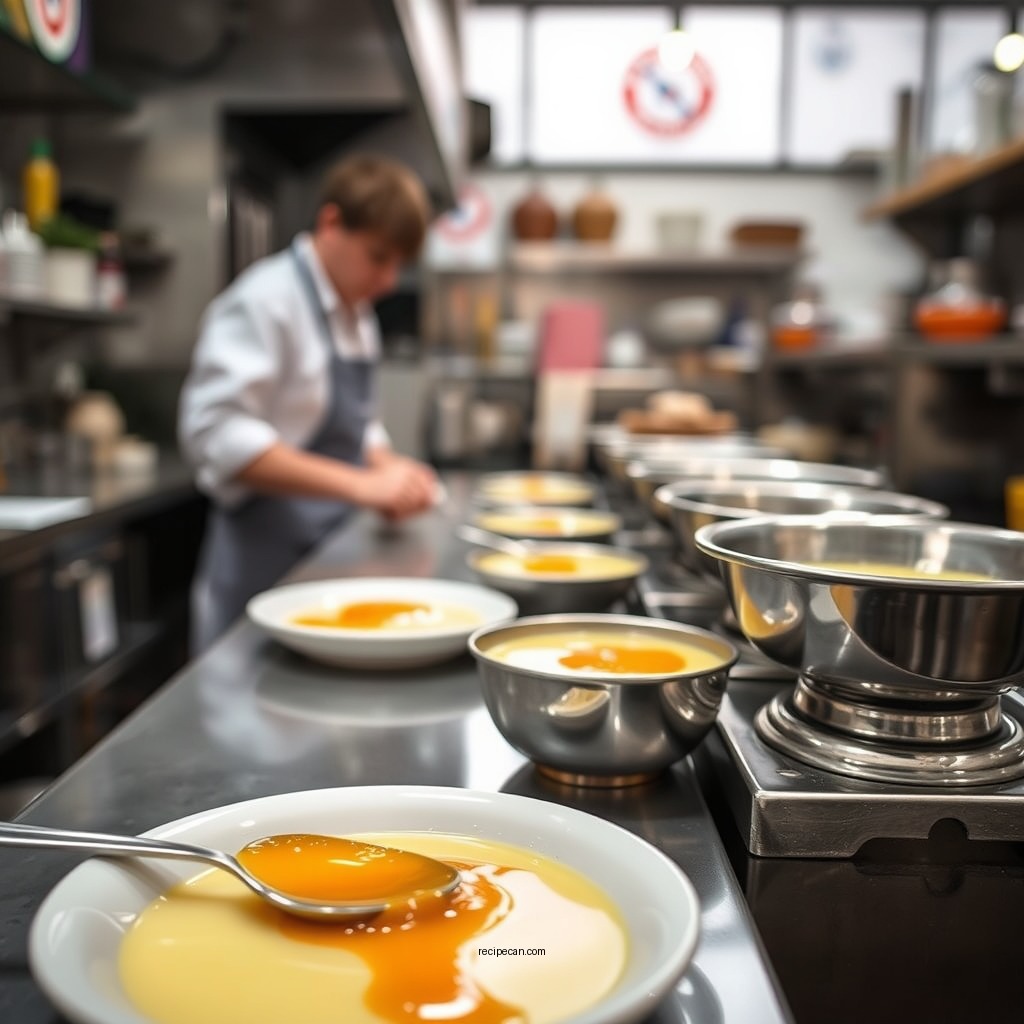
Custard is a mixture of eggs, milk, and sugar, thickened by gentle cooking. The key to a successful custard lies in the right balance of these ingredients and the cooking technique employed. There are several types of custards, each with unique characteristics and culinary applications:
– Baked Custard: This type is cooked in the oven, often in a water bath, yielding a firmer texture. It’s typically used in dishes like flan or crème brûlée.
– Stirred Custard: Also known as crème anglaise, this custard is cooked on the stovetop and is meant to be stirred continuously. It’s often served as a sauce or poured over desserts.
– Pastry Cream: This is a thicker custard used primarily as a filling for pastries and cakes. It’s cooked on the stovetop and then cooled to thicken further.
Each type of custard has its place in the culinary world, making it an essential skill for any home cook or professional chef.
Essential Ingredients for Custard
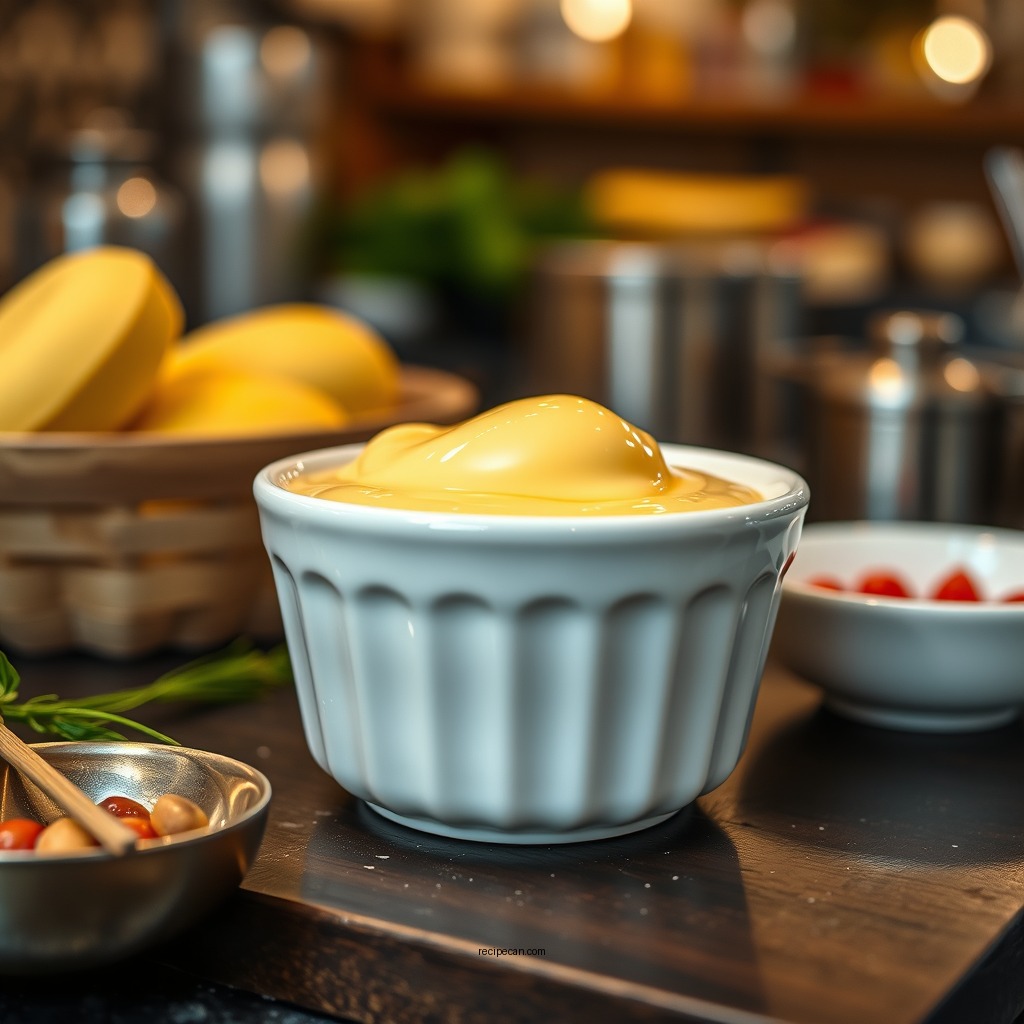
The ingredients you choose can significantly affect the richness and flavor of your custard. Here’s a closer look at the essential components:
– Eggs: The primary thickening agent in custard, eggs not only provide structure but also impart a rich flavor. It is advisable to use large eggs for best results.
– Milk or Cream: The choice of milk or cream will determine the custard’s creaminess. Whole milk will yield a lighter custard, while heavy cream will produce a rich, velvety texture. For a balanced flavor, many recipes use a combination of both.
– Sugar: This ingredient sweetens the custard and enhances its overall flavor. Depending on your personal taste and dietary preferences, you can adjust the amount of sugar. Alternatives like honey or maple syrup can also be used for a different flavor profile.
📋 MANDATORY DATA TABLE
Custard Varieties and Their Uses
| # | Custard Type | Texture | Usage | Cooking Method |
|---|---|---|---|---|
| 1 | Baked Custard | Firm | Flans, Crème Brûlée | Oven |
| 2 | Stirred Custard | Smooth | Sauces, Soufflés | Stovetop |
| 3 | Pastry Cream | Thick | Filling for Pastries | Stovetop |
| 4 | Chantilly Cream Custard | Light | Dessert Toppings | N/A |
| 5 | Frozen Custard | Creamy | Ice Creams | Churned |
Step-by-Step Instructions for Making Custard
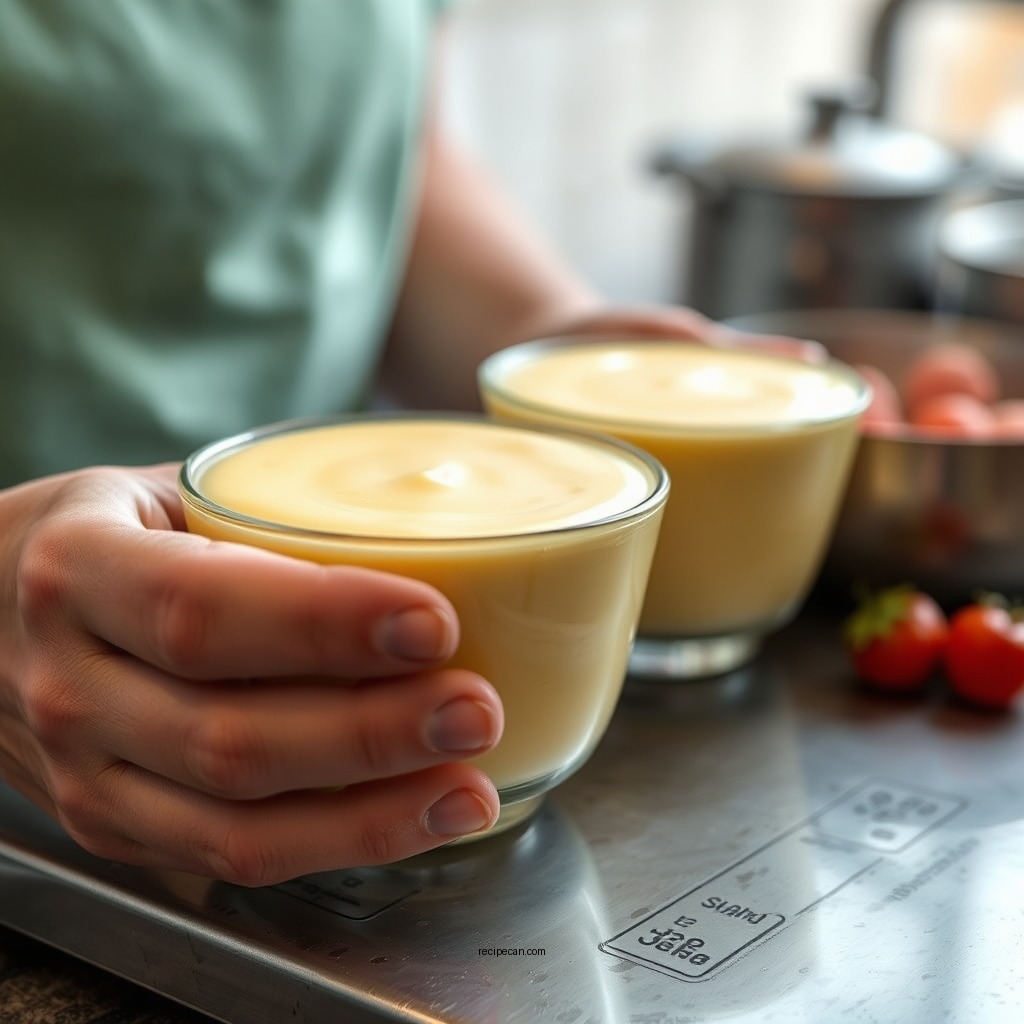
Making custard from scratch is a straightforward process that can be mastered with a little practice. Here’s a step-by-step guide to help you create the perfect custard:
1. Whisk Together Eggs and Sugar: In a mixing bowl, whisk the eggs and sugar until the mixture is pale and creamy. This step is crucial as it helps to incorporate air into the mixture, which contributes to the final texture of the custard.
2. Gradually Add Warmed Milk: In a saucepan, gently heat your milk or cream until it’s warm but not boiling. Slowly pour the warm milk into the egg mixture, whisking continuously to temper the eggs and prevent them from scrambling.
3. Cook the Mixture: Transfer the combined mixture back to the saucepan and cook over low heat. Stir constantly with a wooden spoon or heat-resistant spatula until the custard thickens. This process can take anywhere from 5 to 10 minutes. You’ll know it’s ready when it coats the back of the spoon.
4. Strain the Custard: For an ultra-smooth texture, strain the custard through a fine mesh sieve into a clean bowl. This step removes any bits of cooked egg, ensuring a silky finish.
5. Cool Down: Allow the custard to cool at room temperature before refrigerating it. It will continue to thicken as it cools.
📈 MANDATORY BAR CHART
Cooking Time vs. Custard Thickness
Tips for Perfecting Your Custard
To achieve the perfect custard, keep these tips in mind:
– Use a Double Boiler: Cooking custard over a double boiler allows for gentle heating and minimizes the risk of curdling. This method provides a consistent, low temperature that is essential for custard-making.
– Strain the Mixture: Straining the custard before cooling ensures a silky, smooth texture. This step is especially important if you’re using farm-fresh eggs, as they may have more visible chalazae (the little white strands).
– Flavor Variations: Don’t hesitate to experiment with flavors. Adding vanilla extract, chocolate, or citrus zest can elevate your custard. Try infusing the milk with herbs like lavender or rosemary for a unique twist.
Common Mistakes to Avoid
Making custard can be tricky, and several common mistakes can lead to undesirable results:
– Cooking Over High Heat: This can lead to curdling, which results in a lumpy custard. Always use low heat and be patient during the cooking process.
– Not Stirring Frequently: Stirring constantly ensures even cooking and prevents lumps from forming. If you leave the mixture unattended, the eggs may cook unevenly.
– Skipping the Straining Step: This can result in a grainy texture due to bits of cooked egg. Always strain your custard for a smooth finish.
Serving Suggestions for Custard
Custard can be enjoyed in multiple ways, making it a versatile dessert option:
– Serve Warm or Chilled: Custard can be served warm as a comforting dessert or chilled for a refreshing treat. It’s delightful on its own or with a sprinkle of nutmeg or cinnamon.
– Topping with Fresh Fruits: Fresh berries, sliced bananas, or poached fruits add a vibrant touch. They also bring a refreshing contrast to the creamy custard.
– Filling for Pastries: Use custard as a delicious filling for éclairs, tarts, or cakes. It’s a perfect base to create layered desserts like trifle.
Variations on Classic Custard Recipes
Once you’ve mastered the basic custard recipe, consider trying these variations:
– Flavored Custards: Add extracts like almond or mint for a new flavor dimension. You can also incorporate spices such as nutmeg, cardamom, or cinnamon.
– Dairy-Free Custard: Substitute traditional milk with almond milk, coconut milk, or any plant-based milk for a dairy-free version. Be mindful that these alternatives may alter the texture and flavor slightly.
– Chocolate or Coffee Custard: For a decadent twist, melt chocolate into the custard mixture or whisk in strong brewed coffee. These variations are particularly popular for dessert lovers seeking rich flavors.
Summarizing the delightful process of making custard, you now have the essential knowledge and skills to create this classic dessert. Whether you enjoy it on its own or as part of another dish, custard is sure to impress. Try making it yourself and share your creations with friends and family!
Frequently Asked Questions
What ingredients do I need for a basic custard recipe?
To make a basic custard, you will need four main ingredients: eggs, milk, sugar, and vanilla extract. Typically, you will use whole milk for a rich flavor and smooth texture, while granulated sugar sweetens the mixture. Additionally, you can incorporate a pinch of salt to enhance the flavor of the custard.
How do I prevent my custard from curdling while cooking?
To prevent custard from curdling, it’s essential to cook it slowly over low to medium heat, stirring constantly. Gradually temper the eggs by whisking in a small amount of the hot milk mixture before combining it fully, which helps to acclimate the eggs to the heat. Using a double boiler can also help maintain a gentle cooking temperature.
Why is my custard not thickening properly?
If your custard isn’t thickening, it might be due to insufficient cooking time or low egg content. Custards rely on the proteins in eggs to set, so make sure you cook it long enough while stirring continuously until it reaches the desired thickness. Additionally, ensure you use fresh eggs, as older eggs may not work as effectively.
What is the best method for cooling custard after cooking?
The best method for cooling custard is to transfer it to a bowl set over an ice bath, stirring frequently to help it cool evenly. This prevents overcooking and allows the custard to maintain its smooth texture. Alternatively, you can cover the custard with plastic wrap, pressing it directly onto the surface to prevent a skin from forming.
Which recipes can I use custard in?
Custard can be used in a variety of delicious recipes, including classic desserts like crème brûlée, flan, and custard tarts. It also works well as a filling for pastries, a base for ice cream, or even as a sauce for cakes and fruits. The versatility of custard makes it a wonderful addition to many sweet dishes.
References
- Custard
https://en.wikipedia.org/wiki/Custard - Custard | Definition, Ingredients, & Preparation | Britannica
https://www.britannica.com/topic/custard - https://www.ncbi.nlm.nih.gov/pmc/articles/PMC7072756/
https://www.ncbi.nlm.nih.gov/pmc/articles/PMC7072756/ - https://www.sciencedirect.com/topics/food-science/custard
https://www.sciencedirect.com/topics/food-science/custard - https://www.cdc.gov/nutrition/food-safety.html
https://www.cdc.gov/nutrition/food-safety.html - https://www.nytimes.com/2021/06/24/cooking/vanilla-custard-recipe.html
https://www.nytimes.com/2021/06/24/cooking/vanilla-custard-recipe.html - Google Scholar Google Scholar
https://scholar.google.com/scholar?q=custard+recipe - Google Scholar Google Scholar
https://scholar.google.com/scholar?q=custard+desserts - Google Scholar Google Scholar
https://scholar.google.com/scholar?q=custard+nutrition+facts - Google Scholar Google Scholar
https://scholar.google.com/scholar?q=recipe+for+custard