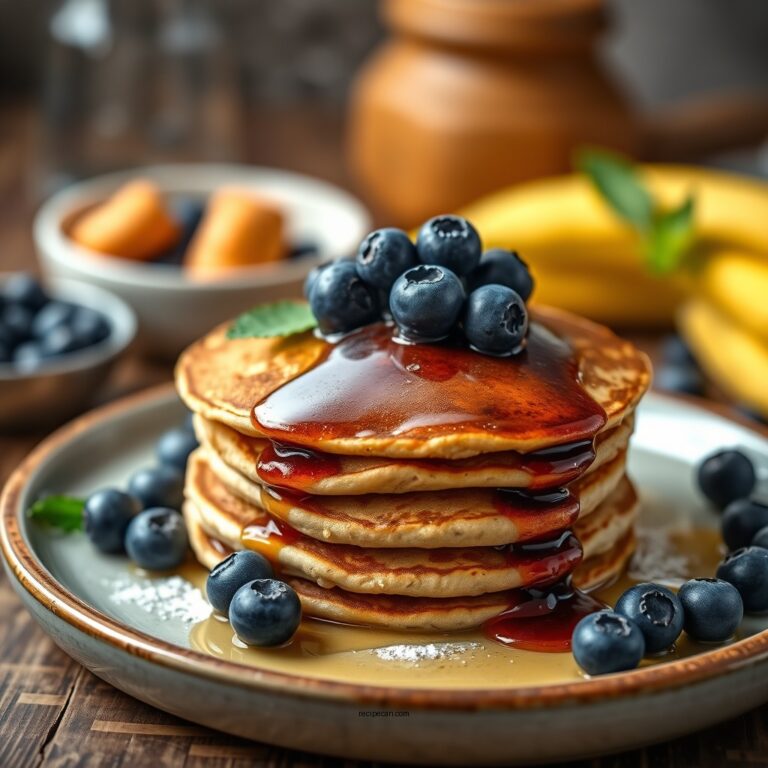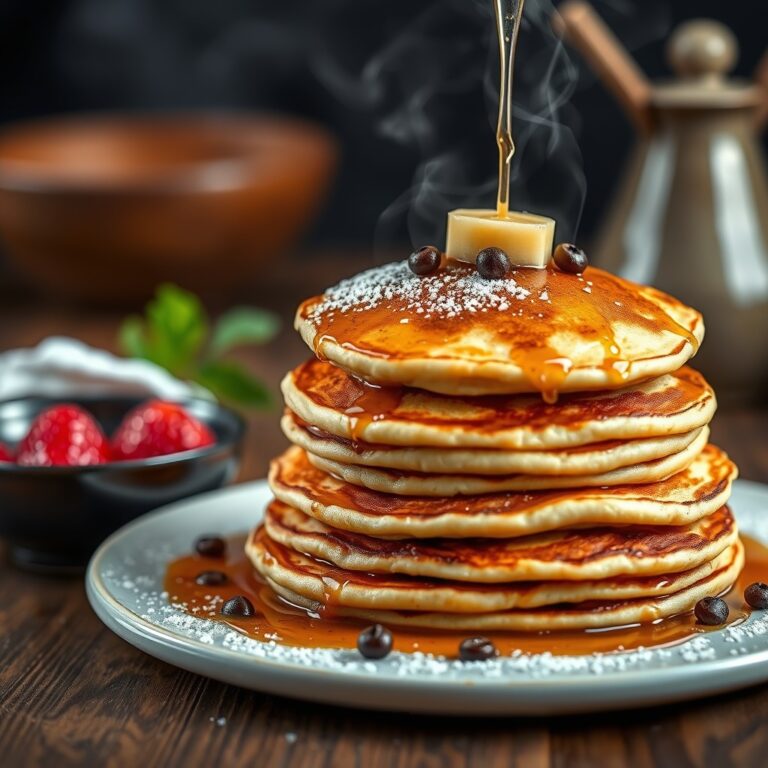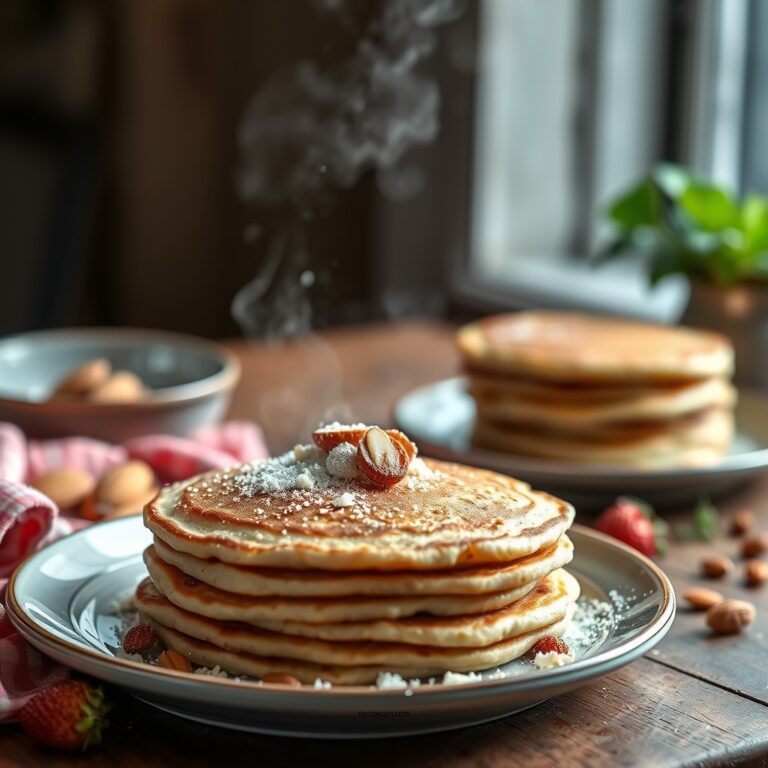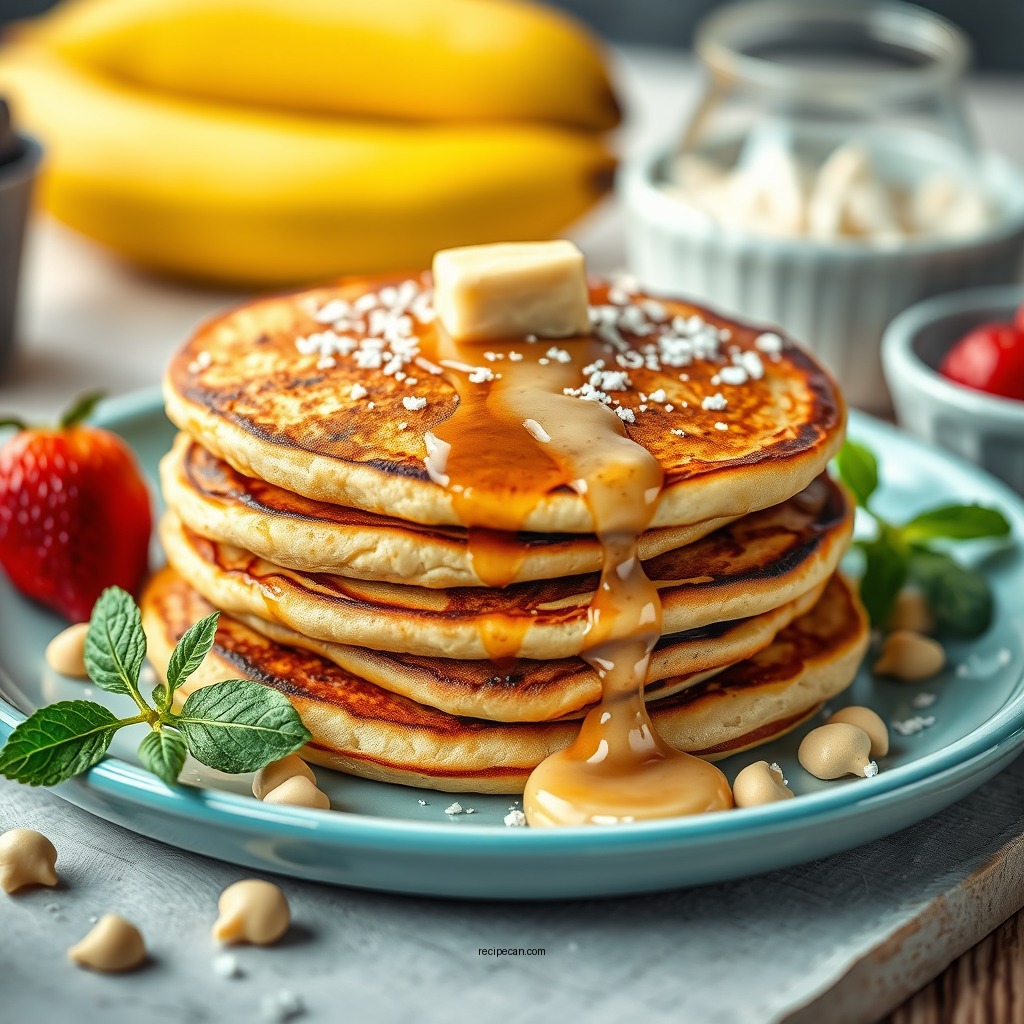
Protein pancakes are an excellent choice for a nutritious and satisfying breakfast. They provide a delightful combination of taste and health benefits, making them a perfect option to kickstart your day. In this article, you will discover how to create easy protein pancakes that not only taste delicious but also help keep you full and energized throughout the morning.
Ingredients You’ll Need

To prepare a batch of easy protein pancakes, you’ll need a few essential ingredients. Here’s what you should gather:
– Protein Powder: You can choose from whey protein, plant-based protein, or any protein powder of your choice. The protein powder serves as a primary ingredient, enhancing the nutrient profile of the pancakes.
– Oats or Flour: Both oats and flour can be used as the base for your pancakes. Oats provide extra fiber and a chewy texture, while flour offers a more traditional pancake feel.
– Eggs or Egg Substitutes: Eggs act as a binding agent in the pancake batter. If you prefer a vegan option, consider using flaxseed meal, chia seeds, or a store-bought egg substitute.
These ingredients collectively contribute to a balanced meal that’s rich in protein, fiber, and essential nutrients.
Step-by-Step Preparation

Making protein pancakes is a straightforward process that anyone can master. Follow these simple steps:
1. Mix Dry Ingredients: In a large bowl, combine your chosen protein powder and oats or flour. You may also add baking powder to help the pancakes rise.
2. Combine Wet Ingredients: In a separate bowl, whisk together the eggs (or egg substitute), milk (dairy or plant-based), and any other liquid ingredients such as vanilla extract.
3. Combine Mixtures: Gently pour the wet ingredients into the bowl containing the dry ingredients. Mix until just blended; be careful not to overmix, as this can lead to dense pancakes. The batter should remain slightly lumpy to ensure fluffiness.
This preparation method not only simplifies the cooking process but also ensures that the pancakes are light and airy.
Cooking Instructions
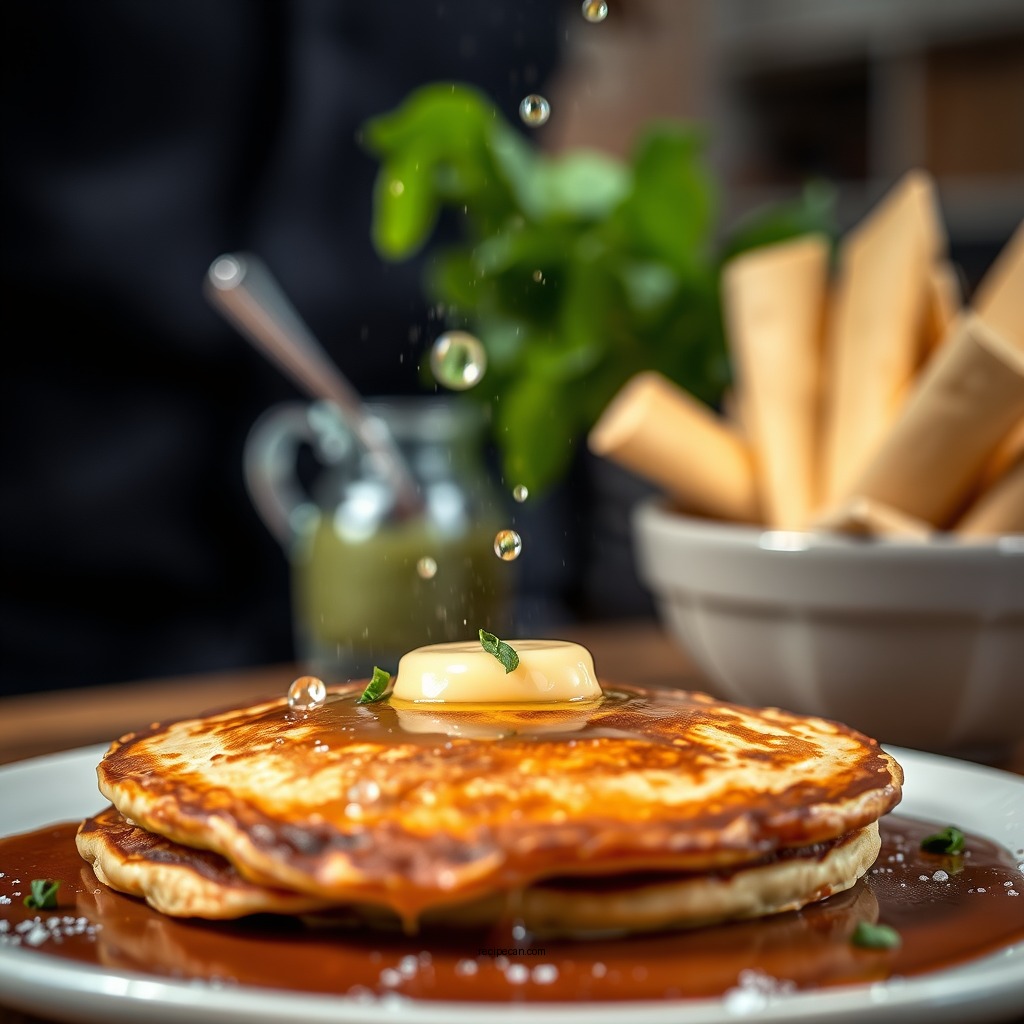
The cooking stage is where your batter transforms into delicious pancakes. Here’s how to do it effectively:
1. Preheat Your Skillet: Heat a non-stick skillet or griddle over medium heat. To check if it’s ready, sprinkle a few drops of water on the surface—if they sizzle and evaporate quickly, the skillet is hot enough.
2. Cook the Pancakes: Pour a scoop of batter onto the skillet for each pancake. Cook until bubbles form on the surface, indicating that the bottom is golden brown. This typically takes about 2-3 minutes.
3. Flip and Finish: Carefully flip the pancakes and cook for an additional 1-2 minutes until they are fully cooked and golden brown on both sides.
Following these instructions will yield pancakes that are perfectly cooked, fluffy, and ready to enjoy.
Flavor Enhancements
To elevate your protein pancakes, consider these flavor enhancement options:
– Fruits: Adding fruits such as blueberries, bananas, or strawberries can provide natural sweetness and additional nutrients. Simply fold the fruits into the batter or place them on top before serving.
– Spices: Incorporating spices can significantly enhance the flavor profile. Consider adding cinnamon, nutmeg, or a splash of vanilla extract to enrich the taste of your pancakes.
These enhancements not only make the pancakes more enjoyable but also contribute additional vitamins and minerals.
Nutritional Benefits
Protein pancakes stand out as a nourishing breakfast option for several reasons:
– High in Protein: The primary advantage of protein pancakes is their high protein content, which supports muscle recovery and growth. This is particularly beneficial for those engaged in regular physical activity.
– Low in Sugar: Compared to traditional pancakes, which often rely heavily on sugar and refined flour, protein pancakes are typically lower in sugar, making them a healthier choice. This helps to maintain stable blood sugar levels throughout the morning.
Overall, incorporating protein pancakes into your breakfast routine can promote better health and energy levels.
Serving Suggestions
To make your protein pancakes even more nutritious and enjoyable, consider these serving suggestions:
– Greek Yogurt and Fresh Fruit: Top your pancakes with a dollop of Greek yogurt and a handful of fresh fruit. This combination adds creaminess and additional protein while enhancing the visual appeal of your dish.
– Moderate Sweeteners: If you prefer a sweeter taste, a light drizzle of honey or pure maple syrup can complement the pancakes beautifully. Just be cautious with portion sizes to keep sugar levels in check.
These serving ideas not only enhance flavor but also contribute to a more balanced meal.
Variations to Try
Experimenting with different ingredients can keep your protein pancake routine exciting. Here are some variations to consider:
– Different Protein Powders: Switch up your choice of protein powder to explore various flavors. Options like chocolate or vanilla can provide unique taste experiences.
– Gluten-Free Options: If you are gluten-sensitive, consider using almond flour or coconut flour as a substitute for regular flour. These alternatives are nutritious and can add a different texture to your pancakes.
By trying out these variations, you can tailor the recipe to suit your tastes and dietary needs.
Protein Pancake Ingredients Comparison
| # | Ingredient | Protein (g) | Calories | Fiber (g) |
|---|---|---|---|---|
| 1 | Whey Protein | 24 | 120 | 0 |
| 2 | Oats | 6 | 150 | 4 |
| 3 | Eggs | 6 | 70 | 0 |
| 4 | Almond Flour | 6 | 160 | 3 |
| 5 | Flaxseed Meal | 5 | 55 | 5 |
| 6 | Coconut Flour | 6 | 80 | 5 |
| 7 | Chia Seeds | 3 | 60 | 5 |
Protein Content in Different Protein Sources (Per Serving)
By following this easy protein pancake recipe, you can enjoy a healthy and satisfying breakfast that fuels your day. These pancakes are not only versatile and customizable but also packed with nutrients that promote overall well-being. Don’t hesitate to share your creations or leave a comment below with your favorite variations!
Frequently Asked Questions
What are the key ingredients for a protein pancake recipe?
A basic protein pancake recipe typically includes protein powder (whey or plant-based), oats or whole wheat flour, eggs or egg whites, and a liquid such as milk or water. You can also add ingredients like mashed bananas, Greek yogurt, or baking powder for added texture and flavor. These ingredients not only boost protein content but also contribute to a satisfying breakfast option.
How can I make my protein pancakes fluffier?
To make fluffier protein pancakes, consider adding baking powder to your mix, as it helps the pancakes rise during cooking. Additionally, separate the egg whites and beat them until they’re stiff before folding them into the batter, which introduces more air and results in a light texture. Finally, be careful not to overmix the batter, as this can lead to dense pancakes.
Why are protein pancakes a healthier breakfast option?
Protein pancakes are a healthier breakfast choice because they provide a higher protein content compared to traditional pancakes, helping to keep you satisfied and curb cravings throughout the morning. The inclusion of whole grains or oats also adds fiber, which is beneficial for digestion. By controlling the ingredients, you can avoid excess sugars and unhealthy fats found in many pre-packaged breakfast items.
What is the best type of protein powder to use in pancakes?
The best type of protein powder for pancakes largely depends on your dietary preferences. Whey protein is popular due to its smooth texture and quick absorption, while plant-based proteins like pea or brown rice powder are excellent for those avoiding dairy. Choose a protein powder with minimal additives and flavors to create a balanced pancake that meets your nutritional needs.
Which toppings are best for protein pancakes?
The best toppings for protein pancakes include fresh fruit like berries or sliced bananas, which add natural sweetness and nutrients. Greek yogurt is another great option, providing additional protein and creaminess. You can also drizzle with nut butter or a small amount of pure maple syrup for extra flavor, ensuring your meal remains nutritious and delicious.
References
- https://www.ncbi.nlm.nih.gov/pmc/articles/PMC5692279/
https://www.ncbi.nlm.nih.gov/pmc/articles/PMC5692279/ - https://www.ncbi.nlm.nih.gov/pmc/articles/PMC6140150/
https://www.ncbi.nlm.nih.gov/pmc/articles/PMC6140150/ - https://www.mayoclinic.org/healthy-lifestyle/nutrition-and-healthy-eating/expert-answers/protein/faq-20058027
https://www.mayoclinic.org/healthy-lifestyle/nutrition-and-healthy-eating/expert-answers/protein/faq-20058027 - https://www.sciencedirect.com/topics/food-science/protein-pancakes
https://www.sciencedirect.com/topics/food-science/protein-pancakes - https://www.bbc.co.uk/food/recipes/protein_pancakes_91850
https://www.bbc.co.uk/food/recipes/protein_pancakes_91850 - https://www.health.harvard.edu/blog/the-benefits-of-protein-2019041816755
https://www.health.harvard.edu/blog/the-benefits-of-protein-2019041816755 - https://www.nhlbi.nih.gov/health-topics/healthy-eating
https://www.nhlbi.nih.gov/health-topics/healthy-eating - Healthy diet
https://www.who.int/news-room/fact-sheets/detail/healthy-diet - Google Scholar Google Scholar
https://scholar.google.com/scholar?q=protein+pancake+recipe - Google Scholar Google Scholar
https://scholar.google.com/scholar?q=high+protein+pancakes+nutrition