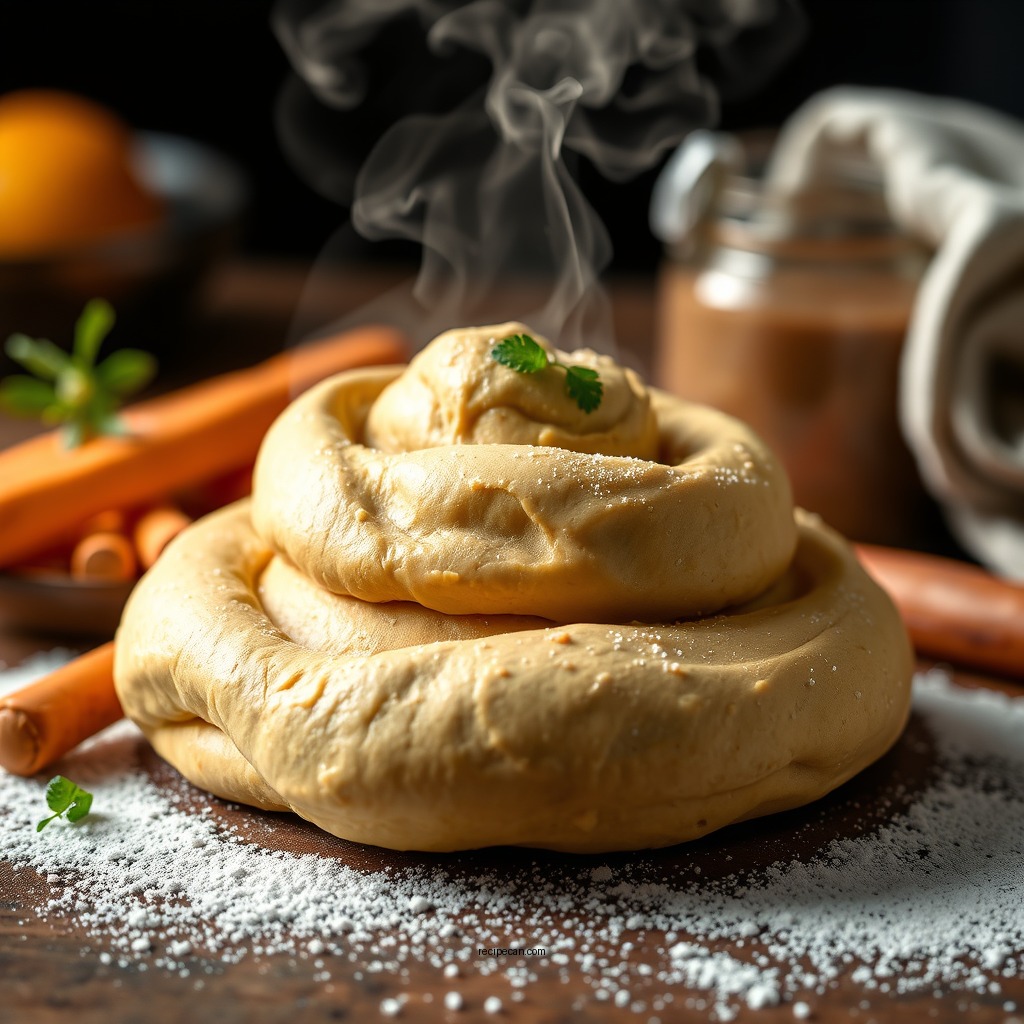
Making playdough without cream of tartar is a straightforward process that only requires a few essential ingredients commonly found in your kitchen. This guide will walk you through an easy recipe that results in soft, moldable playdough your children will adore. You won’t need any special items, and you can also have a great time customizing colors and scents to enhance their sensory experience!
Ingredients You’ll Need
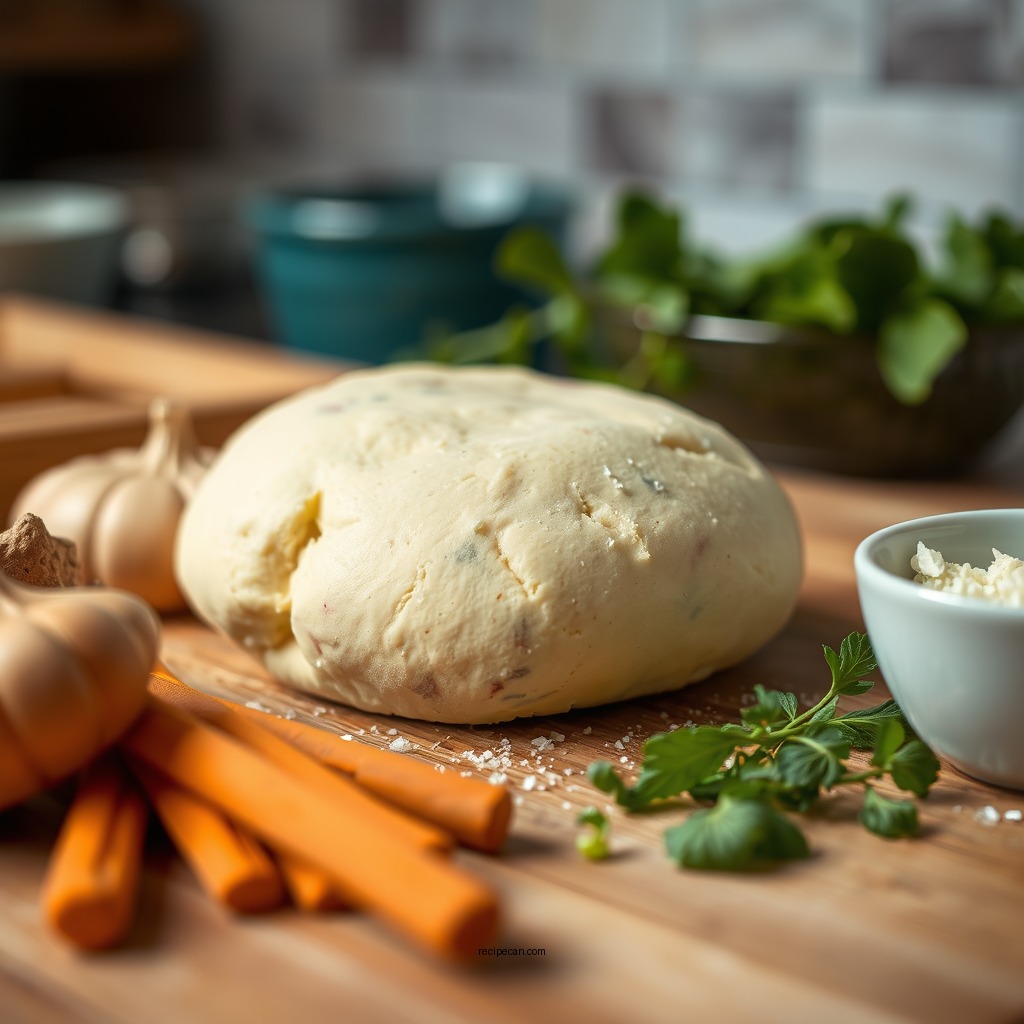
To make the perfect playdough, you’ll need the following basic ingredients:
– Flour: This serves as the main base for your playdough, giving it structure and pliability. All-purpose flour works best, but you can also experiment with whole wheat or gluten-free alternatives.
– Salt: Essential for flavor and acts as a preservative to help extend the shelf life of your playdough. Aim for table salt or sea salt for optimal results.
– Water: This activates the flour, creating the right consistency for your playdough. You can use warm or room temperature water depending on your preference.
The Simple Steps to Make Playdough
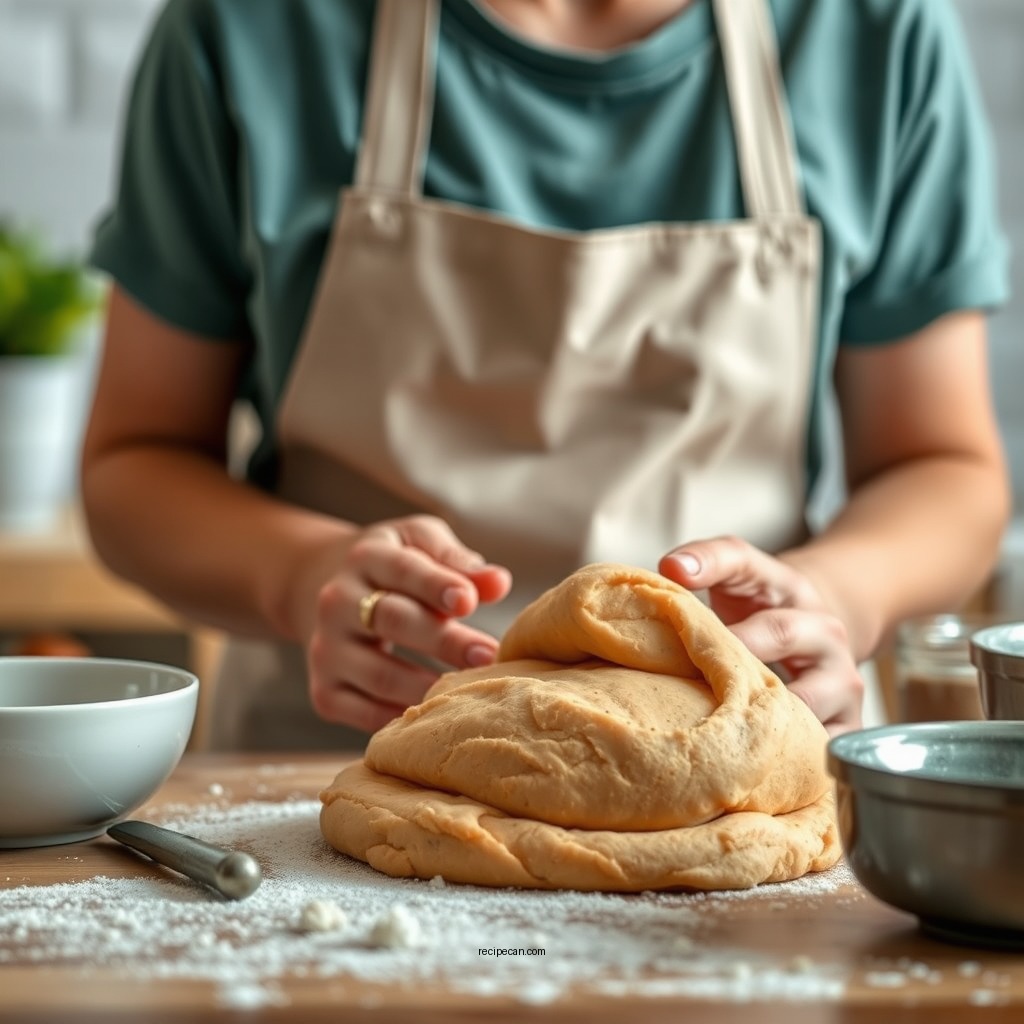
Creating your own playdough is an enjoyable activity that can be completed in just a few steps. Here’s how to do it:
– Mix dry ingredients: Start by combining 2 cups of flour and 1 cup of salt in a medium-sized mixing bowl. Stir well to ensure the salt is evenly distributed throughout the flour.
– Add wet ingredients: Gradually add 2 cups of water to the dry mixture. If you want colored playdough, this is the stage to mix in food coloring. Start with a few drops and adjust until you achieve your desired hue.
– Knead: Once the mixture is well combined, turn it onto a clean surface and knead the dough for about 5 minutes. This helps to make the dough smooth and elastic. If it feels too sticky, add a little more flour until you reach the desired consistency.
Customizing Your Playdough
Customization is where the fun really begins! Here are some ideas to make your playdough unique:
– Add colors: Beyond standard food coloring, consider using natural dyes like beet juice for red, turmeric for yellow, or spinach for green. This not only creates vibrant hues but also introduces a fun learning element about colors.
– Incorporate scents: Enhance the sensory experience by adding a few drops of essential oils or extracts. Vanilla, peppermint, or lavender not only smell delightful but can also have calming effects on children.
– Textures: For added stimulation, mix in glitter, sand, or even small beads to create interesting textures. This can turn a simple play experience into a multi-sensory adventure.
Popular Playdough Additives and Their Benefits
| # | Additive | Type | Benefits |
|---|---|---|---|
| 1 | Food Coloring | Color | Enhances visual appeal |
| 2 | Essential Oils | Scent | Calming effects |
| 3 | Glitter | Texture | Visual sparkle |
| 4 | Sand | Texture | Enhances sensory experience |
| 5 | Beads | Texture | Tactile stimulation |
| 6 | Cornstarch | Additive | Increases smoothness |
| 7 | Baking Soda | Additive | Improves texture |
Storage Tips for Homemade Playdough
Proper storage of your homemade playdough is essential to extend its longevity and maintain its quality. Here are some effective tips:
– Use airtight containers: To keep the playdough fresh and prevent it from drying out, store it in a sealed container. Plastic containers or resealable bags work well for this purpose.
– Refrigeration: If you want to further prolong the life of your playdough, consider storing it in the refrigerator. This can extend its lifespan by several weeks.
– Signs of spoilage: Be vigilant for changes in texture or smell. If the dough feels overly dry or has developed an unpleasant odor, it’s time to discard it.
Troubleshooting Common Issues
Even with the best intentions, issues may arise during the playdough-making process. Here are some common problems and their solutions:
– Too sticky?: If your playdough is sticking to your hands or the surface, simply knead in a little more flour until it achieves the right consistency.
– Crumbling?: Should your dough crumble apart, you can restore moisture by incorporating a small amount of water. Add it gradually to avoid making the dough overly wet.
– Hardening over time?: If your playdough hardens after storage, kneading in a bit of water can help soften it back to a workable state.
Common Playdough Issues and Solutions
Fun Playdough Activities
Once you’ve made your playdough, there are countless fun activities you can engage in with your children. Here are a few creative ideas to inspire imaginative play:
– Sculpting: Encourage your children to create various shapes, animals, or objects. This not only fosters creativity but also enhances fine motor skills.
– Letter formation: Use playdough to help children learn letters and numbers. They can form each letter by rolling the dough into shapes, making learning interactive and enjoyable.
– Sensory bins: Combine your playdough with other materials such as rice, beans, or small toys to create a sensory bin. This rich play experience allows children to explore textures and practice imaginative play.
Making playdough without cream of tartar is not only a fun and rewarding project but also an excellent opportunity for creativity and learning. With just a few ingredients and some innovative ideas, you can create a delightful playtime experience for children. Gather your supplies, start mixing, and enjoy endless hours of imaginative play!
Frequently Asked Questions
What ingredients do I need for a playdough recipe without cream of tartar?
To make playdough without cream of tartar, you’ll need all-purpose flour, salt, water, vegetable oil, and food coloring if desired. This simple recipe ensures you can create a fun and safe play material for kids using common household ingredients.
How do I make playdough without cream of tartar?
To make playdough without cream of tartar, combine 2 cups of flour, 1 cup of salt, and 2 tablespoons of vegetable oil in a bowl. Gradually add 2 cups of water while stirring, then heat the mixture in a saucepan over medium heat until it thickens. Once it cools, knead the dough until it’s smooth and add food coloring if you want.
Why is cream of tartar typically used in playdough recipes?
Cream of tartar is often used in playdough recipes to help stabilize the dough and give it a smoother texture. However, when omitted, you can still create a functional and enjoyable playdough with alternative ingredients like flour and salt, making it accessible for those who may not have cream of tartar on hand.
What are the best alternatives to cream of tartar in playdough recipes?
The best alternatives to cream of tartar in playdough recipes include lemon juice or vinegar, which can provide a similar acidic quality. You can also simply omit it altogether, as many people have successfully made playdough without it, resulting in a fun and moldable dough that kids love.
Which method yields the best texture for playdough without cream of tartar?
The best texture for playdough without cream of tartar is typically achieved by cooking the mixture on the stove. This method allows you to control the consistency and results in a smoother, more pliable dough compared to no-cook recipes, ensuring a better play experience for children.
References
- How to Make Play Dough: 12 Steps (with Pictures) – wikiHow
https://www.wikihow.com/Make-Play-Dough - https://www.sciencedirect.com/topics/earth-and-planetary-sciences/play-dough
https://www.sciencedirect.com/topics/earth-and-planetary-sciences/play-dough - https://www.bbc.co.uk/food/recipes/playdough_86231
https://www.bbc.co.uk/food/recipes/playdough_86231 - https://www.nichd.nih.gov/health/topics/childdev/Pages/activities.aspx
https://www.nichd.nih.gov/health/topics/childdev/Pages/activities.aspx - https://www.verywellfamily.com/how-to-make-play-dough-2765057
https://www.verywellfamily.com/how-to-make-play-dough-2765057 - https://www.thoughtco.com/how-to-make-play-dough-4174795
https://www.thoughtco.com/how-to-make-play-dough-4174795 - https://www.cdc.gov/ncbddd/childdevelopment/positiveparenting/play.html
https://www.cdc.gov/ncbddd/childdevelopment/positiveparenting/play.html - Google Scholar Google Scholar
https://scholar.google.com/scholar?q=playdough+recipe+without+cream+of+tartar - Google Scholar Google Scholar
https://scholar.google.com/scholar?q=how+to+make+playdough - Google Scholar Google Scholar
https://scholar.google.com/scholar?q=playdough+educational+benefits