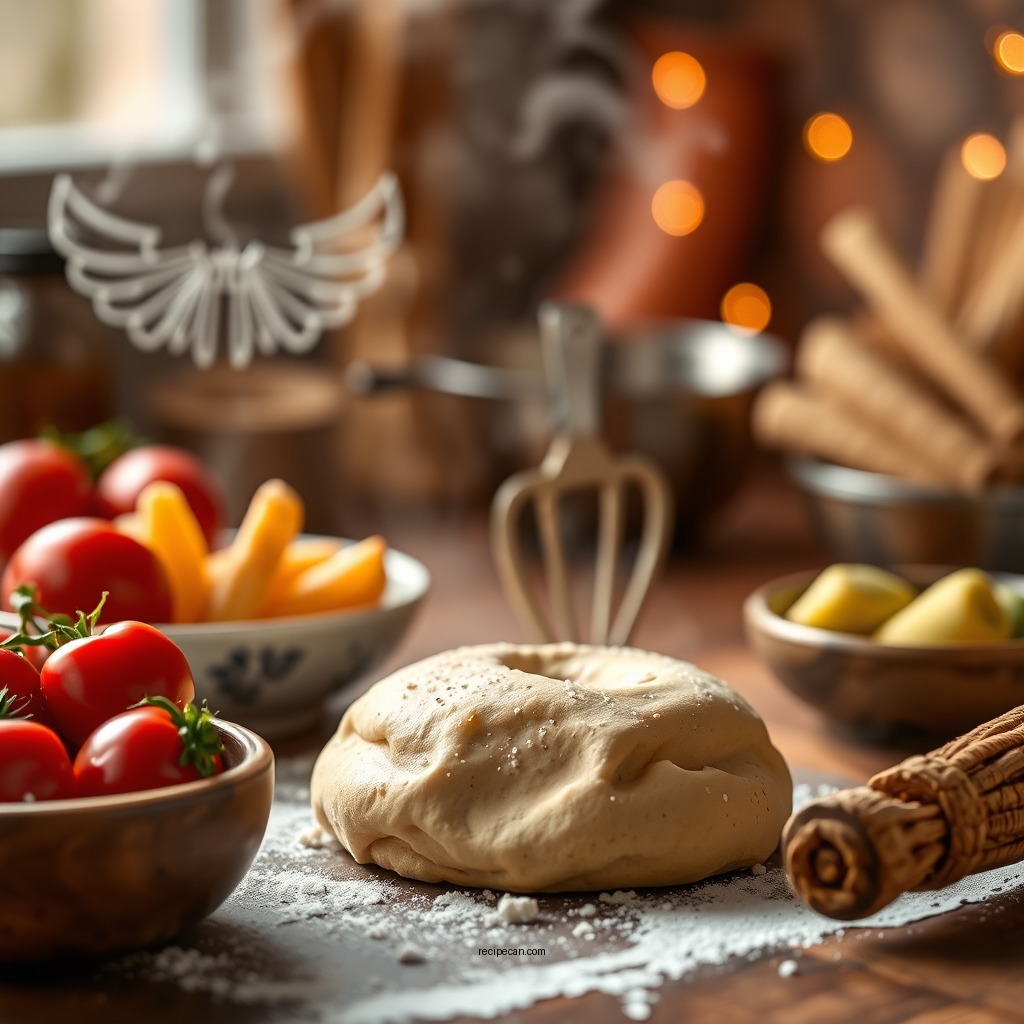
Making play dough without cream of tartar is simple and effective! This easy recipe uses basic ingredients you probably already have at home, allowing you to create soft, moldable dough in no time. In this article, you’ll discover how to make play dough without tartar, along with tips for customization and storage.
Ingredients You’ll Need

Creating play dough is a straightforward process that requires only a few essential ingredients. Here’s what you’ll need:
– All-purpose flour: This is the main ingredient for the dough base. It provides the structure and texture, making your play dough soft and pliable.
– Salt: Besides adding a hint of flavor, salt acts as a natural preservative, helping to prolong the life of your play dough.
– Water: Water is crucial as it binds all the ingredients together, turning the dry mixture into a cohesive dough.
– Oil: A small amount of oil is added to make the dough smooth and prevent it from sticking to your hands or work surface. Vegetable oil or canola oil works well.
Step-by-Step Instructions
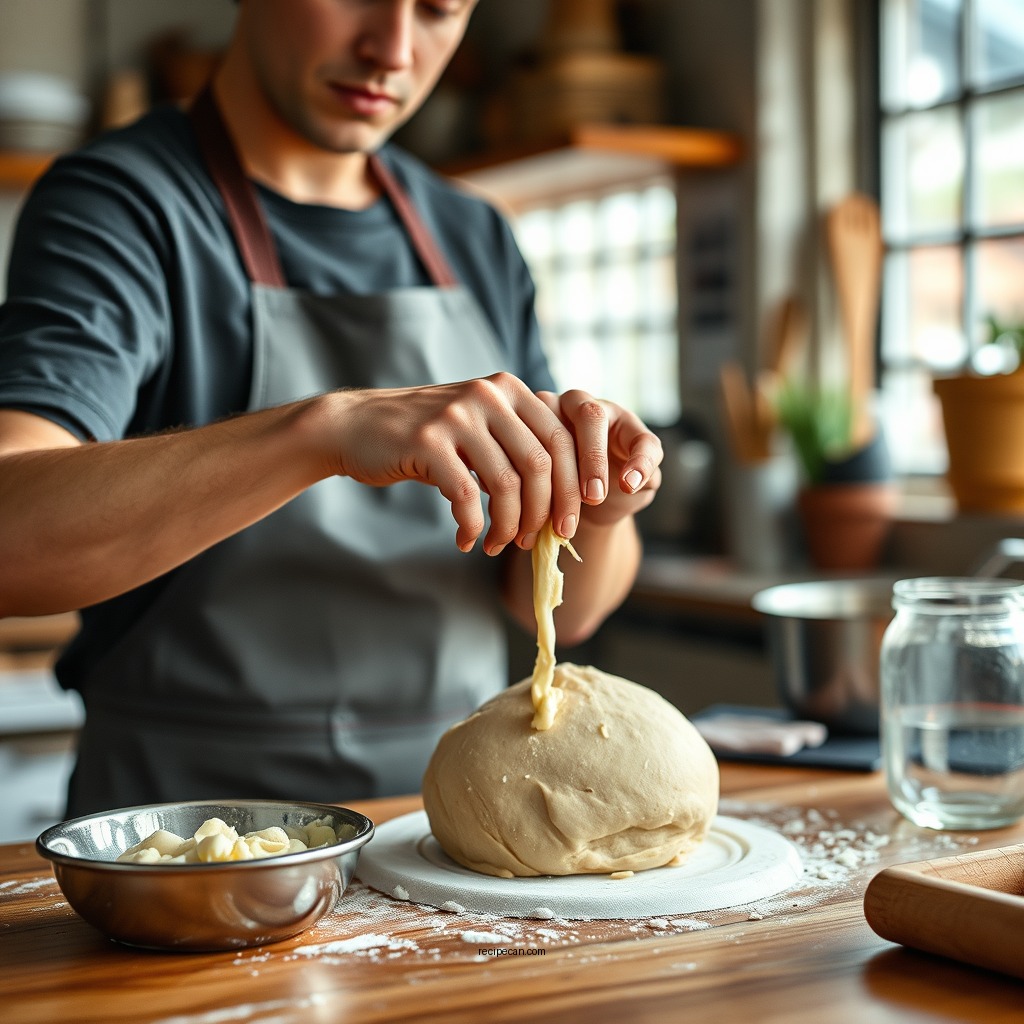
Follow these simple steps to create your own play dough without tartar:
– Combine dry ingredients: In a large bowl, mix together 2 cups of all-purpose flour and 1 cup of salt. This combination will serve as the foundation for your dough.
– Add wet ingredients: Gradually stir in 2 cups of water and 2 tablespoons of oil. Use a spoon or spatula to mix until the mixture becomes smooth and free of lumps.
– Cook the mixture: Transfer the mixture to a saucepan and heat over medium heat. Stir continuously until the dough begins to thicken, eventually forming a ball that pulls away from the sides of the pan. This process will take about 3-5 minutes. Once done, remove it from the heat and let it cool slightly before kneading.
Customization Ideas
One of the best aspects of homemade play dough is its versatility. Here are some creative ways to customize your dough:
– Color: Enhance your play dough by adding food coloring. You can mix colors to create unique shades, making the experience more engaging for children.
– Scent: Incorporate essential oils or a splash of vanilla extract to give your play dough a delightful aroma. Scents like lavender, peppermint, or citrus can stimulate the senses and enhance the play experience.
– Texture: For added fun, consider mixing in glitter or sand. This not only enhances the visual appeal but also provides a different tactile experience during play.
Storage Tips
To ensure your homemade play dough lasts as long as possible, follow these storage tips:
– Airtight container: Store your play dough in an airtight container to keep it fresh. A plastic container or resealable bag works well.
– Refrigeration: For extended shelf life, consider keeping your play dough in the refrigerator. This can help prevent mold and maintain its texture.
– Duration: With proper storage, your homemade play dough can last for several weeks. However, if you notice any changes in smell or texture, it’s best to discard it and make a fresh batch.
Top 7 Play Dough Brands by Popularity (2023)
| # | Brand | Popularity (%) | Average Rating |
|---|---|---|---|
| 1 | Play-Doh | 45% | ★★★★☆ |
| 2 | Melissa & Doug | 30% | ★★★★☆ |
| 3 | Crayola | 15% | ★★★☆☆ |
| 4 | Playfoam | 5% | ★★★☆☆ |
| 5 | Fisher-Price | 3% | ★★☆☆☆ |
| 6 | Art dough | 2% | ★☆☆☆☆ |
| 7 | Other | 0% | N/A |
Troubleshooting Common Issues
When making play dough, you may encounter a few common issues. Here are solutions to help you troubleshoot effectively:
– Dough too sticky: If your dough feels sticky, add small amounts of flour gradually until the desired consistency is reached. This will help it firm up without compromising its texture.
– Dough too dry: Conversely, if the dough is too dry, sprinkle in small amounts of water and knead until you achieve the right level of moisture.
– Cracking: If you notice cracks in your dough, this might be due to insufficient kneading. Knead the dough thoroughly to make it more pliable and smooth.
Fun Ways to Use Play Dough
Play dough is not just a fun activity; it also serves various educational and developmental purposes:
– Craft projects: Encourage creativity by making shapes, animals, and other figures. This can help children enhance their fine motor skills and imaginative play.
– Learning tool: Utilize play dough for educational activities such as counting, letter formation, or even basic math problems. Its tactile nature engages children in learning.
– Sensory play: Play dough provides a rich sensory experience. Children can explore different textures and scents, which is beneficial for cognitive development.
Making play dough without tartar is both quick and enjoyable, giving you a versatile craft supply that can entertain kids for hours. With just a few ingredients and some creativity, you can create endless fun! Gather your supplies, follow the recipe, and start crafting today!
Frequently Asked Questions
What ingredients do I need for a play dough recipe without cream of tartar?
To make play dough without cream of tartar, you’ll need all-purpose flour, salt, water, vegetable oil, and food coloring if desired. This simple recipe allows you to create a soft and pliable dough that’s great for kids’ play without needing tartar.
How do I make play dough without cream of tartar?
To make play dough without cream of tartar, mix 2 cups of all-purpose flour, 1 cup of salt, 2 tablespoons of vegetable oil, and 2 cups of water in a pot over medium heat. Stir continuously until the mixture thickens and forms a ball, then remove it from heat, let it cool, and knead it until smooth.
Why is cream of tartar used in traditional play dough recipes, and can I skip it?
Cream of tartar is often used in play dough recipes to improve texture and elasticity, but it’s not essential. Skipping it will still yield a workable dough, as the salt and flour provide the necessary structure, making a tartar-free play dough a great alternative.
What is the best way to store play dough made without cream of tartar?
The best way to store play dough made without cream of tartar is to keep it in an airtight container or a resealable plastic bag. This will help maintain its moisture and prevent it from drying out, allowing for extended playtime.
Which colorings are safe to use in homemade play dough without cream of tartar?
For homemade play dough without cream of tartar, you can use food coloring, gel colors, or even natural colorings like beet juice or turmeric for a safer option. Always ensure that the colorings are non-toxic and suitable for children, especially for younger kids who may put play dough in their mouths.
References
- How to Make Play Dough: 12 Steps (with Pictures) – wikiHow
https://www.wikihow.com/Make-Play-Dough - https://www.sciencedirect.com/topics/food-science/play-dough
https://www.sciencedirect.com/topics/food-science/play-dough - https://www.britannica.com/topic/play-dough
https://www.britannica.com/topic/play-dough - https://www.ncbi.nlm.nih.gov/pmc/articles/PMC6029430/
https://www.ncbi.nlm.nih.gov/pmc/articles/PMC6029430/ - https://pubmed.ncbi.nlm.nih.gov/30789483/
https://pubmed.ncbi.nlm.nih.gov/30789483/ - https://www.cdc.gov/nceh/lead/faq/playdough.htm
https://www.cdc.gov/nceh/lead/faq/playdough.htm - Google Scholar Google Scholar
https://scholar.google.com/scholar?q=play+dough+recipe+without+tartar - https://scholar.google.com/scholar?q=homemade+play+dough+no+tartar Google Scholar
https://scholar.google.com/scholar?q=homemade+play+dough+no+tartar - Google Scholar Google Scholar
https://scholar.google.com/scholar?q=DIY+play+dough+recipe - https://www.nytimes.com/2020/03/25/parenting/play-dough-recipe.html
https://www.nytimes.com/2020/03/25/parenting/play-dough-recipe.html